Lee Mount Care Home

At a Glance
The information you need to decide whether this home warrants a closer look.
Residential homes
Staff warmth score
of reviewers answered yes
Good to know
- Registered beds25
- SpecialismsCaring for adults over 65 yrs, Caring for adults under 65 yrs, Dementia, Learning disabilities, Mental health conditions
- Last inspected2019-12-24
Save Lee Mount Care Home to your shortlist
Keep a running list, add visit notes, and compare homes side-by-side. Free account — it takes a minute.
STAGE 4 — RESEARCHING CARE HOMES
Visit homes. Compare them side by side. Choose with confidence.
Most of us will view care homes the way we view houses, impression, atmosphere, the feeling in the corridor. We go home, try to remember what we saw, and make a permanent decision from a blurred memory.

The DCC shortlist gives every home you visit a structured record: the same twelve questions, answered the same way, every time. When you’re ready to choose, pull any two homes side by side and compare them directly. Same criteria, same evidence, your notes and your scores.
The Evidence
What the review data, the inspection reports, and the dementia-care evidence base tell us about this home.
What families say
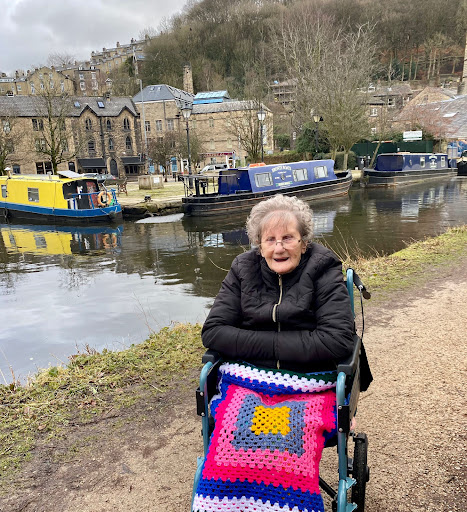
People talk about how their relatives are known here — not just their care needs, but their preferences, their stories, their birthdays. The team takes time to learn what makes each person comfortable, whether that's a particular routine or simply being asked their opinion about the week's activities. Visitors mention feeling welcomed as part of the community, not just as guests during visiting hours.
The eight family priority themes
- Staff warmth82
- Compassion & dignity82
- Cleanliness75
- Activities & engagement90
- Food quality65
- Healthcare72
- Management & leadership78
- Resident happiness78
What inspectors found
Inspected 2019-12-24
Is this home safe?
Is the care effective?
The Effective domain was rated Good at the January 2025 inspection. This covers whether staff know what they are doing: training, care planning, healthcare access, and how well the home meets the needs of people with dementia, learning disabilities, and mental health conditions. The home lists all three as specialisms, which means inspectors will have looked for evidence of specialist knowledge, not just general good practice. Specific detail about training completion rates, GP access, or care plan review processes is not available in the published summary.Is this home caring?
The Caring domain was rated Good at the January 2025 inspection. This domain covers whether staff are kind, whether your parent would be treated with dignity and respect, and whether their independence is supported rather than undermined. A Good rating means inspectors found evidence of genuine warmth and appropriate practice. Without the full narrative, it is not possible to confirm specific observations such as staff using preferred names, knocking before entering rooms, or responding without rushing.Is the home responsive?
The Responsive domain was rated Outstanding at the January 2025 inspection. This is the highest rating available and inspectors apply it only when there is strong, specific evidence that the home treats people as individuals, provides meaningful activities, responds to changing needs, and plans well for end of life. For a home of 25 people caring for adults with dementia, learning disabilities, and mental health conditions, an Outstanding here is a genuinely significant finding. The published summary does not include the full detail of what inspectors observed, but the rating itself is the highest level of confidence the inspection system offers.Is the home well-led?
The Well-led domain was rated Good at the January 2025 inspection. The registered manager is Mr Manjinder Dhiman and the nominated individual is Mr Chandjit Singh. The home is operated by Lee Mount Healthcare Limited. The improvement from Requires Improvement to Good overall is itself evidence of leadership that identified problems and acted on them. Specific detail about management culture, staff empowerment, or governance processes is not included in the published summary.
Source: CQC inspection report →
What the evidence base says
Lee Mount cares for adults both under and over 65, including people living with dementia, learning disabilities, and mental health conditions. They offer both permanent placements and shorter respite stays. The home's dementia-trained staff understand how to support residents through the challenges of memory loss. They focus on maintaining each person's sense of identity and involving them in daily decisions wherever possible. All areas worth probing directly during a visit.
The DCC Verdict
Our editorial view, built from the three lenses: what families tell us, what inspectors record, and how the home sits against good dementia-care practice.
DCC Family Score
Lee Mount Residential Home scores well overall, with a standout Outstanding rating for Responsive care, meaning inspectors found strong evidence that the people who live here have a life, not just a bed. The main uncertainty is that individual domain scores for Safe, Effective, Caring, and Well-led are not yet published in detail, so some of the underpinning evidence is thinner than the headline rating alone would suggest.
Homes in Yorkshire & Humberside typically score 68–82.The three-lens summary
What families tell us
People talk about how their relatives are known here — not just their care needs, but their preferences, their stories, their birthdays. The team takes time to learn what makes each person comfortable, whether that's a particular routine or simply being asked their opinion about the week's activities. Visitors mention feeling welcomed as part of the community, not just as guests during visiting hours.
What inspectors have recorded
Staff across every department — from cleaners to care workers to managers — show genuine commitment to residents' wellbeing. The team includes dementia-trained staff who understand how to support people through confusion or distress. Local shopkeepers and healthcare professionals speak well of the home's reputation in the Halifax community.
How it sits against good practice
It's the kind of place where birthdays are remembered and end-of-life care is handled with real compassion — where being cared for doesn't mean losing who you are.
Worth a visit
Lee Mount Residential Home, on Lee Mount Road in Halifax, was assessed in January 2025 and rated Good overall, with the Responsive domain rated Outstanding. This is a meaningful improvement: the home was previously rated Requires Improvement, so inspectors found evidence of genuine progress across safety, effectiveness, caring, and leadership. The Outstanding rating for Responsive care is particularly significant for families considering this home for a parent with dementia, a learning disability, or a mental health condition, because it is the rating inspectors reserve for homes where people are genuinely seen as individuals and where activities and engagement go well beyond the basic. The main uncertainty here is that the full inspection narrative is not yet available in published form, so the detail behind each domain rating cannot be independently verified from the report text. This means the score for this home is based partly on the strength of the ratings themselves rather than on specific observations, resident quotes, or record reviews. Before choosing this home, visit in person, ask to see a recent activity schedule, speak to the registered manager about night staffing ratios, and ask how the home has changed since its previous Requires Improvement rating. Those conversations will tell you as much as any inspection report.
The three questions to ask when you visitSave this home. Compare it against your shortlist.
Let our analysis show you how Lee Mount Care Home measures up against the other homes you’re considering. Free account.
In Their Own Words
How Lee Mount Care Home describes itself — collected from its own website. DCC has not edited or independently verified the content in this tab.
Where every resident's story matters in Halifax
Compassionate Care in Halifax at Lee Mount Residential Home
At Lee Mount Residential Home in Halifax, care goes deeper than daily routines. This Yorkshire care home supports adults of all ages, including those living with dementia, learning disabilities, and mental health conditions. Families describe a place where residents help plan their own days, from choosing what's for dinner to deciding between joining the group activities or spending quiet time with a book.
Who they care for
Lee Mount cares for adults both under and over 65, including people living with dementia, learning disabilities, and mental health conditions. They offer both permanent placements and shorter respite stays.
The home's dementia-trained staff understand how to support residents through the challenges of memory loss. They focus on maintaining each person's sense of identity and involving them in daily decisions wherever possible.
“It's the kind of place where birthdays are remembered and end-of-life care is handled with real compassion — where being cared for doesn't mean losing who you are.”
DCC does not edit or curate content in this tab. For independently curated information, see The Evidence and DCC Verdict.
The DCC Verdict
Our editorial view, built from the three lenses: what families tell us, what inspectors record, and how the home sits against good dementia-care practice.
DCC Family Score
Lee Mount Residential Home scores well overall, with a standout Outstanding rating for Responsive care, meaning inspectors found strong evidence that the people who live here have a life, not just a bed. The main uncertainty is that individual domain scores for Safe, Effective, Caring, and Well-led are not yet published in detail, so some of the underpinning evidence is thinner than the headline rating alone would suggest.
Homes in Yorkshire & Humberside typically score 68–82.The three-lens summary
What families tell us
People talk about how their relatives are known here — not just their care needs, but their preferences, their stories, their birthdays. The team takes time to learn what makes each person comfortable, whether that's a particular routine or simply being asked their opinion about the week's activities. Visitors mention feeling welcomed as part of the community, not just as guests during visiting hours.
What inspectors have recorded
Staff across every department — from cleaners to care workers to managers — show genuine commitment to residents' wellbeing. The team includes dementia-trained staff who understand how to support people through confusion or distress. Local shopkeepers and healthcare professionals speak well of the home's reputation in the Halifax community.
How it sits against good practice
It's the kind of place where birthdays are remembered and end-of-life care is handled with real compassion — where being cared for doesn't mean losing who you are.
Worth a visit
Lee Mount Residential Home, on Lee Mount Road in Halifax, was assessed in January 2025 and rated Good overall, with the Responsive domain rated Outstanding. This is a meaningful improvement: the home was previously rated Requires Improvement, so inspectors found evidence of genuine progress across safety, effectiveness, caring, and leadership. The Outstanding rating for Responsive care is particularly significant for families considering this home for a parent with dementia, a learning disability, or a mental health condition, because it is the rating inspectors reserve for homes where people are genuinely seen as individuals and where activities and engagement go well beyond the basic. The main uncertainty here is that the full inspection narrative is not yet available in published form, so the detail behind each domain rating cannot be independently verified from the report text. This means the score for this home is based partly on the strength of the ratings themselves rather than on specific observations, resident quotes, or record reviews. Before choosing this home, visit in person, ask to see a recent activity schedule, speak to the registered manager about night staffing ratios, and ask how the home has changed since its previous Requires Improvement rating. Those conversations will tell you as much as any inspection report.
The three questions to ask when you visitSave this home. Compare it against your shortlist.
Let our analysis show you how Lee Mount Care Home measures up against the other homes you’re considering. Free account.
In Their Own Words
How Lee Mount Care Home describes itself — collected from its own website. DCC has not edited or independently verified the content in this tab.
Where every resident's story matters in Halifax
Compassionate Care in Halifax at Lee Mount Residential Home
At Lee Mount Residential Home in Halifax, care goes deeper than daily routines. This Yorkshire care home supports adults of all ages, including those living with dementia, learning disabilities, and mental health conditions. Families describe a place where residents help plan their own days, from choosing what's for dinner to deciding between joining the group activities or spending quiet time with a book.
Who they care for
Lee Mount cares for adults both under and over 65, including people living with dementia, learning disabilities, and mental health conditions. They offer both permanent placements and shorter respite stays.
The home's dementia-trained staff understand how to support residents through the challenges of memory loss. They focus on maintaining each person's sense of identity and involving them in daily decisions wherever possible.
Management & ethos
Staff across every department — from cleaners to care workers to managers — show genuine commitment to residents' wellbeing. The team includes dementia-trained staff who understand how to support people through confusion or distress. Local shopkeepers and healthcare professionals speak well of the home's reputation in the Halifax community.
The home & environment
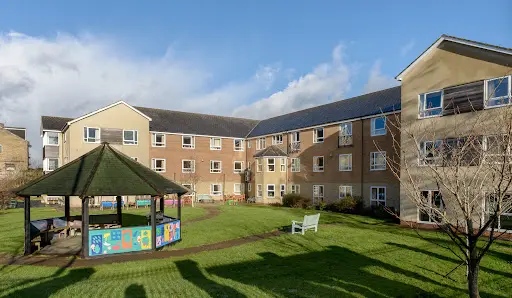
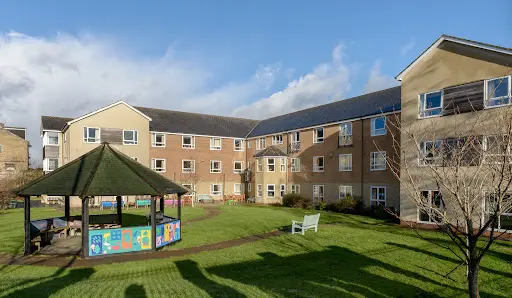
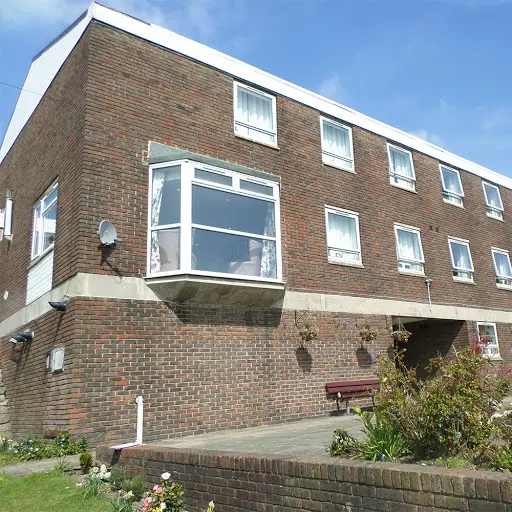
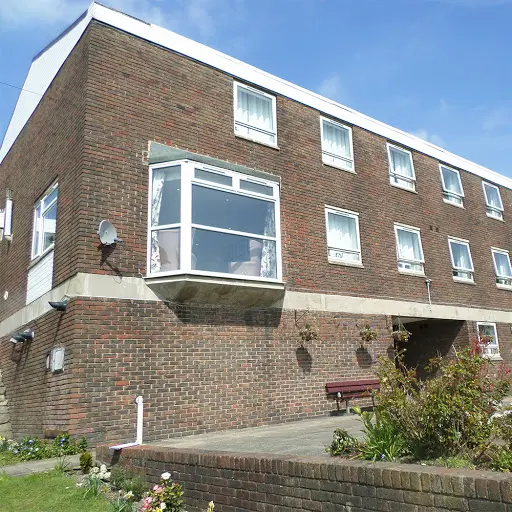
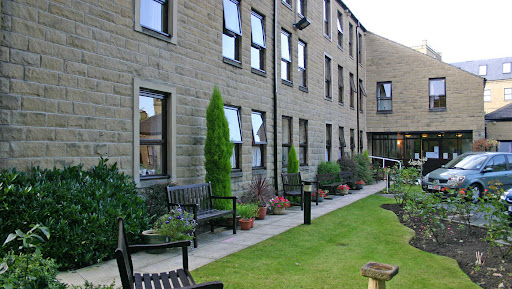
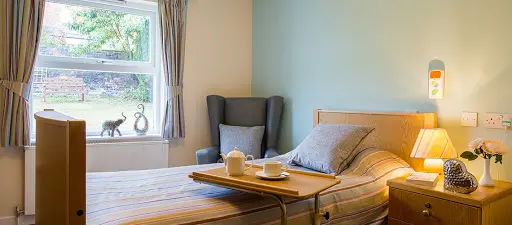
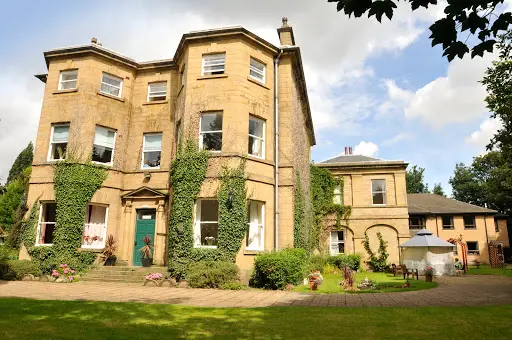
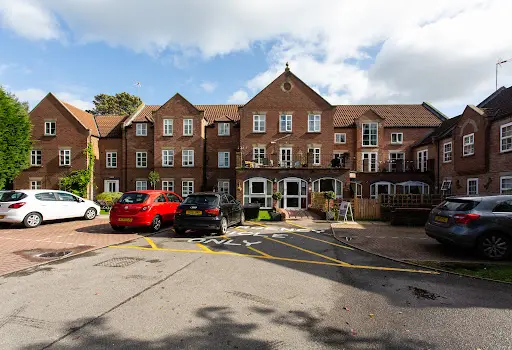
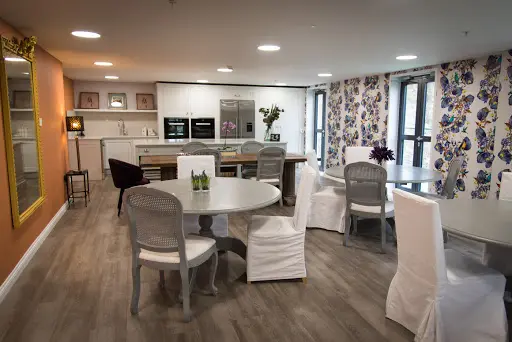
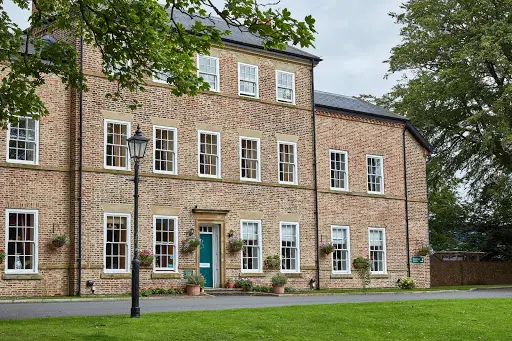
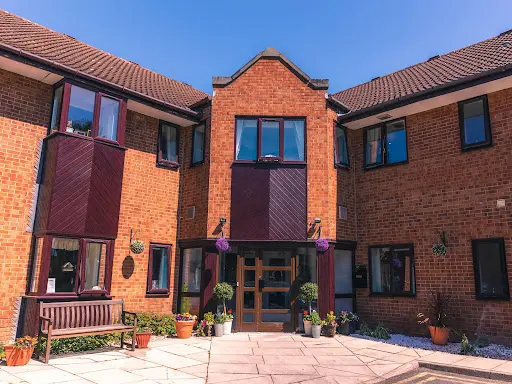
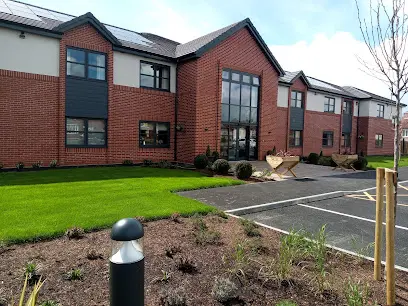
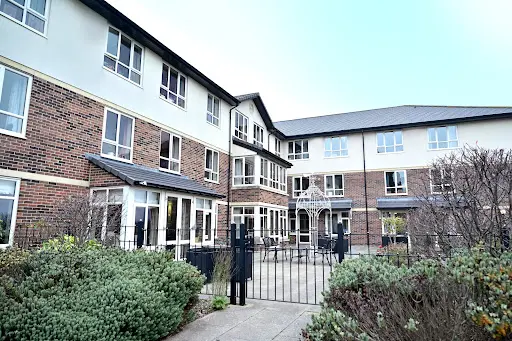
The building itself could use some updating, but families say the care quality more than makes up for it. Meals reflect what residents actually want to eat, with everyone having a say in menu planning. The home organises both group activities and quieter options, so there's always something that suits different moods and energy levels.
“It's the kind of place where birthdays are remembered and end-of-life care is handled with real compassion — where being cared for doesn't mean losing who you are.”
DCC does not edit or curate content in this tab. For independently curated information, see The Evidence and DCC Verdict.