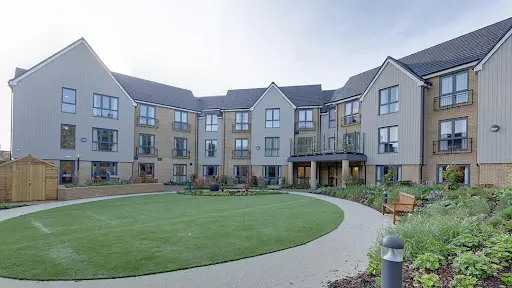
Laureston House Residential Home
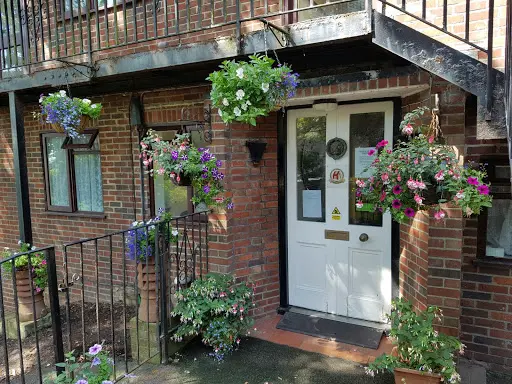
At a Glance
The information you need to decide whether this home warrants a closer look.
Residential homes
Staff warmth score
of reviewers answered yes
Good to know
- Registered beds21
- SpecialismsCaring for adults over 65 yrs, Dementia
- Last inspected2019-11-26
Save Laureston House Residential Home to your shortlist
Keep a running list, add visit notes, and compare homes side-by-side. Free account — it takes a minute.
STAGE 4 — RESEARCHING CARE HOMES
Visit homes. Compare them side by side. Choose with confidence.
Most of us will view care homes the way we view houses, impression, atmosphere, the feeling in the corridor. We go home, try to remember what we saw, and make a permanent decision from a blurred memory.

The DCC shortlist gives every home you visit a structured record: the same twelve questions, answered the same way, every time. When you’re ready to choose, pull any two homes side by side and compare them directly. Same criteria, same evidence, your notes and your scores.
The Evidence
What the review data, the inspection reports, and the dementia-care evidence base tell us about this home.
What families say
Families talk about how welcoming the staff are here, and how they take time to keep relatives updated. There's a sense that residents settle in well, with structured activities helping people stay engaged throughout the day.
The eight family priority themes
- Staff warmth55
- Compassion & dignity55
- Cleanliness55
- Activities & engagement50
- Food quality50
- Healthcare50
- Management & leadership65
- Resident happiness55
What inspectors found
Inspected 2019-11-26
Is this home safe?
Is the care effective?
The Effective domain is rated Good. This domain covers training, care planning, healthcare access, nutrition, and assessment of needs. Dementia is a listed specialism, which means inspectors will have considered whether staff have appropriate dementia-specific training. No specific detail about training content, care plan quality, GP access, or food provision is reproduced in the published inspection text.Is this home caring?
The Caring domain is rated Good. Inspectors assess warmth, dignity, respect, and whether residents are treated as individuals. This domain receives the highest weighting in our family review data, with staff warmth cited in 57.3% of positive reviews and compassion in 55.2%. No inspector observations, staff interactions, or resident and family quotes are reproduced in the published inspection text for this home.Is the home responsive?
The Responsive domain is rated Good. This domain covers activities, individualised engagement, response to complaints, and end-of-life care planning. For a home specialising in dementia, individualised activities and one-to-one engagement are particularly important. No description of the activity programme, individual engagement approaches, or end-of-life planning practice is included in the published inspection text.Is the home well-led?
The Well-led domain is rated Good, improved from Requires Improvement at the previous inspection. A named registered manager (Mrs Tracey Beverley Birchenough) and nominated individual (Mr Kevin Roberts) are identified. The improvement in this domain is significant because leadership quality is one of the strongest predictors of sustained care quality. No detail about management visibility, staff culture, governance processes, or how the home learns from incidents is included in the published text.
Source: CQC inspection report →
What the evidence base says
The home specialises in dementia care and supports adults over 65 who need residential care. With staff who've worked here for years, residents with dementia benefit from carers who understand their individual routines and preferences. This familiarity seems to help people feel more settled. All areas worth probing directly during a visit.
The DCC Verdict
Our editorial view, built from the three lenses: what families tell us, what inspectors record, and how the home sits against good dementia-care practice.
DCC Family Score
Laureston House holds a Good rating across all five inspection domains, improved from a previous Requires Improvement, which is a meaningful positive trend. However, the published inspection text contains very little specific observational detail, so scores reflect the rating outcome rather than rich on-the-ground evidence.
Homes in South East typically score 68–82.The three-lens summary
What families tell us
Families talk about how welcoming the staff are here, and how they take time to keep relatives updated. There's a sense that residents settle in well, with structured activities helping people stay engaged throughout the day.
What inspectors have recorded
How it sits against good practice
It's worth visiting to see how the long-standing team works and to ask about their approach to resident safety and wellbeing.
Worth a visit
Laureston House in Dover is rated Good across all five inspection domains, having improved from a previous Requires Improvement rating. That upward trend is significant: it suggests the management team identified weaknesses, acted on them, and sustained the improvement to the point where a follow-up review in July 2023 found no reason to reassess the rating downward. The home is registered for 21 beds, cares for adults over 65, and lists dementia as a specialism, with a named registered manager in post. The honest limitation here is that the published inspection text is very brief and contains almost no specific observational detail, direct quotes from residents or relatives, or description of day-to-day practice. A Good rating is genuinely meaningful, but you cannot rely on the published text alone to understand what life is actually like inside this home. On your visit, ask to see last week's actual staffing rota (not the template), ask how many staff are on overnight for 21 residents, and ask how the team would contact you if your parent had a difficult night. Walk through the home slowly and notice whether staff greet residents by name without being prompted.
The three questions to ask when you visitSave this home. Compare it against your shortlist.
Let our analysis show you how Laureston House Residential Home measures up against the other homes you’re considering. Free account.
In Their Own Words
How Laureston House Residential Home describes itself — collected from its own website. DCC has not edited or independently verified the content in this tab.
Long-serving staff who really know each resident's needs
Laureston House Residential Home – Your Trusted residential home
When you're looking for residential care in Dover, finding somewhere with stable, experienced staff makes all the difference. Laureston House Residential Home has built its reputation on long-term carers — some who've been there over a decade — getting to know residents properly. For families navigating dementia care for someone over 65, that continuity brings real comfort.
Who they care for
The home specialises in dementia care and supports adults over 65 who need residential care.
With staff who've worked here for years, residents with dementia benefit from carers who understand their individual routines and preferences. This familiarity seems to help people feel more settled.
“It's worth visiting to see how the long-standing team works and to ask about their approach to resident safety and wellbeing.”
DCC does not edit or curate content in this tab. For independently curated information, see The Evidence and DCC Verdict.
The DCC Verdict
Our editorial view, built from the three lenses: what families tell us, what inspectors record, and how the home sits against good dementia-care practice.
DCC Family Score
Laureston House holds a Good rating across all five inspection domains, improved from a previous Requires Improvement, which is a meaningful positive trend. However, the published inspection text contains very little specific observational detail, so scores reflect the rating outcome rather than rich on-the-ground evidence.
Homes in South East typically score 68–82.The three-lens summary
What families tell us
Families talk about how welcoming the staff are here, and how they take time to keep relatives updated. There's a sense that residents settle in well, with structured activities helping people stay engaged throughout the day.
What inspectors have recorded
How it sits against good practice
It's worth visiting to see how the long-standing team works and to ask about their approach to resident safety and wellbeing.
Worth a visit
Laureston House in Dover is rated Good across all five inspection domains, having improved from a previous Requires Improvement rating. That upward trend is significant: it suggests the management team identified weaknesses, acted on them, and sustained the improvement to the point where a follow-up review in July 2023 found no reason to reassess the rating downward. The home is registered for 21 beds, cares for adults over 65, and lists dementia as a specialism, with a named registered manager in post. The honest limitation here is that the published inspection text is very brief and contains almost no specific observational detail, direct quotes from residents or relatives, or description of day-to-day practice. A Good rating is genuinely meaningful, but you cannot rely on the published text alone to understand what life is actually like inside this home. On your visit, ask to see last week's actual staffing rota (not the template), ask how many staff are on overnight for 21 residents, and ask how the team would contact you if your parent had a difficult night. Walk through the home slowly and notice whether staff greet residents by name without being prompted.
The three questions to ask when you visitSave this home. Compare it against your shortlist.
Let our analysis show you how Laureston House Residential Home measures up against the other homes you’re considering. Free account.
In Their Own Words
How Laureston House Residential Home describes itself — collected from its own website. DCC has not edited or independently verified the content in this tab.
Long-serving staff who really know each resident's needs
Laureston House Residential Home – Your Trusted residential home
When you're looking for residential care in Dover, finding somewhere with stable, experienced staff makes all the difference. Laureston House Residential Home has built its reputation on long-term carers — some who've been there over a decade — getting to know residents properly. For families navigating dementia care for someone over 65, that continuity brings real comfort.
Who they care for
The home specialises in dementia care and supports adults over 65 who need residential care.
With staff who've worked here for years, residents with dementia benefit from carers who understand their individual routines and preferences. This familiarity seems to help people feel more settled.
The home & environment
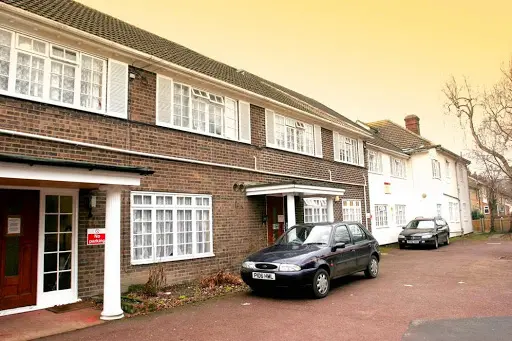
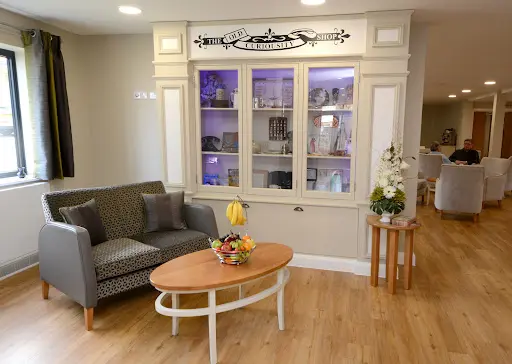
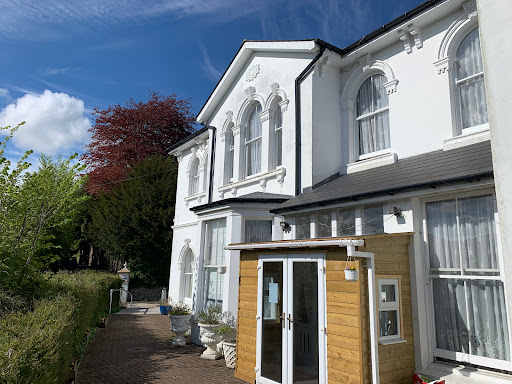
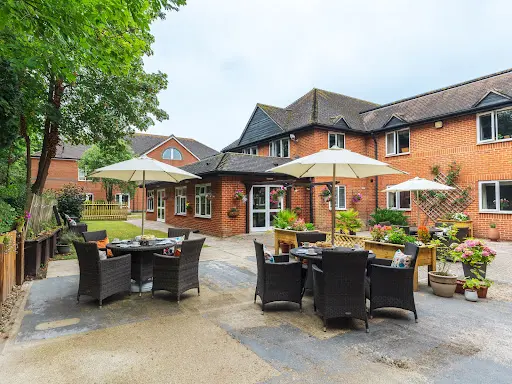
The kitchen turns out proper home-cooked meals that families mention appreciatively. While we've heard the home is kept clean, we should note that one concerning incident was reported involving someone who'd left the home behaving inappropriately towards visitors outside.
“It's worth visiting to see how the long-standing team works and to ask about their approach to resident safety and wellbeing.”
DCC does not edit or curate content in this tab. For independently curated information, see The Evidence and DCC Verdict.