Barchester – Lancaster Grange Care Home
At a Glance
The information you need to decide whether this home warrants a closer look.
Nursing homes
Staff warmth score
of reviewers answered yes
Good to know
- Registered beds60
- SpecialismsCaring for adults over 65 yrs, Caring for adults under 65 yrs, Dementia, Physical disabilities
- Last inspected2020-05-29
Save Barchester – Lancaster Grange Care Home to your shortlist
Keep a running list, add visit notes, and compare homes side-by-side. Free account — it takes a minute.
STAGE 4 — RESEARCHING CARE HOMES
Visit homes. Compare them side by side. Choose with confidence.
Most of us will view care homes the way we view houses, impression, atmosphere, the feeling in the corridor. We go home, try to remember what we saw, and make a permanent decision from a blurred memory.

The DCC shortlist gives every home you visit a structured record: the same twelve questions, answered the same way, every time. When you’re ready to choose, pull any two homes side by side and compare them directly. Same criteria, same evidence, your notes and your scores.
The Evidence
What the review data, the inspection reports, and the dementia-care evidence base tell us about this home.
What families say
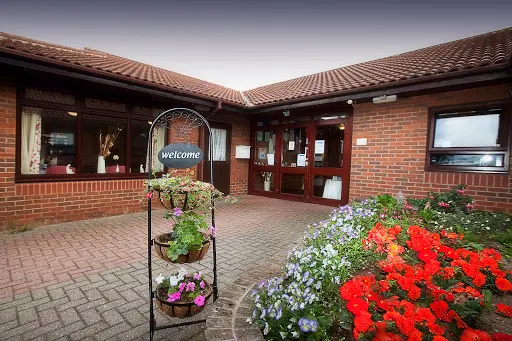
Families describe feeling genuinely welcomed here, not just during visiting hours but as part of the community. They're invited to share meals, join activities, and even stay overnight when needed. The atmosphere feels relaxed rather than clinical, with residents' own belongings and personal touches visible throughout.
The eight family priority themes
- Staff warmth75
- Compassion & dignity75
- Cleanliness70
- Activities & engagement60
- Food quality55
- Healthcare70
- Management & leadership45
- Resident happiness70
What inspectors found
Inspected 2020-05-29
Is this home safe?
Is the care effective?
Inspectors rated Effective as Good. This domain covers whether staff have the right training, whether care plans reflect individual needs, and whether the home ensures good healthcare access, including GP involvement and medicines management. Lancaster Grange holds a registered specialism for treatment of disease, disorder or injury, indicating nursing-level care is provided on site. The published summary does not include specific detail on dementia training content, care plan review frequency, or GP visiting arrangements.Is this home caring?
Inspectors rated Caring as Good. This is the domain most directly connected to what families tell us they care about most: whether staff are warm, whether your parent is treated with dignity, and whether they are supported to remain as independent as possible. A Good rating means inspectors observed or found evidence of respectful, person-centred interactions. The published summary does not include specific quotes from residents or relatives, or named examples of dignified care in practice.Is the home responsive?
Inspectors rated Responsive as Good. This domain covers whether the home tailors its care and activities to individual people, whether it responds to complaints and suggestions, and whether end-of-life care is planned and delivered well. A Good rating indicates inspectors found satisfactory evidence of individual responsiveness. The published summary does not include specific examples of activities, named descriptions of person-centred engagement, or confirmation of end-of-life planning processes.Is the home well-led?
Inspectors rated Well-led as Requires Improvement at the January 2022 inspection. This means inspectors were not satisfied that governance, oversight, and leadership were consistently effective. A named registered manager, Miss Jodie Rakhra, is recorded in the report, alongside a nominated individual, Mr Dominic Jude Kay, representing Barchester Healthcare Homes Limited, the operating organisation. The specific reasons for the Requires Improvement rating are not detailed in the published summary.
Source: CQC inspection report →
What the evidence base says
Lancaster Grange supports adults both over and under 65 with physical disabilities and dementia. They provide respite care alongside longer-term support. The home includes dedicated spaces for residents with dementia, including a Memory Lane lounge. Staff adapt activities and daily routines to work with each person's abilities and preferences. All areas worth probing directly during a visit.
The DCC Verdict
Our editorial view, built from the three lenses: what families tell us, what inspectors record, and how the home sits against good dementia-care practice.
DCC Family Score
Lancaster Grange scores well on the themes families care about most, particularly staff warmth and compassion, reflecting its Good ratings across four of five inspection domains. The score is held back by a Requires Improvement rating for Well-led, which means the governance and oversight that underpin consistent, safe care still need work.
Homes in East Midlands typically score 68–82.The three-lens summary
What families tell us
Families describe feeling genuinely welcomed here, not just during visiting hours but as part of the community. They're invited to share meals, join activities, and even stay overnight when needed. The atmosphere feels relaxed rather than clinical, with residents' own belongings and personal touches visible throughout.
What inspectors have recorded
Staff across all departments — from care teams to housekeeping — bring consistent warmth to their work. Families notice how they remember residents' preferences and adapt to individual needs. During difficult times, including end-of-life care, the team provides both practical and emotional support while maintaining a positive atmosphere.
How it sits against good practice
For families facing difficult decisions about dementia or disability care, Lancaster Grange offers a reassuring blend of professional support and genuine human connection.
Worth a visit
Lancaster Grange, on Cross Lane in Newark, was rated Good overall at its inspection in January 2022, published in February 2022. This followed a significant improvement from a previous rating of Inadequate, which means inspectors found the home had made real and substantive progress across safety, care quality, and responsiveness. Four of the five inspection domains, Safe, Effective, Caring, and Responsive, were all rated Good, which is a meaningful turnaround. The area to watch is Well-led, which was rated Requires Improvement at the time of this inspection. This means inspectors were not fully satisfied that the management systems, governance, and oversight were consistently working as they should. This does not mean your parent would be unsafe or unkindly treated, but it does mean you should look carefully at whether the progress made has continued. The inspection is now over three years old, so asking the home for its most recent quality report and any subsequent inspection updates is essential. On a visit, ask to meet the registered manager, ask how the home monitors incidents and what has changed since the inspection, and pay attention to whether staff seem confident, settled, and supported.
The three questions to ask when you visitSave this home. Compare it against your shortlist.
Let our analysis show you how Barchester – Lancaster Grange Care Home measures up against the other homes you’re considering. Free account.
In Their Own Words
How Barchester – Lancaster Grange Care Home describes itself — collected from its own website. DCC has not edited or independently verified the content in this tab.
Where dignity meets genuine warmth in Newark's dementia care
Dedicated nursing home Support in Newark
Families searching for respectful care in Newark often discover something special at Lancaster Grange. This East Midlands home has built its reputation on a simple principle: treating every resident as an individual, whether they're managing dementia, physical disabilities, or simply need support in later life. The result is a place where personal choice shapes daily life.
Who they care for
Lancaster Grange supports adults both over and under 65 with physical disabilities and dementia. They provide respite care alongside longer-term support.
The home includes dedicated spaces for residents with dementia, including a Memory Lane lounge. Staff adapt activities and daily routines to work with each person's abilities and preferences.
“For families facing difficult decisions about dementia or disability care, Lancaster Grange offers a reassuring blend of professional support and genuine human connection.”
DCC does not edit or curate content in this tab. For independently curated information, see The Evidence and DCC Verdict.
The DCC Verdict
Our editorial view, built from the three lenses: what families tell us, what inspectors record, and how the home sits against good dementia-care practice.
DCC Family Score
Lancaster Grange scores well on the themes families care about most, particularly staff warmth and compassion, reflecting its Good ratings across four of five inspection domains. The score is held back by a Requires Improvement rating for Well-led, which means the governance and oversight that underpin consistent, safe care still need work.
Homes in East Midlands typically score 68–82.The three-lens summary
What families tell us
Families describe feeling genuinely welcomed here, not just during visiting hours but as part of the community. They're invited to share meals, join activities, and even stay overnight when needed. The atmosphere feels relaxed rather than clinical, with residents' own belongings and personal touches visible throughout.
What inspectors have recorded
Staff across all departments — from care teams to housekeeping — bring consistent warmth to their work. Families notice how they remember residents' preferences and adapt to individual needs. During difficult times, including end-of-life care, the team provides both practical and emotional support while maintaining a positive atmosphere.
How it sits against good practice
For families facing difficult decisions about dementia or disability care, Lancaster Grange offers a reassuring blend of professional support and genuine human connection.
Worth a visit
Lancaster Grange, on Cross Lane in Newark, was rated Good overall at its inspection in January 2022, published in February 2022. This followed a significant improvement from a previous rating of Inadequate, which means inspectors found the home had made real and substantive progress across safety, care quality, and responsiveness. Four of the five inspection domains, Safe, Effective, Caring, and Responsive, were all rated Good, which is a meaningful turnaround. The area to watch is Well-led, which was rated Requires Improvement at the time of this inspection. This means inspectors were not fully satisfied that the management systems, governance, and oversight were consistently working as they should. This does not mean your parent would be unsafe or unkindly treated, but it does mean you should look carefully at whether the progress made has continued. The inspection is now over three years old, so asking the home for its most recent quality report and any subsequent inspection updates is essential. On a visit, ask to meet the registered manager, ask how the home monitors incidents and what has changed since the inspection, and pay attention to whether staff seem confident, settled, and supported.
The three questions to ask when you visitSave this home. Compare it against your shortlist.
Let our analysis show you how Barchester – Lancaster Grange Care Home measures up against the other homes you’re considering. Free account.
In Their Own Words
How Barchester – Lancaster Grange Care Home describes itself — collected from its own website. DCC has not edited or independently verified the content in this tab.
Where dignity meets genuine warmth in Newark's dementia care
Dedicated nursing home Support in Newark
Families searching for respectful care in Newark often discover something special at Lancaster Grange. This East Midlands home has built its reputation on a simple principle: treating every resident as an individual, whether they're managing dementia, physical disabilities, or simply need support in later life. The result is a place where personal choice shapes daily life.
Who they care for
Lancaster Grange supports adults both over and under 65 with physical disabilities and dementia. They provide respite care alongside longer-term support.
The home includes dedicated spaces for residents with dementia, including a Memory Lane lounge. Staff adapt activities and daily routines to work with each person's abilities and preferences.
Management & ethos
Staff across all departments — from care teams to housekeeping — bring consistent warmth to their work. Families notice how they remember residents' preferences and adapt to individual needs. During difficult times, including end-of-life care, the team provides both practical and emotional support while maintaining a positive atmosphere.
The home & environment
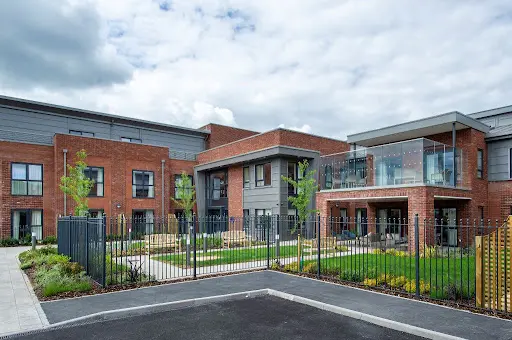
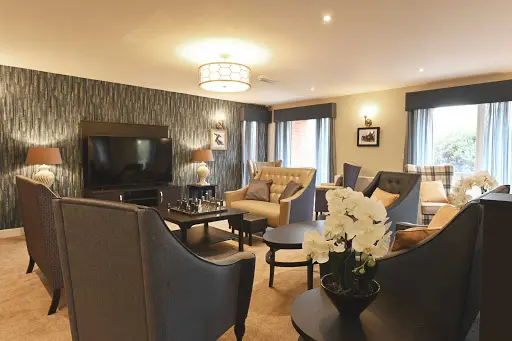
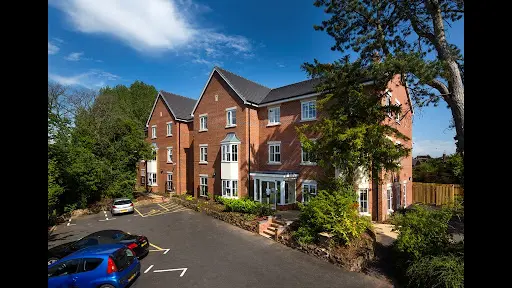
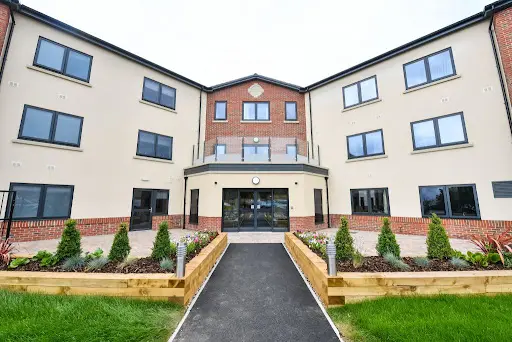
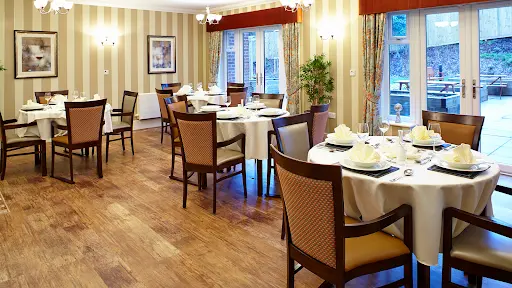
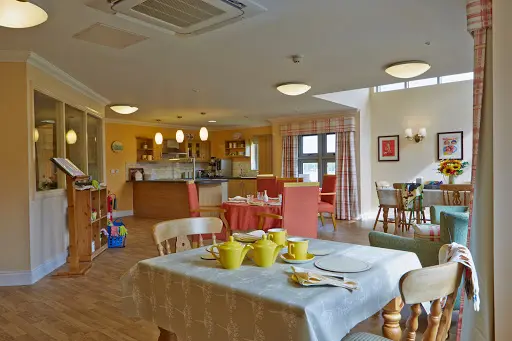
The food here gets particular praise from families, who mention both the quality and variety. Private rooms with ensuite facilities give residents their own space, while garden views and comfortable communal areas provide pleasant spots for socialising. The overall environment feels more residential than institutional.
“For families facing difficult decisions about dementia or disability care, Lancaster Grange offers a reassuring blend of professional support and genuine human connection.”
DCC does not edit or curate content in this tab. For independently curated information, see The Evidence and DCC Verdict.