Jubilee House Nursing Home – Saint Cecilia's Care Group

At a Glance
The information you need to decide whether this home warrants a closer look.
Nursing homes
Staff warmth score
of reviewers answered yes
Good to know
- Registered beds27
- SpecialismsCaring for adults over 65 yrs, Caring for adults under 65 yrs, Dementia, Physical disabilities, Sensory impairment
- Last inspected2022-06-16
Save Jubilee House Nursing Home – Saint Cecilia's Care Group to your shortlist
Keep a running list, add visit notes, and compare homes side-by-side. Free account — it takes a minute.
STAGE 4 — RESEARCHING CARE HOMES
Visit homes. Compare them side by side. Choose with confidence.
Most of us will view care homes the way we view houses, impression, atmosphere, the feeling in the corridor. We go home, try to remember what we saw, and make a permanent decision from a blurred memory.

The DCC shortlist gives every home you visit a structured record: the same twelve questions, answered the same way, every time. When you’re ready to choose, pull any two homes side by side and compare them directly. Same criteria, same evidence, your notes and your scores.
The Evidence
What the review data, the inspection reports, and the dementia-care evidence base tell us about this home.
What families say
The eight family priority themes
- Staff warmth35
- Compassion & dignity35
- Cleanliness40
- Activities & engagement35
- Food quality35
- Healthcare35
- Management & leadership30
- Resident happiness35
What inspectors found
Inspected 2022-06-16
Is this home safe?
Is the care effective?
The effective domain was not individually rated at the June 2022 inspection, and no full inspection text was available. This means there is no verified evidence about the quality of care planning, GP access, dementia-specific training, nutritional assessment, or how well the home understands and responds to each resident's individual health needs. The home lists dementia, physical disabilities, and sensory impairment as specialisms, which means inspectors would typically expect to see specific evidence of competence in these areas — but whether that evidence was found cannot be confirmed here.Is this home caring?
The caring domain was not individually rated at the June 2022 inspection, and no full inspection text was available to verify whether inspectors observed kind interactions, unhurried care, or respectful treatment of residents. There are no quotes from residents or relatives available from this inspection. The absence of this evidence does not mean care is poor — but it means families cannot rely on the inspection to answer the most important question: will the staff here be genuinely kind to my parent?Is the home responsive?
The responsive domain was not individually rated at the June 2022 inspection, and no full inspection text was available. This means there is no verified evidence about the activity programme, individual engagement for people who cannot join group activities, how the home responds to changing needs, or how end-of-life care is planned. The home cares for people with dementia, physical disabilities, and sensory impairment — a combination that requires a genuinely tailored rather than one-size-fits-all approach to daily life.Is the home well-led?
The well-led domain was not individually rated at the June 2022 inspection, and no full inspection text was available. Leadership quality is particularly important context here because the home's rating has declined from Good to Requires Improvement — a trajectory that Good Practice evidence associates with instability in management, reduced staff empowerment, or governance that has not kept pace with challenges. How long the current manager has been in post, and what has changed since the last inspection, are the most important questions families can ask.
Source: CQC inspection report →
What the evidence base says
The home provides specialised support for residents with sensory impairments and physical disabilities, alongside dedicated dementia care. They welcome both younger adults under 65 and older residents, ensuring each person receives care tailored to their specific needs. For residents living with dementia, Jubilee House provides specialised care within their recently renovated environment. The team understands the importance of creating familiar, comfortable spaces that help residents feel secure and supported. All areas worth probing directly during a visit.
The DCC Verdict
Our editorial view, built from the three lenses: what families tell us, what inspectors record, and how the home sits against good dementia-care practice.
DCC Family Score
A Requires Improvement rating — having declined from Good — combined with the absence of any verified domain-level detail means this home cannot be scored with confidence; all themes reflect that uncertainty rather than confirmed poor practice, but the downward trend is a genuine concern that families should take seriously.
Homes in Yorkshire & Humberside typically score 68–82.Worth a visit
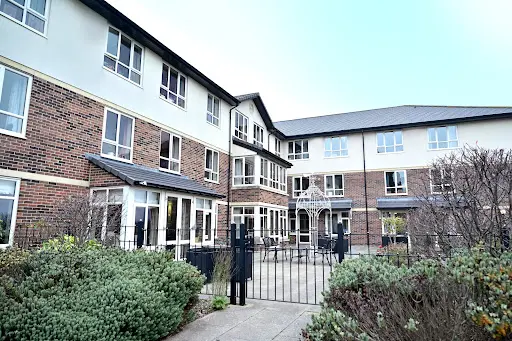
This home, located in Whitby on the North Yorkshire coast, was last inspected in June 2022 and holds a current overall rating of Requires Improvement — a decline from its previous Good rating. Importantly, none of the five inspection domains (safe, effective, caring, responsive, or well-led) received an individual rating at that inspection, which means the full inspection text was either a focused inspection or the domain detail was not published in a form that could be verified here. That absence of granular evidence means it is not possible to point to specific strengths or confirmed concerns beyond the headline rating itself. The combination of a Requires Improvement rating and a downward trend from Good is the key signal for families. It does not mean the home is unsafe or unkind — but it does mean that something prompted inspectors to find that standards were not being consistently met. Before placing your mum or dad here, you should visit in person, ideally unannounced or at a different time of day from your scheduled tour. Ask specifically: what issues were identified at the last inspection and what has changed since? Request to see the action plan the home produced in response. Ask how long the current manager has been in post, what the staff turnover has been in the past year, and how many agency staff are typically on shift. Given that the home lists dementia as a specialism, ask directly what dementia-specific training staff have completed and how the environment has been adapted for people living with dementia.
The three questions to ask when you visitSave this home. Compare it against your shortlist.
Let our analysis show you how Jubilee House Nursing Home – Saint Cecilia's Care Group measures up against the other homes you’re considering. Free account.
In Their Own Words
How Jubilee House Nursing Home – Saint Cecilia's Care Group describes itself — collected from its own website. DCC has not edited or independently verified the content in this tab.
Recently refreshed Whitby care home with compassionate nursing team
Compassionate Care in Whitby at Jubilee House
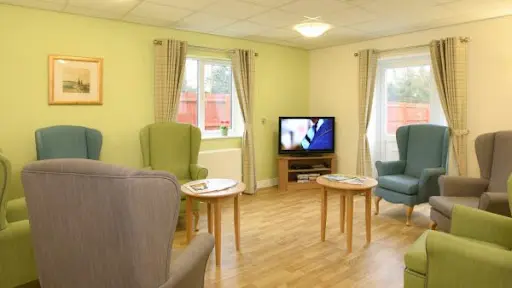
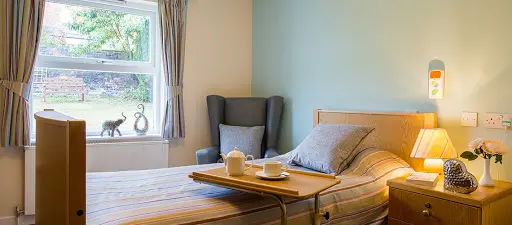
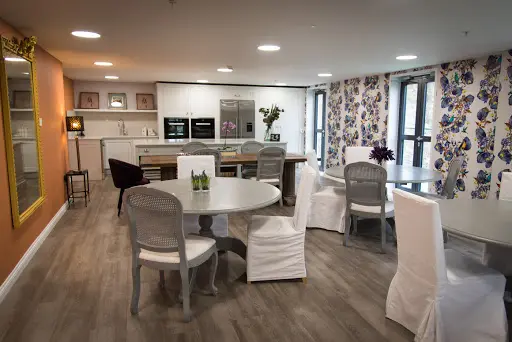
Jubilee House in Whitby has recently undergone significant renovations, creating a fresh and welcoming environment for residents. The care home specialises in supporting people with sensory impairments, physical disabilities and dementia, caring for adults both under and over 65. With its coastal location and newly refreshed spaces, it offers specialised care in a comfortable Yorkshire setting.
Who they care for
The home provides specialised support for residents with sensory impairments and physical disabilities, alongside dedicated dementia care. They welcome both younger adults under 65 and older residents, ensuring each person receives care tailored to their specific needs.
For residents living with dementia, Jubilee House provides specialised care within their recently renovated environment. The team understands the importance of creating familiar, comfortable spaces that help residents feel secure and supported.
“If you're looking for specialised care in the Whitby area, visiting Jubilee House could help you get a feel for their newly refreshed spaces and approach to care.”
DCC does not edit or curate content in this tab. For independently curated information, see The Evidence and DCC Verdict.
The DCC Verdict
Our editorial view, built from the three lenses: what families tell us, what inspectors record, and how the home sits against good dementia-care practice.
DCC Family Score
A Requires Improvement rating — having declined from Good — combined with the absence of any verified domain-level detail means this home cannot be scored with confidence; all themes reflect that uncertainty rather than confirmed poor practice, but the downward trend is a genuine concern that families should take seriously.
Homes in Yorkshire & Humberside typically score 68–82.Worth a visit
This home, located in Whitby on the North Yorkshire coast, was last inspected in June 2022 and holds a current overall rating of Requires Improvement — a decline from its previous Good rating. Importantly, none of the five inspection domains (safe, effective, caring, responsive, or well-led) received an individual rating at that inspection, which means the full inspection text was either a focused inspection or the domain detail was not published in a form that could be verified here. That absence of granular evidence means it is not possible to point to specific strengths or confirmed concerns beyond the headline rating itself. The combination of a Requires Improvement rating and a downward trend from Good is the key signal for families. It does not mean the home is unsafe or unkind — but it does mean that something prompted inspectors to find that standards were not being consistently met. Before placing your mum or dad here, you should visit in person, ideally unannounced or at a different time of day from your scheduled tour. Ask specifically: what issues were identified at the last inspection and what has changed since? Request to see the action plan the home produced in response. Ask how long the current manager has been in post, what the staff turnover has been in the past year, and how many agency staff are typically on shift. Given that the home lists dementia as a specialism, ask directly what dementia-specific training staff have completed and how the environment has been adapted for people living with dementia.
The three questions to ask when you visitSave this home. Compare it against your shortlist.
Let our analysis show you how Jubilee House Nursing Home – Saint Cecilia's Care Group measures up against the other homes you’re considering. Free account.
In Their Own Words
How Jubilee House Nursing Home – Saint Cecilia's Care Group describes itself — collected from its own website. DCC has not edited or independently verified the content in this tab.
Recently refreshed Whitby care home with compassionate nursing team
Compassionate Care in Whitby at Jubilee House
Jubilee House in Whitby has recently undergone significant renovations, creating a fresh and welcoming environment for residents. The care home specialises in supporting people with sensory impairments, physical disabilities and dementia, caring for adults both under and over 65. With its coastal location and newly refreshed spaces, it offers specialised care in a comfortable Yorkshire setting.
Who they care for
The home provides specialised support for residents with sensory impairments and physical disabilities, alongside dedicated dementia care. They welcome both younger adults under 65 and older residents, ensuring each person receives care tailored to their specific needs.
For residents living with dementia, Jubilee House provides specialised care within their recently renovated environment. The team understands the importance of creating familiar, comfortable spaces that help residents feel secure and supported.
“If you're looking for specialised care in the Whitby area, visiting Jubilee House could help you get a feel for their newly refreshed spaces and approach to care.”
DCC does not edit or curate content in this tab. For independently curated information, see The Evidence and DCC Verdict.