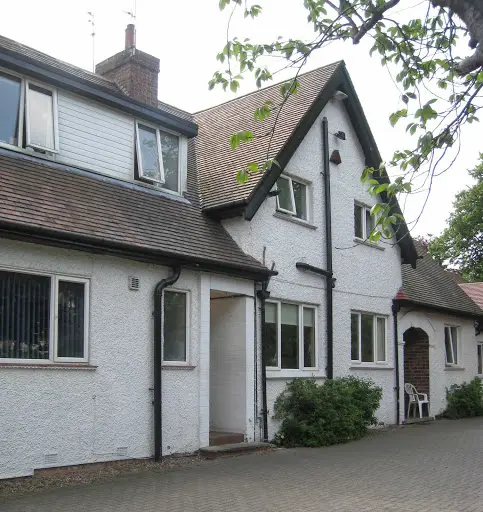
Jubilee Court Care Home | Runwood Homes Senior Living

At a Glance
The information you need to decide whether this home warrants a closer look.
Nursing homes
Staff warmth score
of reviewers answered yes
Good to know
- Registered beds75
- SpecialismsCaring for adults over 65 yrs, Caring for adults under 65 yrs, Dementia, Physical disabilities, Sensory impairment
- Last inspected2023-04-18
Save Jubilee Court Care Home | Runwood Homes Senior Living to your shortlist
Keep a running list, add visit notes, and compare homes side-by-side. Free account — it takes a minute.
STAGE 4 — RESEARCHING CARE HOMES
Visit homes. Compare them side by side. Choose with confidence.
Most of us will view care homes the way we view houses, impression, atmosphere, the feeling in the corridor. We go home, try to remember what we saw, and make a permanent decision from a blurred memory.

The DCC shortlist gives every home you visit a structured record: the same twelve questions, answered the same way, every time. When you’re ready to choose, pull any two homes side by side and compare them directly. Same criteria, same evidence, your notes and your scores.
The Evidence
What the review data, the inspection reports, and the dementia-care evidence base tell us about this home.
What families say
The home runs a programme of daily activities designed to keep residents connected to ordinary life. Families talk about seeing their relatives join in with trips out, entertainment, and creative sessions that match different abilities and interests. Staff work to ensure activities remain accessible for everyone, adapting them to suit residents who might struggle with mobility or cognitive challenges.
The eight family priority themes
- Staff warmth72
- Compassion & dignity72
- Cleanliness70
- Activities & engagement65
- Food quality65
- Healthcare70
- Management & leadership75
- Resident happiness68
What inspectors found
Inspected 2023-04-18
Is this home safe?
Is the care effective?
Jubilee Court received a Good rating for Effective at its September 2025 inspection. This domain covers how well staff know and respond to each person's health needs, including care planning, dementia training, nutrition and hydration, and access to GPs and other healthcare professionals. Dementia is listed as a specialism, which means the home is expected to have relevant training and environmental adaptations in place. The published summary does not reproduce specific detail about how care plans are written or reviewed, what dementia training staff have completed, or how food and drink quality is monitored.Is this home caring?
Jubilee Court received a Good rating for Caring at its September 2025 inspection. This domain is the one most directly connected to how staff treat your parent day to day, covering warmth, dignity, respect, privacy, and whether people's independence is supported or inadvertently undermined. A Good rating here means inspectors were satisfied that these qualities were present. The published summary does not include direct quotes from residents or relatives, and no specific observational moments (such as staff using preferred names, knocking before entering rooms, or responding to distress) are reproduced in the available text.Is the home responsive?
Jubilee Court received a Good rating for Responsive at its September 2025 inspection. This domain covers whether the home treats people as individuals, whether activities are meaningful and varied, how complaints are handled, and whether end-of-life care is planned and respectful. The home supports people with dementia, physical disabilities, and sensory impairment, all of whom have significantly different engagement needs. The published summary does not include specific information about the activity programme, individual engagement for people who cannot join group sessions, or how complaints are recorded and responded to.Is the home well-led?
Jubilee Court received a Good rating for Well-led at its September 2025 inspection. The home is run by Runwood Homes Limited, with Miss Heather May Limb as registered manager and Dr Gavin O'Hare-Connolly as nominated individual. A clear, named leadership structure is in place. The improvement from Requires Improvement to Good across all domains indicates that the leadership team identified previous shortfalls and implemented changes that satisfied inspectors. The published summary does not include specific detail about how long the current manager has been in post, how staff are supported and empowered, or how the home monitors quality between inspections.
Source: CQC inspection report →
What the evidence base says
The home cares for younger adults under 65 as well as older residents, supporting people with dementia, physical disabilities and sensory impairments. This mix means staff need to adapt their approach for quite different care needs. For residents with dementia, the structured activity programme aims to maintain engagement and social connections. Staff adapt activities to work for people at different stages of dementia, though families should ask specific questions about overnight supervision and how the home ensures residents' safety. All areas worth probing directly during a visit.
The DCC Verdict
Our editorial view, built from the three lenses: what families tell us, what inspectors record, and how the home sits against good dementia-care practice.
DCC Family Score
Jubilee Court scores 73 out of 100, reflecting a genuine and encouraging improvement from its previous Requires Improvement rating to a Good rating across all five domains. The score sits in the positive but cautious range because the published inspection report contains very little specific observational detail, meaning many areas cannot be independently verified beyond the headline rating.
Homes in East Midlands typically score 68–82.The three-lens summary
What families tell us
The home runs a programme of daily activities designed to keep residents connected to ordinary life. Families talk about seeing their relatives join in with trips out, entertainment, and creative sessions that match different abilities and interests. Staff work to ensure activities remain accessible for everyone, adapting them to suit residents who might struggle with mobility or cognitive challenges.
What inspectors have recorded
Several families have expressed serious concerns about supervision and how the home responds to problems. While some describe staff who keep them informed about care decisions and health changes, others report difficulties getting management to address safety worries, particularly around fall prevention and overnight monitoring. These contrasting experiences suggest visiting at different times might help you gauge the consistency of care.
How it sits against good practice
Taking time to visit during different shifts and asking detailed questions about supervision procedures will help you understand whether this home can provide the right balance of engagement and safety for your family member.
Worth a visit
Jubilee Court, on Nabbs Lane in Nottingham, was rated Good at its most recent inspection in September 2025, with the report published in January 2026. This is a meaningful step forward from its previous Requires Improvement rating, and inspectors found the home to be Good across all five domains including safe, effective, caring, responsive, and well-led. The home is registered for 75 beds and supports people with dementia, physical disabilities, and sensory impairment, as well as adults both over and under 65. A named registered manager and a nominated individual are identified, which suggests a stable leadership structure. The main uncertainty here is that the published inspection summary contains very limited specific detail. There are no direct quotes from residents or relatives, no recorded inspector observations about daily life, and no specifics about staffing ratios, activity programmes, food quality, or night-time arrangements. A Good rating is genuinely reassuring after a previous shortfall, but it does not answer the questions that matter most to you as a family. When you visit, ask to see last week's actual staffing rota (not a template) and count the permanent versus agency names on night shifts. Ask the manager what specifically changed since the previous inspection and how they know it has stayed improved.
The three questions to ask when you visitSave this home. Compare it against your shortlist.
Let our analysis show you how Jubilee Court Care Home | Runwood Homes Senior Living measures up against the other homes you’re considering. Free account.
In Their Own Words
How Jubilee Court Care Home | Runwood Homes Senior Living describes itself — collected from its own website. DCC has not edited or independently verified the content in this tab.
Where daily activities bring purpose and connection to care
Dedicated nursing home Support in Nottingham
Families considering Jubilee Court in Nottingham often ask about the balance between keeping residents engaged and ensuring their safety. This care home supports people with varying needs including dementia and physical disabilities, offering structured activities alongside personal care. While many families describe seeing their relatives settled and content, some have raised concerns about oversight and communication that deserve careful consideration.
Who they care for
The home cares for younger adults under 65 as well as older residents, supporting people with dementia, physical disabilities and sensory impairments. This mix means staff need to adapt their approach for quite different care needs.
For residents with dementia, the structured activity programme aims to maintain engagement and social connections. Staff adapt activities to work for people at different stages of dementia, though families should ask specific questions about overnight supervision and how the home ensures residents' safety.
“Taking time to visit during different shifts and asking detailed questions about supervision procedures will help you understand whether this home can provide the right balance of engagement and safety for your family member.”
DCC does not edit or curate content in this tab. For independently curated information, see The Evidence and DCC Verdict.
The DCC Verdict
Our editorial view, built from the three lenses: what families tell us, what inspectors record, and how the home sits against good dementia-care practice.
DCC Family Score
Jubilee Court scores 73 out of 100, reflecting a genuine and encouraging improvement from its previous Requires Improvement rating to a Good rating across all five domains. The score sits in the positive but cautious range because the published inspection report contains very little specific observational detail, meaning many areas cannot be independently verified beyond the headline rating.
Homes in East Midlands typically score 68–82.The three-lens summary
What families tell us
The home runs a programme of daily activities designed to keep residents connected to ordinary life. Families talk about seeing their relatives join in with trips out, entertainment, and creative sessions that match different abilities and interests. Staff work to ensure activities remain accessible for everyone, adapting them to suit residents who might struggle with mobility or cognitive challenges.
What inspectors have recorded
Several families have expressed serious concerns about supervision and how the home responds to problems. While some describe staff who keep them informed about care decisions and health changes, others report difficulties getting management to address safety worries, particularly around fall prevention and overnight monitoring. These contrasting experiences suggest visiting at different times might help you gauge the consistency of care.
How it sits against good practice
Taking time to visit during different shifts and asking detailed questions about supervision procedures will help you understand whether this home can provide the right balance of engagement and safety for your family member.
Worth a visit
Jubilee Court, on Nabbs Lane in Nottingham, was rated Good at its most recent inspection in September 2025, with the report published in January 2026. This is a meaningful step forward from its previous Requires Improvement rating, and inspectors found the home to be Good across all five domains including safe, effective, caring, responsive, and well-led. The home is registered for 75 beds and supports people with dementia, physical disabilities, and sensory impairment, as well as adults both over and under 65. A named registered manager and a nominated individual are identified, which suggests a stable leadership structure. The main uncertainty here is that the published inspection summary contains very limited specific detail. There are no direct quotes from residents or relatives, no recorded inspector observations about daily life, and no specifics about staffing ratios, activity programmes, food quality, or night-time arrangements. A Good rating is genuinely reassuring after a previous shortfall, but it does not answer the questions that matter most to you as a family. When you visit, ask to see last week's actual staffing rota (not a template) and count the permanent versus agency names on night shifts. Ask the manager what specifically changed since the previous inspection and how they know it has stayed improved.
The three questions to ask when you visitSave this home. Compare it against your shortlist.
Let our analysis show you how Jubilee Court Care Home | Runwood Homes Senior Living measures up against the other homes you’re considering. Free account.
In Their Own Words
How Jubilee Court Care Home | Runwood Homes Senior Living describes itself — collected from its own website. DCC has not edited or independently verified the content in this tab.
Where daily activities bring purpose and connection to care
Dedicated nursing home Support in Nottingham
Families considering Jubilee Court in Nottingham often ask about the balance between keeping residents engaged and ensuring their safety. This care home supports people with varying needs including dementia and physical disabilities, offering structured activities alongside personal care. While many families describe seeing their relatives settled and content, some have raised concerns about oversight and communication that deserve careful consideration.
Who they care for
The home cares for younger adults under 65 as well as older residents, supporting people with dementia, physical disabilities and sensory impairments. This mix means staff need to adapt their approach for quite different care needs.
For residents with dementia, the structured activity programme aims to maintain engagement and social connections. Staff adapt activities to work for people at different stages of dementia, though families should ask specific questions about overnight supervision and how the home ensures residents' safety.
Management & ethos
Several families have expressed serious concerns about supervision and how the home responds to problems. While some describe staff who keep them informed about care decisions and health changes, others report difficulties getting management to address safety worries, particularly around fall prevention and overnight monitoring. These contrasting experiences suggest visiting at different times might help you gauge the consistency of care.
“Taking time to visit during different shifts and asking detailed questions about supervision procedures will help you understand whether this home can provide the right balance of engagement and safety for your family member.”
DCC does not edit or curate content in this tab. For independently curated information, see The Evidence and DCC Verdict.