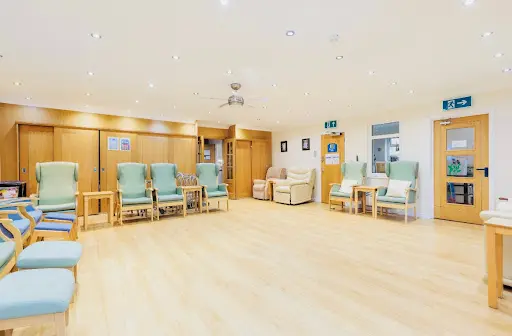
The Huntington & Langham Estate – Dementia and Residential Care

At a Glance
The information you need to decide whether this home warrants a closer look.
Nursing homes, Rehabilitation (illness/injury)
Staff warmth score
of reviewers answered yes
Good to know
- Registered beds39
- SpecialismsCaring for adults over 65 yrs, Caring for adults under 65 yrs, Dementia
- Last inspected2018-06-06
Save The Huntington & Langham Estate – Dementia and Residential Care to your shortlist
Keep a running list, add visit notes, and compare homes side-by-side. Free account — it takes a minute.
STAGE 4 — RESEARCHING CARE HOMES
Visit homes. Compare them side by side. Choose with confidence.
Most of us will view care homes the way we view houses, impression, atmosphere, the feeling in the corridor. We go home, try to remember what we saw, and make a permanent decision from a blurred memory.

The DCC shortlist gives every home you visit a structured record: the same twelve questions, answered the same way, every time. When you’re ready to choose, pull any two homes side by side and compare them directly. Same criteria, same evidence, your notes and your scores.
The Evidence
What the review data, the inspection reports, and the dementia-care evidence base tell us about this home.
What families say
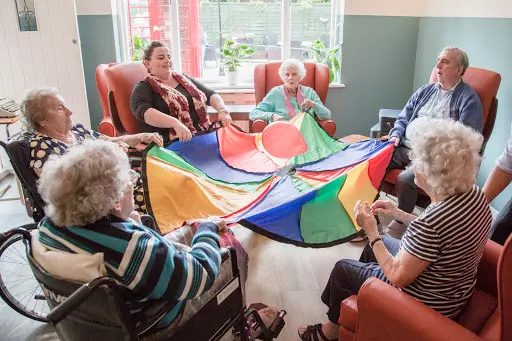
Families describe finding something different here — a place where their loved ones aren't just cared for but genuinely included in daily life. There's a particular understanding of how to support younger adults who need care, recognizing that their needs and interests differ from older residents. The approach to dementia care stands out too, with residents feeling valued as individuals rather than defined by their condition.
The eight family priority themes
- Staff warmth72
- Compassion & dignity72
- Cleanliness70
- Activities & engagement65
- Food quality65
- Healthcare70
- Management & leadership74
- Resident happiness68
What inspectors found
Inspected 2018-06-06
Is this home safe?
Is the care effective?
The home was rated Good for effectiveness at the March 2021 inspection, up from Requires Improvement. The home is registered as a specialist in dementia care and also provides nursing and rehabilitation care, which implies a clinical team capable of managing complex health needs. No specific evidence about care plan quality, GP access frequency, dementia training content, or nutritional monitoring is contained in the published text.Is this home caring?
The home was rated Good for caring at the March 2021 inspection, having moved up from Requires Improvement. A Good rating in this domain indicates that inspectors were satisfied that residents were treated with kindness and respect. No specific observations of staff interactions, no recorded quotes from residents or relatives, and no detail about dignity practices or independence support appear in the published report text.Is the home responsive?
The home was rated Good for responsiveness at the March 2021 inspection, previously Requires Improvement. This domain covers whether care is tailored to individual needs, whether activities are meaningful, and whether complaints are handled well. The published text contains no specific information about the activity programme, individual care planning, or how the home responds to changing needs or concerns.Is the home well-led?
The home was rated Good for leadership at the March 2021 inspection, up from Requires Improvement. A named registered manager is recorded in the inspection documentation. A monitoring review in July 2023 confirmed no change to the rating was warranted. No specific detail about the manager's tenure, staff culture, governance processes, or family communication practices is contained in the published report text.
Source: CQC inspection report →
What the evidence base says
The home provides residential care for adults both under and over 65, with particular expertise in dementia support. They're equipped to handle complex care needs that might arise from brain injury or other conditions affecting younger adults. The dementia care here goes beyond basic support — it's about maintaining each person's sense of self and purpose. Families speak of seeing their loved ones actively engaged in life at the home, not just existing but participating in ways that feel meaningful. All areas worth probing directly during a visit.
The DCC Verdict
Our editorial view, built from the three lenses: what families tell us, what inspectors record, and how the home sits against good dementia-care practice.
DCC Family Score
Huntington House has improved from Requires Improvement to Good across all five inspection domains, which is a meaningful step forward. However, the published inspection text contains very limited specific detail, so scores reflect confirmed ratings rather than rich observational evidence.
Homes in South East typically score 68–82.The three-lens summary
What families tell us
Families describe finding something different here — a place where their loved ones aren't just cared for but genuinely included in daily life. There's a particular understanding of how to support younger adults who need care, recognizing that their needs and interests differ from older residents. The approach to dementia care stands out too, with residents feeling valued as individuals rather than defined by their condition.
What inspectors have recorded
The family who've run the home for generations bring a personal touch that families notice immediately. Staff are consistently described as approachable and genuinely engaged — the kind of people who take time to understand each resident's individual needs and preferences. This continuity of ownership seems to create a stable, values-driven environment.
How it sits against good practice
If you're wrestling with finding the right place for someone who doesn't fit the typical care home mold, Huntington House might offer the understanding and approach you're looking for.
Worth a visit
Huntington House in Hindhead was rated Good across all five inspection domains at its most recent published inspection in March 2021, having previously been rated Requires Improvement. That improvement across every domain is a genuinely positive sign. A monitoring review carried out in July 2023 found no evidence to change the rating. The home is registered for nursing care, rehabilitation, and dementia, and has a named registered manager in post. The main limitation here is that the published inspection text contains very little specific detail about what daily life actually looks like for your parent. There are no recorded observations of staff interactions, no quotes from residents or families, and no specifics on staffing ratios, activities, or food. An improved rating matters, but it is not a substitute for what you can see with your own eyes. Visit at a meal time if you can, ask to see last week's actual staffing rota (not just the template), and ask the manager directly how many permanent staff work overnight on any unit where your parent would live.
The three questions to ask when you visitSave this home. Compare it against your shortlist.
Let our analysis show you how The Huntington & Langham Estate – Dementia and Residential Care measures up against the other homes you’re considering. Free account.
In Their Own Words
How The Huntington & Langham Estate – Dementia and Residential Care describes itself — collected from its own website. DCC has not edited or independently verified the content in this tab.
Where younger residents and those with dementia find dignity and purpose
Nursing home,rehabilitation (illness/injury) in Hindhead: True Peace of Mind
Some care decisions feel impossible when you're looking for the right place for someone who isn't quite at the typical care home age, or when dementia has changed everything familiar. Huntington House in Hindhead understands these particular challenges. This family-run home has built its reputation on creating a place where people with complex needs — whether from brain injury, early-onset conditions, or dementia — can live with real dignity and engagement.
Who they care for
The home provides residential care for adults both under and over 65, with particular expertise in dementia support. They're equipped to handle complex care needs that might arise from brain injury or other conditions affecting younger adults.
The dementia care here goes beyond basic support — it's about maintaining each person's sense of self and purpose. Families speak of seeing their loved ones actively engaged in life at the home, not just existing but participating in ways that feel meaningful.
“If you're wrestling with finding the right place for someone who doesn't fit the typical care home mold, Huntington House might offer the understanding and approach you're looking for.”
DCC does not edit or curate content in this tab. For independently curated information, see The Evidence and DCC Verdict.
The DCC Verdict
Our editorial view, built from the three lenses: what families tell us, what inspectors record, and how the home sits against good dementia-care practice.
DCC Family Score
Huntington House has improved from Requires Improvement to Good across all five inspection domains, which is a meaningful step forward. However, the published inspection text contains very limited specific detail, so scores reflect confirmed ratings rather than rich observational evidence.
Homes in South East typically score 68–82.The three-lens summary
What families tell us
Families describe finding something different here — a place where their loved ones aren't just cared for but genuinely included in daily life. There's a particular understanding of how to support younger adults who need care, recognizing that their needs and interests differ from older residents. The approach to dementia care stands out too, with residents feeling valued as individuals rather than defined by their condition.
What inspectors have recorded
The family who've run the home for generations bring a personal touch that families notice immediately. Staff are consistently described as approachable and genuinely engaged — the kind of people who take time to understand each resident's individual needs and preferences. This continuity of ownership seems to create a stable, values-driven environment.
How it sits against good practice
If you're wrestling with finding the right place for someone who doesn't fit the typical care home mold, Huntington House might offer the understanding and approach you're looking for.
Worth a visit
Huntington House in Hindhead was rated Good across all five inspection domains at its most recent published inspection in March 2021, having previously been rated Requires Improvement. That improvement across every domain is a genuinely positive sign. A monitoring review carried out in July 2023 found no evidence to change the rating. The home is registered for nursing care, rehabilitation, and dementia, and has a named registered manager in post. The main limitation here is that the published inspection text contains very little specific detail about what daily life actually looks like for your parent. There are no recorded observations of staff interactions, no quotes from residents or families, and no specifics on staffing ratios, activities, or food. An improved rating matters, but it is not a substitute for what you can see with your own eyes. Visit at a meal time if you can, ask to see last week's actual staffing rota (not just the template), and ask the manager directly how many permanent staff work overnight on any unit where your parent would live.
The three questions to ask when you visitSave this home. Compare it against your shortlist.
Let our analysis show you how The Huntington & Langham Estate – Dementia and Residential Care measures up against the other homes you’re considering. Free account.
In Their Own Words
How The Huntington & Langham Estate – Dementia and Residential Care describes itself — collected from its own website. DCC has not edited or independently verified the content in this tab.
Where younger residents and those with dementia find dignity and purpose
Nursing home,rehabilitation (illness/injury) in Hindhead: True Peace of Mind
Some care decisions feel impossible when you're looking for the right place for someone who isn't quite at the typical care home age, or when dementia has changed everything familiar. Huntington House in Hindhead understands these particular challenges. This family-run home has built its reputation on creating a place where people with complex needs — whether from brain injury, early-onset conditions, or dementia — can live with real dignity and engagement.
Who they care for
The home provides residential care for adults both under and over 65, with particular expertise in dementia support. They're equipped to handle complex care needs that might arise from brain injury or other conditions affecting younger adults.
The dementia care here goes beyond basic support — it's about maintaining each person's sense of self and purpose. Families speak of seeing their loved ones actively engaged in life at the home, not just existing but participating in ways that feel meaningful.
Management & ethos
The family who've run the home for generations bring a personal touch that families notice immediately. Staff are consistently described as approachable and genuinely engaged — the kind of people who take time to understand each resident's individual needs and preferences. This continuity of ownership seems to create a stable, values-driven environment.
The home & environment
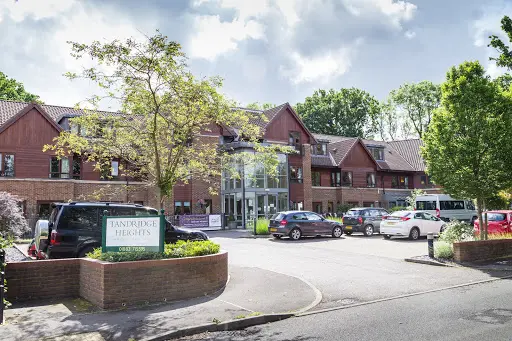
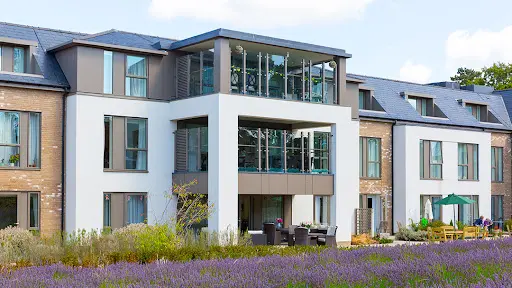
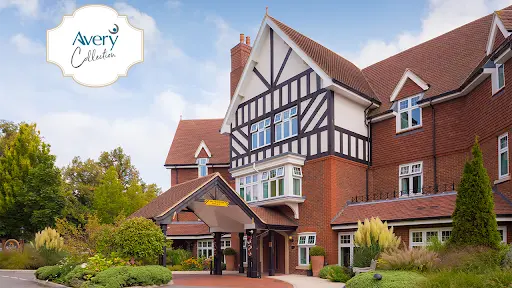
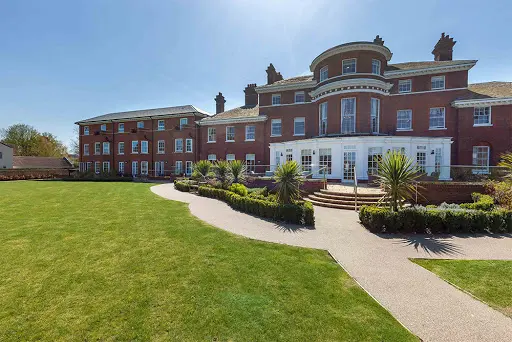
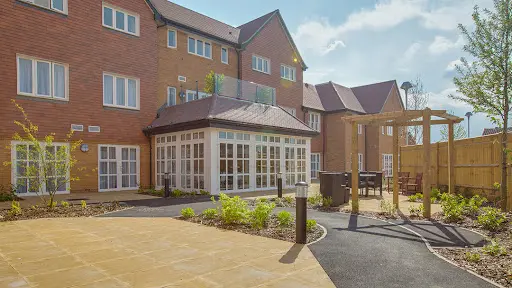
The grounds at Huntington House give residents real freedom to spend time outdoors, something families mention as particularly beneficial for those who feel confined in typical care settings. Whether it's a supervised wander through the gardens or simply sitting outside, the space provides options that many residents clearly appreciate.
“If you're wrestling with finding the right place for someone who doesn't fit the typical care home mold, Huntington House might offer the understanding and approach you're looking for.”
DCC does not edit or curate content in this tab. For independently curated information, see The Evidence and DCC Verdict.