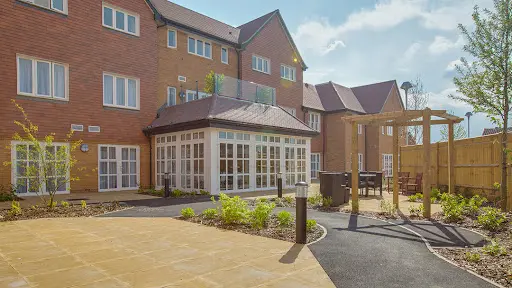
Shannon Court

At a Glance
The information you need to decide whether this home warrants a closer look.
Residential homes
Staff warmth score
of reviewers answered yes
Good to know
- Registered beds53
- SpecialismsCaring for adults over 65 yrs, Caring for adults under 65 yrs, Dementia, Learning disabilities
- Last inspected2022-05-14
Save Shannon Court to your shortlist
Keep a running list, add visit notes, and compare homes side-by-side. Free account — it takes a minute.
STAGE 4 — RESEARCHING CARE HOMES
Visit homes. Compare them side by side. Choose with confidence.
Most of us will view care homes the way we view houses, impression, atmosphere, the feeling in the corridor. We go home, try to remember what we saw, and make a permanent decision from a blurred memory.

The DCC shortlist gives every home you visit a structured record: the same twelve questions, answered the same way, every time. When you’re ready to choose, pull any two homes side by side and compare them directly. Same criteria, same evidence, your notes and your scores.
The Evidence
What the review data, the inspection reports, and the dementia-care evidence base tell us about this home.
What families say
Families describe a genuine warmth here that goes beyond professional courtesy. Staff take time to chat with visitors, remember the small details that matter to residents, and create an atmosphere where people feel comfortable dropping by. The team's approach to dementia care particularly stands out — they're attentive to residents in late-stage disease while maintaining their dignity and safety.
The eight family priority themes
- Staff warmth72
- Compassion & dignity72
- Cleanliness70
- Activities & engagement65
- Food quality65
- Healthcare70
- Management & leadership72
- Resident happiness70
What inspectors found
Inspected 2022-05-14
Is this home safe?
Is the care effective?
Shannon Court was rated Good for Effective at the September 2024 assessment. The published report does not include specific findings about care plan quality, GP access, dementia training content, or food provision. The home holds specialist registrations for dementia and learning disabilities, which indicates a level of regulatory recognition, but no detail about how this expertise is demonstrated in practice is available in the published findings.Is this home caring?
Shannon Court received a Good rating for Caring at the September 2024 assessment. No inspector observations, resident quotes, or family testimony appear in the published report to illustrate what caring practice looks like day to day. The rating indicates that inspectors were satisfied with what they found, but the evidence base for this cannot be examined through the published document alone.Is the home responsive?
Shannon Court was rated Good for Responsive at the September 2024 assessment. The published report includes no specific detail about the activity programme, how individual needs are accommodated, or how the home responds to complaints or feedback. The home's specialist registrations cover dementia and learning disabilities, which implies a commitment to individualised care, but the evidence for this in practice is not available in the published findings.Is the home well-led?
Shannon Court was rated Good for Well-led at the September 2024 assessment, recovering from a previous Requires Improvement rating. The nominated individual is named as Mr Russell Evans. The published report does not detail the manager's tenure, the governance systems in place, how staff are supported to raise concerns, or how the home uses feedback from residents and families to improve. The recovery from a lower rating suggests meaningful leadership improvement, but the mechanism is not documented in the available published findings.
Source: CQC inspection report →
What the evidence base says
Shannon Court cares for adults both under and over 65, with particular experience in dementia and learning disabilities. The team shows particular skill in supporting people through advanced dementia. Families report feeling confident that their relatives are safe and treated with dignity, even when the disease has progressed significantly. All areas worth probing directly during a visit.
The DCC Verdict
Our editorial view, built from the three lenses: what families tell us, what inspectors record, and how the home sits against good dementia-care practice.
DCC Family Score
The overall score of 72 reflects a home that has recovered from a Requires Improvement rating to Good across all five domains at its most recent assessment, but where the published inspection report contains very limited specific detail, so many scores rest on general positive findings rather than direct observations or resident testimony.
Homes in South East typically score 68–82.The three-lens summary
What families tell us
Families describe a genuine warmth here that goes beyond professional courtesy. Staff take time to chat with visitors, remember the small details that matter to residents, and create an atmosphere where people feel comfortable dropping by. The team's approach to dementia care particularly stands out — they're attentive to residents in late-stage disease while maintaining their dignity and safety.
What inspectors have recorded
The management team invests in their staff, and families notice the difference this makes. Leadership practices that show appreciation for care workers seem to translate into better experiences for residents. Communication with families is generally open and welcoming, though one concerning incident involving unclear explanations about an injury suggests there's always room to strengthen transparency during difficult moments.
How it sits against good practice
Set in the Surrey Hills, this is a place where outdoor space genuinely enhances the care experience for residents who can still enjoy it.
Worth a visit
Shannon Court, on Shannon Court Road in Hindhead, was rated Good across all five inspection domains at its most recent assessment in September 2024, with the report published in March 2025. This is a meaningful improvement from a previous Requires Improvement rating, and the recovery across all domains simultaneously suggests a positive shift in leadership and practice. The home is run by The Royal Masonic Benevolent Institution Care Company and is registered to support adults living with dementia and learning disabilities, as well as older and younger adults requiring personal care, across 53 beds. The significant limitation of this Family View is that the published report contains very little specific detail: no direct inspection observations, no resident or family quotes, and no breakdown of what inspectors found in each domain. Every item in the evidence checklist, from staffing levels to food quality to dementia-specific training, is unverified and must be explored directly with the home. Before committing to a placement, visit in person, arrive at a mealtime if possible, ask to see last week's actual staffing rota rather than a template, and ask the manager directly how staff are trained to support people living with dementia.
The three questions to ask when you visitSave this home. Compare it against your shortlist.
Let our analysis show you how Shannon Court measures up against the other homes you’re considering. Free account.
In Their Own Words
How Shannon Court describes itself — collected from its own website. DCC has not edited or independently verified the content in this tab.
Woodland walks and warm hearts in nine acres of Surrey countryside
Residential home in Hindhead: True Peace of Mind
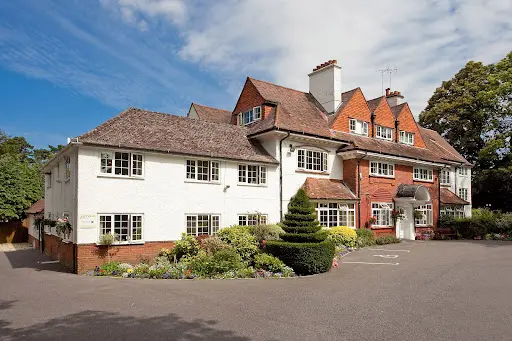
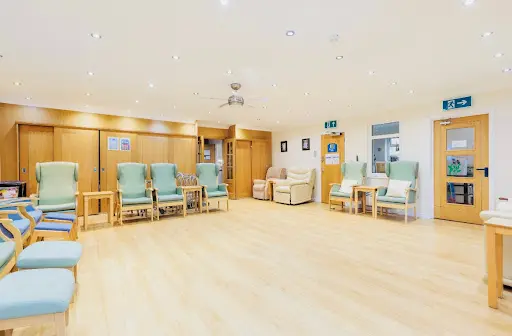
When families visit Shannon Court in Hindhead, they often mention the woodland paths winding through nine acres of Surrey countryside. This care home specialises in supporting people with dementia alongside those with learning disabilities, bringing together different generations in a setting where residents can wander safely through gardens or simply watch the seasons change from comfortable lounges.
Who they care for
Shannon Court cares for adults both under and over 65, with particular experience in dementia and learning disabilities.
The team shows particular skill in supporting people through advanced dementia. Families report feeling confident that their relatives are safe and treated with dignity, even when the disease has progressed significantly.
“Set in the Surrey Hills, this is a place where outdoor space genuinely enhances the care experience for residents who can still enjoy it.”
DCC does not edit or curate content in this tab. For independently curated information, see The Evidence and DCC Verdict.
The DCC Verdict
Our editorial view, built from the three lenses: what families tell us, what inspectors record, and how the home sits against good dementia-care practice.
DCC Family Score
The overall score of 72 reflects a home that has recovered from a Requires Improvement rating to Good across all five domains at its most recent assessment, but where the published inspection report contains very limited specific detail, so many scores rest on general positive findings rather than direct observations or resident testimony.
Homes in South East typically score 68–82.The three-lens summary
What families tell us
Families describe a genuine warmth here that goes beyond professional courtesy. Staff take time to chat with visitors, remember the small details that matter to residents, and create an atmosphere where people feel comfortable dropping by. The team's approach to dementia care particularly stands out — they're attentive to residents in late-stage disease while maintaining their dignity and safety.
What inspectors have recorded
The management team invests in their staff, and families notice the difference this makes. Leadership practices that show appreciation for care workers seem to translate into better experiences for residents. Communication with families is generally open and welcoming, though one concerning incident involving unclear explanations about an injury suggests there's always room to strengthen transparency during difficult moments.
How it sits against good practice
Set in the Surrey Hills, this is a place where outdoor space genuinely enhances the care experience for residents who can still enjoy it.
Worth a visit
Shannon Court, on Shannon Court Road in Hindhead, was rated Good across all five inspection domains at its most recent assessment in September 2024, with the report published in March 2025. This is a meaningful improvement from a previous Requires Improvement rating, and the recovery across all domains simultaneously suggests a positive shift in leadership and practice. The home is run by The Royal Masonic Benevolent Institution Care Company and is registered to support adults living with dementia and learning disabilities, as well as older and younger adults requiring personal care, across 53 beds. The significant limitation of this Family View is that the published report contains very little specific detail: no direct inspection observations, no resident or family quotes, and no breakdown of what inspectors found in each domain. Every item in the evidence checklist, from staffing levels to food quality to dementia-specific training, is unverified and must be explored directly with the home. Before committing to a placement, visit in person, arrive at a mealtime if possible, ask to see last week's actual staffing rota rather than a template, and ask the manager directly how staff are trained to support people living with dementia.
The three questions to ask when you visitSave this home. Compare it against your shortlist.
Let our analysis show you how Shannon Court measures up against the other homes you’re considering. Free account.
In Their Own Words
How Shannon Court describes itself — collected from its own website. DCC has not edited or independently verified the content in this tab.
Woodland walks and warm hearts in nine acres of Surrey countryside
Residential home in Hindhead: True Peace of Mind
When families visit Shannon Court in Hindhead, they often mention the woodland paths winding through nine acres of Surrey countryside. This care home specialises in supporting people with dementia alongside those with learning disabilities, bringing together different generations in a setting where residents can wander safely through gardens or simply watch the seasons change from comfortable lounges.
Who they care for
Shannon Court cares for adults both under and over 65, with particular experience in dementia and learning disabilities.
The team shows particular skill in supporting people through advanced dementia. Families report feeling confident that their relatives are safe and treated with dignity, even when the disease has progressed significantly.
Management & ethos
The management team invests in their staff, and families notice the difference this makes. Leadership practices that show appreciation for care workers seem to translate into better experiences for residents. Communication with families is generally open and welcoming, though one concerning incident involving unclear explanations about an injury suggests there's always room to strengthen transparency during difficult moments.
The home & environment
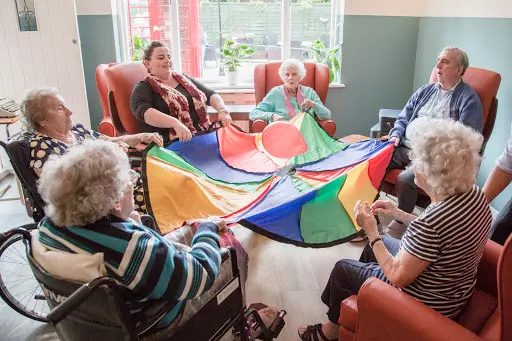
The grounds make a real difference to daily life here. Those nine acres include accessible gardens and woodland walks where residents can explore at their own pace. Inside, meals are varied and properly balanced, with the kitchen adapting to different dietary needs. The home runs a programme of social activities designed to keep people engaged and connected.
“Set in the Surrey Hills, this is a place where outdoor space genuinely enhances the care experience for residents who can still enjoy it.”
DCC does not edit or curate content in this tab. For independently curated information, see The Evidence and DCC Verdict.