Hopton Cottage Care Home

At a Glance
The information you need to decide whether this home warrants a closer look.
Residential homes
Staff warmth score
of reviewers answered yes
Good to know
- Registered beds62
- SpecialismsCaring for adults over 65 yrs, Dementia
- Last inspected2019-05-09
Save Hopton Cottage Care Home to your shortlist
Keep a running list, add visit notes, and compare homes side-by-side. Free account — it takes a minute.
STAGE 4 — RESEARCHING CARE HOMES
Visit homes. Compare them side by side. Choose with confidence.
Most of us will view care homes the way we view houses, impression, atmosphere, the feeling in the corridor. We go home, try to remember what we saw, and make a permanent decision from a blurred memory.

The DCC shortlist gives every home you visit a structured record: the same twelve questions, answered the same way, every time. When you’re ready to choose, pull any two homes side by side and compare them directly. Same criteria, same evidence, your notes and your scores.
The Evidence
What the review data, the inspection reports, and the dementia-care evidence base tell us about this home.
What families say
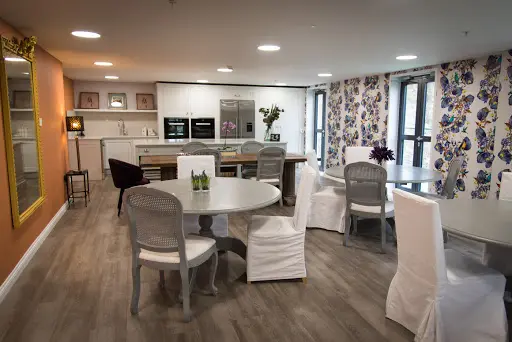
The atmosphere strikes visitors as genuinely homely, with fresh flowers brightening communal spaces and residents clearly comfortable in their surroundings. Families describe seeing their loved ones regain confidence through carefully chosen activities that match individual interests and abilities. There's a real sense that residents are content here, with dignity and kindness woven into daily routines.
The eight family priority themes
- Staff warmth72
- Compassion & dignity72
- Cleanliness68
- Activities & engagement85
- Food quality60
- Healthcare65
- Management & leadership70
- Resident happiness70
What inspectors found
Inspected 2019-05-09
Is this home safe?
Is the care effective?
The Effective domain was rated Good at the last inspection. This domain covers training, care planning, nutrition, and access to healthcare professionals. The published summary does not record specific detail about dementia training content, how frequently care plans are reviewed, or how the home manages access to GPs and specialist services. No information about food quality or mealtime experience appears in the published findings.Is this home caring?
The Caring domain was rated Good at the last inspection. This covers how staff treat residents with warmth, dignity, and respect, including whether privacy is maintained and whether people are supported to remain as independent as possible. The published summary does not include specific inspector observations, resident testimony, or relative feedback about the quality of daily interactions.Is the home responsive?
The Responsive domain was rated Outstanding at the last inspection. This is the home's strongest result and covers how well the home tailors activities, engagement, and daily life to individual residents. Outstanding is awarded only when inspectors find specific, evidenced examples of personalised, meaningful engagement rather than a standard activity schedule. The published summary does not reproduce the specific evidence that led to this rating, but the rating itself is a strong signal.Is the home well-led?
The Well-led domain was rated Good at the last inspection. A registered manager, Ms Suzanne Rebecca Prentice, is named in the published record, along with a nominated individual, Mr Joseph Patrick Martin. A Good rating in this domain indicates that inspectors were satisfied with governance, accountability, and the overall culture of leadership at the time of assessment. No specific observations about management visibility, staff culture, or quality monitoring are recorded in the published summary.
Source: CQC inspection report →
What the evidence base says
The home specialises in dementia care and supporting adults over 65. Their approach centres on maintaining independence while providing the right level of support for each resident's needs. The dementia care programme includes structured activities like reminiscence sessions and hobby groups designed to keep residents engaged. Staff adapt their communication and support strategies to match each person's capabilities, helping maintain confidence and connection. All areas worth probing directly during a visit.
The DCC Verdict
Our editorial view, built from the three lenses: what families tell us, what inspectors record, and how the home sits against good dementia-care practice.
DCC Family Score
Hopton Cottage Care Home scores well above average on activities and engagement, reflecting its Outstanding rating in the Responsive domain. Scores in other areas reflect the Good rating across remaining domains, though the inspection report provides limited specific detail to push individual theme scores higher.
Homes in Yorkshire & Humberside typically score 68–82.The three-lens summary
What families tell us
The atmosphere strikes visitors as genuinely homely, with fresh flowers brightening communal spaces and residents clearly comfortable in their surroundings. Families describe seeing their loved ones regain confidence through carefully chosen activities that match individual interests and abilities. There's a real sense that residents are content here, with dignity and kindness woven into daily routines.
What inspectors have recorded
The team takes communication seriously, keeping families updated with regular photos and progress reports. They're known for being accessible and inclusive when decisions need making. One incident involving a family dispute did highlight the importance of maintaining neutrality in sensitive situations, though the overall pattern shows attentive, responsive management that families trust.
How it sits against good practice
For families facing difficult decisions about dementia care, visiting Hopton Cottage offers a chance to see their person-centred approach firsthand.
Worth a visit
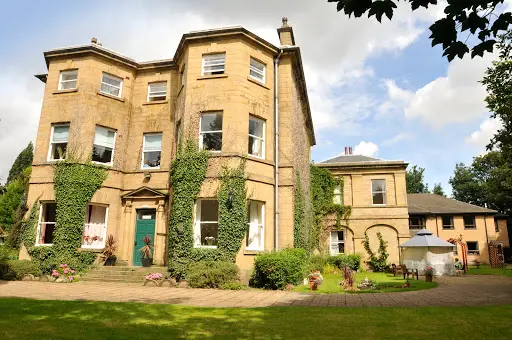
Hopton Cottage Care Home in Mirfield was rated Good overall at its last full inspection, with four domains rated Good and the Responsive domain rated Outstanding. The Outstanding rating for Responsive is notable: inspectors award this only when they find strong, specific evidence that the home tailors activities and engagement to individual residents rather than offering a one-size-fits-all programme. The registered manager is named in the published record, and the home is a recognised specialist in dementia care for adults over 65. The main limitation of this report is its age. The last full inspection was carried out in May 2019, with a monitoring review in July 2023 that found no evidence requiring reassessment. That review was based on data rather than a fresh visit, so the published findings are now several years old. A lot can change in a care home over that period, including staffing, management, and the physical environment. Before making a decision, ask to see recent staffing rotas (including night shifts), ask how many agency staff are used each week, and spend time observing how staff interact with your parent during your visit, particularly noticing whether residents appear unhurried and whether staff address people by their preferred names.
The three questions to ask when you visitSave this home. Compare it against your shortlist.
Let our analysis show you how Hopton Cottage Care Home measures up against the other homes you’re considering. Free account.
In Their Own Words
How Hopton Cottage Care Home describes itself — collected from its own website. DCC has not edited or independently verified the content in this tab.
Where cherished memories meet thoughtful daily routines
Hopton Cottage Care Home – Your Trusted residential home
Families searching for dementia care often discover something special at Hopton Cottage Care Home in Mirfield. This Yorkshire home has built its reputation on understanding each resident as an individual, creating days filled with familiar comforts and meaningful activities. The team here focuses on keeping residents engaged with life — whether that's through flower arranging, reminiscence sessions, or simply enjoying the patio garden.
Who they care for
The home specialises in dementia care and supporting adults over 65. Their approach centres on maintaining independence while providing the right level of support for each resident's needs.
The dementia care programme includes structured activities like reminiscence sessions and hobby groups designed to keep residents engaged. Staff adapt their communication and support strategies to match each person's capabilities, helping maintain confidence and connection.
“For families facing difficult decisions about dementia care, visiting Hopton Cottage offers a chance to see their person-centred approach firsthand.”
DCC does not edit or curate content in this tab. For independently curated information, see The Evidence and DCC Verdict.
The DCC Verdict
Our editorial view, built from the three lenses: what families tell us, what inspectors record, and how the home sits against good dementia-care practice.
DCC Family Score
Hopton Cottage Care Home scores well above average on activities and engagement, reflecting its Outstanding rating in the Responsive domain. Scores in other areas reflect the Good rating across remaining domains, though the inspection report provides limited specific detail to push individual theme scores higher.
Homes in Yorkshire & Humberside typically score 68–82.The three-lens summary
What families tell us
The atmosphere strikes visitors as genuinely homely, with fresh flowers brightening communal spaces and residents clearly comfortable in their surroundings. Families describe seeing their loved ones regain confidence through carefully chosen activities that match individual interests and abilities. There's a real sense that residents are content here, with dignity and kindness woven into daily routines.
What inspectors have recorded
The team takes communication seriously, keeping families updated with regular photos and progress reports. They're known for being accessible and inclusive when decisions need making. One incident involving a family dispute did highlight the importance of maintaining neutrality in sensitive situations, though the overall pattern shows attentive, responsive management that families trust.
How it sits against good practice
For families facing difficult decisions about dementia care, visiting Hopton Cottage offers a chance to see their person-centred approach firsthand.
Worth a visit
Hopton Cottage Care Home in Mirfield was rated Good overall at its last full inspection, with four domains rated Good and the Responsive domain rated Outstanding. The Outstanding rating for Responsive is notable: inspectors award this only when they find strong, specific evidence that the home tailors activities and engagement to individual residents rather than offering a one-size-fits-all programme. The registered manager is named in the published record, and the home is a recognised specialist in dementia care for adults over 65. The main limitation of this report is its age. The last full inspection was carried out in May 2019, with a monitoring review in July 2023 that found no evidence requiring reassessment. That review was based on data rather than a fresh visit, so the published findings are now several years old. A lot can change in a care home over that period, including staffing, management, and the physical environment. Before making a decision, ask to see recent staffing rotas (including night shifts), ask how many agency staff are used each week, and spend time observing how staff interact with your parent during your visit, particularly noticing whether residents appear unhurried and whether staff address people by their preferred names.
The three questions to ask when you visitSave this home. Compare it against your shortlist.
Let our analysis show you how Hopton Cottage Care Home measures up against the other homes you’re considering. Free account.
In Their Own Words
How Hopton Cottage Care Home describes itself — collected from its own website. DCC has not edited or independently verified the content in this tab.
Where cherished memories meet thoughtful daily routines
Hopton Cottage Care Home – Your Trusted residential home
Families searching for dementia care often discover something special at Hopton Cottage Care Home in Mirfield. This Yorkshire home has built its reputation on understanding each resident as an individual, creating days filled with familiar comforts and meaningful activities. The team here focuses on keeping residents engaged with life — whether that's through flower arranging, reminiscence sessions, or simply enjoying the patio garden.
Who they care for
The home specialises in dementia care and supporting adults over 65. Their approach centres on maintaining independence while providing the right level of support for each resident's needs.
The dementia care programme includes structured activities like reminiscence sessions and hobby groups designed to keep residents engaged. Staff adapt their communication and support strategies to match each person's capabilities, helping maintain confidence and connection.
Management & ethos
The team takes communication seriously, keeping families updated with regular photos and progress reports. They're known for being accessible and inclusive when decisions need making. One incident involving a family dispute did highlight the importance of maintaining neutrality in sensitive situations, though the overall pattern shows attentive, responsive management that families trust.
The home & environment
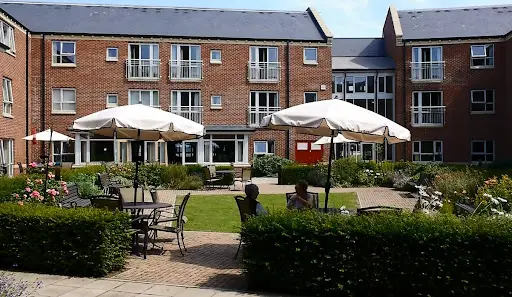
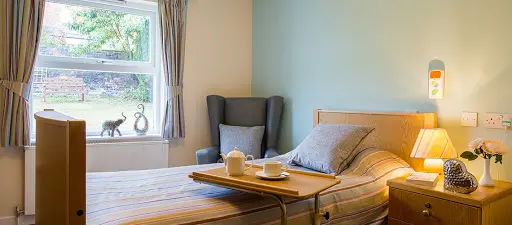
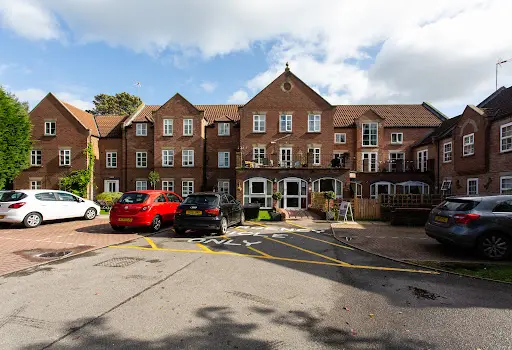
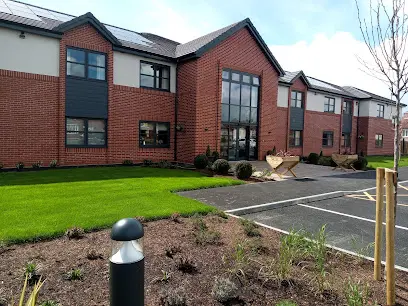
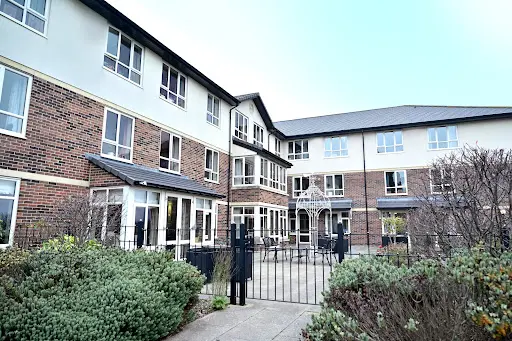
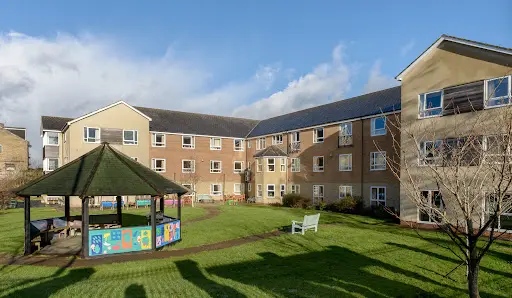
The home maintains impressively high standards of cleanliness throughout, with en-suite bathrooms and well-kept communal areas. Meal times bring particular satisfaction — the kitchen team prepares varied, quality food that families credit with restoring appetites and supporting healthy weight gain. Outside, the patio areas offer peaceful spots for residents to enjoy fresh air and sunshine.
“For families facing difficult decisions about dementia care, visiting Hopton Cottage offers a chance to see their person-centred approach firsthand.”
DCC does not edit or curate content in this tab. For independently curated information, see The Evidence and DCC Verdict.