Holly Lodge Care Home | Forest Care
At a Glance
The information you need to decide whether this home warrants a closer look.
Nursing homes
Staff warmth score
of reviewers answered yes
Good to know
- Registered beds60
- SpecialismsCaring for adults over 65 yrs, Dementia, Mental health conditions
- Last inspected2019-01-24
Save Holly Lodge Care Home | Forest Care to your shortlist
Keep a running list, add visit notes, and compare homes side-by-side. Free account — it takes a minute.
STAGE 4 — RESEARCHING CARE HOMES
Visit homes. Compare them side by side. Choose with confidence.
Most of us will view care homes the way we view houses, impression, atmosphere, the feeling in the corridor. We go home, try to remember what we saw, and make a permanent decision from a blurred memory.

The DCC shortlist gives every home you visit a structured record: the same twelve questions, answered the same way, every time. When you’re ready to choose, pull any two homes side by side and compare them directly. Same criteria, same evidence, your notes and your scores.
The Evidence
What the review data, the inspection reports, and the dementia-care evidence base tell us about this home.
What families say
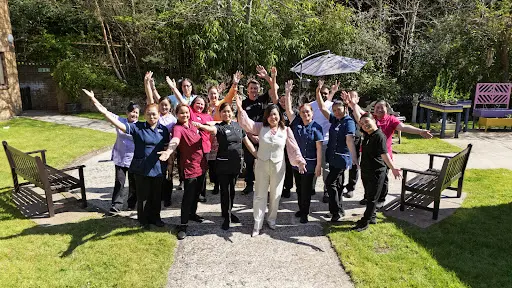
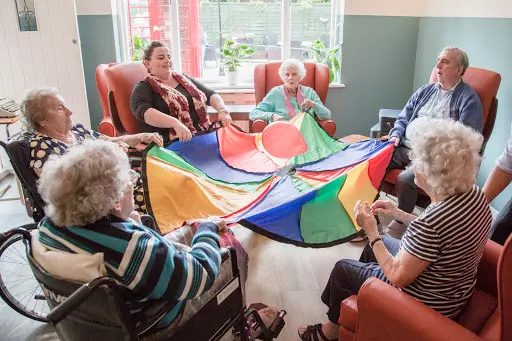
Families describe walking into a place where staff greet visitors by name and residents are engaged in activities that actually capture their interest. There's an energy here that comes from entertainers visiting regularly and staff who understand how to reach someone living with dementia through music, creativity, or simply the right approach at the right moment.
The eight family priority themes
- Staff warmth72
- Compassion & dignity72
- Cleanliness72
- Activities & engagement68
- Food quality68
- Healthcare72
- Management & leadership73
- Resident happiness70
What inspectors found
Inspected 2019-01-24
Is this home safe?
Is the care effective?
The Effective domain was rated Good at the February 2024 inspection. This domain covers training, care planning, healthcare access, nutrition, and how well the home meets the specific needs of people living with dementia. The home lists dementia and mental health conditions as specialisms. No specific detail about training content, GP visit frequency, care plan review cycles, or food quality is recorded in the published summary. A Good rating suggests inspectors were broadly satisfied, but the evidence behind that judgment is not visible here.Is this home caring?
The Caring domain was rated Good at the February 2024 inspection. This covers staff warmth, dignity, respect, and how well the home supports independence. No specific inspector observations, such as whether staff knock before entering rooms, use preferred names, or move without hurry, are recorded in the published summary. No resident or family quotes are available. A Good rating for Caring is the single most meaningful domain for most families, and its absence of detail is therefore the most significant gap in this report.Is the home responsive?
The Responsive domain was rated Good at the February 2024 inspection. This domain covers activities, engagement, individuality, and end-of-life care planning. The home serves people living with dementia and mental health conditions, which makes tailored, individual engagement particularly important. No detail about the activities programme, how one-to-one engagement is delivered for residents who cannot join group activities, or how end-of-life preferences are documented is recorded in the published summary.Is the home well-led?
The Well-led domain was rated Good at the February 2024 inspection. The home is run by Forest Care Limited, with Mr Alarico Lii Bustamante as registered manager and Mr Mark Vickery as nominated individual. Having named, accountable individuals in these roles is a basic governance requirement, and their presence is noted. No detail about the manager's day-to-day visibility, how long they have been in post, how staff are supported to raise concerns, or how the home uses feedback from residents and families to improve is recorded in the published summary.
Source: CQC inspection report →
What the evidence base says
Holly Lodge specialises in dementia care, mental health conditions, and caring for adults over 65. The home has its own visiting GP, reducing the disruption of external medical appointments. Staff here understand how dementia affects each person differently, adapting their approach as needs change. They've helped residents reconnect with creative interests they'd lost touch with, using activities as a way to engage rather than just pass time. All areas worth probing directly during a visit.
The DCC Verdict
Our editorial view, built from the three lenses: what families tell us, what inspectors record, and how the home sits against good dementia-care practice.
DCC Family Score
Holly Lodge Nursing Home received a Good rating across all five inspection domains in February 2024, which is a positive baseline. However, the published report text provides limited specific detail, observations, or resident testimony, so scores reflect a credible but unverified picture rather than a strongly evidenced one.
Homes in South East typically score 68–82.The three-lens summary
What families tell us
Families describe walking into a place where staff greet visitors by name and residents are engaged in activities that actually capture their interest. There's an energy here that comes from entertainers visiting regularly and staff who understand how to reach someone living with dementia through music, creativity, or simply the right approach at the right moment.
What inspectors have recorded
The nursing team keeps families closely informed about any health changes, inviting them into medical discussions rather than making decisions in isolation. Staff pick up on individual preferences — whether that's particular music, food choices, or spiritual needs — and build these into daily care routines.
How it sits against good practice
If you're looking for dementia care in the Camberley area, visiting Holly Lodge could help you understand whether their approach fits what you're hoping to find.
Worth a visit
Holly Lodge Nursing Home, on St Catherine's Road in Camberley, was assessed in February 2024 and rated Good across all five inspection domains: Safe, Effective, Caring, Responsive, and Well-led. The home is registered to provide nursing care for up to 60 adults over 65, including people living with dementia and mental health conditions. It is run by Forest Care Limited, with a named registered manager and nominated individual in post. A consistent Good rating across every domain is a meaningful baseline and suggests inspectors found no significant concerns in safety, staffing, care planning, or leadership. The main limitation of this report is that the published text provides very little specific detail. No inspector observations, resident quotes, or family testimony are reproduced here, so it is not possible to verify what day-to-day life actually looks like for your parent. On a visit, ask to see last week's actual staffing rota (not a template) and count how many permanent versus agency names appear, especially on nights. Walk the dementia unit at a mealtime to see whether staff are unhurried and whether your parent's preferred name would be known. The Good rating gives a reasonable foundation, but the specifics are what matter most for a home of this size and specialism.
The three questions to ask when you visitSave this home. Compare it against your shortlist.
Let our analysis show you how Holly Lodge Care Home | Forest Care measures up against the other homes you’re considering. Free account.
In Their Own Words
How Holly Lodge Care Home | Forest Care describes itself — collected from its own website. DCC has not edited or independently verified the content in this tab.
Where dementia care meets genuine understanding and respect
Nursing home in Camberley: True Peace of Mind
When someone you love needs specialist dementia care, you want to know they'll be treated as the individual they've always been. Holly Lodge Nursing Home in Camberley creates that kind of environment — where staff notice the small things that matter, where residents rediscover forgotten interests, and where families feel genuinely included in care decisions.
Who they care for
Holly Lodge specialises in dementia care, mental health conditions, and caring for adults over 65. The home has its own visiting GP, reducing the disruption of external medical appointments.
Staff here understand how dementia affects each person differently, adapting their approach as needs change. They've helped residents reconnect with creative interests they'd lost touch with, using activities as a way to engage rather than just pass time.
“If you're looking for dementia care in the Camberley area, visiting Holly Lodge could help you understand whether their approach fits what you're hoping to find.”
DCC does not edit or curate content in this tab. For independently curated information, see The Evidence and DCC Verdict.
The DCC Verdict
Our editorial view, built from the three lenses: what families tell us, what inspectors record, and how the home sits against good dementia-care practice.
DCC Family Score
Holly Lodge Nursing Home received a Good rating across all five inspection domains in February 2024, which is a positive baseline. However, the published report text provides limited specific detail, observations, or resident testimony, so scores reflect a credible but unverified picture rather than a strongly evidenced one.
Homes in South East typically score 68–82.The three-lens summary
What families tell us
Families describe walking into a place where staff greet visitors by name and residents are engaged in activities that actually capture their interest. There's an energy here that comes from entertainers visiting regularly and staff who understand how to reach someone living with dementia through music, creativity, or simply the right approach at the right moment.
What inspectors have recorded
The nursing team keeps families closely informed about any health changes, inviting them into medical discussions rather than making decisions in isolation. Staff pick up on individual preferences — whether that's particular music, food choices, or spiritual needs — and build these into daily care routines.
How it sits against good practice
If you're looking for dementia care in the Camberley area, visiting Holly Lodge could help you understand whether their approach fits what you're hoping to find.
Worth a visit
Holly Lodge Nursing Home, on St Catherine's Road in Camberley, was assessed in February 2024 and rated Good across all five inspection domains: Safe, Effective, Caring, Responsive, and Well-led. The home is registered to provide nursing care for up to 60 adults over 65, including people living with dementia and mental health conditions. It is run by Forest Care Limited, with a named registered manager and nominated individual in post. A consistent Good rating across every domain is a meaningful baseline and suggests inspectors found no significant concerns in safety, staffing, care planning, or leadership. The main limitation of this report is that the published text provides very little specific detail. No inspector observations, resident quotes, or family testimony are reproduced here, so it is not possible to verify what day-to-day life actually looks like for your parent. On a visit, ask to see last week's actual staffing rota (not a template) and count how many permanent versus agency names appear, especially on nights. Walk the dementia unit at a mealtime to see whether staff are unhurried and whether your parent's preferred name would be known. The Good rating gives a reasonable foundation, but the specifics are what matter most for a home of this size and specialism.
The three questions to ask when you visitSave this home. Compare it against your shortlist.
Let our analysis show you how Holly Lodge Care Home | Forest Care measures up against the other homes you’re considering. Free account.
In Their Own Words
How Holly Lodge Care Home | Forest Care describes itself — collected from its own website. DCC has not edited or independently verified the content in this tab.
Where dementia care meets genuine understanding and respect
Nursing home in Camberley: True Peace of Mind
When someone you love needs specialist dementia care, you want to know they'll be treated as the individual they've always been. Holly Lodge Nursing Home in Camberley creates that kind of environment — where staff notice the small things that matter, where residents rediscover forgotten interests, and where families feel genuinely included in care decisions.
Who they care for
Holly Lodge specialises in dementia care, mental health conditions, and caring for adults over 65. The home has its own visiting GP, reducing the disruption of external medical appointments.
Staff here understand how dementia affects each person differently, adapting their approach as needs change. They've helped residents reconnect with creative interests they'd lost touch with, using activities as a way to engage rather than just pass time.
Management & ethos
The nursing team keeps families closely informed about any health changes, inviting them into medical discussions rather than making decisions in isolation. Staff pick up on individual preferences — whether that's particular music, food choices, or spiritual needs — and build these into daily care routines.
The home & environment
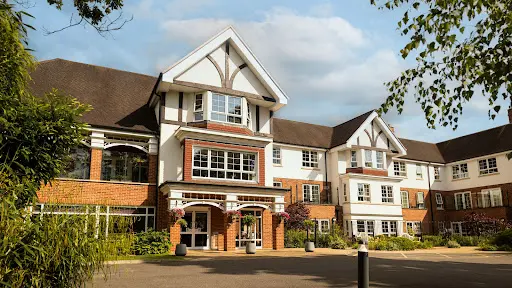
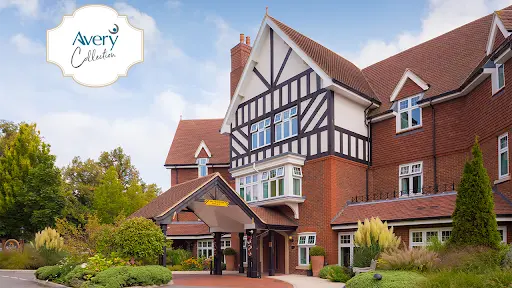
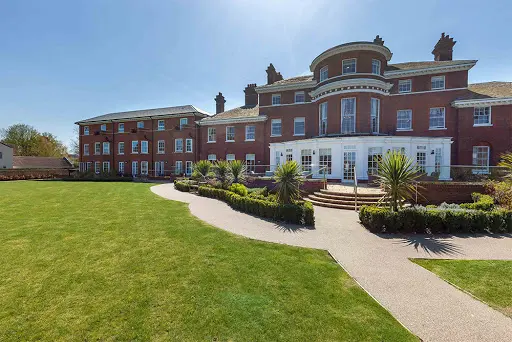
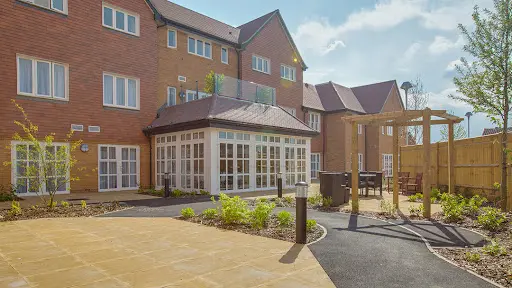
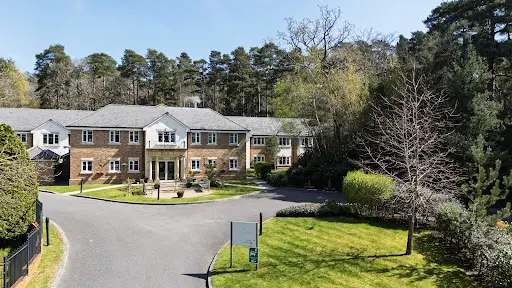
The home maintains high standards of cleanliness throughout, with well-kept gardens providing peaceful outdoor space. Regular visits from hairdressers, chiropodists, and other wellness services happen on-site, making life easier for residents who might find appointments stressful or confusing.
“If you're looking for dementia care in the Camberley area, visiting Holly Lodge could help you understand whether their approach fits what you're hoping to find.”
DCC does not edit or curate content in this tab. For independently curated information, see The Evidence and DCC Verdict.