Collingwood Grange Care Home – Bupa

At a Glance
The information you need to decide whether this home warrants a closer look.
Nursing homes
Staff warmth score
of reviewers answered yes
Good to know
- Registered beds75
- SpecialismsCaring for adults over 65 yrs, Dementia, Physical disabilities
- Last inspected2019-10-19
Save Collingwood Grange Care Home – Bupa to your shortlist
Keep a running list, add visit notes, and compare homes side-by-side. Free account — it takes a minute.
STAGE 4 — RESEARCHING CARE HOMES
Visit homes. Compare them side by side. Choose with confidence.
Most of us will view care homes the way we view houses, impression, atmosphere, the feeling in the corridor. We go home, try to remember what we saw, and make a permanent decision from a blurred memory.

The DCC shortlist gives every home you visit a structured record: the same twelve questions, answered the same way, every time. When you’re ready to choose, pull any two homes side by side and compare them directly. Same criteria, same evidence, your notes and your scores.
The Evidence
What the review data, the inspection reports, and the dementia-care evidence base tell us about this home.
What families say
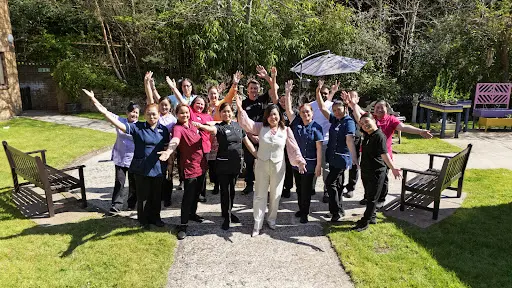
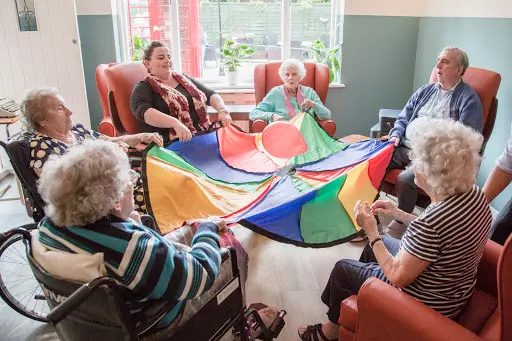
Visitors often mention how approachable they find the staff here. There's a sense that team members take time to chat and engage with residents throughout the day, creating a friendly atmosphere that helps people feel more at ease.
The eight family priority themes
- Staff warmth72
- Compassion & dignity72
- Cleanliness70
- Activities & engagement65
- Food quality65
- Healthcare70
- Management & leadership72
- Resident happiness68
What inspectors found
Inspected 2019-10-19
Is this home safe?
Is the care effective?
The inspection rated the Effective domain as Good. The published summary does not provide detail about care plan quality, GP access arrangements, dementia training content, or how food preferences and dietary needs are managed. The home holds a nursing registration, meaning clinical oversight should be present, but the specifics of how healthcare needs are monitored and acted upon are not described in the available report.Is this home caring?
The inspection rated the Caring domain as Good. No specific inspector observations, resident testimony, or staff interaction examples are included in the published summary. The rating indicates that inspectors were satisfied with how staff treated the people living at Collingwood Grange at the time of assessment, but the published text does not record the detail that would allow a family to judge the quality of moment-to-moment interactions.Is the home responsive?
The inspection rated the Responsive domain as Good. The published summary does not describe the activity programme, how the home supports individual interests, how end-of-life care is approached, or how complaints are handled. For a home with a dementia specialism and 75 beds, responsiveness to individual need is particularly important because the range of ability and engagement among residents will be significant.Is the home well-led?
The inspection rated the Well-led domain as Good, representing an improvement from the previous Requires Improvement rating. A named registered manager, Miss Maria Louise Waters, is confirmed as in post. A nominated individual, Mr Donald Day, is also named. The published summary does not describe management visibility, staff culture, how concerns are escalated, or how the home governs quality. The improvement from Requires Improvement suggests earlier leadership or governance issues were addressed.
Source: CQC inspection report →
What the evidence base says
The home provides specialist dementia care alongside support for older adults and those with physical disabilities. They work with residents who need varying levels of assistance, from those who remain quite independent to those requiring more intensive daily support. For those living with dementia, the home offers specialist care approaches. The combination of dedicated staff and accessible outdoor spaces can provide helpful structure and stimulation for residents at different stages of their dementia journey. All areas worth probing directly during a visit.
The DCC Verdict
Our editorial view, built from the three lenses: what families tell us, what inspectors record, and how the home sits against good dementia-care practice.
DCC Family Score
Collingwood Grange scored 72 out of 100 on the Family Score, reflecting a home that improved from Requires Improvement to Good across all five domains at its last full inspection. Positive evidence is present, but the published report provides limited specific detail, so several areas need to be checked directly with the home.
Homes in South East typically score 68–82.The three-lens summary
What families tell us
Visitors often mention how approachable they find the staff here. There's a sense that team members take time to chat and engage with residents throughout the day, creating a friendly atmosphere that helps people feel more at ease.
What inspectors have recorded
Staff interactions appear consistently warm and kind, with team members showing genuine care in their daily work. However, one family did raise concerns about care consistency after finding their relative hadn't received adequate personal support.
How it sits against good practice
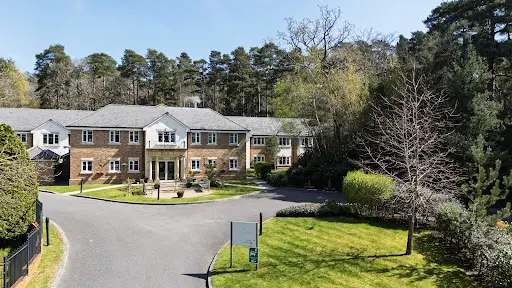
If you're considering Collingwood Grange, spending time in their gardens during a visit might give you a good sense of daily life there.
Worth a visit
Collingwood Grange Care Home, on Portsmouth Road in Camberley, was rated Good across all five inspection domains at its last full inspection in April 2021. This represented a meaningful improvement from a previous Requires Improvement rating, suggesting the home addressed earlier concerns and stabilised its practice. The home is a 75-bed nursing home run by Bupa Care Homes, with a named registered manager in post, and covers dementia, nursing care, and support for physical disabilities. Regulators reviewed available information in July 2023 and found no reason to reassess the Good rating. The main limitation for families is that the published report is a summary rather than a detailed narrative inspection, so specific evidence about staff warmth, food quality, activities, night staffing, and dementia-specific practice is not available in the public record. Before visiting, prepare a list of concrete questions: how many permanent carers are on the dementia unit after 8pm, what the agency staff rate was last month, and how activities are adapted for your parent if they cannot join group sessions. Use your visit to observe the pace of staff interactions in corridors and at mealtimes, because those moments tell you more than any document.
The three questions to ask when you visitSave this home. Compare it against your shortlist.
Let our analysis show you how Collingwood Grange Care Home – Bupa measures up against the other homes you’re considering. Free account.
In Their Own Words
How Collingwood Grange Care Home – Bupa describes itself — collected from its own website. DCC has not edited or independently verified the content in this tab.
Where kindness meets gardens in Surrey care
Nursing home in Camberley: True Peace of Mind
When families search for dementia care, they often find themselves drawn to places where genuine warmth comes through. Collingwood Grange Care Home in Camberley offers specialist support for those living with dementia, along with care for physical disabilities. The home's gardens have become a real focal point for many residents, providing peaceful outdoor spaces that families particularly appreciate.
Who they care for
The home provides specialist dementia care alongside support for older adults and those with physical disabilities. They work with residents who need varying levels of assistance, from those who remain quite independent to those requiring more intensive daily support.
For those living with dementia, the home offers specialist care approaches. The combination of dedicated staff and accessible outdoor spaces can provide helpful structure and stimulation for residents at different stages of their dementia journey.
“If you're considering Collingwood Grange, spending time in their gardens during a visit might give you a good sense of daily life there.”
DCC does not edit or curate content in this tab. For independently curated information, see The Evidence and DCC Verdict.
The DCC Verdict
Our editorial view, built from the three lenses: what families tell us, what inspectors record, and how the home sits against good dementia-care practice.
DCC Family Score
Collingwood Grange scored 72 out of 100 on the Family Score, reflecting a home that improved from Requires Improvement to Good across all five domains at its last full inspection. Positive evidence is present, but the published report provides limited specific detail, so several areas need to be checked directly with the home.
Homes in South East typically score 68–82.The three-lens summary
What families tell us
Visitors often mention how approachable they find the staff here. There's a sense that team members take time to chat and engage with residents throughout the day, creating a friendly atmosphere that helps people feel more at ease.
What inspectors have recorded
Staff interactions appear consistently warm and kind, with team members showing genuine care in their daily work. However, one family did raise concerns about care consistency after finding their relative hadn't received adequate personal support.
How it sits against good practice
If you're considering Collingwood Grange, spending time in their gardens during a visit might give you a good sense of daily life there.
Worth a visit
Collingwood Grange Care Home, on Portsmouth Road in Camberley, was rated Good across all five inspection domains at its last full inspection in April 2021. This represented a meaningful improvement from a previous Requires Improvement rating, suggesting the home addressed earlier concerns and stabilised its practice. The home is a 75-bed nursing home run by Bupa Care Homes, with a named registered manager in post, and covers dementia, nursing care, and support for physical disabilities. Regulators reviewed available information in July 2023 and found no reason to reassess the Good rating. The main limitation for families is that the published report is a summary rather than a detailed narrative inspection, so specific evidence about staff warmth, food quality, activities, night staffing, and dementia-specific practice is not available in the public record. Before visiting, prepare a list of concrete questions: how many permanent carers are on the dementia unit after 8pm, what the agency staff rate was last month, and how activities are adapted for your parent if they cannot join group sessions. Use your visit to observe the pace of staff interactions in corridors and at mealtimes, because those moments tell you more than any document.
The three questions to ask when you visitSave this home. Compare it against your shortlist.
Let our analysis show you how Collingwood Grange Care Home – Bupa measures up against the other homes you’re considering. Free account.
In Their Own Words
How Collingwood Grange Care Home – Bupa describes itself — collected from its own website. DCC has not edited or independently verified the content in this tab.
Where kindness meets gardens in Surrey care
Nursing home in Camberley: True Peace of Mind
When families search for dementia care, they often find themselves drawn to places where genuine warmth comes through. Collingwood Grange Care Home in Camberley offers specialist support for those living with dementia, along with care for physical disabilities. The home's gardens have become a real focal point for many residents, providing peaceful outdoor spaces that families particularly appreciate.
Who they care for
The home provides specialist dementia care alongside support for older adults and those with physical disabilities. They work with residents who need varying levels of assistance, from those who remain quite independent to those requiring more intensive daily support.
For those living with dementia, the home offers specialist care approaches. The combination of dedicated staff and accessible outdoor spaces can provide helpful structure and stimulation for residents at different stages of their dementia journey.
Management & ethos
Staff interactions appear consistently warm and kind, with team members showing genuine care in their daily work. However, one family did raise concerns about care consistency after finding their relative hadn't received adequate personal support.
The home & environment
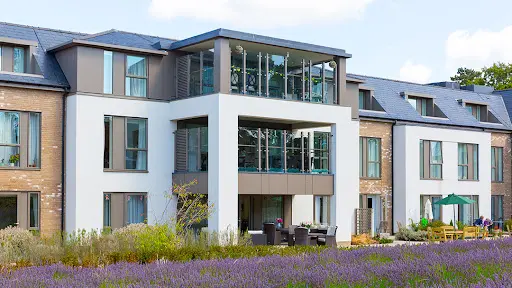
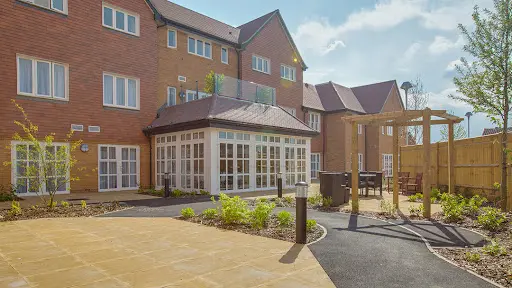
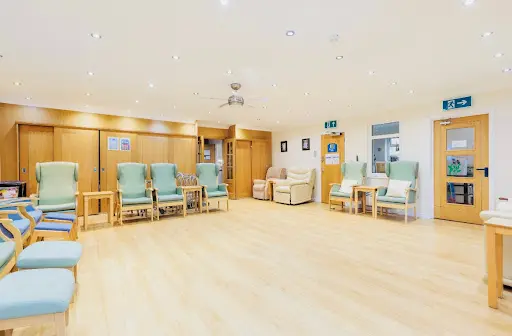
The gardens at Collingwood Grange seem to be a real highlight. Families talk about well-kept outdoor areas where residents can spend time, with some even getting involved in the gardening themselves. The home maintains clean, tidy spaces throughout.
“If you're considering Collingwood Grange, spending time in their gardens during a visit might give you a good sense of daily life there.”
DCC does not edit or curate content in this tab. For independently curated information, see The Evidence and DCC Verdict.