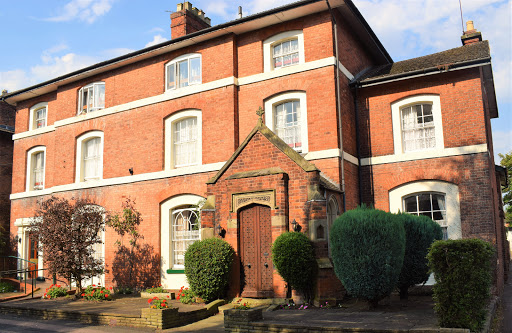
Lanrick House
At a Glance
The information you need to decide whether this home warrants a closer look.
Residential homes
Staff warmth score
of reviewers answered yes
Good to know
- Registered beds30
- SpecialismsCaring for adults over 65 yrs, Caring for adults under 65 yrs, Dementia, Physical disabilities
- Last inspected2021-04-21
Save Lanrick House to your shortlist
Keep a running list, add visit notes, and compare homes side-by-side. Free account — it takes a minute.
STAGE 4 — RESEARCHING CARE HOMES
Visit homes. Compare them side by side. Choose with confidence.
Most of us will view care homes the way we view houses, impression, atmosphere, the feeling in the corridor. We go home, try to remember what we saw, and make a permanent decision from a blurred memory.

The DCC shortlist gives every home you visit a structured record: the same twelve questions, answered the same way, every time. When you’re ready to choose, pull any two homes side by side and compare them directly. Same criteria, same evidence, your notes and your scores.
The Evidence
What the review data, the inspection reports, and the dementia-care evidence base tell us about this home.
What families say
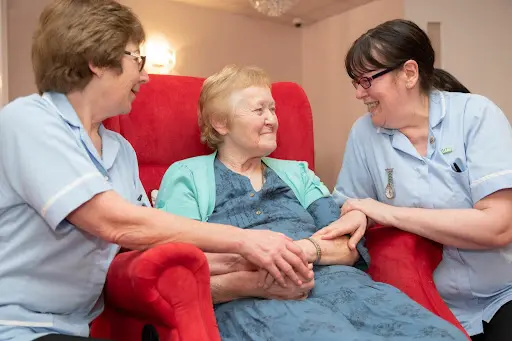
Visitors often comment on how approachable the team feels here. Whether you're dropping by for a quick visit or spending the afternoon, staff members make themselves available to chat about any concerns or just catch up on how things are going.
The eight family priority themes
- Staff warmth72
- Compassion & dignity74
- Cleanliness70
- Activities & engagement85
- Food quality60
- Healthcare70
- Management & leadership74
- Resident happiness75
What inspectors found
Inspected 2021-04-21
Is this home safe?
Is the care effective?
Inspectors rated Effective as Good. The home lists dementia as a specialism alongside care for adults over and under 65 and people with physical disabilities. A Good Effective rating requires inspectors to have been satisfied with staff training, care plan quality, and access to healthcare including GP visits. The published summary does not reproduce specific examples of care plan content, training records, or GP access arrangements, so the detail behind this rating is not visible in the text available.Is this home caring?
Inspectors rated Caring as Good. This domain covers staff warmth, dignity, respect, and whether residents are treated as individuals rather than as a group. A Good rating in Caring requires inspectors to have observed positive interactions and been satisfied with how the home promotes independence and privacy. The published summary does not reproduce specific inspector observations or resident and family quotes, so the detail behind this rating is not directly available.Is the home responsive?
Inspectors rated Responsive as Outstanding, the highest possible grade. This domain covers how well the home tailors daily life to individuals: activities, personal preferences, independence, and end-of-life care. Outstanding requires inspectors to find something genuinely exceptional, not just satisfactory. The home cares for people with dementia, adults over and under 65, and people with physical disabilities, meaning the activity and engagement programme needs to work across a range of needs and abilities. The published summary does not reproduce the specific examples that led to the Outstanding rating, but the grade itself is a strong positive signal.Is the home well-led?
Inspectors rated Well-led as Good. The home is run by Heartlands Care Limited, with two named registered managers and a nominated individual listed in the published record. Having two registered managers in a 30-bed home is notable and may reflect a deliberate decision to maintain leadership continuity across shifts and during absence. The improvement from Inadequate to Good across all five domains represents a demanding governance achievement and indicates that leadership was able to identify failures, implement changes, and sustain them through a full re-inspection cycle.
Source: CQC inspection report →
What the evidence base says
The home caters to adults over 65 and younger adults with care needs, including those with physical disabilities. They're also registered to support people living with dementia.
The DCC Verdict
Our editorial view, built from the three lenses: what families tell us, what inspectors record, and how the home sits against good dementia-care practice.
DCC Family Score
Lanrick House scores well above average for activities and engagement, where inspectors rated the home Outstanding, and shows solid evidence of improvement across all areas after a previous Inadequate rating. Scores for food and cleanliness are more cautious because the published report does not contain enough specific detail to award higher confidence.
Homes in West Midlands typically score 68–82.The three-lens summary
What families tell us
Visitors often comment on how approachable the team feels here. Whether you're dropping by for a quick visit or spending the afternoon, staff members make themselves available to chat about any concerns or just catch up on how things are going.
What inspectors have recorded
How it sits against good practice
If you're looking for residential care in the Rugeley area, scheduling a visit will give you the best sense of whether this could be the right place for your loved one.
Worth a visit
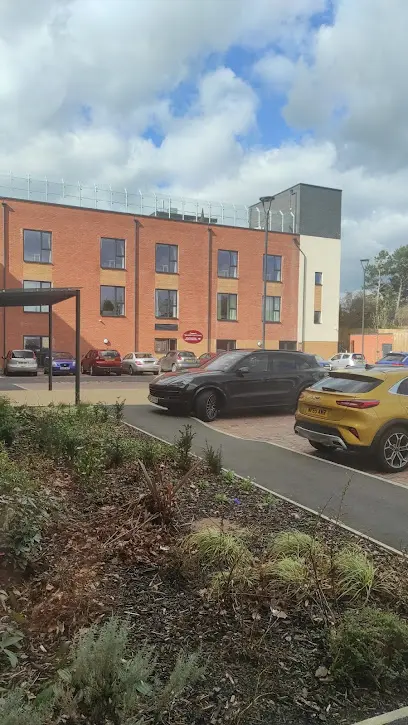
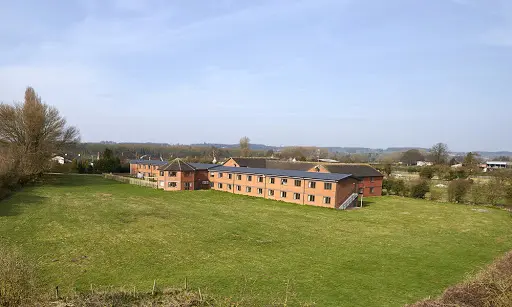
Lanrick House at 11 Wolseley Road, Rugeley was rated Good overall at its last inspection, carried out in December 2020 and published in April 2021. Critically, this followed a previous Inadequate rating, meaning the home has demonstrated a significant and sustained turnaround. Every domain improved: Safe, Effective, Caring, and Well-led all reached Good, and Responsive reached Outstanding, which is the highest possible grade and is awarded only when inspectors find something genuinely exceptional in how the home tailors daily life to the people who live there. The main uncertainty is age: the inspection is now over three years old, and a review in July 2023 did not trigger a new full inspection but also did not add detail about what is happening now. You should treat the Outstanding Responsive rating as a very positive signal, but visit in person to check that the warmth and individuality it implies are still visible day to day. On your visit, ask the manager how many permanent staff are on the dementia unit after 8pm, what proportion of last month's shifts were covered by agency workers, and whether you can sit in on or see the schedule for a week of activities.
The three questions to ask when you visitSave this home. Compare it against your shortlist.
Let our analysis show you how Lanrick House measures up against the other homes you’re considering. Free account.
In Their Own Words
How Lanrick House describes itself — collected from its own website. DCC has not edited or independently verified the content in this tab.
Where cleanliness and kindness create a welcoming atmosphere for older adults
Dedicated residential home Support in Rugeley
When families visit Lanrick House in Rugeley, they consistently notice the spotless environment and friendly faces that greet them. This West Midlands care home provides residential support for older adults and those with physical disabilities, with staff who take time to listen to both residents and their relatives.
Who they care for
The home caters to adults over 65 and younger adults with care needs, including those with physical disabilities. They're also registered to support people living with dementia.
“If you're looking for residential care in the Rugeley area, scheduling a visit will give you the best sense of whether this could be the right place for your loved one.”
DCC does not edit or curate content in this tab. For independently curated information, see The Evidence and DCC Verdict.
The DCC Verdict
Our editorial view, built from the three lenses: what families tell us, what inspectors record, and how the home sits against good dementia-care practice.
DCC Family Score
Lanrick House scores well above average for activities and engagement, where inspectors rated the home Outstanding, and shows solid evidence of improvement across all areas after a previous Inadequate rating. Scores for food and cleanliness are more cautious because the published report does not contain enough specific detail to award higher confidence.
Homes in West Midlands typically score 68–82.The three-lens summary
What families tell us
Visitors often comment on how approachable the team feels here. Whether you're dropping by for a quick visit or spending the afternoon, staff members make themselves available to chat about any concerns or just catch up on how things are going.
What inspectors have recorded
How it sits against good practice
If you're looking for residential care in the Rugeley area, scheduling a visit will give you the best sense of whether this could be the right place for your loved one.
Worth a visit
Lanrick House at 11 Wolseley Road, Rugeley was rated Good overall at its last inspection, carried out in December 2020 and published in April 2021. Critically, this followed a previous Inadequate rating, meaning the home has demonstrated a significant and sustained turnaround. Every domain improved: Safe, Effective, Caring, and Well-led all reached Good, and Responsive reached Outstanding, which is the highest possible grade and is awarded only when inspectors find something genuinely exceptional in how the home tailors daily life to the people who live there. The main uncertainty is age: the inspection is now over three years old, and a review in July 2023 did not trigger a new full inspection but also did not add detail about what is happening now. You should treat the Outstanding Responsive rating as a very positive signal, but visit in person to check that the warmth and individuality it implies are still visible day to day. On your visit, ask the manager how many permanent staff are on the dementia unit after 8pm, what proportion of last month's shifts were covered by agency workers, and whether you can sit in on or see the schedule for a week of activities.
The three questions to ask when you visitSave this home. Compare it against your shortlist.
Let our analysis show you how Lanrick House measures up against the other homes you’re considering. Free account.
In Their Own Words
How Lanrick House describes itself — collected from its own website. DCC has not edited or independently verified the content in this tab.
Where cleanliness and kindness create a welcoming atmosphere for older adults
Dedicated residential home Support in Rugeley
When families visit Lanrick House in Rugeley, they consistently notice the spotless environment and friendly faces that greet them. This West Midlands care home provides residential support for older adults and those with physical disabilities, with staff who take time to listen to both residents and their relatives.
Who they care for
The home caters to adults over 65 and younger adults with care needs, including those with physical disabilities. They're also registered to support people living with dementia.
The home & environment
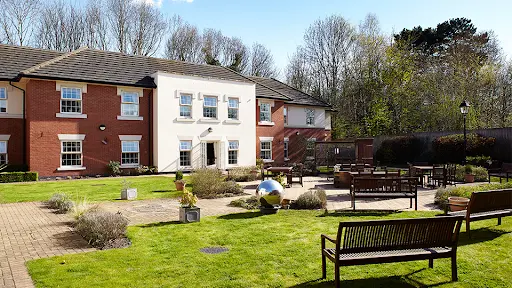
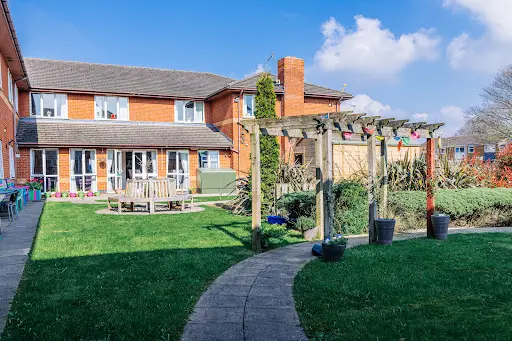
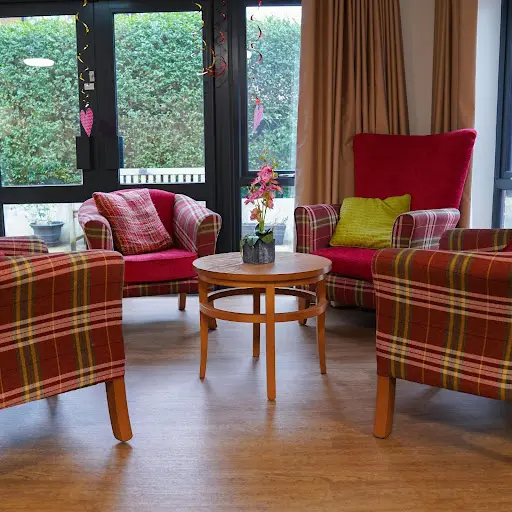
The home maintains high standards of cleanliness throughout — from the communal lounges to individual bedrooms and bathrooms. Residents can choose between the TV room for entertainment, a quiet space for reading or reflection, and pleasant garden areas when the weather allows.
“If you're looking for residential care in the Rugeley area, scheduling a visit will give you the best sense of whether this could be the right place for your loved one.”
DCC does not edit or curate content in this tab. For independently curated information, see The Evidence and DCC Verdict.