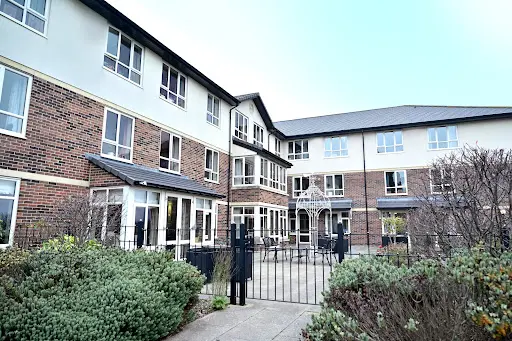
Headingley Park
At a Glance
The information you need to decide whether this home warrants a closer look.
Residential homes
Staff warmth score
of reviewers answered yes
Good to know
- Registered beds40
- SpecialismsCaring for adults over 65 yrs, Caring for adults under 65 yrs, Dementia, Mental health conditions, Physical disabilities
- Last inspected2023-09-01
Save Headingley Park to your shortlist
Keep a running list, add visit notes, and compare homes side-by-side. Free account — it takes a minute.
STAGE 4 — RESEARCHING CARE HOMES
Visit homes. Compare them side by side. Choose with confidence.
Most of us will view care homes the way we view houses, impression, atmosphere, the feeling in the corridor. We go home, try to remember what we saw, and make a permanent decision from a blurred memory.

The DCC shortlist gives every home you visit a structured record: the same twelve questions, answered the same way, every time. When you’re ready to choose, pull any two homes side by side and compare them directly. Same criteria, same evidence, your notes and your scores.
The Evidence
What the review data, the inspection reports, and the dementia-care evidence base tell us about this home.
What families say
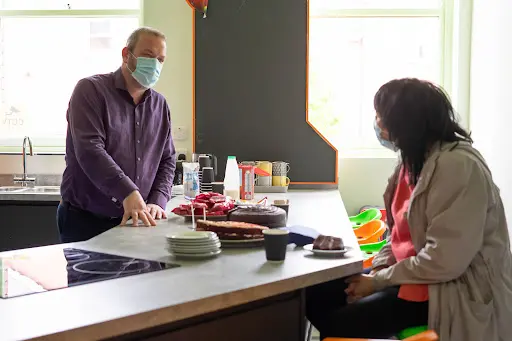
Families describe feeling genuinely cared for during some of their hardest moments. The staff who work here understand what it means to preserve someone's dignity, especially when providing end-of-life support.
The eight family priority themes
- Staff warmth30
- Compassion & dignity30
- Cleanliness35
- Activities & engagement28
- Food quality30
- Healthcare28
- Management & leadership28
- Resident happiness28
What inspectors found
Inspected 2023-09-01
Is this home safe?
Is the care effective?
Effectiveness was rated Requires Improvement at the November 2025 inspection. No specific detail from the published report text explains what inspectors found. This domain covers how well the home uses care plans, how regularly healthcare professionals are involved, whether staff training is adequate, and how well the home manages nutrition and hydration. A Requires Improvement here means inspectors were not satisfied that the home was consistently delivering effective care. Given the home's specialisms in dementia and mental health, training and care planning are particularly important.Is this home caring?
Caring was rated Requires Improvement at the November 2025 inspection. No specific observations from inspectors are available in the published text. This domain captures whether staff treat residents with warmth, respect their dignity, support their independence, and respond to distress with compassion. A Requires Improvement in Caring is particularly significant because it is the domain most directly connected to what families experience day to day. It does not necessarily mean unkindness was observed, but inspectors were not satisfied that the standard of caring was consistently good.Is the home responsive?
Responsiveness was rated Requires Improvement at the November 2025 inspection. No specific findings from the published text are available. This domain covers whether the home provides meaningful activities, responds to individual needs and preferences, supports residents to maintain independence, and plans appropriately for end of life. A Requires Improvement here suggests inspectors found gaps in how well the home tailored its offer to the people living there. For a home with dementia and mental health specialisms, responsive care is particularly important because needs change and communication may be difficult.Is the home well-led?
Leadership was rated Requires Improvement at the November 2025 inspection. The registered manager is named as Mrs Liza Marie Sillitoe, and the nominated individual is Mr Naimat Khan. No specific findings from the published text explain what inspectors identified as concerns in leadership, culture, or governance. A Requires Improvement in Well-led is significant because leadership quality predicts the trajectory of the whole home. The home has now received Requires Improvement ratings across all domains after previously being rated Good in September 2023, suggesting a deterioration that leadership should have identified and addressed.
Source: CQC inspection report →
What the evidence base says
The home welcomes both younger and older adults who need support, including those living with dementia, mental health conditions, or physical disabilities. For residents with dementia, consistency matters deeply. The home works to provide specialised support, though families should ask about current staffing patterns when considering placement. All areas worth probing directly during a visit.
The DCC Verdict
Our editorial view, built from the three lenses: what families tell us, what inspectors record, and how the home sits against good dementia-care practice.
DCC Family Score
Every domain at Headingley Park Care Home was rated Requires Improvement at the most recent inspection in November 2025. The published report text provided contains almost no specific inspection detail, so scores reflect the formal ratings rather than observed strengths.
Homes in Yorkshire & Humberside typically score 68–82.The three-lens summary
What families tell us
Families describe feeling genuinely cared for during some of their hardest moments. The staff who work here understand what it means to preserve someone's dignity, especially when providing end-of-life support.
What inspectors have recorded
How it sits against good practice
Every care home faces challenges, and understanding them helps families make informed choices that feel right for their loved ones.
Worth a visit
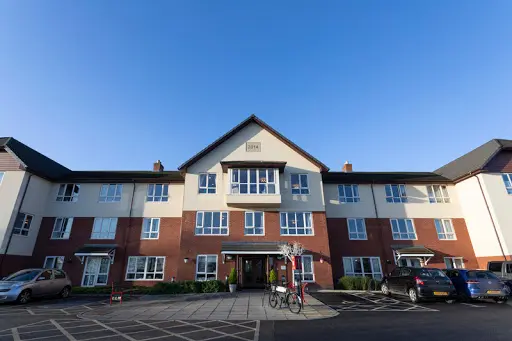
Headingley Park Care Home, on Headingley Way in Doncaster, was rated Requires Improvement across all five domains at its most recent inspection in November 2025, with the report published in January 2026. This is a step back from the Good rating recorded at the September 2023 inspection, and it means official inspectors found concerns in safety, effectiveness, the quality of caring, responsiveness to residents, and leadership. The home supports up to 40 people across a wide range of needs including dementia, mental health conditions, and physical disabilities, and is registered with Countrywide Healthcare Ltd. The published report text provided for this analysis contains very little specific inspection detail, so it is not possible to tell you precisely what inspectors found or what the home is doing to improve. That uncertainty is itself a concern. Before visiting, contact the home and ask specifically what actions have been taken since the November 2025 inspection and when they expect a follow-up assessment. On your visit, pay close attention to how staff interact with your parent during routine moments, whether the manager is present and known to staff, and whether residents appear settled and engaged. Do not rely on reassurances alone: ask for evidence, including rotas, incident logs, and training records.
The three questions to ask when you visitSave this home. Compare it against your shortlist.
Let our analysis show you how Headingley Park measures up against the other homes you’re considering. Free account.
In Their Own Words
How Headingley Park describes itself — collected from its own website. DCC has not edited or independently verified the content in this tab.
Thoughtful care meets staffing challenges in Doncaster home
Headingley Park Care Home – Your Trusted residential home
When families face difficult care decisions, they need honest information about what matters most. Headingley Park Care Home in Doncaster provides support for people with dementia, mental health conditions and physical disabilities. Recent accounts from families paint a picture of individual carers who truly understand dignity and comfort, particularly during life's final chapters.
Who they care for
The home welcomes both younger and older adults who need support, including those living with dementia, mental health conditions, or physical disabilities.
For residents with dementia, consistency matters deeply. The home works to provide specialised support, though families should ask about current staffing patterns when considering placement.
“Every care home faces challenges, and understanding them helps families make informed choices that feel right for their loved ones.”
DCC does not edit or curate content in this tab. For independently curated information, see The Evidence and DCC Verdict.
The DCC Verdict
Our editorial view, built from the three lenses: what families tell us, what inspectors record, and how the home sits against good dementia-care practice.
DCC Family Score
Every domain at Headingley Park Care Home was rated Requires Improvement at the most recent inspection in November 2025. The published report text provided contains almost no specific inspection detail, so scores reflect the formal ratings rather than observed strengths.
Homes in Yorkshire & Humberside typically score 68–82.The three-lens summary
What families tell us
Families describe feeling genuinely cared for during some of their hardest moments. The staff who work here understand what it means to preserve someone's dignity, especially when providing end-of-life support.
What inspectors have recorded
How it sits against good practice
Every care home faces challenges, and understanding them helps families make informed choices that feel right for their loved ones.
Worth a visit
Headingley Park Care Home, on Headingley Way in Doncaster, was rated Requires Improvement across all five domains at its most recent inspection in November 2025, with the report published in January 2026. This is a step back from the Good rating recorded at the September 2023 inspection, and it means official inspectors found concerns in safety, effectiveness, the quality of caring, responsiveness to residents, and leadership. The home supports up to 40 people across a wide range of needs including dementia, mental health conditions, and physical disabilities, and is registered with Countrywide Healthcare Ltd. The published report text provided for this analysis contains very little specific inspection detail, so it is not possible to tell you precisely what inspectors found or what the home is doing to improve. That uncertainty is itself a concern. Before visiting, contact the home and ask specifically what actions have been taken since the November 2025 inspection and when they expect a follow-up assessment. On your visit, pay close attention to how staff interact with your parent during routine moments, whether the manager is present and known to staff, and whether residents appear settled and engaged. Do not rely on reassurances alone: ask for evidence, including rotas, incident logs, and training records.
The three questions to ask when you visitSave this home. Compare it against your shortlist.
Let our analysis show you how Headingley Park measures up against the other homes you’re considering. Free account.
In Their Own Words
How Headingley Park describes itself — collected from its own website. DCC has not edited or independently verified the content in this tab.
Thoughtful care meets staffing challenges in Doncaster home
Headingley Park Care Home – Your Trusted residential home
When families face difficult care decisions, they need honest information about what matters most. Headingley Park Care Home in Doncaster provides support for people with dementia, mental health conditions and physical disabilities. Recent accounts from families paint a picture of individual carers who truly understand dignity and comfort, particularly during life's final chapters.
Who they care for
The home welcomes both younger and older adults who need support, including those living with dementia, mental health conditions, or physical disabilities.
For residents with dementia, consistency matters deeply. The home works to provide specialised support, though families should ask about current staffing patterns when considering placement.
The home & environment
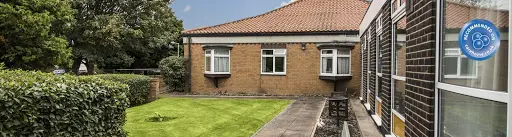
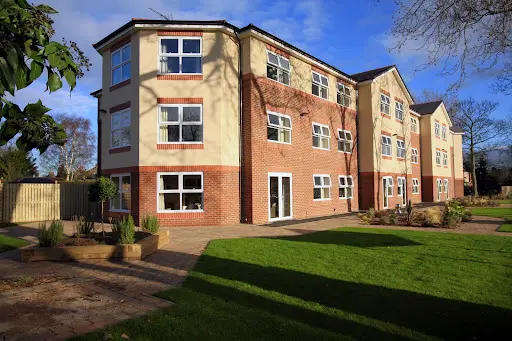
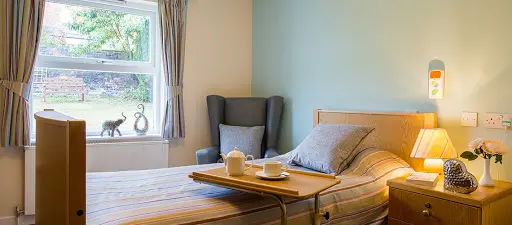
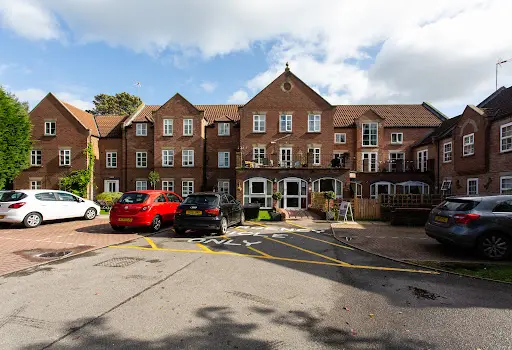
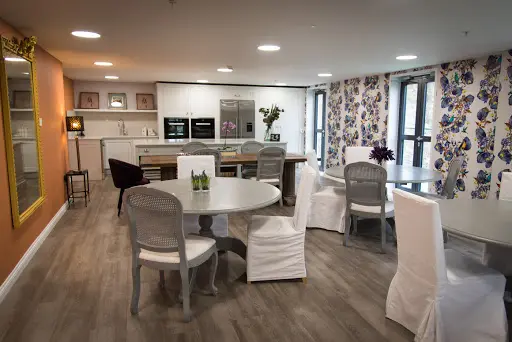
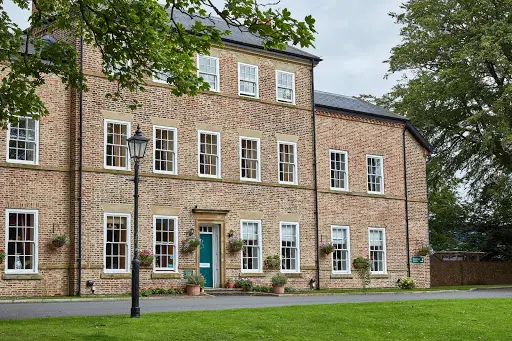
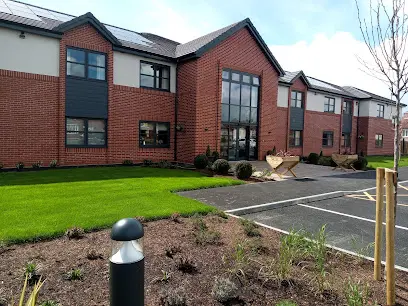
The rooms offer good space for residents to make their own, with décor that feels appropriate rather than institutional.
“Every care home faces challenges, and understanding them helps families make informed choices that feel right for their loved ones.”
DCC does not edit or curate content in this tab. For independently curated information, see The Evidence and DCC Verdict.