Greenhill Residential Home

At a Glance
The information you need to decide whether this home warrants a closer look.
Residential homes
Staff warmth score
of reviewers answered yes
Good to know
- Registered beds36
- SpecialismsCaring for adults over 65 yrs, Dementia, Physical disabilities, Sensory impairment
- Last inspected2022-04-30
Save Greenhill Residential Home to your shortlist
Keep a running list, add visit notes, and compare homes side-by-side. Free account — it takes a minute.
STAGE 4 — RESEARCHING CARE HOMES
Visit homes. Compare them side by side. Choose with confidence.
Most of us will view care homes the way we view houses, impression, atmosphere, the feeling in the corridor. We go home, try to remember what we saw, and make a permanent decision from a blurred memory.

The DCC shortlist gives every home you visit a structured record: the same twelve questions, answered the same way, every time. When you’re ready to choose, pull any two homes side by side and compare them directly. Same criteria, same evidence, your notes and your scores.
The Evidence
What the review data, the inspection reports, and the dementia-care evidence base tell us about this home.
What families say
What stands out is how staff respond to residents with overlapping health needs. Families talk about feeling confident that their loved ones are understood here, even when care requirements are complicated. The team seems to have a relaxed, approachable way of working that puts people at ease.
The eight family priority themes
- Staff warmth72
- Compassion & dignity72
- Cleanliness72
- Activities & engagement68
- Food quality68
- Healthcare70
- Management & leadership75
- Resident happiness70
What inspectors found
Inspected 2022-04-30
Is this home safe?
Is the care effective?
The home was rated Good for Effectiveness at the January 2024 inspection. The home is registered to provide personal care and accommodation but not nursing care, so any nursing needs would be met by community health services visiting the home. Dementia is listed as a specialism. No specific detail is available in the published findings about care plan quality, dementia training content, GP access frequency, or how food and nutrition are managed.Is this home caring?
The home was rated Good for Caring at the January 2024 inspection. No specific inspector observations, resident testimony, or relative quotes are included in the available published text for this domain. The rating is confirmed but the evidence behind it cannot be evaluated from published findings alone. The home cares for people with dementia, physical disabilities, and sensory impairment, which means staff need a wide range of communication skills.Is the home responsive?
The home was rated Good for Responsiveness at the January 2024 inspection. No specific detail is available in the published text about the activity programme, individual engagement, how the home meets diverse needs, or end-of-life planning. The home's specialisms suggest a mixed-needs population, which requires a responsive and flexible approach to activities and care. The published findings do not allow evaluation of how this is achieved in practice.Is the home well-led?
The home was rated Good for Well-led at the January 2024 inspection, representing a significant improvement from a previous Inadequate overall rating. A named registered manager, Miss Helen McGuire, and a named nominated individual, Mr Ernest Joseph, are in post. The turnaround from Inadequate to Good across all domains suggests that leadership has been a driver of improvement. No specific detail about governance systems, staff culture, family involvement in feedback, or management visibility is available in the published text.
Source: CQC inspection report →
What the evidence base says
The home specialises in supporting older adults with sensory impairments, physical disabilities and dementia. They're set up to care for residents over 65 who may be dealing with several health challenges at once. For residents living with dementia, the team works to understand how the condition affects each person alongside any other health needs they might have. All areas worth probing directly during a visit.
The DCC Verdict
Our editorial view, built from the three lenses: what families tell us, what inspectors record, and how the home sits against good dementia-care practice.
DCC Family Score
Greenhill Residential Care Home scores 74 out of 100, reflecting a genuine and significant improvement from a previous Inadequate rating to Good across all five domains. The score is held back by limited specific detail in the published inspection findings, meaning some areas require direct investigation on a visit.
Homes in South West typically score 68–82.The three-lens summary
What families tell us
What stands out is how staff respond to residents with overlapping health needs. Families talk about feeling confident that their loved ones are understood here, even when care requirements are complicated. The team seems to have a relaxed, approachable way of working that puts people at ease.
What inspectors have recorded
How it sits against good practice
If you're looking for somewhere that can handle complex care situations with patience and understanding, it's worth getting in touch with Greenhill to discuss your family's needs.
Worth a visit
Greenhill Residential Care Home in Newton Abbot was rated Good at its most recent inspection, carried out on 31 January 2024, with the full report published in July 2024. Importantly, this represents a significant improvement from a previous Inadequate rating, which means the home has been through a period of scrutiny and has demonstrably addressed whatever led to that earlier failing. All five domains, Safe, Effective, Caring, Responsive, and Well-led, are now rated Good, and a named registered manager is in post. The main uncertainty here is that the published report text available for this review contains very limited specific detail. There are no quoted observations from inspectors, no resident or family testimony, and no specific examples of care practices recorded in the findings provided. That does not mean these things are absent; it means you need to do more of the checking yourself on a visit. Key things to examine are night staffing numbers, dementia-specific training, how the home communicates with families, and what one-to-one activity looks like for someone who cannot join group sessions. The improvement trend is genuinely encouraging, but the lack of published detail means a thorough visit is essential before making a decision.
The three questions to ask when you visitSave this home. Compare it against your shortlist.
Let our analysis show you how Greenhill Residential Home measures up against the other homes you’re considering. Free account.
In Their Own Words
How Greenhill Residential Home describes itself — collected from its own website. DCC has not edited or independently verified the content in this tab.
Where complex care needs meet patient, responsive support
Greenhill Residential Care Home – Your Trusted residential home
When someone you love needs care for multiple health conditions, finding the right place feels overwhelming. Greenhill Residential Care Home in Newton Abbot understands this complexity. Families describe a team that takes time to understand each resident's unique situation, whether that's managing physical disabilities alongside sensory impairments or supporting someone living with dementia.
Who they care for
The home specialises in supporting older adults with sensory impairments, physical disabilities and dementia. They're set up to care for residents over 65 who may be dealing with several health challenges at once.
For residents living with dementia, the team works to understand how the condition affects each person alongside any other health needs they might have.
“If you're looking for somewhere that can handle complex care situations with patience and understanding, it's worth getting in touch with Greenhill to discuss your family's needs.”
DCC does not edit or curate content in this tab. For independently curated information, see The Evidence and DCC Verdict.
The DCC Verdict
Our editorial view, built from the three lenses: what families tell us, what inspectors record, and how the home sits against good dementia-care practice.
DCC Family Score
Greenhill Residential Care Home scores 74 out of 100, reflecting a genuine and significant improvement from a previous Inadequate rating to Good across all five domains. The score is held back by limited specific detail in the published inspection findings, meaning some areas require direct investigation on a visit.
Homes in South West typically score 68–82.The three-lens summary
What families tell us
What stands out is how staff respond to residents with overlapping health needs. Families talk about feeling confident that their loved ones are understood here, even when care requirements are complicated. The team seems to have a relaxed, approachable way of working that puts people at ease.
What inspectors have recorded
How it sits against good practice
If you're looking for somewhere that can handle complex care situations with patience and understanding, it's worth getting in touch with Greenhill to discuss your family's needs.
Worth a visit
Greenhill Residential Care Home in Newton Abbot was rated Good at its most recent inspection, carried out on 31 January 2024, with the full report published in July 2024. Importantly, this represents a significant improvement from a previous Inadequate rating, which means the home has been through a period of scrutiny and has demonstrably addressed whatever led to that earlier failing. All five domains, Safe, Effective, Caring, Responsive, and Well-led, are now rated Good, and a named registered manager is in post. The main uncertainty here is that the published report text available for this review contains very limited specific detail. There are no quoted observations from inspectors, no resident or family testimony, and no specific examples of care practices recorded in the findings provided. That does not mean these things are absent; it means you need to do more of the checking yourself on a visit. Key things to examine are night staffing numbers, dementia-specific training, how the home communicates with families, and what one-to-one activity looks like for someone who cannot join group sessions. The improvement trend is genuinely encouraging, but the lack of published detail means a thorough visit is essential before making a decision.
The three questions to ask when you visitSave this home. Compare it against your shortlist.
Let our analysis show you how Greenhill Residential Home measures up against the other homes you’re considering. Free account.
In Their Own Words
How Greenhill Residential Home describes itself — collected from its own website. DCC has not edited or independently verified the content in this tab.
Where complex care needs meet patient, responsive support
Greenhill Residential Care Home – Your Trusted residential home
When someone you love needs care for multiple health conditions, finding the right place feels overwhelming. Greenhill Residential Care Home in Newton Abbot understands this complexity. Families describe a team that takes time to understand each resident's unique situation, whether that's managing physical disabilities alongside sensory impairments or supporting someone living with dementia.
Who they care for
The home specialises in supporting older adults with sensory impairments, physical disabilities and dementia. They're set up to care for residents over 65 who may be dealing with several health challenges at once.
For residents living with dementia, the team works to understand how the condition affects each person alongside any other health needs they might have.
The home & environment
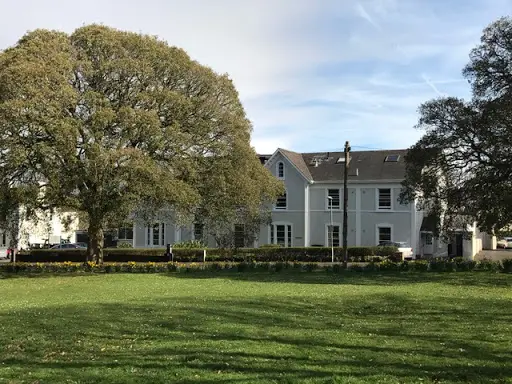
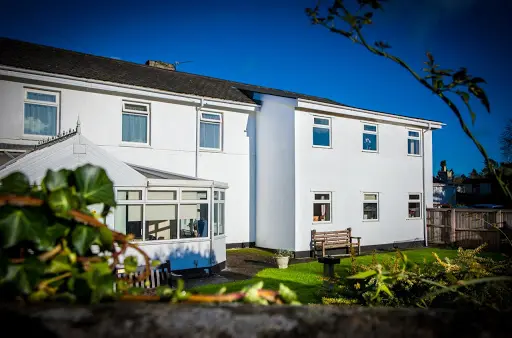
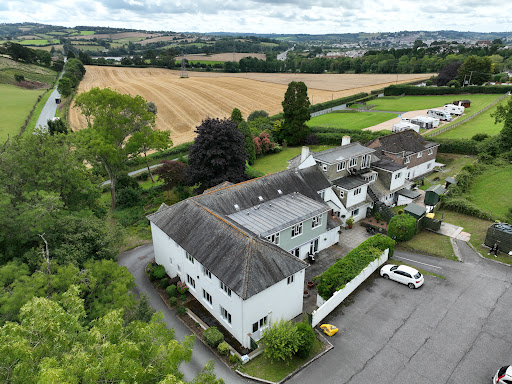
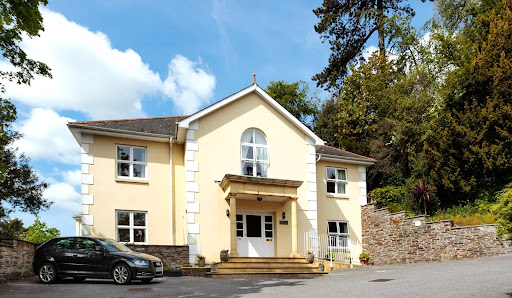
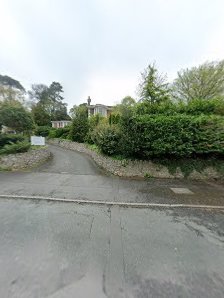
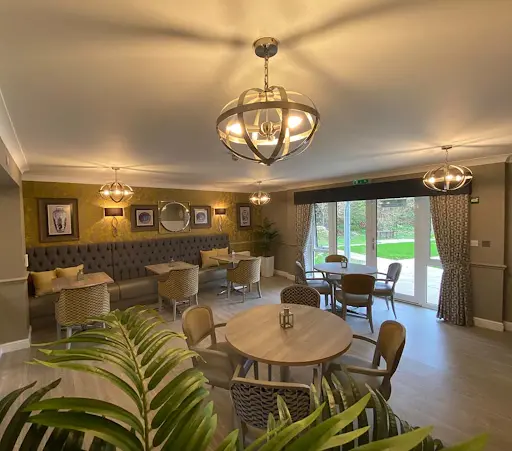
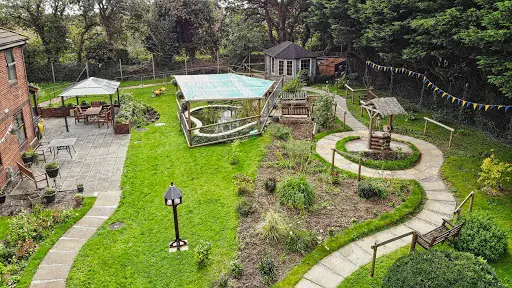
The home keeps its communal spaces and grounds well-maintained and clean. While the interior might be fairly basic according to some families, the rooms have what residents need and the overall environment is cared for.
“If you're looking for somewhere that can handle complex care situations with patience and understanding, it's worth getting in touch with Greenhill to discuss your family's needs.”
DCC does not edit or curate content in this tab. For independently curated information, see The Evidence and DCC Verdict.