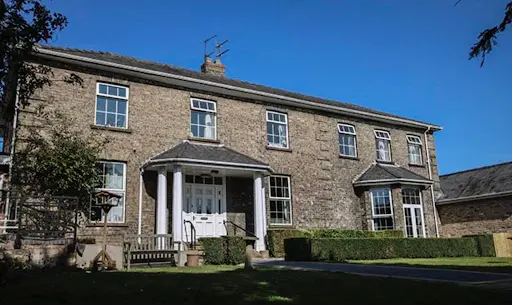
Eastfield Farm

At a Glance
The information you need to decide whether this home warrants a closer look.
Residential homes
Staff warmth score
of reviewers answered yes
Good to know
- Registered beds26
- SpecialismsCaring for adults over 65 yrs, Dementia, Learning disabilities, Physical disabilities, Sensory impairment
- Last inspected2018-08-09
Save Eastfield Farm to your shortlist
Keep a running list, add visit notes, and compare homes side-by-side. Free account — it takes a minute.
STAGE 4 — RESEARCHING CARE HOMES
Visit homes. Compare them side by side. Choose with confidence.
Most of us will view care homes the way we view houses, impression, atmosphere, the feeling in the corridor. We go home, try to remember what we saw, and make a permanent decision from a blurred memory.

The DCC shortlist gives every home you visit a structured record: the same twelve questions, answered the same way, every time. When you’re ready to choose, pull any two homes side by side and compare them directly. Same criteria, same evidence, your notes and your scores.
The Evidence
What the review data, the inspection reports, and the dementia-care evidence base tell us about this home.
What families say
The unrestricted visiting hours mean relatives can pop in whenever works for their schedule, and they're always made to feel welcome when they do. The rural setting particularly suits residents who've spent their lives in the countryside and find comfort in familiar landscapes.
The eight family priority themes
- Staff warmth65
- Compassion & dignity65
- Cleanliness60
- Activities & engagement55
- Food quality55
- Healthcare60
- Management & leadership70
- Resident happiness60
What inspectors found
Inspected 2018-08-09
Is this home safe?
Is the care effective?
The Effective domain was rated Good, meaning inspectors were broadly satisfied that staff had the skills and knowledge to care for residents appropriately, that care plans were in place, and that healthcare needs were being met. Dementia is listed as a specialism, which implies some structured approach to dementia care training and practice. No specific training records, care plan examples, GP access data or nutrition observations are described in the published report text. The home supports people with a range of needs including dementia, learning disabilities and physical disabilities, so staff are expected to have a broad skill set.Is this home caring?
The Caring domain was rated Good, meaning inspectors were satisfied that residents were treated with kindness, dignity and respect. This is the domain most closely aligned with what families tell us matters most — 57.3% of positive care home reviews mention warm, friendly staff. However, the published report contains no direct quotes from residents or relatives, no descriptions of specific staff interactions, and no observations from inspectors about how staff spoke to or supported residents during the visit. The improvement from a previous Requires Improvement rating suggests something meaningful changed, but the published text does not describe what that was.Is the home responsive?
The Responsive domain was rated Good, meaning inspectors were satisfied that the home was meeting residents' individual needs, including activities, social engagement and end-of-life care planning. The home supports people with dementia, learning disabilities, physical disabilities and sensory impairment — a diverse range of needs that requires genuinely tailored, individualised responses. No activity timetables, individual engagement examples, or end-of-life care descriptions are included in the published report text. Families welcomed and communication with relatives are not specifically described.Is the home well-led?
The Well-Led domain was rated Good, and named leadership is clearly in place: Mrs Rachel Reynolds is the Registered Manager and Mrs Susan Bowden is the Nominated Individual. The improvement from Requires Improvement to Good across all five domains between inspections is a significant indicator of effective leadership — something changed, and that change was sustained long enough to satisfy inspectors in July 2018. A monitoring review in July 2023, over five years later, found no reason to reassess the rating. However, no details about management visibility, staff culture, governance processes or how the home handled the previous improvement period are described in the published text.
Source: CQC inspection report →
What the evidence base says
The home provides care for people over 65 with a range of needs including sensory impairments, physical disabilities and learning disabilities. Dementia care is offered here, with the peaceful countryside setting potentially providing a calming environment for residents. All areas worth probing directly during a visit.
The DCC Verdict
Our editorial view, built from the three lenses: what families tell us, what inspectors record, and how the home sits against good dementia-care practice.
DCC Family Score
Eastfield Farm achieved a solid Good rating across all five domains after previously Requiring Improvement — a meaningful improvement — but the inspection report contains very limited specific detail, so the score reflects the positive direction of travel rather than rich, verified evidence of day-to-day quality.
Homes in Yorkshire & Humberside typically score 68–82.The three-lens summary
What families tell us
The unrestricted visiting hours mean relatives can pop in whenever works for their schedule, and they're always made to feel welcome when they do. The rural setting particularly suits residents who've spent their lives in the countryside and find comfort in familiar landscapes.
What inspectors have recorded
What stands out is how the team keeps families in the loop — relatives mention that staff reach out proactively with updates rather than waiting to be asked. While experiences with individual staff members can vary, families do encounter team members who really connect with their loved ones.
How it sits against good practice
The combination of rural tranquility and flexible family access creates a reassuring environment for those who've always preferred country life.
Worth a visit
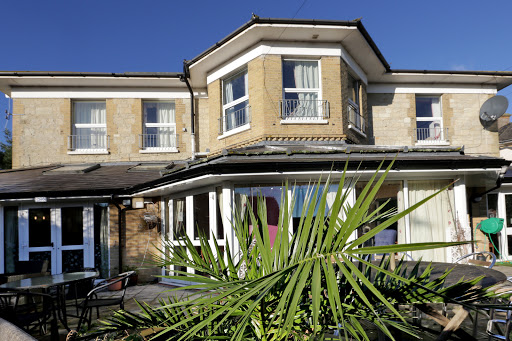
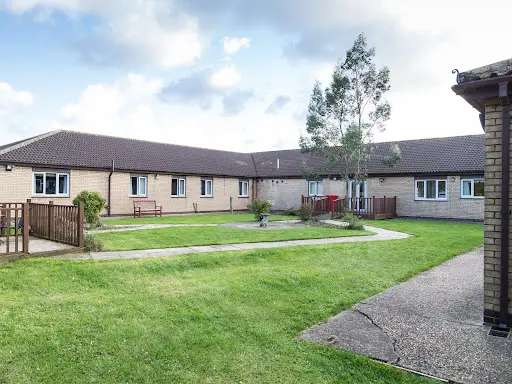
Eastfield Farm Residential Home Limited in Halsham, East Yorkshire, was inspected in July 2018 and rated Good across all five domains — a notable improvement from its previous Requires Improvement rating. The home is a small, 26-bed service supporting adults over 65, including people living with dementia, learning disabilities and physical disabilities. The fact that it turned around its rating is a positive signal: something changed, and inspectors were satisfied enough to award Good in every domain. Named management is in place, and a subsequent review in July 2023 found no evidence requiring a re-inspection or change of rating. The significant limitation here is that the publicly available inspection text contains very little specific detail about what daily life at Eastfield Farm actually looks like. There are no direct quotes from residents or families, no descriptions of staff interactions, no observations about mealtimes, activities or the environment. A Good rating means the bar was cleared — but it does not tell you by how much, and the inspection is now over six years old. If your parent has dementia, you should visit and ask specific questions: how many staff are on the unit overnight, how are agency staff inducted, what does a typical day look like for someone who cannot join group activities, and can you see the last care plan review for a current resident? The farm setting may also be an asset — ask whether your mum or dad would have safe, supported access to outdoor space.
The three questions to ask when you visitSave this home. Compare it against your shortlist.
Let our analysis show you how Eastfield Farm measures up against the other homes you’re considering. Free account.
In Their Own Words
How Eastfield Farm describes itself — collected from its own website. DCC has not edited or independently verified the content in this tab.
Countryside care home welcomes families with open arms
Residential home in Halsham Hull: True Peace of Mind
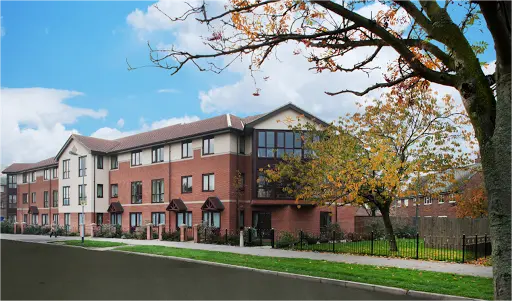
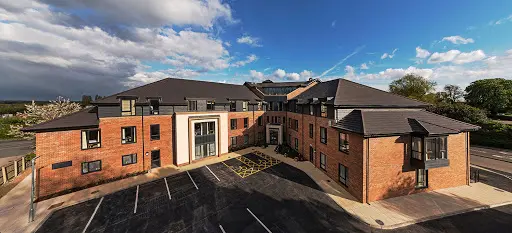
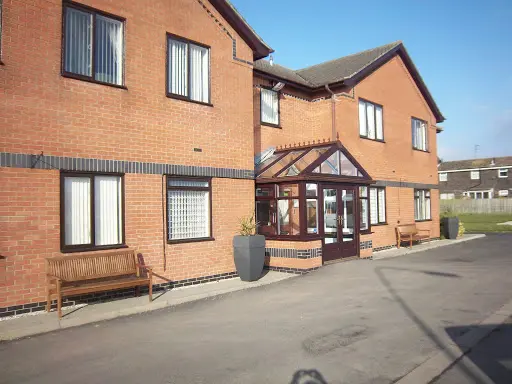
For families whose loved ones have always felt most at home in rural settings, Eastfield Farm Residential Home in Halsham offers care surrounded by Yorkshire countryside. The home supports residents with various needs including dementia, sensory impairments, physical disabilities and learning disabilities. Families appreciate that they can visit whenever suits them best, finding a welcoming atmosphere each time they arrive.
Who they care for
The home provides care for people over 65 with a range of needs including sensory impairments, physical disabilities and learning disabilities.
Dementia care is offered here, with the peaceful countryside setting potentially providing a calming environment for residents.
“The combination of rural tranquility and flexible family access creates a reassuring environment for those who've always preferred country life.”
DCC does not edit or curate content in this tab. For independently curated information, see The Evidence and DCC Verdict.
The DCC Verdict
Our editorial view, built from the three lenses: what families tell us, what inspectors record, and how the home sits against good dementia-care practice.
DCC Family Score
Eastfield Farm achieved a solid Good rating across all five domains after previously Requiring Improvement — a meaningful improvement — but the inspection report contains very limited specific detail, so the score reflects the positive direction of travel rather than rich, verified evidence of day-to-day quality.
Homes in Yorkshire & Humberside typically score 68–82.The three-lens summary
What families tell us
The unrestricted visiting hours mean relatives can pop in whenever works for their schedule, and they're always made to feel welcome when they do. The rural setting particularly suits residents who've spent their lives in the countryside and find comfort in familiar landscapes.
What inspectors have recorded
What stands out is how the team keeps families in the loop — relatives mention that staff reach out proactively with updates rather than waiting to be asked. While experiences with individual staff members can vary, families do encounter team members who really connect with their loved ones.
How it sits against good practice
The combination of rural tranquility and flexible family access creates a reassuring environment for those who've always preferred country life.
Worth a visit
Eastfield Farm Residential Home Limited in Halsham, East Yorkshire, was inspected in July 2018 and rated Good across all five domains — a notable improvement from its previous Requires Improvement rating. The home is a small, 26-bed service supporting adults over 65, including people living with dementia, learning disabilities and physical disabilities. The fact that it turned around its rating is a positive signal: something changed, and inspectors were satisfied enough to award Good in every domain. Named management is in place, and a subsequent review in July 2023 found no evidence requiring a re-inspection or change of rating. The significant limitation here is that the publicly available inspection text contains very little specific detail about what daily life at Eastfield Farm actually looks like. There are no direct quotes from residents or families, no descriptions of staff interactions, no observations about mealtimes, activities or the environment. A Good rating means the bar was cleared — but it does not tell you by how much, and the inspection is now over six years old. If your parent has dementia, you should visit and ask specific questions: how many staff are on the unit overnight, how are agency staff inducted, what does a typical day look like for someone who cannot join group activities, and can you see the last care plan review for a current resident? The farm setting may also be an asset — ask whether your mum or dad would have safe, supported access to outdoor space.
The three questions to ask when you visitSave this home. Compare it against your shortlist.
Let our analysis show you how Eastfield Farm measures up against the other homes you’re considering. Free account.
In Their Own Words
How Eastfield Farm describes itself — collected from its own website. DCC has not edited or independently verified the content in this tab.
Countryside care home welcomes families with open arms
Residential home in Halsham Hull: True Peace of Mind
For families whose loved ones have always felt most at home in rural settings, Eastfield Farm Residential Home in Halsham offers care surrounded by Yorkshire countryside. The home supports residents with various needs including dementia, sensory impairments, physical disabilities and learning disabilities. Families appreciate that they can visit whenever suits them best, finding a welcoming atmosphere each time they arrive.
Who they care for
The home provides care for people over 65 with a range of needs including sensory impairments, physical disabilities and learning disabilities.
Dementia care is offered here, with the peaceful countryside setting potentially providing a calming environment for residents.
Management & ethos
What stands out is how the team keeps families in the loop — relatives mention that staff reach out proactively with updates rather than waiting to be asked. While experiences with individual staff members can vary, families do encounter team members who really connect with their loved ones.
“The combination of rural tranquility and flexible family access creates a reassuring environment for those who've always preferred country life.”
DCC does not edit or curate content in this tab. For independently curated information, see The Evidence and DCC Verdict.