Dell Field Court
At a Glance
The information you need to decide whether this home warrants a closer look.
Residential homes, Specialist college service
Staff warmth score
of reviewers answered yes
Good to know
- Registered beds40
- SpecialismsCaring for adults over 65 yrs, Caring for adults under 65 yrs, Dementia, Mental health conditions
- Last inspected2022-01-21
Save Dell Field Court to your shortlist
Keep a running list, add visit notes, and compare homes side-by-side. Free account — it takes a minute.
STAGE 4 — RESEARCHING CARE HOMES
Visit homes. Compare them side by side. Choose with confidence.
Most of us will view care homes the way we view houses, impression, atmosphere, the feeling in the corridor. We go home, try to remember what we saw, and make a permanent decision from a blurred memory.

The DCC shortlist gives every home you visit a structured record: the same twelve questions, answered the same way, every time. When you’re ready to choose, pull any two homes side by side and compare them directly. Same criteria, same evidence, your notes and your scores.
The Evidence
What the review data, the inspection reports, and the dementia-care evidence base tell us about this home.
What families say
What strikes families most is how welcoming the whole place feels. Staff take time to chat with visitors, managers make themselves available for questions, and there's a warmth that comes through in the little things. People mention how their relatives seem genuinely content here, with staff who treat them as individuals rather than just residents.
The eight family priority themes
- Staff warmth52
- Compassion & dignity50
- Cleanliness55
- Activities & engagement50
- Food quality50
- Healthcare55
- Management & leadership62
- Resident happiness50
What inspectors found
Inspected 2022-01-21
Is this home safe?
Is the care effective?
The Effective domain was rated Good at the December 2021 inspection. This covers care planning, staff training, healthcare access, nutrition, and how well the home puts its knowledge into practice. No specific detail about dementia training, GP access, care plan content, or food quality is available in the published report text. The July 2023 monitoring review did not prompt a reassessment of this rating. Dell Field Court lists dementia and mental health conditions as specialisms, making effective, specialist care particularly relevant.Is this home caring?
The Caring domain was not yet rated at the time of the December 2021 inspection. This means inspectors did not formally evaluate how kind and respectful staff are, how well they protect dignity and independence, or how staff respond to residents' emotional needs during this inspection cycle. The July 2023 monitoring review also did not address this gap. Staff warmth and compassion are the two most important themes in our family review data, accounting for 57.3% and 55.2% of positive family reviews respectively.Is the home responsive?
The Responsive domain was not yet rated at the time of the December 2021 inspection. This means there is no formal inspection evidence about activities, how well the home responds to individual preferences, or end-of-life planning. The July 2023 monitoring review did not address this domain either. Dell Field Court cares for people with dementia and mental health conditions, for whom meaningful daily engagement is particularly important for wellbeing.Is the home well-led?
The Well-led domain was rated Good at the December 2021 inspection. A registered manager, Mr Jayram Sauba, and a nominated individual, Mrs Julie Riley, are named in the registration data, indicating a formal leadership structure is in place. No detail about management culture, staff empowerment, governance processes, or how the home responds to complaints or incidents is available in the published report. The July 2023 monitoring review found no evidence requiring a rating change.
Source: CQC inspection report →
What the evidence base says
Dell Field Court cares for adults both under and over 65, including those living with dementia or mental health conditions. Their multilingual staff team brings particular value for families from South Asian communities. For residents with dementia, the home provides dedicated support within their broader care approach. Staff show understanding of how dementia affects daily life, working to maintain routines and connections that matter to each person. All areas worth probing directly during a visit.
The DCC Verdict
Our editorial view, built from the three lenses: what families tell us, what inspectors record, and how the home sits against good dementia-care practice.
DCC Family Score
Dell Field Court was rated Good overall at its last inspection in December 2021, but the inspection report contains very limited published detail. Scores across most themes reflect a Good rating with insufficient specific evidence to push above the mid-range.
Homes in London typically score 68–82.The three-lens summary
What families tell us
What strikes families most is how welcoming the whole place feels. Staff take time to chat with visitors, managers make themselves available for questions, and there's a warmth that comes through in the little things. People mention how their relatives seem genuinely content here, with staff who treat them as individuals rather than just residents.
What inspectors have recorded
The management team here seems to have found their rhythm, with families noting how approachable and consistent the leadership is. Most people feel well-informed and included in care decisions, though occasionally communication between shifts could be tighter. The stability of the management team gives families confidence that standards stay consistent.
How it sits against good practice
Sometimes the best care comes from a team that speaks your language — literally and figuratively.
Worth a visit
Dell Field Court, in Finchley, North London, was rated Good overall at its inspection in December 2021, with Good ratings in the Safe, Effective, and Well-led domains. The Caring and Responsive domains were not yet rated at the time of that inspection, meaning a significant portion of what families care about most, how staff treat your parent day to day and whether your parent will have a meaningful life there, was not formally evaluated. A monitoring review carried out in July 2023 found no evidence requiring the rating to be changed, and the home remains registered and active with 40 beds, covering dementia, mental health conditions, and adults of varying ages. The most important limitation of this report is how little published detail sits behind the Good ratings. The inspection summary available contains no direct quotes from residents or relatives, no specific observations of care interactions, and no description of the physical environment. That means a Good rating here tells you the inspectors did not find serious problems, but it does not give you a picture of daily life. Before committing to this home, arrange a visit at an unscheduled time, ideally around a mealtime or activity session. Ask the manager to show you last week's actual staffing rota, ask what dementia training staff have completed in the past 12 months, and spend time in a communal area watching how staff interact with the people who live there. The answers you gather yourself will tell you far more than the published findings can.
The three questions to ask when you visitSave this home. Compare it against your shortlist.
Let our analysis show you how Dell Field Court measures up against the other homes you’re considering. Free account.
In Their Own Words
How Dell Field Court describes itself — collected from its own website. DCC has not edited or independently verified the content in this tab.
Where different languages and cultures feel right at home
Dedicated residential home,education disability services Support in London
When you're looking for care that understands cultural traditions and speaks your language, Dell Field Court in London brings something special to the table. Families talk about walking in and hearing staff chatting in Gujarati or Hindi, seeing familiar foods on the menu, and watching their relatives relax into an environment that gets who they are. It's this blend of professional care with cultural understanding that seems to make the difference here.
Who they care for
Dell Field Court cares for adults both under and over 65, including those living with dementia or mental health conditions. Their multilingual staff team brings particular value for families from South Asian communities.
For residents with dementia, the home provides dedicated support within their broader care approach. Staff show understanding of how dementia affects daily life, working to maintain routines and connections that matter to each person.
“Sometimes the best care comes from a team that speaks your language — literally and figuratively.”
DCC does not edit or curate content in this tab. For independently curated information, see The Evidence and DCC Verdict.
The DCC Verdict
Our editorial view, built from the three lenses: what families tell us, what inspectors record, and how the home sits against good dementia-care practice.
DCC Family Score
Dell Field Court was rated Good overall at its last inspection in December 2021, but the inspection report contains very limited published detail. Scores across most themes reflect a Good rating with insufficient specific evidence to push above the mid-range.
Homes in London typically score 68–82.The three-lens summary
What families tell us
What strikes families most is how welcoming the whole place feels. Staff take time to chat with visitors, managers make themselves available for questions, and there's a warmth that comes through in the little things. People mention how their relatives seem genuinely content here, with staff who treat them as individuals rather than just residents.
What inspectors have recorded
The management team here seems to have found their rhythm, with families noting how approachable and consistent the leadership is. Most people feel well-informed and included in care decisions, though occasionally communication between shifts could be tighter. The stability of the management team gives families confidence that standards stay consistent.
How it sits against good practice
Sometimes the best care comes from a team that speaks your language — literally and figuratively.
Worth a visit
Dell Field Court, in Finchley, North London, was rated Good overall at its inspection in December 2021, with Good ratings in the Safe, Effective, and Well-led domains. The Caring and Responsive domains were not yet rated at the time of that inspection, meaning a significant portion of what families care about most, how staff treat your parent day to day and whether your parent will have a meaningful life there, was not formally evaluated. A monitoring review carried out in July 2023 found no evidence requiring the rating to be changed, and the home remains registered and active with 40 beds, covering dementia, mental health conditions, and adults of varying ages. The most important limitation of this report is how little published detail sits behind the Good ratings. The inspection summary available contains no direct quotes from residents or relatives, no specific observations of care interactions, and no description of the physical environment. That means a Good rating here tells you the inspectors did not find serious problems, but it does not give you a picture of daily life. Before committing to this home, arrange a visit at an unscheduled time, ideally around a mealtime or activity session. Ask the manager to show you last week's actual staffing rota, ask what dementia training staff have completed in the past 12 months, and spend time in a communal area watching how staff interact with the people who live there. The answers you gather yourself will tell you far more than the published findings can.
The three questions to ask when you visitSave this home. Compare it against your shortlist.
Let our analysis show you how Dell Field Court measures up against the other homes you’re considering. Free account.
In Their Own Words
How Dell Field Court describes itself — collected from its own website. DCC has not edited or independently verified the content in this tab.
Where different languages and cultures feel right at home
Dedicated residential home,education disability services Support in London
When you're looking for care that understands cultural traditions and speaks your language, Dell Field Court in London brings something special to the table. Families talk about walking in and hearing staff chatting in Gujarati or Hindi, seeing familiar foods on the menu, and watching their relatives relax into an environment that gets who they are. It's this blend of professional care with cultural understanding that seems to make the difference here.
Who they care for
Dell Field Court cares for adults both under and over 65, including those living with dementia or mental health conditions. Their multilingual staff team brings particular value for families from South Asian communities.
For residents with dementia, the home provides dedicated support within their broader care approach. Staff show understanding of how dementia affects daily life, working to maintain routines and connections that matter to each person.
Management & ethos
The management team here seems to have found their rhythm, with families noting how approachable and consistent the leadership is. Most people feel well-informed and included in care decisions, though occasionally communication between shifts could be tighter. The stability of the management team gives families confidence that standards stay consistent.
The home & environment
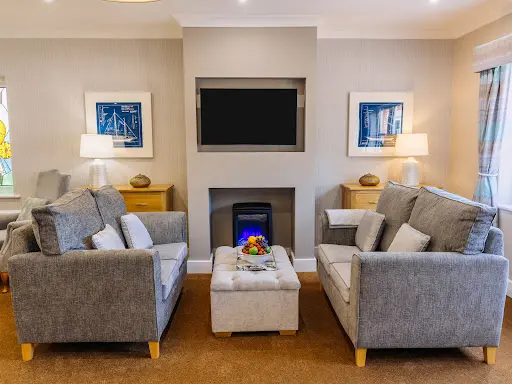
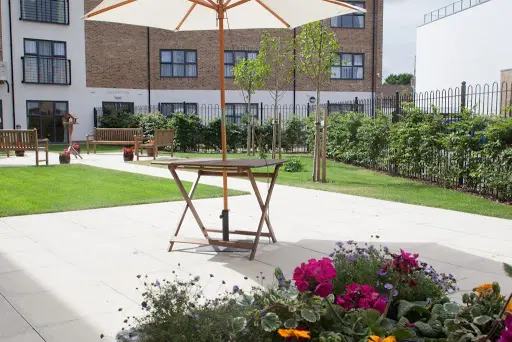
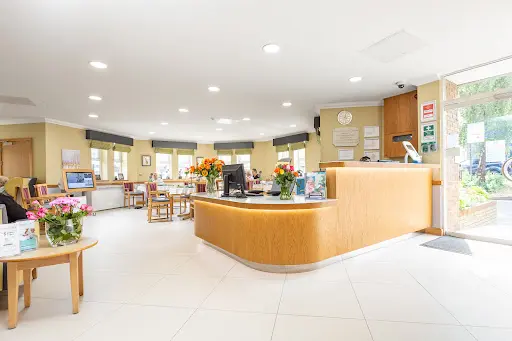
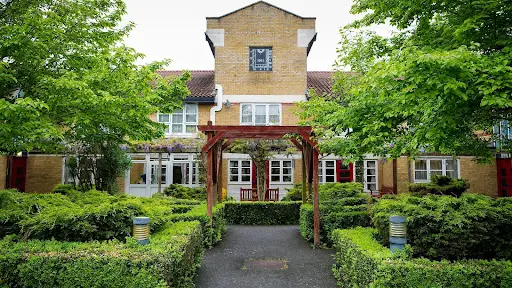
The recent refurbishment shows in the bright, clean rooms and communal areas that families appreciate. But it's the kitchen that gets the real praise — they adapt menus for different cultural backgrounds and dietary needs, whether that's traditional Gujarati dishes or specific medical requirements. Families say their relatives actually enjoy mealtimes again.
“Sometimes the best care comes from a team that speaks your language — literally and figuratively.”
DCC does not edit or curate content in this tab. For independently curated information, see The Evidence and DCC Verdict.