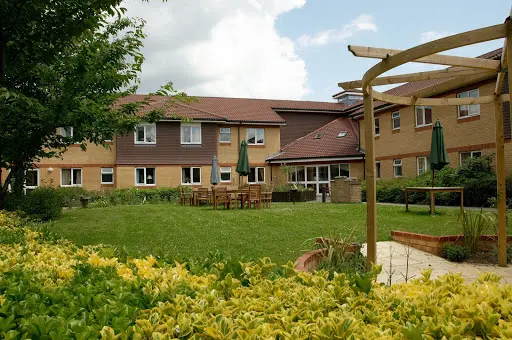
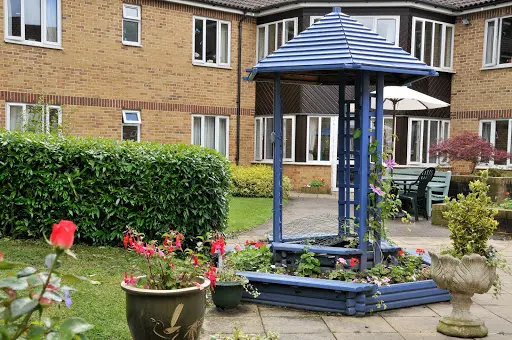
Cantelowes House Nursing & Residential Care Home

At a Glance
The information you need to decide whether this home warrants a closer look.
Nursing homes
Staff warmth score
of reviewers answered yes
Good to know
- Registered beds34
- SpecialismsCaring for adults over 65 yrs, Caring for adults under 65 yrs, Dementia, Physical disabilities, Sensory impairment
- Last inspected2023-01-19
Save Cantelowes House Nursing & Residential Care Home to your shortlist
Keep a running list, add visit notes, and compare homes side-by-side. Free account — it takes a minute.
STAGE 4 — RESEARCHING CARE HOMES
Visit homes. Compare them side by side. Choose with confidence.
Most of us will view care homes the way we view houses, impression, atmosphere, the feeling in the corridor. We go home, try to remember what we saw, and make a permanent decision from a blurred memory.

The DCC shortlist gives every home you visit a structured record: the same twelve questions, answered the same way, every time. When you’re ready to choose, pull any two homes side by side and compare them directly. Same criteria, same evidence, your notes and your scores.
The Evidence
What the review data, the inspection reports, and the dementia-care evidence base tell us about this home.
What families say
Visitors often comment on the welcoming atmosphere that makes them feel genuinely included. The home runs regular social activities where residents seem relaxed and engaged. Families appreciate being treated as partners in their loved one's care, not just visitors.
The eight family priority themes
- Staff warmth72
- Compassion & dignity72
- Cleanliness70
- Activities & engagement65
- Food quality65
- Healthcare70
- Management & leadership72
- Resident happiness68
What inspectors found
Inspected 2023-01-19
Is this home safe?
Is the care effective?
The June 2025 inspection rated this domain Good. The home holds a nursing registration, which means it is expected to maintain clinical oversight and qualified staff. The published report does not include detail on care plan quality, GP access arrangements, dementia training content, or how food quality and dietary needs are managed. The home lists dementia as a specialism, which implies some structured approach to dementia-specific practice, but no specifics are available from the published findings.Is this home caring?
The June 2025 inspection rated this domain Good. This is the domain most directly linked to whether your parent is treated with warmth, respect, and dignity on a daily basis. The published report contains no inspector observations of staff interactions, no quotes from residents or relatives, and no description of how staff communicate with people who have dementia or other complex needs. A Good rating is the inspectors' overall judgement but the evidence behind it is not visible in the published text.Is the home responsive?
The June 2025 inspection rated this domain Good. Responsiveness covers whether your parent will have a meaningful life at the home, including access to activities, one-to-one engagement, and care that reflects their individual preferences and background. The published report provides no detail on the activities programme, how the home supports people who cannot join group sessions, or how end-of-life care is planned. The home does list dementia and sensory impairment as specialisms, which suggests some structured thinking about individual need.Is the home well-led?
The June 2025 inspection rated this domain Good. A named registered manager, Mrs Andrea Clare Aboud, is in post, and Mr Anthony George Alderman is listed as Nominated Individual. The home's trajectory from a previous Requires Improvement rating to a current Good across all domains suggests meaningful leadership action was taken in the intervening period. The published report does not describe the management culture, staff morale, governance processes, or how the home handles complaints and learning from incidents.
Source: CQC inspection report →
What the evidence base says
The home welcomes residents with various needs including dementia, physical disabilities and sensory impairments. They care for both younger adults under 65 and older residents. For those living with dementia, the stable staffing helps create reassuring routines and familiar faces. The team focuses on maintaining dignity and comfort throughout each person's journey. All areas worth probing directly during a visit.
The DCC Verdict
Our editorial view, built from the three lenses: what families tell us, what inspectors record, and how the home sits against good dementia-care practice.
DCC Family Score
The home's most recent assessment (June 2025) returned a Good rating across all five domains, representing a recovery from the previous Requires Improvement rating. However, the published inspection report provided to us contains very limited specific detail, so scores reflect moderate confidence rather than strong verified evidence.
Homes in London typically score 68–82.The three-lens summary
What families tell us
Visitors often comment on the welcoming atmosphere that makes them feel genuinely included. The home runs regular social activities where residents seem relaxed and engaged. Families appreciate being treated as partners in their loved one's care, not just visitors.
What inspectors have recorded
What stands out here is how many staff stay for years, building deep knowledge of each resident's needs and preferences. The team shows real emotional investment in residents' wellbeing, treating people with respect and attention to individual comfort. Recent changes in management have raised some concerns, though the core care team remains committed.
How it sits against good practice
With its established care team and focus on individual relationships, this Barnet home offers genuine stability for residents who need consistent, compassionate support.
Worth a visit
Eleanor Palmer Trust Home, a 34-bed nursing home in Barnet, was assessed in June 2025 and rated Good across all five inspection domains: Safe, Effective, Caring, Responsive, and Well-led. This is a meaningful recovery from an earlier Requires Improvement rating and suggests that whatever prompted the decline has been addressed. The home is registered to provide nursing care and lists dementia, physical disabilities, and sensory impairment as specialisms, with a named registered manager in post. The main limitation for any family reading this is that the published inspection report provided contains very little specific detail. There are no inspector observations, no resident or relative quotes, and no description of what inspectors actually saw on the day. A Good rating is genuinely reassuring, but it does not answer the questions that matter most to you: whether your parent will be spoken to kindly by name, whether there are enough staff on at night, or whether the activities programme reaches people who cannot join a group. Use the full checklist above as your guide for a visit, and ask the manager to walk you through what changed between the Requires Improvement and the current Good rating. That conversation will tell you a great deal about the quality of leadership.
The three questions to ask when you visitSave this home. Compare it against your shortlist.
Let our analysis show you how Cantelowes House Nursing & Residential Care Home measures up against the other homes you’re considering. Free account.
In Their Own Words
How Cantelowes House Nursing & Residential Care Home describes itself — collected from its own website. DCC has not edited or independently verified the content in this tab.
Where long-serving staff create a warm, stable community
Eleanor Palmer Trust Home – Expert Care in Barnet
Eleanor Palmer Trust Home in Barnet has built something special through years of dedicated care. Families describe a place where staff truly know their residents, creating genuine connections that last. The team here understands that good care comes from consistency and real relationships.
Who they care for
The home welcomes residents with various needs including dementia, physical disabilities and sensory impairments. They care for both younger adults under 65 and older residents.
For those living with dementia, the stable staffing helps create reassuring routines and familiar faces. The team focuses on maintaining dignity and comfort throughout each person's journey.
“With its established care team and focus on individual relationships, this Barnet home offers genuine stability for residents who need consistent, compassionate support.”
DCC does not edit or curate content in this tab. For independently curated information, see The Evidence and DCC Verdict.
The DCC Verdict
Our editorial view, built from the three lenses: what families tell us, what inspectors record, and how the home sits against good dementia-care practice.
DCC Family Score
The home's most recent assessment (June 2025) returned a Good rating across all five domains, representing a recovery from the previous Requires Improvement rating. However, the published inspection report provided to us contains very limited specific detail, so scores reflect moderate confidence rather than strong verified evidence.
Homes in London typically score 68–82.The three-lens summary
What families tell us
Visitors often comment on the welcoming atmosphere that makes them feel genuinely included. The home runs regular social activities where residents seem relaxed and engaged. Families appreciate being treated as partners in their loved one's care, not just visitors.
What inspectors have recorded
What stands out here is how many staff stay for years, building deep knowledge of each resident's needs and preferences. The team shows real emotional investment in residents' wellbeing, treating people with respect and attention to individual comfort. Recent changes in management have raised some concerns, though the core care team remains committed.
How it sits against good practice
With its established care team and focus on individual relationships, this Barnet home offers genuine stability for residents who need consistent, compassionate support.
Worth a visit
Eleanor Palmer Trust Home, a 34-bed nursing home in Barnet, was assessed in June 2025 and rated Good across all five inspection domains: Safe, Effective, Caring, Responsive, and Well-led. This is a meaningful recovery from an earlier Requires Improvement rating and suggests that whatever prompted the decline has been addressed. The home is registered to provide nursing care and lists dementia, physical disabilities, and sensory impairment as specialisms, with a named registered manager in post. The main limitation for any family reading this is that the published inspection report provided contains very little specific detail. There are no inspector observations, no resident or relative quotes, and no description of what inspectors actually saw on the day. A Good rating is genuinely reassuring, but it does not answer the questions that matter most to you: whether your parent will be spoken to kindly by name, whether there are enough staff on at night, or whether the activities programme reaches people who cannot join a group. Use the full checklist above as your guide for a visit, and ask the manager to walk you through what changed between the Requires Improvement and the current Good rating. That conversation will tell you a great deal about the quality of leadership.
The three questions to ask when you visitSave this home. Compare it against your shortlist.
Let our analysis show you how Cantelowes House Nursing & Residential Care Home measures up against the other homes you’re considering. Free account.
In Their Own Words
How Cantelowes House Nursing & Residential Care Home describes itself — collected from its own website. DCC has not edited or independently verified the content in this tab.
Where long-serving staff create a warm, stable community
Eleanor Palmer Trust Home – Expert Care in Barnet
Eleanor Palmer Trust Home in Barnet has built something special through years of dedicated care. Families describe a place where staff truly know their residents, creating genuine connections that last. The team here understands that good care comes from consistency and real relationships.
Who they care for
The home welcomes residents with various needs including dementia, physical disabilities and sensory impairments. They care for both younger adults under 65 and older residents.
For those living with dementia, the stable staffing helps create reassuring routines and familiar faces. The team focuses on maintaining dignity and comfort throughout each person's journey.
Management & ethos
What stands out here is how many staff stay for years, building deep knowledge of each resident's needs and preferences. The team shows real emotional investment in residents' wellbeing, treating people with respect and attention to individual comfort. Recent changes in management have raised some concerns, though the core care team remains committed.
“With its established care team and focus on individual relationships, this Barnet home offers genuine stability for residents who need consistent, compassionate support.”
DCC does not edit or curate content in this tab. For independently curated information, see The Evidence and DCC Verdict.