Burrows House
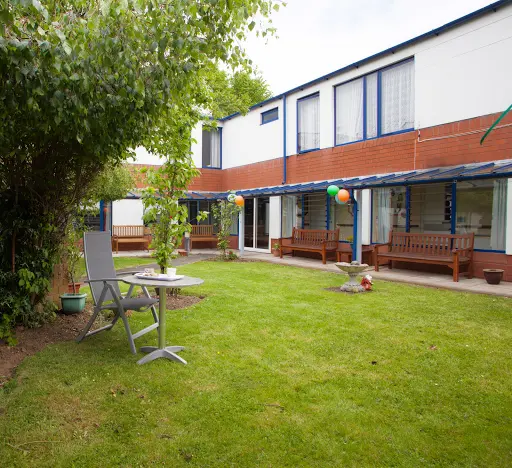
At a Glance
The information you need to decide whether this home warrants a closer look.
Residential homes
Staff warmth score
of reviewers answered yes
Good to know
- Registered beds54
- SpecialismsCaring for adults over 65 yrs, Caring for adults under 65 yrs, Dementia
- Last inspected2018-08-01
Save Burrows House to your shortlist
Keep a running list, add visit notes, and compare homes side-by-side. Free account — it takes a minute.
STAGE 4 — RESEARCHING CARE HOMES
Visit homes. Compare them side by side. Choose with confidence.
Most of us will view care homes the way we view houses, impression, atmosphere, the feeling in the corridor. We go home, try to remember what we saw, and make a permanent decision from a blurred memory.

The DCC shortlist gives every home you visit a structured record: the same twelve questions, answered the same way, every time. When you’re ready to choose, pull any two homes side by side and compare them directly. Same criteria, same evidence, your notes and your scores.
The Evidence
What the review data, the inspection reports, and the dementia-care evidence base tell us about this home.
What families say
Visitors talk about walking in to find staff sitting with residents, chatting naturally even when responses don't quite make sense. There's a particular patience here that families notice — the kind that means a confused question gets answered gently for the third time that morning without any hint of frustration.
The eight family priority themes
- Staff warmth72
- Compassion & dignity72
- Cleanliness68
- Activities & engagement60
- Food quality55
- Healthcare65
- Management & leadership72
- Resident happiness68
What inspectors found
Inspected 2018-08-01
Is this home safe?
Is the care effective?
Burrows House was rated Good for Effective practice at its October 2020 inspection. The home lists dementia as a specialism. The published report does not include specific detail on care plan quality, GP access, dementia training content, nutrition assessment, or how residents' health is monitored over time. No direct observations or records are cited in the available text.Is this home caring?
Burrows House was rated Good for Caring at its October 2020 inspection. The published report does not include direct observations of staff interactions, quotes from residents or relatives about how they are treated, or examples of dignity and privacy in practice. A Good rating in this domain indicates inspectors did not find evidence of poor or disrespectful care during the inspection.Is the home responsive?
Burrows House was rated Good for Responsive care at its October 2020 inspection. The home declares dementia as a specialism for its 54 residents. The published report does not include detail on the activities programme, how individual preferences shape daily routines, end-of-life care planning, or how the home responds to complaints. No specific examples of tailored care or engagement are cited.Is the home well-led?
Burrows House was rated Good for Well-led at its October 2020 inspection, having previously been rated Requires Improvement. Ms Maryam Timamy is the registered manager and Mr Sunil Cheekoory is the Nominated Individual, indicating a defined governance structure. The published report does not provide detail on management visibility, staff culture, how concerns are raised and acted on, or how the home has developed its quality processes since the earlier rating.
Source: CQC inspection report →
What the evidence base says
The home cares for adults both under and over 65, with particular experience supporting people living with dementia. Staff here seem to have developed real skills for those moments when dementia makes communication difficult. Families mention seeing genuine warmth continue even when their relative no longer recognises anyone — that ability to meet someone where they are rather than where we wish they could be. All areas worth probing directly during a visit.
The DCC Verdict
Our editorial view, built from the three lenses: what families tell us, what inspectors record, and how the home sits against good dementia-care practice.
DCC Family Score
Burrows House received a Good rating across all five inspection domains, having improved from Requires Improvement. Scores reflect that positive findings are confirmed at domain level but the published report text contains limited specific observations, quotes, or detail to push individual themes higher.
Homes in London typically score 68–82.The three-lens summary
What families tell us
Visitors talk about walking in to find staff sitting with residents, chatting naturally even when responses don't quite make sense. There's a particular patience here that families notice — the kind that means a confused question gets answered gently for the third time that morning without any hint of frustration.
What inspectors have recorded
Families describe staff who stay calm and affectionate even during difficult moments, whether that's persistent confusion or the restlessness that often comes with dementia. Several people have mentioned how reassuring it was to know someone was genuinely present with their relative during their final days — not just checking in, but actually being there.
How it sits against good practice
Some decisions feel impossible until you find a place that understands what you're going through.
Worth a visit
Burrows House, at 12 Derwent Road, London SE20 8SW, was rated Good across all five inspection domains at its most recent inspection on 23 October 2020. This is a meaningful result because the home had previously been rated Requires Improvement, meaning the team identified what was wrong and fixed it before inspectors returned. The home supports 54 residents, including people living with dementia, and has a named registered manager in post. The main limitation of this report for families is that the published text is very brief and contains almost no specific observations, quotes from residents or relatives, or detailed evidence about day-to-day life inside the home. A Good rating tells you the inspection found no significant concerns, but it does not tell you what mealtimes feel like, how staff respond to distress, or how many carers are on at night. Given how much has changed since 2020, treat this report as a starting point only. Visit in person, ask to see last week's staffing rota, and speak directly to the registered manager about how the home has developed since the inspection.
The three questions to ask when you visitSave this home. Compare it against your shortlist.
Let our analysis show you how Burrows House measures up against the other homes you’re considering. Free account.
In Their Own Words
How Burrows House describes itself — collected from its own website. DCC has not edited or independently verified the content in this tab.
Where families find comfort through dementia's toughest moments
Dedicated residential home Support in London
When dementia changes everything, families visiting Burrows House in London often describe finding something they weren't sure existed — staff who genuinely understand how to connect with someone whose world has shifted. This established home has supported families through some of life's hardest transitions, particularly when cognitive changes make everyday interactions challenging.
Who they care for
The home cares for adults both under and over 65, with particular experience supporting people living with dementia.
Staff here seem to have developed real skills for those moments when dementia makes communication difficult. Families mention seeing genuine warmth continue even when their relative no longer recognises anyone — that ability to meet someone where they are rather than where we wish they could be.
“Some decisions feel impossible until you find a place that understands what you're going through.”
DCC does not edit or curate content in this tab. For independently curated information, see The Evidence and DCC Verdict.
The DCC Verdict
Our editorial view, built from the three lenses: what families tell us, what inspectors record, and how the home sits against good dementia-care practice.
DCC Family Score
Burrows House received a Good rating across all five inspection domains, having improved from Requires Improvement. Scores reflect that positive findings are confirmed at domain level but the published report text contains limited specific observations, quotes, or detail to push individual themes higher.
Homes in London typically score 68–82.The three-lens summary
What families tell us
Visitors talk about walking in to find staff sitting with residents, chatting naturally even when responses don't quite make sense. There's a particular patience here that families notice — the kind that means a confused question gets answered gently for the third time that morning without any hint of frustration.
What inspectors have recorded
Families describe staff who stay calm and affectionate even during difficult moments, whether that's persistent confusion or the restlessness that often comes with dementia. Several people have mentioned how reassuring it was to know someone was genuinely present with their relative during their final days — not just checking in, but actually being there.
How it sits against good practice
Some decisions feel impossible until you find a place that understands what you're going through.
Worth a visit
Burrows House, at 12 Derwent Road, London SE20 8SW, was rated Good across all five inspection domains at its most recent inspection on 23 October 2020. This is a meaningful result because the home had previously been rated Requires Improvement, meaning the team identified what was wrong and fixed it before inspectors returned. The home supports 54 residents, including people living with dementia, and has a named registered manager in post. The main limitation of this report for families is that the published text is very brief and contains almost no specific observations, quotes from residents or relatives, or detailed evidence about day-to-day life inside the home. A Good rating tells you the inspection found no significant concerns, but it does not tell you what mealtimes feel like, how staff respond to distress, or how many carers are on at night. Given how much has changed since 2020, treat this report as a starting point only. Visit in person, ask to see last week's staffing rota, and speak directly to the registered manager about how the home has developed since the inspection.
The three questions to ask when you visitSave this home. Compare it against your shortlist.
Let our analysis show you how Burrows House measures up against the other homes you’re considering. Free account.
In Their Own Words
How Burrows House describes itself — collected from its own website. DCC has not edited or independently verified the content in this tab.
Where families find comfort through dementia's toughest moments
Dedicated residential home Support in London
When dementia changes everything, families visiting Burrows House in London often describe finding something they weren't sure existed — staff who genuinely understand how to connect with someone whose world has shifted. This established home has supported families through some of life's hardest transitions, particularly when cognitive changes make everyday interactions challenging.
Who they care for
The home cares for adults both under and over 65, with particular experience supporting people living with dementia.
Staff here seem to have developed real skills for those moments when dementia makes communication difficult. Families mention seeing genuine warmth continue even when their relative no longer recognises anyone — that ability to meet someone where they are rather than where we wish they could be.
Management & ethos
Families describe staff who stay calm and affectionate even during difficult moments, whether that's persistent confusion or the restlessness that often comes with dementia. Several people have mentioned how reassuring it was to know someone was genuinely present with their relative during their final days — not just checking in, but actually being there.
“Some decisions feel impossible until you find a place that understands what you're going through.”
DCC does not edit or curate content in this tab. For independently curated information, see The Evidence and DCC Verdict.