Barchester – Ashford House Care Home
At a Glance
The information you need to decide whether this home warrants a closer look.
Nursing homes
Staff warmth score
of reviewers answered yes
Good to know
- Registered beds54
- SpecialismsCaring for adults over 65 yrs, Dementia
- Last inspected2020-03-19
Save Barchester – Ashford House Care Home to your shortlist
Keep a running list, add visit notes, and compare homes side-by-side. Free account — it takes a minute.
STAGE 4 — RESEARCHING CARE HOMES
Visit homes. Compare them side by side. Choose with confidence.
Most of us will view care homes the way we view houses, impression, atmosphere, the feeling in the corridor. We go home, try to remember what we saw, and make a permanent decision from a blurred memory.

The DCC shortlist gives every home you visit a structured record: the same twelve questions, answered the same way, every time. When you’re ready to choose, pull any two homes side by side and compare them directly. Same criteria, same evidence, your notes and your scores.
The Evidence
What the review data, the inspection reports, and the dementia-care evidence base tell us about this home.
What families say
There's something reassuring about the way staff greet both residents and visitors here — it's warm without being overwhelming. Families mention how quickly their relatives settled in, even those who'd struggled with previous moves or come straight from hospital. The activities programme keeps people busy too, with everything from pet therapy visits to exercise classes and regular entertainment.
The eight family priority themes
- Staff warmth72
- Compassion & dignity72
- Cleanliness70
- Activities & engagement65
- Food quality65
- Healthcare70
- Management & leadership75
- Resident happiness68
What inspectors found
Inspected 2020-03-19
Is this home safe?
Is the care effective?
The Effective domain was rated Good at the March 2021 inspection. This domain covers staff training, care planning, access to healthcare professionals, nutrition and hydration, and whether care is evidence-based. Dementia is listed as a specialism, which means inspectors would have considered whether staff had relevant dementia training. The published summary does not include specific detail on training content, care plan quality, GP access frequency, or how food and nutrition are managed. No concerns were raised in the published summary.Is this home caring?
The Caring domain was rated Good at the March 2021 inspection. This domain covers staff warmth, dignity, respect, privacy, and whether residents are supported to remain as independent as possible. The published summary does not include inspector observations of staff interactions, preferred name use, or examples of how dignity was maintained in practice. No concerns were raised and no quotes from residents or relatives appear in the published summary.Is the home responsive?
The Responsive domain was rated Good at the March 2021 inspection. This domain covers whether the home provides activities and engagement, responds to individual needs and preferences, and has a complaints process in place. Dementia is listed as a specialism, which means individual engagement and meaningful activity are expected to be part of everyday care. The published summary does not include information about the activity programme, one-to-one engagement, or how the home responds to individual preferences. No concerns were raised in the published summary.Is the home well-led?
The Well-Led domain was rated Good at the March 2021 inspection, improving from Requires Improvement. A named registered manager (Mrs Daisy Antonio Mingle) and a named nominated individual (Mr Dominic Jude Kay) are recorded. Ashford House is run by Barchester Healthcare Homes Limited, a large national provider. The improvement from Requires Improvement to Good in this domain suggests that governance and leadership concerns identified in the previous inspection were resolved. The published summary does not include detail on manager visibility, staff culture, or how the home uses feedback from residents and families.
Source: CQC inspection report →
What the evidence base says
Ashford House focuses on caring for people over 65, with particular expertise in dementia care. The team understand the specific challenges that come with cognitive decline and have developed approaches that help residents feel secure and valued. Staff here show genuine understanding of how to support people with dementia — not just managing symptoms but helping residents maintain their sense of self. Families particularly appreciate how the team create that calm, predictable environment that helps their relatives feel less anxious and more at home. All areas worth probing directly during a visit.
The DCC Verdict
Our editorial view, built from the three lenses: what families tell us, what inspectors record, and how the home sits against good dementia-care practice.
DCC Family Score
Ashford House improved from Requires Improvement to Good across all five inspection domains, which is a meaningful positive trend. However, the published inspection text contains very limited specific detail, so scores reflect the rating itself and the improvement trajectory rather than rich observational evidence.
Homes in South East typically score 68–82.The three-lens summary
What families tell us
There's something reassuring about the way staff greet both residents and visitors here — it's warm without being overwhelming. Families mention how quickly their relatives settled in, even those who'd struggled with previous moves or come straight from hospital. The activities programme keeps people busy too, with everything from pet therapy visits to exercise classes and regular entertainment.
What inspectors have recorded
The management team here are properly hands-on — families know they can reach them when needed, and problems get sorted quickly. There's a real sense that the leadership care about the small details that make a difference to residents' daily lives. When families have concerns or questions, they find the managers accessible and responsive.
How it sits against good practice
If you're looking for dementia care in the Stanwell area, it's worth seeing how the team at Ashford House approach things — their genuine warmth comes through in everything they do.
Worth a visit
Ashford House in Stanwell was rated Good at its last inspection in March 2021, with all five domains (Safe, Effective, Caring, Responsive, and Well-Led) rated Good. This is a meaningful improvement from its previous Requires Improvement rating, which suggests the home identified what was wrong and fixed it. A named registered manager and a clear organisational structure through Barchester Healthcare were in place at the time of the inspection. The main limitation of this report is that the published inspection summary contains very little specific detail. There are no inspector observations, no resident or family quotes, and no data on staffing ratios, activity programmes, food quality, or dementia care practice. The Good ratings are a positive signal, but they are not a substitute for what you will learn on a visit. When you go, ask to see last week's actual staffing rota (not a template), ask what one-to-one engagement is available for residents who cannot join group activities, and ask how the home communicates with families when something changes.
The three questions to ask when you visitSave this home. Compare it against your shortlist.
Let our analysis show you how Barchester – Ashford House Care Home measures up against the other homes you’re considering. Free account.
In Their Own Words
How Barchester – Ashford House Care Home describes itself — collected from its own website. DCC has not edited or independently verified the content in this tab.
Where dementia care feels genuinely personal and residents stay engaged
Nursing home in Stanwell: True Peace of Mind
Families describe a real sense of relief when they see how settled their relatives become at Ashford House in Stanwell. The staff here seem to have a natural understanding of what works for people living with dementia — creating that calm, steady environment where residents can relax and be themselves. What strikes visitors most is how genuinely engaged the team are with everyone who lives here.
Who they care for
Ashford House focuses on caring for people over 65, with particular expertise in dementia care. The team understand the specific challenges that come with cognitive decline and have developed approaches that help residents feel secure and valued.
Staff here show genuine understanding of how to support people with dementia — not just managing symptoms but helping residents maintain their sense of self. Families particularly appreciate how the team create that calm, predictable environment that helps their relatives feel less anxious and more at home.
“If you're looking for dementia care in the Stanwell area, it's worth seeing how the team at Ashford House approach things — their genuine warmth comes through in everything they do.”
DCC does not edit or curate content in this tab. For independently curated information, see The Evidence and DCC Verdict.
The DCC Verdict
Our editorial view, built from the three lenses: what families tell us, what inspectors record, and how the home sits against good dementia-care practice.
DCC Family Score
Ashford House improved from Requires Improvement to Good across all five inspection domains, which is a meaningful positive trend. However, the published inspection text contains very limited specific detail, so scores reflect the rating itself and the improvement trajectory rather than rich observational evidence.
Homes in South East typically score 68–82.The three-lens summary
What families tell us
There's something reassuring about the way staff greet both residents and visitors here — it's warm without being overwhelming. Families mention how quickly their relatives settled in, even those who'd struggled with previous moves or come straight from hospital. The activities programme keeps people busy too, with everything from pet therapy visits to exercise classes and regular entertainment.
What inspectors have recorded
The management team here are properly hands-on — families know they can reach them when needed, and problems get sorted quickly. There's a real sense that the leadership care about the small details that make a difference to residents' daily lives. When families have concerns or questions, they find the managers accessible and responsive.
How it sits against good practice
If you're looking for dementia care in the Stanwell area, it's worth seeing how the team at Ashford House approach things — their genuine warmth comes through in everything they do.
Worth a visit
Ashford House in Stanwell was rated Good at its last inspection in March 2021, with all five domains (Safe, Effective, Caring, Responsive, and Well-Led) rated Good. This is a meaningful improvement from its previous Requires Improvement rating, which suggests the home identified what was wrong and fixed it. A named registered manager and a clear organisational structure through Barchester Healthcare were in place at the time of the inspection. The main limitation of this report is that the published inspection summary contains very little specific detail. There are no inspector observations, no resident or family quotes, and no data on staffing ratios, activity programmes, food quality, or dementia care practice. The Good ratings are a positive signal, but they are not a substitute for what you will learn on a visit. When you go, ask to see last week's actual staffing rota (not a template), ask what one-to-one engagement is available for residents who cannot join group activities, and ask how the home communicates with families when something changes.
The three questions to ask when you visitSave this home. Compare it against your shortlist.
Let our analysis show you how Barchester – Ashford House Care Home measures up against the other homes you’re considering. Free account.
In Their Own Words
How Barchester – Ashford House Care Home describes itself — collected from its own website. DCC has not edited or independently verified the content in this tab.
Where dementia care feels genuinely personal and residents stay engaged
Nursing home in Stanwell: True Peace of Mind
Families describe a real sense of relief when they see how settled their relatives become at Ashford House in Stanwell. The staff here seem to have a natural understanding of what works for people living with dementia — creating that calm, steady environment where residents can relax and be themselves. What strikes visitors most is how genuinely engaged the team are with everyone who lives here.
Who they care for
Ashford House focuses on caring for people over 65, with particular expertise in dementia care. The team understand the specific challenges that come with cognitive decline and have developed approaches that help residents feel secure and valued.
Staff here show genuine understanding of how to support people with dementia — not just managing symptoms but helping residents maintain their sense of self. Families particularly appreciate how the team create that calm, predictable environment that helps their relatives feel less anxious and more at home.
Management & ethos
The management team here are properly hands-on — families know they can reach them when needed, and problems get sorted quickly. There's a real sense that the leadership care about the small details that make a difference to residents' daily lives. When families have concerns or questions, they find the managers accessible and responsive.
The home & environment
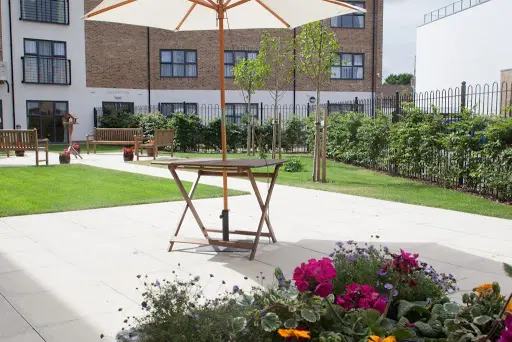
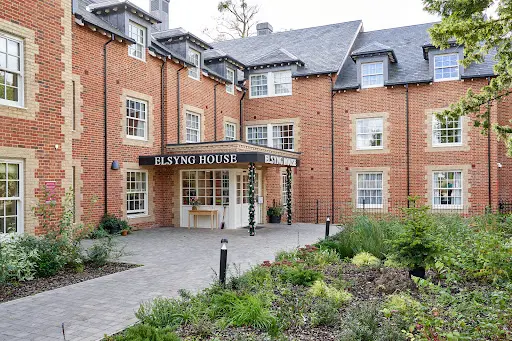
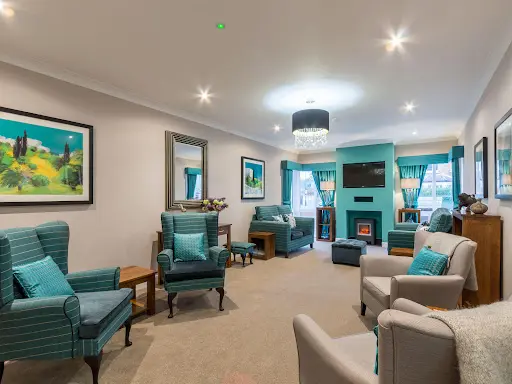
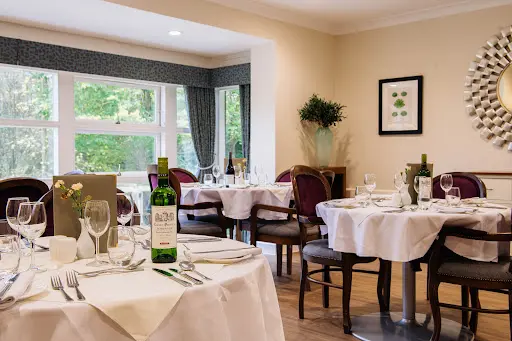
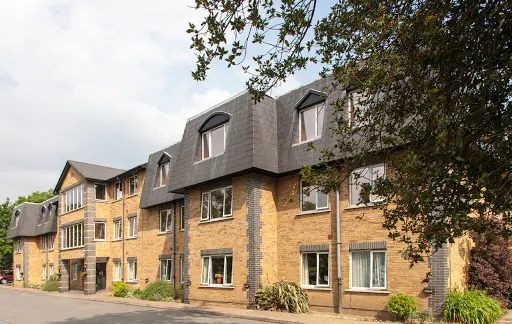
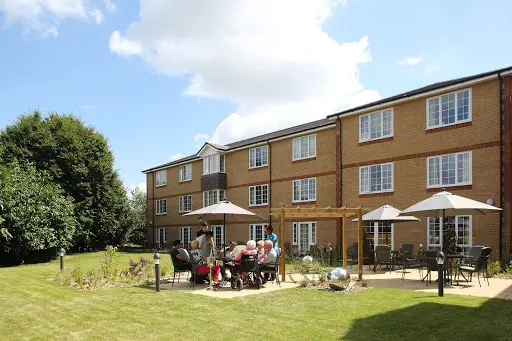
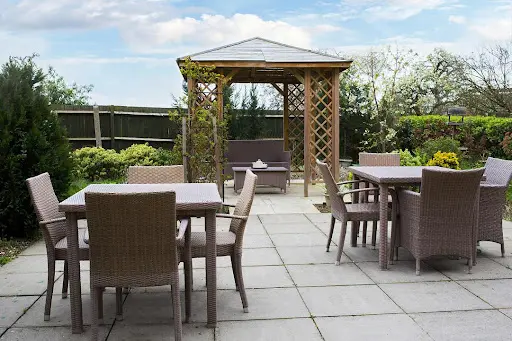
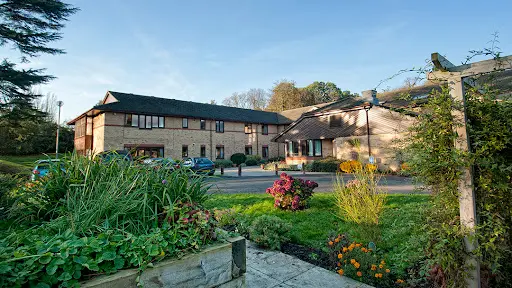
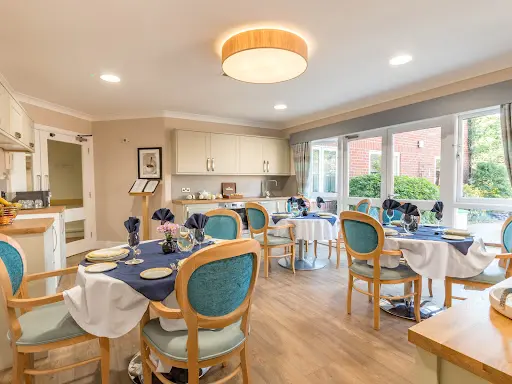
The home itself gets consistent praise for being spotlessly clean and well-maintained — families specifically mention there are never any unpleasant odours, which isn't something you can take for granted. The communal areas feel welcoming and comfortable, creating spaces where residents actually want to spend time rather than staying in their rooms.
“If you're looking for dementia care in the Stanwell area, it's worth seeing how the team at Ashford House approach things — their genuine warmth comes through in everything they do.”
DCC does not edit or curate content in this tab. For independently curated information, see The Evidence and DCC Verdict.