Sandringham (Jewish Care)

At a Glance
The information you need to decide whether this home warrants a closer look.
Nursing homes
Staff warmth score
of reviewers answered yes
Good to know
- Registered beds80
- SpecialismsCaring for adults over 65 yrs, Caring for adults under 65 yrs, Dementia
- Last inspected2022-08-10
Save Sandringham (Jewish Care) to your shortlist
Keep a running list, add visit notes, and compare homes side-by-side. Free account — it takes a minute.
STAGE 4 — RESEARCHING CARE HOMES
Visit homes. Compare them side by side. Choose with confidence.
Most of us will view care homes the way we view houses, impression, atmosphere, the feeling in the corridor. We go home, try to remember what we saw, and make a permanent decision from a blurred memory.

The DCC shortlist gives every home you visit a structured record: the same twelve questions, answered the same way, every time. When you’re ready to choose, pull any two homes side by side and compare them directly. Same criteria, same evidence, your notes and your scores.
The Evidence
What the review data, the inspection reports, and the dementia-care evidence base tell us about this home.
What families say
The eight family priority themes
- Staff warmth70
- Compassion & dignity72
- Cleanliness65
- Activities & engagement65
- Food quality62
- Healthcare68
- Management & leadership45
- Resident happiness68
What inspectors found
Inspected 2022-08-10
Is this home safe?
Is the care effective?
The effective domain was rated Good, covering training, care planning, healthcare access, and nutrition. The published summary does not include specific examples of how care plans are written or reviewed, what dementia training staff receive, or how GP and specialist access is arranged. A Good rating here indicates inspectors were satisfied that the home meets the required standard across these areas. No concerns were recorded in this domain.Is this home caring?
Inspectors rated the caring domain Good, covering staff warmth, dignity, respect, and the degree to which residents are supported to maintain independence. This is the domain most directly tied to the daily experience of living in the home. The published summary does not include specific inspector observations, resident quotes, or examples of how staff treat people with dementia in practice. A Good rating indicates inspectors did not find concerning interactions during the inspection visit.Is the home responsive?
The responsive domain was rated Good, covering activities, individual engagement, and how well the home adapts to the changing needs of the people who live there. The published summary includes no specific detail about the activity programme, how activities are tailored for people with dementia, or how the home supports residents who cannot participate in group sessions. No concerns were recorded in this domain.Is the home well-led?
The well-led domain was rated Requires Improvement at the June 2022 inspection. This is the only domain below Good and means inspectors found that something about the governance, management culture, or accountability structures at the home did not meet the required standard. The home has two registered managers listed in the inspection record. The published summary does not specify what particular concerns were raised or what actions the provider was required to take. This rating is now over two years old and the home has not published a subsequent inspection that would confirm whether the issues have been resolved.
Source: CQC inspection report →
What the evidence base says
The home specialises in caring for adults over 65 and younger adults who need residential support. They have experience supporting people living with dementia. Staff at Anita Dorfman House work with residents who have dementia, providing specialised support within their Jewish care environment. The home accepts residents at different stages of their dementia journey. All areas worth probing directly during a visit.
The DCC Verdict
Our editorial view, built from the three lenses: what families tell us, what inspectors record, and how the home sits against good dementia-care practice.
DCC Family Score
Anita Dorfman House scores well on the things families care about most, particularly staff kindness and dignified care, but the Requires Improvement rating for leadership introduces genuine uncertainty about how consistently good practice is maintained day to day.
Homes in London typically score 68–82.Worth a visit
Anita Dorfman House, run by Jewish Care in Stanmore, was rated Good overall at its inspection in June 2022, with Good ratings in safe, effective, caring, and responsive. The home cares for up to 80 people, including those living with dementia, and its registration with a named specialism in dementia care means it is set up to provide more than general nursing care. The published inspection summary does not include detailed narrative findings, so the specific evidence behind each Good rating is not available in this report. The one area of concern is the Requires Improvement rating for well-led, which means inspectors found something about the management or governance of the home that did not meet the standard required. This matters because strong leadership is what keeps good care consistent, especially across nights, weekends, and periods of high occupancy. On a visit, ask to speak with one of the two registered managers, find out how long each has been in post, and ask directly what the home has done since the 2022 inspection to address the governance concerns raised. The inspection is now over two years old, so asking for the most recent internal audit findings would also be worthwhile.
The three questions to ask when you visitSave this home. Compare it against your shortlist.
Let our analysis show you how Sandringham (Jewish Care) measures up against the other homes you’re considering. Free account.
In Their Own Words
How Sandringham (Jewish Care) describes itself — collected from its own website. DCC has not edited or independently verified the content in this tab.
Jewish care home serving kosher meals in leafy Stanmore
Anita Dorfman House – Your Trusted nursing home
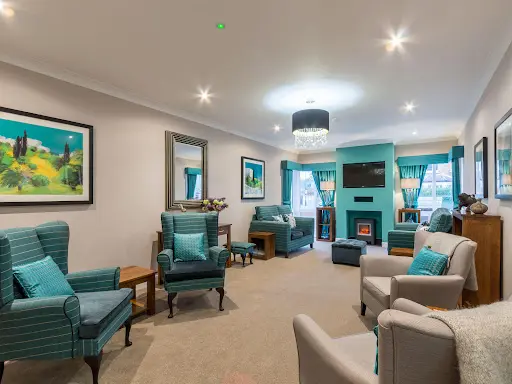
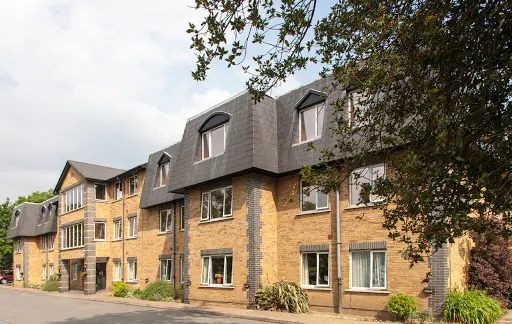
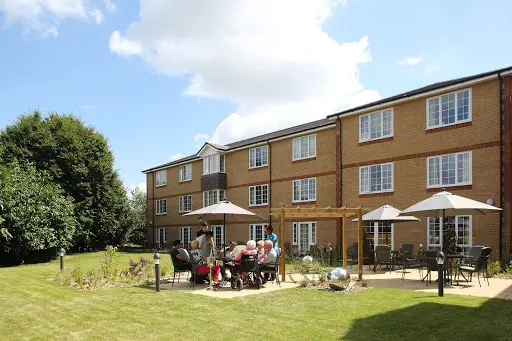
Anita Dorfman House in Stanmore provides residential care with a focus on Jewish traditions and kosher dining. The home welcomes adults over 65 as well as younger adults who need support, with specialisms in dementia care. Located in a quiet residential area, the home offers both full-time care and day centre services.
Who they care for
The home specialises in caring for adults over 65 and younger adults who need residential support. They have experience supporting people living with dementia.
Staff at Anita Dorfman House work with residents who have dementia, providing specialised support within their Jewish care environment. The home accepts residents at different stages of their dementia journey.
“If you're looking for kosher care options in North London, it's worth arranging a visit to see if Anita Dorfman House could be right for your family.”
DCC does not edit or curate content in this tab. For independently curated information, see The Evidence and DCC Verdict.
The DCC Verdict
Our editorial view, built from the three lenses: what families tell us, what inspectors record, and how the home sits against good dementia-care practice.
DCC Family Score
Anita Dorfman House scores well on the things families care about most, particularly staff kindness and dignified care, but the Requires Improvement rating for leadership introduces genuine uncertainty about how consistently good practice is maintained day to day.
Homes in London typically score 68–82.Worth a visit
Anita Dorfman House, run by Jewish Care in Stanmore, was rated Good overall at its inspection in June 2022, with Good ratings in safe, effective, caring, and responsive. The home cares for up to 80 people, including those living with dementia, and its registration with a named specialism in dementia care means it is set up to provide more than general nursing care. The published inspection summary does not include detailed narrative findings, so the specific evidence behind each Good rating is not available in this report. The one area of concern is the Requires Improvement rating for well-led, which means inspectors found something about the management or governance of the home that did not meet the standard required. This matters because strong leadership is what keeps good care consistent, especially across nights, weekends, and periods of high occupancy. On a visit, ask to speak with one of the two registered managers, find out how long each has been in post, and ask directly what the home has done since the 2022 inspection to address the governance concerns raised. The inspection is now over two years old, so asking for the most recent internal audit findings would also be worthwhile.
The three questions to ask when you visitSave this home. Compare it against your shortlist.
Let our analysis show you how Sandringham (Jewish Care) measures up against the other homes you’re considering. Free account.
In Their Own Words
How Sandringham (Jewish Care) describes itself — collected from its own website. DCC has not edited or independently verified the content in this tab.
Jewish care home serving kosher meals in leafy Stanmore
Anita Dorfman House – Your Trusted nursing home
Anita Dorfman House in Stanmore provides residential care with a focus on Jewish traditions and kosher dining. The home welcomes adults over 65 as well as younger adults who need support, with specialisms in dementia care. Located in a quiet residential area, the home offers both full-time care and day centre services.
Who they care for
The home specialises in caring for adults over 65 and younger adults who need residential support. They have experience supporting people living with dementia.
Staff at Anita Dorfman House work with residents who have dementia, providing specialised support within their Jewish care environment. The home accepts residents at different stages of their dementia journey.
“If you're looking for kosher care options in North London, it's worth arranging a visit to see if Anita Dorfman House could be right for your family.”
DCC does not edit or curate content in this tab. For independently curated information, see The Evidence and DCC Verdict.