Albert House Nursing Home
At a Glance
The information you need to decide whether this home warrants a closer look.
Nursing homes
Staff warmth score
of reviewers answered yes
Good to know
- Registered beds38
- SpecialismsCaring for adults over 65 yrs, Dementia, Mental health conditions, Physical disabilities, Sensory impairment
- Last inspected2018-01-16
Save Albert House Nursing Home to your shortlist
Keep a running list, add visit notes, and compare homes side-by-side. Free account — it takes a minute.
STAGE 4 — RESEARCHING CARE HOMES
Visit homes. Compare them side by side. Choose with confidence.
Most of us will view care homes the way we view houses, impression, atmosphere, the feeling in the corridor. We go home, try to remember what we saw, and make a permanent decision from a blurred memory.

The DCC shortlist gives every home you visit a structured record: the same twelve questions, answered the same way, every time. When you’re ready to choose, pull any two homes side by side and compare them directly. Same criteria, same evidence, your notes and your scores.
The Evidence
What the review data, the inspection reports, and the dementia-care evidence base tell us about this home.
What families say
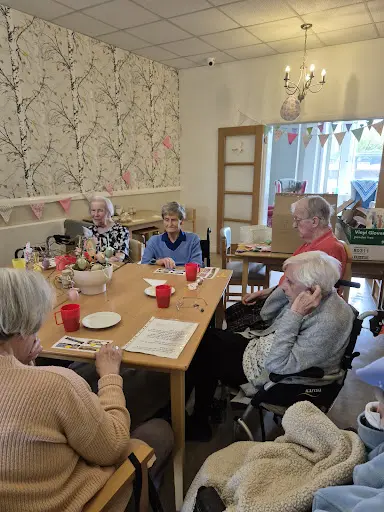
Families mention how their relatives seem content here, with staff who are patient and friendly in their daily interactions. The atmosphere feels settled, with residents able to join in activities when they want to, or simply enjoy the warm, clean surroundings at their own pace.
The eight family priority themes
- Staff warmth72
- Compassion & dignity72
- Cleanliness68
- Activities & engagement62
- Food quality60
- Healthcare68
- Management & leadership52
- Resident happiness65
What inspectors found
Inspected 2018-01-16
Is this home safe?
Is the care effective?
Albert House received a Good rating for Effective at its May 2025 inspection. As a nursing home, it is required to employ registered nurses who can manage clinical needs on site, which supports effective healthcare delivery. The available inspection text does not include specific detail about care plan quality, dementia training content, GP access arrangements, or how food quality and dietary needs are managed. The Good rating indicates inspectors were satisfied with the overall standard, but the detail behind that rating is not available in the published summary.Is this home caring?
Albert House received a Good rating for Caring at its May 2025 inspection. The inspection summary does not provide narrative observations about specific staff interactions, use of preferred names, response to distress, or the pace of personal care. A Good rating in Caring indicates inspectors were satisfied that residents were treated with dignity and respect, but the absence of detailed narrative means the evidence behind that rating cannot be independently verified from the published text.Is the home responsive?
Albert House received a Good rating for Responsive at its May 2025 inspection. The inspection summary does not describe the activities programme, individual engagement for people who cannot join groups, or how end-of-life preferences are recorded and honoured. The Good rating suggests inspectors were satisfied that the home responds to individual needs, but the published text does not allow verification of the depth or consistency of this. The home lists dementia as a specialism, which implies some structured provision, though the specifics are not described.Is the home well-led?
Albert House received a Requires Improvement rating for Well-led at its May 2025 inspection. This is the only domain where the home fell below Good. A registered manager, Kelly Jane Andrews, is named and in post, and a nominated individual, Luke Frederick Venn, is also identified. The published inspection summary does not detail the specific concerns that led to the Requires Improvement rating, so the nature and scale of the governance issues are not clear from the available text. A Requires Improvement in Well-led can affect how safety concerns are identified, how incidents are acted upon, and how consistently staff are supported and supervised.
Source: CQC inspection report →
What the evidence base says
Albert House cares for people over 65 with various needs including dementia, mental health conditions, physical disabilities and sensory impairments. For residents with dementia, the structured approach here provides reassurance through routine and familiarity. Staff understand the importance of patience and maintaining dignity throughout each person's journey. All areas worth probing directly during a visit.
The DCC Verdict
Our editorial view, built from the three lenses: what families tell us, what inspectors record, and how the home sits against good dementia-care practice.
DCC Family Score
Albert House scores 68 out of 100, reflecting solid Good ratings across care, safety, and clinical practice, tempered by a Requires Improvement finding in Well-led, which raises questions about management oversight and governance that families should explore on a visit.
Homes in South West typically score 68–82.The three-lens summary
What families tell us
Families mention how their relatives seem content here, with staff who are patient and friendly in their daily interactions. The atmosphere feels settled, with residents able to join in activities when they want to, or simply enjoy the warm, clean surroundings at their own pace.
What inspectors have recorded
The team here seems to work like clockwork. Families describe staff who coordinate well together, maintaining consistent standards whether it's personal care, keeping track of belongings, or being available when needed. There's a sense of professional pride in getting the basics right every time.
How it sits against good practice
Sometimes the best care is simply about doing ordinary things extraordinarily well.
Worth a visit
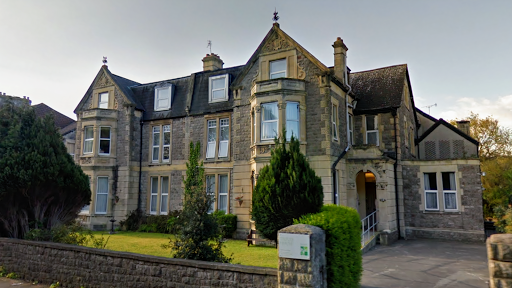
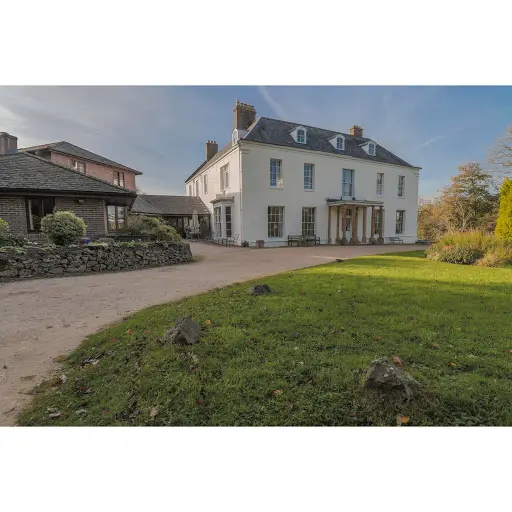
Albert House Nursing Home, at 19 Albert Road in Weston-super-Mare, was assessed in May 2025 and rated Good overall, with Good ratings in Safe, Effective, Caring, and Responsive. The home is a 38-bed nursing home registered to care for people over 65, including those living with dementia, mental health conditions, physical disabilities, and sensory impairments. A registered manager is named and in post, and the home is actively registered with no concerns about dormancy or closure. The main uncertainty is a Requires Improvement rating in Well-led, which means inspectors found concerns about management, governance, or oversight that the Good ratings in other domains do not resolve. The published inspection summary available at the time of this report does not contain detailed narrative, so families should treat many questions as open. On your visit, ask the manager specifically what the Well-led concerns were and what has changed since. Ask to see the current staffing rota, find out night staffing numbers for 38 residents, and ask what percentage of last month's shifts were covered by agency staff. Spend time in a communal area and observe whether staff move without hurry and whether residents appear settled and engaged.
The three questions to ask when you visitSave this home. Compare it against your shortlist.
Let our analysis show you how Albert House Nursing Home measures up against the other homes you’re considering. Free account.
In Their Own Words
How Albert House Nursing Home describes itself — collected from its own website. DCC has not edited or independently verified the content in this tab.
Where careful organisation meets genuine kindness in Weston
Dedicated nursing home Support in Weston Super Mare
When families describe Albert House Nursing Home in Weston Super Mare, they talk about reliability as much as warmth. It's the kind of place where laundry never goes missing, phone calls get answered quickly, and staff seem to genuinely enjoy their work. That combination of efficiency and kindness matters when you're trusting someone with daily care.
Who they care for
Albert House cares for people over 65 with various needs including dementia, mental health conditions, physical disabilities and sensory impairments.
For residents with dementia, the structured approach here provides reassurance through routine and familiarity. Staff understand the importance of patience and maintaining dignity throughout each person's journey.
“Sometimes the best care is simply about doing ordinary things extraordinarily well.”
DCC does not edit or curate content in this tab. For independently curated information, see The Evidence and DCC Verdict.
The DCC Verdict
Our editorial view, built from the three lenses: what families tell us, what inspectors record, and how the home sits against good dementia-care practice.
DCC Family Score
Albert House scores 68 out of 100, reflecting solid Good ratings across care, safety, and clinical practice, tempered by a Requires Improvement finding in Well-led, which raises questions about management oversight and governance that families should explore on a visit.
Homes in South West typically score 68–82.The three-lens summary
What families tell us
Families mention how their relatives seem content here, with staff who are patient and friendly in their daily interactions. The atmosphere feels settled, with residents able to join in activities when they want to, or simply enjoy the warm, clean surroundings at their own pace.
What inspectors have recorded
The team here seems to work like clockwork. Families describe staff who coordinate well together, maintaining consistent standards whether it's personal care, keeping track of belongings, or being available when needed. There's a sense of professional pride in getting the basics right every time.
How it sits against good practice
Sometimes the best care is simply about doing ordinary things extraordinarily well.
Worth a visit
Albert House Nursing Home, at 19 Albert Road in Weston-super-Mare, was assessed in May 2025 and rated Good overall, with Good ratings in Safe, Effective, Caring, and Responsive. The home is a 38-bed nursing home registered to care for people over 65, including those living with dementia, mental health conditions, physical disabilities, and sensory impairments. A registered manager is named and in post, and the home is actively registered with no concerns about dormancy or closure. The main uncertainty is a Requires Improvement rating in Well-led, which means inspectors found concerns about management, governance, or oversight that the Good ratings in other domains do not resolve. The published inspection summary available at the time of this report does not contain detailed narrative, so families should treat many questions as open. On your visit, ask the manager specifically what the Well-led concerns were and what has changed since. Ask to see the current staffing rota, find out night staffing numbers for 38 residents, and ask what percentage of last month's shifts were covered by agency staff. Spend time in a communal area and observe whether staff move without hurry and whether residents appear settled and engaged.
The three questions to ask when you visitSave this home. Compare it against your shortlist.
Let our analysis show you how Albert House Nursing Home measures up against the other homes you’re considering. Free account.
In Their Own Words
How Albert House Nursing Home describes itself — collected from its own website. DCC has not edited or independently verified the content in this tab.
Where careful organisation meets genuine kindness in Weston
Dedicated nursing home Support in Weston Super Mare
When families describe Albert House Nursing Home in Weston Super Mare, they talk about reliability as much as warmth. It's the kind of place where laundry never goes missing, phone calls get answered quickly, and staff seem to genuinely enjoy their work. That combination of efficiency and kindness matters when you're trusting someone with daily care.
Who they care for
Albert House cares for people over 65 with various needs including dementia, mental health conditions, physical disabilities and sensory impairments.
For residents with dementia, the structured approach here provides reassurance through routine and familiarity. Staff understand the importance of patience and maintaining dignity throughout each person's journey.
Management & ethos
The team here seems to work like clockwork. Families describe staff who coordinate well together, maintaining consistent standards whether it's personal care, keeping track of belongings, or being available when needed. There's a sense of professional pride in getting the basics right every time.
The home & environment
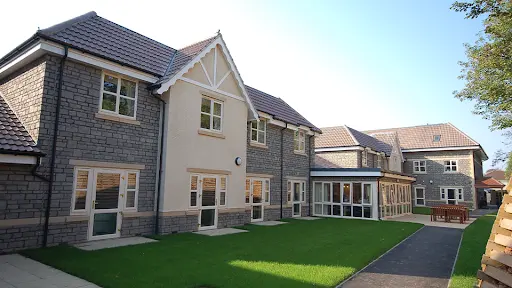
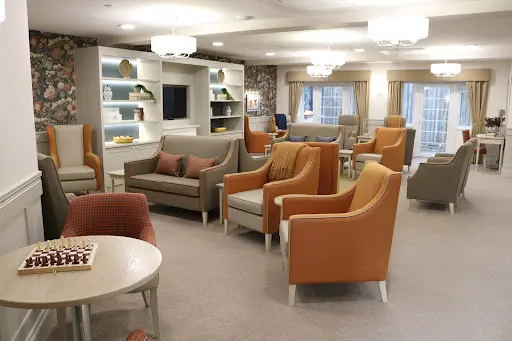
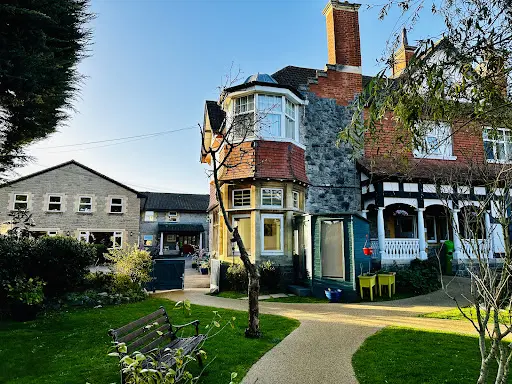
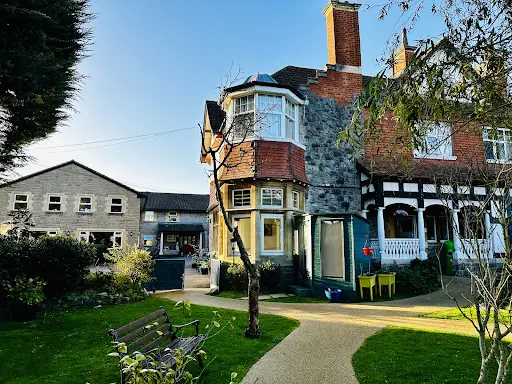
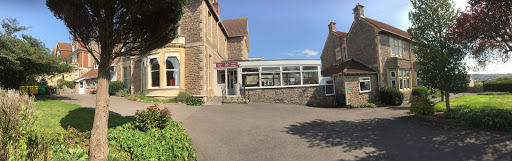
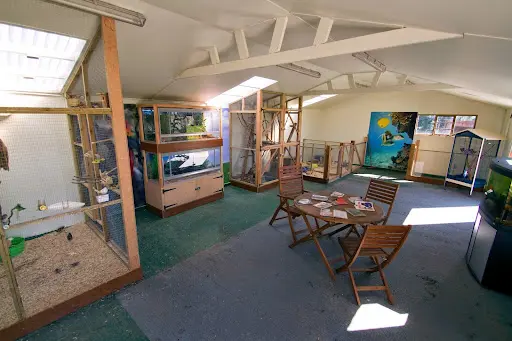
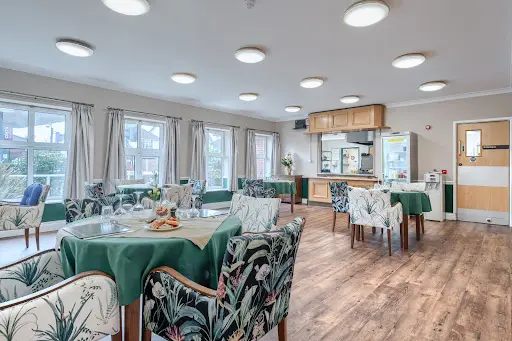
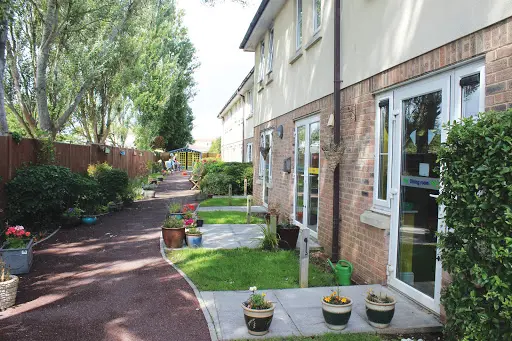
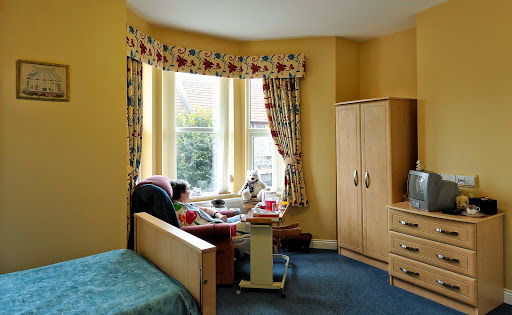
The food consistently gets positive mentions from families who visit regularly. Everything's kept fresh and tidy — from residents' rooms to the communal areas — and the whole place maintains that comfortable warmth you'd hope for.
“Sometimes the best care is simply about doing ordinary things extraordinarily well.”
DCC does not edit or curate content in this tab. For independently curated information, see The Evidence and DCC Verdict.