Upalong
At a Glance
The information you need to decide whether this home warrants a closer look.
Residential homes
Staff warmth score
of reviewers answered yes
Good to know
- Registered beds9
- SpecialismsCaring for adults over 65 yrs, Dementia
- Last inspected2019-02-01
Save Upalong to your shortlist
Keep a running list, add visit notes, and compare homes side-by-side. Free account — it takes a minute.
STAGE 4 — RESEARCHING CARE HOMES
Visit homes. Compare them side by side. Choose with confidence.
Most of us will view care homes the way we view houses, impression, atmosphere, the feeling in the corridor. We go home, try to remember what we saw, and make a permanent decision from a blurred memory.

The DCC shortlist gives every home you visit a structured record: the same twelve questions, answered the same way, every time. When you’re ready to choose, pull any two homes side by side and compare them directly. Same criteria, same evidence, your notes and your scores.
The Evidence
What the review data, the inspection reports, and the dementia-care evidence base tell us about this home.
What families say
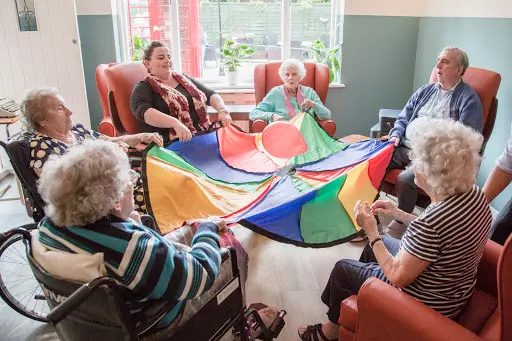
Visitors describe being drawn into the life of the home, with staff encouraging them to spend time with residents. There's a sense of ease here that makes people want to stay and chat.
The eight family priority themes
- Staff warmth55
- Compassion & dignity55
- Cleanliness55
- Activities & engagement50
- Food quality50
- Healthcare50
- Management & leadership55
- Resident happiness55
What inspectors found
Inspected 2019-02-01
Is this home safe?
Is the care effective?
The Effective domain was rated Good at the March 2021 inspection. This domain covers care planning, staff training, healthcare access and food quality. No specific findings are available in the published summary — no examples of care plan content, no detail on GP access arrangements, no information on dementia training programmes or dietary provision. The home lists dementia as a specialism, which implies some structured approach to dementia-specific care, but the nature of that provision is not documented publicly.Is this home caring?
Caring was rated Good at the March 2021 inspection. This domain covers staff warmth, dignity, respect and support for independence. No specific inspector observations, resident quotes or relative testimony are available in the published summary. For a home this size, the caring culture often depends heavily on the character and consistency of a small, permanent staff team. The absence of concerns is positive, but families have no specific evidence to draw on beyond the rating itself.Is the home responsive?
The Responsive domain was rated Good at the March 2021 inspection. This covers activities, engagement, individuality and end-of-life care. No specific activity programmes, individual engagement examples or end-of-life planning evidence is referenced in the published summary. In a nine-bed dementia home, meaningful individual engagement — not just group activities — is particularly important for residents who may not be able to participate in organised programmes.Is the home well-led?
Well-led was rated Good at the March 2021 inspection, and a monitoring review in July 2023 confirmed no evidence requiring reassessment. The home is run by Mrs Mary McTeggart. No detail is available on management tenure, governance processes, staff culture, complaint handling or quality monitoring. In a home this small, leadership is often the single person running the service — which means their presence, experience and commitment directly shapes everything else.
Source: CQC inspection report →
What the evidence base says
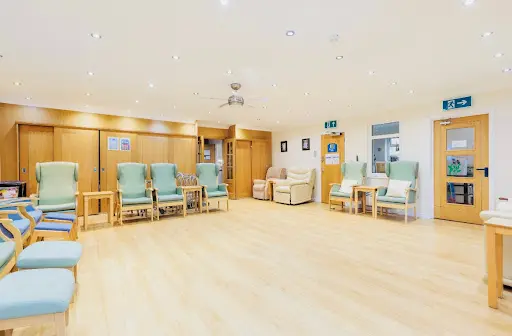
Upalong specialises in dementia care and supports adults over 65. The home's approach to dementia care emphasises creating a comfortable, welcoming environment where residents feel at ease. All areas worth probing directly during a visit.
The DCC Verdict
Our editorial view, built from the three lenses: what families tell us, what inspectors record, and how the home sits against good dementia-care practice.
DCC Family Score
Upalong Residential Home holds a Good rating across all five domains, but the most recent full inspection was conducted in March 2021 — over four years ago — meaning there is limited specific detail available to score individual themes with confidence. The rating is positive but the evidence base is thin.
Homes in South East typically score 68–82.The three-lens summary
What families tell us
Visitors describe being drawn into the life of the home, with staff encouraging them to spend time with residents. There's a sense of ease here that makes people want to stay and chat.
What inspectors have recorded
How it sits against good practice
Sometimes the best recommendations come from those who know care inside out.
Worth a visit
Upalong Residential Home on Castle Road, Camberley is a small, nine-bed home registered to care for adults over 65, including people living with dementia. It is independently run by Mrs Mary McTeggart. The most recent full inspection took place in March 2021 and found the home to be Good across all five domains — Safe, Effective, Caring, Responsive and Well-led. A subsequent monitoring review in July 2023 found no evidence requiring a reassessment of that rating. For a home of this size, a consistent Good across every domain is a meaningful baseline. However, the last full inspection was over four years ago, and the published summary contains no specific observations, quotes, or detailed findings — only the ratings themselves. This means families considering this home are working with very limited public information. The home's small size (nine beds) can be a genuine advantage for dementia care, allowing for consistent staffing and close personal attention, but it also means a single staffing gap or management change can have an outsized impact on quality. On your visit, ask to meet the person who runs the home day-to-day, ask how many permanent staff have been there more than a year, and request to see the activity records from the last month. Those three things will tell you far more than the published report currently can.
The three questions to ask when you visitSave this home. Compare it against your shortlist.
Let our analysis show you how Upalong measures up against the other homes you’re considering. Free account.
In Their Own Words
How Upalong describes itself — collected from its own website. DCC has not edited or independently verified the content in this tab.
Where professional carers choose to bring their own loved ones
Upalong Residential Home – Your Trusted residential home
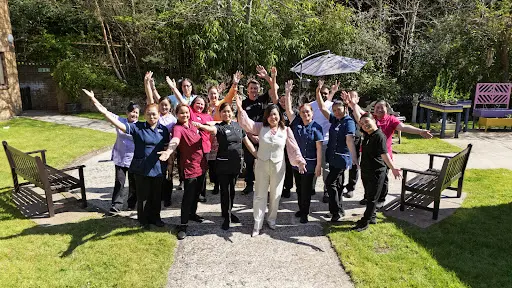
When care professionals visit their friends at Upalong Residential Home in Camberley, they notice something different. The warmth starts at the front door, where staff welcome visitors with genuine friendliness and refreshments. This Surrey home creates an atmosphere that feels comfortable and relaxed from the moment you walk in.
Who they care for
Upalong specialises in dementia care and supports adults over 65.
The home's approach to dementia care emphasises creating a comfortable, welcoming environment where residents feel at ease.
“Sometimes the best recommendations come from those who know care inside out.”
DCC does not edit or curate content in this tab. For independently curated information, see The Evidence and DCC Verdict.
The DCC Verdict
Our editorial view, built from the three lenses: what families tell us, what inspectors record, and how the home sits against good dementia-care practice.
DCC Family Score
Upalong Residential Home holds a Good rating across all five domains, but the most recent full inspection was conducted in March 2021 — over four years ago — meaning there is limited specific detail available to score individual themes with confidence. The rating is positive but the evidence base is thin.
Homes in South East typically score 68–82.The three-lens summary
What families tell us
Visitors describe being drawn into the life of the home, with staff encouraging them to spend time with residents. There's a sense of ease here that makes people want to stay and chat.
What inspectors have recorded
How it sits against good practice
Sometimes the best recommendations come from those who know care inside out.
Worth a visit
Upalong Residential Home on Castle Road, Camberley is a small, nine-bed home registered to care for adults over 65, including people living with dementia. It is independently run by Mrs Mary McTeggart. The most recent full inspection took place in March 2021 and found the home to be Good across all five domains — Safe, Effective, Caring, Responsive and Well-led. A subsequent monitoring review in July 2023 found no evidence requiring a reassessment of that rating. For a home of this size, a consistent Good across every domain is a meaningful baseline. However, the last full inspection was over four years ago, and the published summary contains no specific observations, quotes, or detailed findings — only the ratings themselves. This means families considering this home are working with very limited public information. The home's small size (nine beds) can be a genuine advantage for dementia care, allowing for consistent staffing and close personal attention, but it also means a single staffing gap or management change can have an outsized impact on quality. On your visit, ask to meet the person who runs the home day-to-day, ask how many permanent staff have been there more than a year, and request to see the activity records from the last month. Those three things will tell you far more than the published report currently can.
The three questions to ask when you visitSave this home. Compare it against your shortlist.
Let our analysis show you how Upalong measures up against the other homes you’re considering. Free account.
In Their Own Words
How Upalong describes itself — collected from its own website. DCC has not edited or independently verified the content in this tab.
Where professional carers choose to bring their own loved ones
Upalong Residential Home – Your Trusted residential home
When care professionals visit their friends at Upalong Residential Home in Camberley, they notice something different. The warmth starts at the front door, where staff welcome visitors with genuine friendliness and refreshments. This Surrey home creates an atmosphere that feels comfortable and relaxed from the moment you walk in.
Who they care for
Upalong specialises in dementia care and supports adults over 65.
The home's approach to dementia care emphasises creating a comfortable, welcoming environment where residents feel at ease.
The home & environment
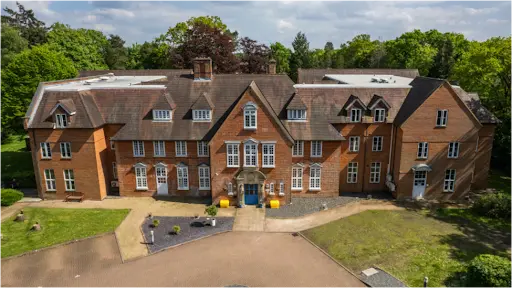
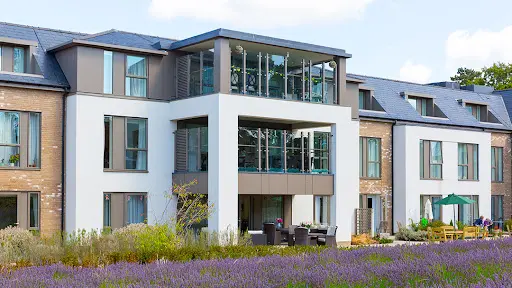
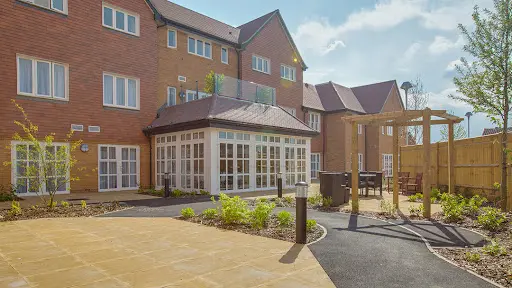
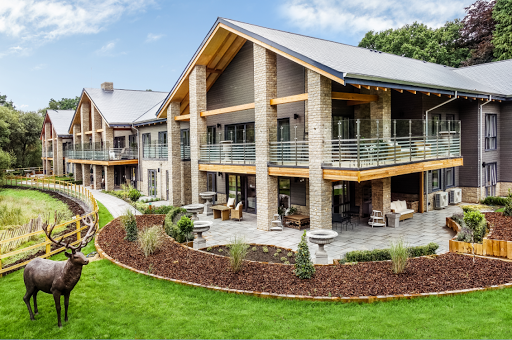
The home has created interesting outdoor spaces, including an aviary and wildlife area that brings nature close to residents. These thoughtful touches add character and give everyone something to talk about and enjoy.
“Sometimes the best recommendations come from those who know care inside out.”
DCC does not edit or curate content in this tab. For independently curated information, see The Evidence and DCC Verdict.