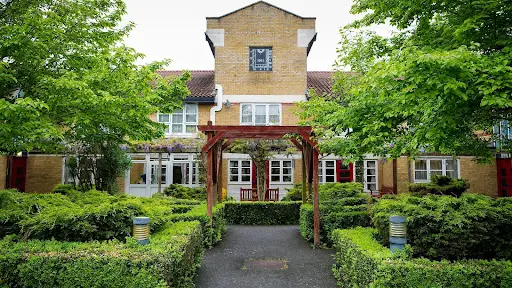
Medical Express Ultimate Care Service

At a Glance
The information you need to decide whether this home warrants a closer look.
Residential homes
Staff warmth score
of reviewers answered yes
Good to know
- Registered beds7
- SpecialismsCaring for adults over 65 yrs, Caring for adults under 65 yrs, Dementia, Eating disorders, Mental health conditions, Physical disabilities, Substance misuse problems
- Last inspected2018-11-21
Save Medical Express Ultimate Care Service to your shortlist
Keep a running list, add visit notes, and compare homes side-by-side. Free account — it takes a minute.
STAGE 4 — RESEARCHING CARE HOMES
Visit homes. Compare them side by side. Choose with confidence.
Most of us will view care homes the way we view houses, impression, atmosphere, the feeling in the corridor. We go home, try to remember what we saw, and make a permanent decision from a blurred memory.

The DCC shortlist gives every home you visit a structured record: the same twelve questions, answered the same way, every time. When you’re ready to choose, pull any two homes side by side and compare them directly. Same criteria, same evidence, your notes and your scores.
The Evidence
What the review data, the inspection reports, and the dementia-care evidence base tell us about this home.
What families say
The eight family priority themes
- Staff warmth55
- Compassion & dignity55
- Cleanliness55
- Activities & engagement50
- Food quality50
- Healthcare55
- Management & leadership60
- Resident happiness55
What inspectors found
Inspected 2018-11-21
Is this home safe?
Is the care effective?
The home received a Good rating for Effectiveness at its July 2018 inspection. The home lists dementia as a specialism alongside eating disorders, mental health conditions, and physical disabilities, suggesting staff are expected to hold skills across a broad range of conditions. No specific detail about care plan quality, dementia training content, healthcare access, or food provision is available in the published report. The rating has not been reassessed since 2018.Is this home caring?
The home received a Good rating for Caring at its July 2018 inspection. No direct quotes from residents or relatives are available in the published report text, and no specific observations of staff interactions are described. The Caring domain typically assesses whether staff treat people with dignity, use preferred names, and respect independence. Without specific evidence it is not possible to verify how this manifests day-to-day.Is the home responsive?
The home received a Good rating for Responsiveness at its July 2018 inspection. No specific information about activities, individual engagement, or end-of-life planning is available in the published text. The home's broad specialism list — covering dementia, mental health, eating disorders, and substance misuse in just seven beds — means the responsiveness to individual needs must accommodate a very wide range of presentations. No information about how the home tailors activities or daily routines to individual preferences is available.Is the home well-led?
The home received a Good rating for Well-led at its July 2018 inspection. A named Registered Manager, Mrs Floretta Thomas, and a Nominated Individual, Ms Stephanie Ofori-Kuragu, are identified. The running organisation is Medical Express Ultimate Care Services Limited. No specific information about management visibility, staff culture, governance processes, or how the home responds to concerns is available in the published text. The rating has not been reassessed since 2018.
Source: CQC inspection report →
What the evidence base says
The team here works with adults under 65 who need specialist residential support, as well as older residents. They have experience supporting people through eating disorders and substance misuse recovery alongside those living with dementia or physical disabilities. For residents living with dementia, the home provides support alongside their work with people facing other complex health conditions. This mixed environment means dementia care happens within a broader specialist setting. All areas worth probing directly during a visit.
The DCC Verdict
Our editorial view, built from the three lenses: what families tell us, what inspectors record, and how the home sits against good dementia-care practice.
DCC Family Score
Thornsbeach Court received a Good rating across all five inspection domains in 2018, but the published report contains very limited specific detail, meaning we cannot verify the quality of daily life with the same confidence we would have from a more detailed inspection narrative.
Homes in London typically score 68–82.Worth a visit
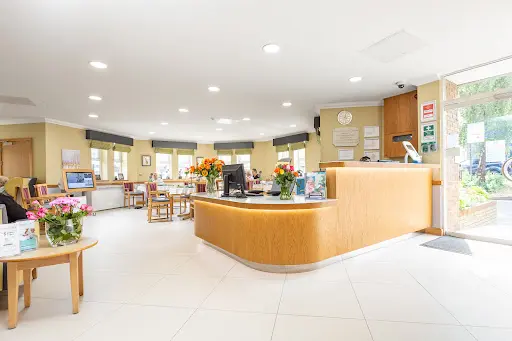
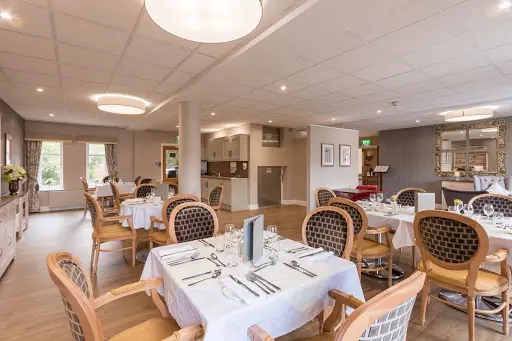
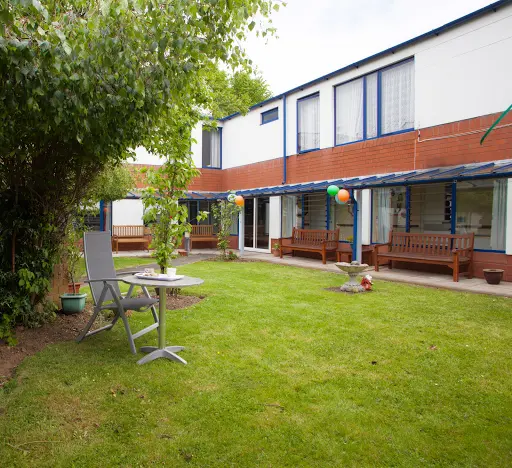
Thornsbeach Court, a small seven-bed home on Thornsbeach Road in Catford, was rated Good across all five inspection domains following an inspection carried out in July 2018. A review of available information in July 2023 found no evidence requiring a reassessment of that rating. The home supports a wide range of needs including dementia, mental health conditions, physical disabilities, and eating disorders, and is run by Medical Express Ultimate Care Services Limited with a named Registered Manager in post. The main limitation of this report is that the published inspection findings contain very little specific detail — no direct quotes from residents or families, no inspector observations, and no described examples of daily practice are available in the text provided. This means the Good ratings cannot be verified with the specificity that families deserve when making this decision. The inspection is also now over six years old. When you visit, ask to see a recent copy of the home's own quality monitoring reports, ask specifically how dementia care is delivered in a home that also supports people with eating disorders and substance misuse, and observe directly how staff interact with your parent during quieter moments of the day.
The three questions to ask when you visitSave this home. Compare it against your shortlist.
Let our analysis show you how Medical Express Ultimate Care Service measures up against the other homes you’re considering. Free account.
In Their Own Words
How Medical Express Ultimate Care Service describes itself — collected from its own website. DCC has not edited or independently verified the content in this tab.
Specialist support across the age spectrum in London
Thornsbeach Court – Expert Care in London
Thornsbeach Court in London provides residential care for both younger and older adults facing complex health challenges. The home supports people dealing with dementia, mental health conditions, substance misuse, eating disorders and physical disabilities. With this broad range of specialisms under one roof, they work with residents whose needs don't fit neatly into traditional care home categories.
Who they care for
The team here works with adults under 65 who need specialist residential support, as well as older residents. They have experience supporting people through eating disorders and substance misuse recovery alongside those living with dementia or physical disabilities.
For residents living with dementia, the home provides support alongside their work with people facing other complex health conditions. This mixed environment means dementia care happens within a broader specialist setting.
“If you're looking for specialist residential care in London, particularly for someone whose needs span several areas, it's worth arranging a visit to see if Thornsbeach Court could be the right fit.”
DCC does not edit or curate content in this tab. For independently curated information, see The Evidence and DCC Verdict.
The DCC Verdict
Our editorial view, built from the three lenses: what families tell us, what inspectors record, and how the home sits against good dementia-care practice.
DCC Family Score
Thornsbeach Court received a Good rating across all five inspection domains in 2018, but the published report contains very limited specific detail, meaning we cannot verify the quality of daily life with the same confidence we would have from a more detailed inspection narrative.
Homes in London typically score 68–82.Worth a visit
Thornsbeach Court, a small seven-bed home on Thornsbeach Road in Catford, was rated Good across all five inspection domains following an inspection carried out in July 2018. A review of available information in July 2023 found no evidence requiring a reassessment of that rating. The home supports a wide range of needs including dementia, mental health conditions, physical disabilities, and eating disorders, and is run by Medical Express Ultimate Care Services Limited with a named Registered Manager in post. The main limitation of this report is that the published inspection findings contain very little specific detail — no direct quotes from residents or families, no inspector observations, and no described examples of daily practice are available in the text provided. This means the Good ratings cannot be verified with the specificity that families deserve when making this decision. The inspection is also now over six years old. When you visit, ask to see a recent copy of the home's own quality monitoring reports, ask specifically how dementia care is delivered in a home that also supports people with eating disorders and substance misuse, and observe directly how staff interact with your parent during quieter moments of the day.
The three questions to ask when you visitSave this home. Compare it against your shortlist.
Let our analysis show you how Medical Express Ultimate Care Service measures up against the other homes you’re considering. Free account.
In Their Own Words
How Medical Express Ultimate Care Service describes itself — collected from its own website. DCC has not edited or independently verified the content in this tab.
Specialist support across the age spectrum in London
Thornsbeach Court – Expert Care in London
Thornsbeach Court in London provides residential care for both younger and older adults facing complex health challenges. The home supports people dealing with dementia, mental health conditions, substance misuse, eating disorders and physical disabilities. With this broad range of specialisms under one roof, they work with residents whose needs don't fit neatly into traditional care home categories.
Who they care for
The team here works with adults under 65 who need specialist residential support, as well as older residents. They have experience supporting people through eating disorders and substance misuse recovery alongside those living with dementia or physical disabilities.
For residents living with dementia, the home provides support alongside their work with people facing other complex health conditions. This mixed environment means dementia care happens within a broader specialist setting.
“If you're looking for specialist residential care in London, particularly for someone whose needs span several areas, it's worth arranging a visit to see if Thornsbeach Court could be the right fit.”
DCC does not edit or curate content in this tab. For independently curated information, see The Evidence and DCC Verdict.