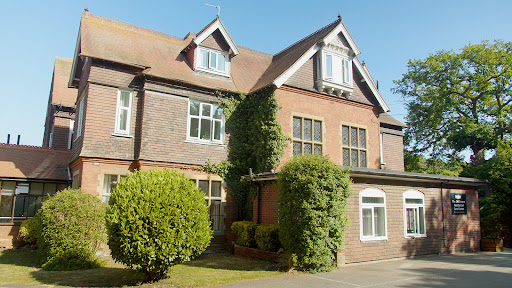
The Old Downs Residential Dementia Care Home
At a Glance
The information you need to decide whether this home warrants a closer look.
Residential homes
Staff warmth score
of reviewers answered yes
Good to know
- Registered beds41
- SpecialismsCaring for adults over 65 yrs, Dementia
- Last inspected2017-09-16
Save The Old Downs Residential Dementia Care Home to your shortlist
Keep a running list, add visit notes, and compare homes side-by-side. Free account — it takes a minute.
STAGE 4 — RESEARCHING CARE HOMES
Visit homes. Compare them side by side. Choose with confidence.
Most of us will view care homes the way we view houses, impression, atmosphere, the feeling in the corridor. We go home, try to remember what we saw, and make a permanent decision from a blurred memory.

The DCC shortlist gives every home you visit a structured record: the same twelve questions, answered the same way, every time. When you’re ready to choose, pull any two homes side by side and compare them directly. Same criteria, same evidence, your notes and your scores.
The Evidence
What the review data, the inspection reports, and the dementia-care evidence base tell us about this home.
What families say
Families have noticed how staff take time to learn about each resident's preferences and history. The team encourages residents to bring familiar belongings and photographs, helping to create personal spaces that feel comfortable and recognisable.
The eight family priority themes
- Staff warmth72
- Compassion & dignity72
- Cleanliness70
- Activities & engagement65
- Food quality60
- Healthcare68
- Management & leadership75
- Resident happiness70
What inspectors found
Inspected 2017-09-16
Is this home safe?
Is the care effective?
The home received a Good rating in Effective at the July 2024 inspection. This domain covers staff training, care planning, healthcare access, nutrition, and how well the home meets the specific needs of people living with dementia. No specific observations, quotes, or examples from the inspection are available in the published summary. The home lists dementia as a specialism, which means inspectors would have been looking at whether care practices reflect that specialism.Is this home caring?
The home was rated Good in Caring at the July 2024 inspection. This domain covers staff warmth, dignity, respect, privacy, and whether residents are supported to maintain independence. No direct inspector observations, resident quotes, or staff interaction descriptions are available in the published summary. Caring is the domain most closely linked to what families describe as their primary concern in review data, representing over half of all positive themes mentioned.Is the home responsive?
The home received a Good rating in Responsive at the July 2024 inspection. This domain covers whether activities are meaningful and tailored to the individual, whether complaints are handled well, and whether end-of-life care planning is in place. No specific activity descriptions, individual engagement examples, or end-of-life care detail are available in the published summary. The home serves people living with dementia across 41 beds, which means the range of cognitive ability and physical need will be wide.Is the home well-led?
The home was rated Good in Well-led at the July 2024 inspection, having previously been rated Requires Improvement. There is a named registered manager (Mrs Nicoleta Rucsandra Cristescu) and a nominated individual (Mr Martin Barrett) responsible for oversight. The home is run by Nellsar Limited. The improvement to Good in this domain suggests that governance, quality monitoring, and leadership culture were found to meet the required standard. No specific examples of management actions, staff feedback culture, or quality improvement processes are described in the published summary.
Source: CQC inspection report →
What the evidence base says
The home cares for adults over 65 with dementia, structuring daily routines around familiar activities. The approach here centres on listening to what works for each individual rather than following rigid protocols. Staff adapt their support based on residents' changing needs and family input. All areas worth probing directly during a visit.
The DCC Verdict
Our editorial view, built from the three lenses: what families tell us, what inspectors record, and how the home sits against good dementia-care practice.
DCC Family Score
The Old Downs Care Centre has improved from Requires Improvement to a Good rating across all five domains, which is a meaningful and positive step. However, because the inspection report available contains very limited published detail, most scores reflect that positive finding rather than specific observed evidence, so some uncertainty remains about day-to-day practice.
Homes in South East typically score 68–82.The three-lens summary
What families tell us
Families have noticed how staff take time to learn about each resident's preferences and history. The team encourages residents to bring familiar belongings and photographs, helping to create personal spaces that feel comfortable and recognisable.
What inspectors have recorded
Staff work to keep families involved in care planning, though one family reported concerns about communication during a discharge decision. The team organises activities twice daily to help residents stay engaged and stimulated.
How it sits against good practice
Understanding how a home handles both routine care and difficult decisions matters when choosing dementia support.
Worth a visit
The Old Downs Care Centre, on Castle Hill in Dartford, was inspected in July 2024 and rated Good across all five domains: safe, effective, caring, responsive, and well-led. This is a genuine improvement from the previous Requires Improvement rating and shows the home has made meaningful changes. The service specialises in dementia care for adults over 65 and has 41 beds. It is run by Nellsar Limited with a named registered manager in post, which is a positive sign for stability and accountability. The main limitation for families reading this report is that the published inspection summary contains very little specific detail about what inspectors actually saw, heard, or read. A Good rating is a solid foundation, but it does not tell you whether staff know your parent's preferred name, whether there is a keyworker who notices if they seem low, or what happens after 8pm when staffing is typically thinner. On your visit, ask to see the activity timetable and ask specifically how many permanent staff covered the night shifts last month. Watch how staff move through the corridors: do they stop, make eye contact, and use your parent's name, or do they pass through quickly? That informal observation will tell you as much as any rating.
The three questions to ask when you visitSave this home. Compare it against your shortlist.
Let our analysis show you how The Old Downs Residential Dementia Care Home measures up against the other homes you’re considering. Free account.
In Their Own Words
How The Old Downs Residential Dementia Care Home describes itself — collected from its own website. DCC has not edited or independently verified the content in this tab.
Personalised dementia care with structured daily activities in Dartford
Compassionate Care in Dartford at The Old Downs Dementia Residential Care Home
Finding the right dementia care involves looking beyond the basics to understand how a home truly supports residents day to day. The Old Downs Dementia Residential Care Home in Dartford focuses on creating individualised care plans while maintaining structured routines that help residents feel secure and engaged.
Who they care for
The home cares for adults over 65 with dementia, structuring daily routines around familiar activities.
The approach here centres on listening to what works for each individual rather than following rigid protocols. Staff adapt their support based on residents' changing needs and family input.
“Understanding how a home handles both routine care and difficult decisions matters when choosing dementia support.”
DCC does not edit or curate content in this tab. For independently curated information, see The Evidence and DCC Verdict.
The DCC Verdict
Our editorial view, built from the three lenses: what families tell us, what inspectors record, and how the home sits against good dementia-care practice.
DCC Family Score
The Old Downs Care Centre has improved from Requires Improvement to a Good rating across all five domains, which is a meaningful and positive step. However, because the inspection report available contains very limited published detail, most scores reflect that positive finding rather than specific observed evidence, so some uncertainty remains about day-to-day practice.
Homes in South East typically score 68–82.The three-lens summary
What families tell us
Families have noticed how staff take time to learn about each resident's preferences and history. The team encourages residents to bring familiar belongings and photographs, helping to create personal spaces that feel comfortable and recognisable.
What inspectors have recorded
Staff work to keep families involved in care planning, though one family reported concerns about communication during a discharge decision. The team organises activities twice daily to help residents stay engaged and stimulated.
How it sits against good practice
Understanding how a home handles both routine care and difficult decisions matters when choosing dementia support.
Worth a visit
The Old Downs Care Centre, on Castle Hill in Dartford, was inspected in July 2024 and rated Good across all five domains: safe, effective, caring, responsive, and well-led. This is a genuine improvement from the previous Requires Improvement rating and shows the home has made meaningful changes. The service specialises in dementia care for adults over 65 and has 41 beds. It is run by Nellsar Limited with a named registered manager in post, which is a positive sign for stability and accountability. The main limitation for families reading this report is that the published inspection summary contains very little specific detail about what inspectors actually saw, heard, or read. A Good rating is a solid foundation, but it does not tell you whether staff know your parent's preferred name, whether there is a keyworker who notices if they seem low, or what happens after 8pm when staffing is typically thinner. On your visit, ask to see the activity timetable and ask specifically how many permanent staff covered the night shifts last month. Watch how staff move through the corridors: do they stop, make eye contact, and use your parent's name, or do they pass through quickly? That informal observation will tell you as much as any rating.
The three questions to ask when you visitSave this home. Compare it against your shortlist.
Let our analysis show you how The Old Downs Residential Dementia Care Home measures up against the other homes you’re considering. Free account.
In Their Own Words
How The Old Downs Residential Dementia Care Home describes itself — collected from its own website. DCC has not edited or independently verified the content in this tab.
Personalised dementia care with structured daily activities in Dartford
Compassionate Care in Dartford at The Old Downs Dementia Residential Care Home
Finding the right dementia care involves looking beyond the basics to understand how a home truly supports residents day to day. The Old Downs Dementia Residential Care Home in Dartford focuses on creating individualised care plans while maintaining structured routines that help residents feel secure and engaged.
Who they care for
The home cares for adults over 65 with dementia, structuring daily routines around familiar activities.
The approach here centres on listening to what works for each individual rather than following rigid protocols. Staff adapt their support based on residents' changing needs and family input.
Management & ethos
Staff work to keep families involved in care planning, though one family reported concerns about communication during a discharge decision. The team organises activities twice daily to help residents stay engaged and stimulated.
The home & environment
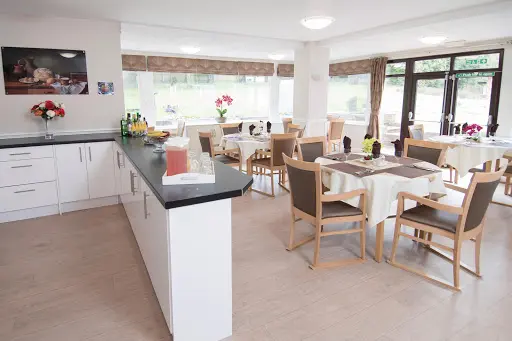
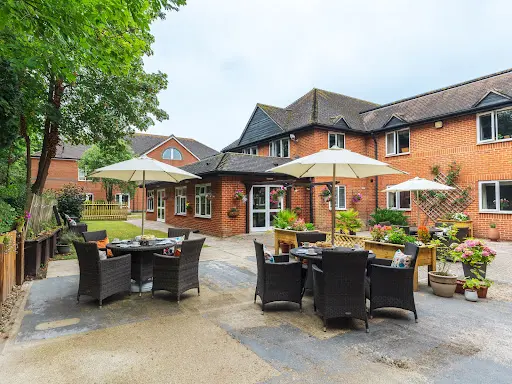
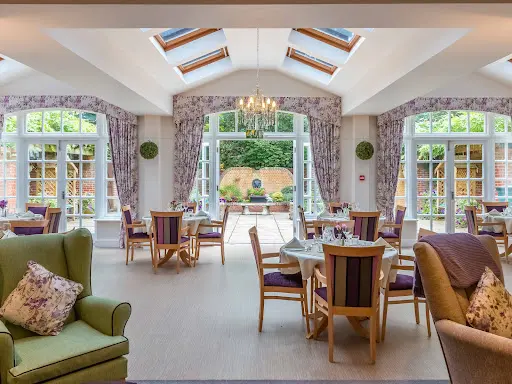
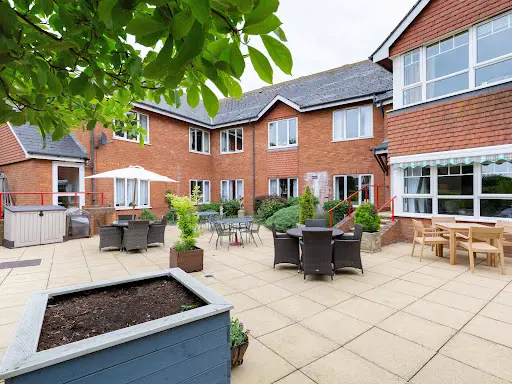
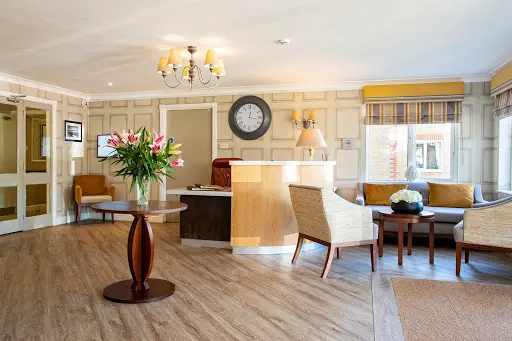
Meals are prepared fresh in the home's own kitchen, with attention paid to both nutrition and portion sizes. The home maintains high cleanliness standards throughout, and residents can access weekly hairdressing services.
“Understanding how a home handles both routine care and difficult decisions matters when choosing dementia support.”
DCC does not edit or curate content in this tab. For independently curated information, see The Evidence and DCC Verdict.