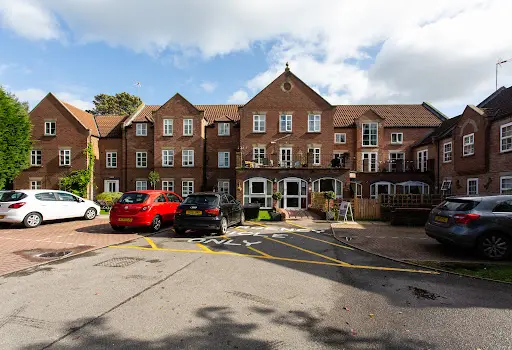
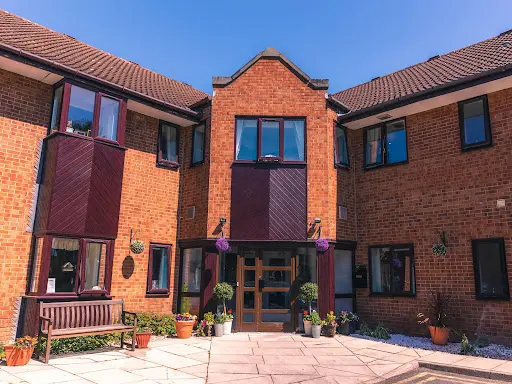
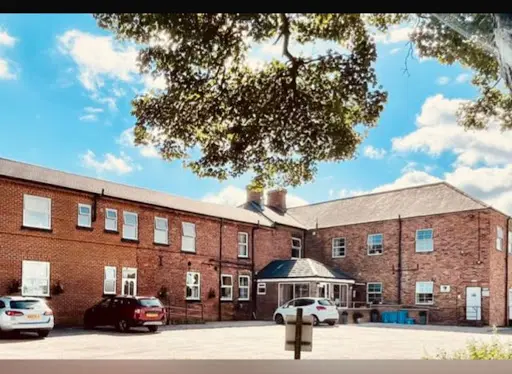
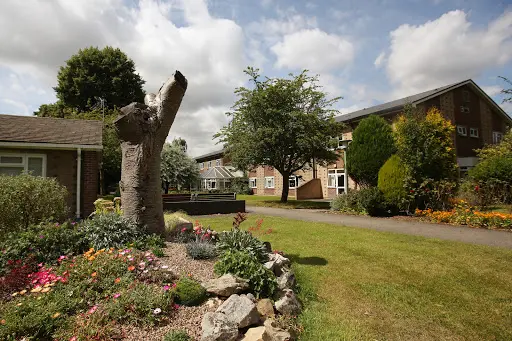
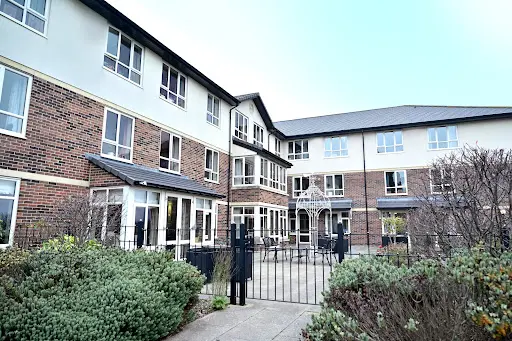
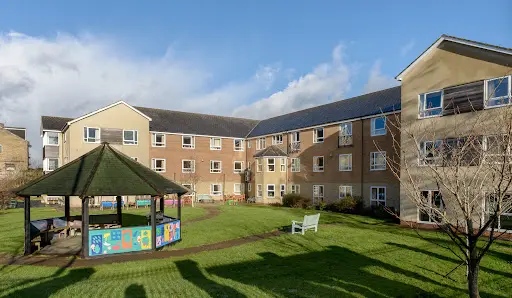
The Oaks
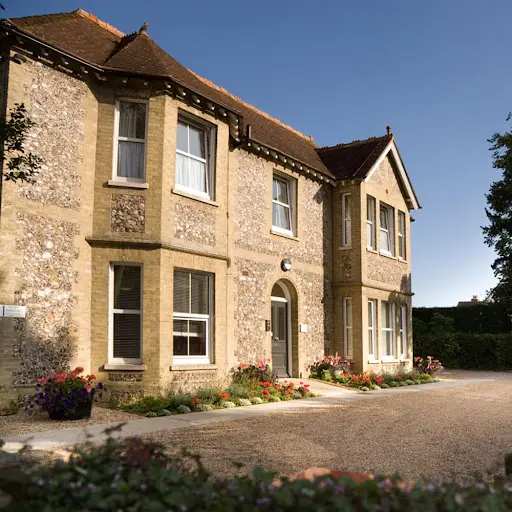
At a Glance
The information you need to decide whether this home warrants a closer look.
Nursing homes, Homecare agencies
Staff warmth score
of reviewers answered yes
Good to know
- Registered beds43
- SpecialismsCaring for adults over 65 yrs, Caring for adults under 65 yrs, Dementia, Physical disabilities, Sensory impairment
- Last inspected2023-01-27
Save The Oaks to your shortlist
Keep a running list, add visit notes, and compare homes side-by-side. Free account — it takes a minute.
STAGE 4 — RESEARCHING CARE HOMES
Visit homes. Compare them side by side. Choose with confidence.
Most of us will view care homes the way we view houses, impression, atmosphere, the feeling in the corridor. We go home, try to remember what we saw, and make a permanent decision from a blurred memory.

The DCC shortlist gives every home you visit a structured record: the same twelve questions, answered the same way, every time. When you’re ready to choose, pull any two homes side by side and compare them directly. Same criteria, same evidence, your notes and your scores.
The Evidence
What the review data, the inspection reports, and the dementia-care evidence base tell us about this home.
What families say
The eight family priority themes
- Staff warmth72
- Compassion & dignity72
- Cleanliness70
- Activities & engagement68
- Food quality65
- Healthcare70
- Management & leadership52
- Resident happiness70
What inspectors found
Inspected 2023-01-27
Is this home safe?
Is the care effective?
The Effective domain was rated Good at the May 2024 inspection. This covers whether staff have the right training, whether care plans reflect individual needs, and whether healthcare access is organised properly. The home lists dementia as a specialism and also supports people with physical disabilities and sensory impairments. The published summary does not include specific observations about dementia training content, GP visit frequency, or how care plans are kept up to date.Is this home caring?
The Caring domain was rated Good at the May 2024 inspection. This covers whether staff are kind and respectful, whether residents are treated with dignity, and whether people's independence is supported. The published summary does not include specific inspector observations, resident quotes, or examples of how staff handle distress or personal care. For a home supporting people with dementia, the quality of everyday interactions matters enormously, and the published report does not give enough detail to assess this fully.Is the home responsive?
The Responsive domain was rated Good at the May 2024 inspection. This covers whether the home tailors its care to individual needs, offers meaningful activities, and handles end-of-life care well. The home supports people with dementia, physical disabilities, and sensory impairments across 43 beds. The published summary does not describe the activities programme, what provision exists for residents who cannot join group sessions, or how the home approaches advance care planning.Is the home well-led?
The Well-led domain was rated Requires Improvement at the May 2024 inspection. This is the one area where the home fell below the Good standard. Well-led covers the quality of management, the culture of the home, whether staff can raise concerns, and whether the home has effective systems to monitor and improve quality. The published summary does not specify what exactly inspectors found wanting. The home is run by Joseph Rowntree Housing Trust, a well-established organisation, but provider-level reputation does not automatically translate into strong site-level leadership.
Source: CQC inspection report →
What the evidence base says
The home welcomes residents with various needs, including those with dementia, sensory impairments, and physical disabilities. They're equipped to care for both younger adults and those over 65. For residents living with dementia, the team provides specialized support within the home's flexible care framework. This means your loved one can receive the specific help they need while still enjoying as much independence as possible. All areas worth probing directly during a visit.
The DCC Verdict
Our editorial view, built from the three lenses: what families tell us, what inspectors record, and how the home sits against good dementia-care practice.
DCC Family Score
Hartrigg Oaks (The Oaks) scores a solid 72 out of 100, reflecting Good ratings across most areas of care with one important exception: leadership and governance, which was rated Requires Improvement at the most recent inspection in May 2024. The care itself appears broadly sound, but questions about management oversight mean this home warrants a closer look before you decide.
Homes in Yorkshire & Humberside typically score 68–82.Worth a visit
Hartrigg Oaks, known as The Oaks and run by Joseph Rowntree Housing Trust in York, was rated Good overall at its most recent inspection in May 2024, published in January 2025. This is a meaningful improvement on its previous rating of Requires Improvement. Four of the five inspection domains, Safe, Effective, Caring, and Responsive, were each rated Good, which gives a reasonable foundation of confidence in the day-to-day care your parent would receive across safety, health, kindness, and activities. The one area that deserves your direct attention is Well-led, which was rated Requires Improvement. Leadership quality is one of the strongest predictors of whether a care home sustains or improves its standards over time. The published summary does not detail exactly what inspectors found wanting, so you will need to ask the manager directly: how long have they been in post, what specific improvements are they making following the inspection, and how do they ensure staff can raise concerns without fear? Visit during a weekday morning when the manager is likely to be present and observe how visible and engaged they are with staff and residents.
The three questions to ask when you visitSave this home. Compare it against your shortlist.
Let our analysis show you how The Oaks measures up against the other homes you’re considering. Free account.
In Their Own Words
How The Oaks describes itself — collected from its own website. DCC has not edited or independently verified the content in this tab.
Flexible care with professional nursing support when you need it
Nursing home,homecare agency in York: True Peace of Mind
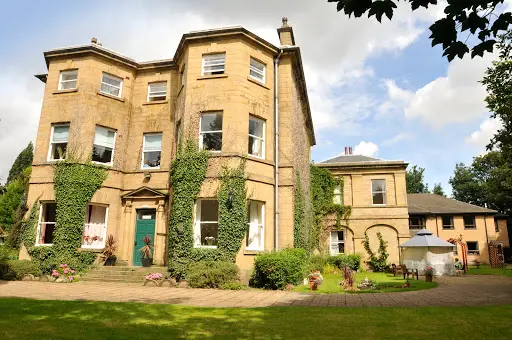
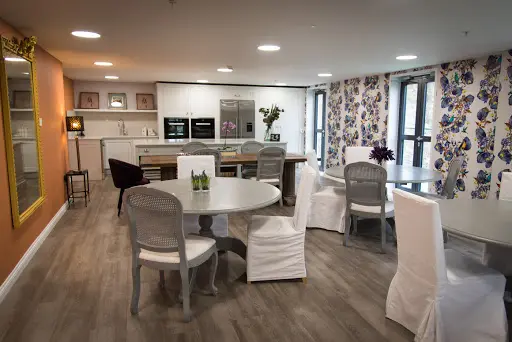
The Oaks in York offers something rather special — the chance to maintain your independence while having skilled nursing care right there when you need it. This Yorkshire home has created a flexible approach that lets residents keep their own routines and privacy, with professional support always close at hand.
Who they care for
The home welcomes residents with various needs, including those with dementia, sensory impairments, and physical disabilities. They're equipped to care for both younger adults and those over 65.
For residents living with dementia, the team provides specialized support within the home's flexible care framework. This means your loved one can receive the specific help they need while still enjoying as much independence as possible.
“If you're looking for somewhere that balances independence with professional nursing care, The Oaks could be worth exploring.”
DCC does not edit or curate content in this tab. For independently curated information, see The Evidence and DCC Verdict.
The DCC Verdict
Our editorial view, built from the three lenses: what families tell us, what inspectors record, and how the home sits against good dementia-care practice.
DCC Family Score
Hartrigg Oaks (The Oaks) scores a solid 72 out of 100, reflecting Good ratings across most areas of care with one important exception: leadership and governance, which was rated Requires Improvement at the most recent inspection in May 2024. The care itself appears broadly sound, but questions about management oversight mean this home warrants a closer look before you decide.
Homes in Yorkshire & Humberside typically score 68–82.Worth a visit
Hartrigg Oaks, known as The Oaks and run by Joseph Rowntree Housing Trust in York, was rated Good overall at its most recent inspection in May 2024, published in January 2025. This is a meaningful improvement on its previous rating of Requires Improvement. Four of the five inspection domains, Safe, Effective, Caring, and Responsive, were each rated Good, which gives a reasonable foundation of confidence in the day-to-day care your parent would receive across safety, health, kindness, and activities. The one area that deserves your direct attention is Well-led, which was rated Requires Improvement. Leadership quality is one of the strongest predictors of whether a care home sustains or improves its standards over time. The published summary does not detail exactly what inspectors found wanting, so you will need to ask the manager directly: how long have they been in post, what specific improvements are they making following the inspection, and how do they ensure staff can raise concerns without fear? Visit during a weekday morning when the manager is likely to be present and observe how visible and engaged they are with staff and residents.
The three questions to ask when you visitSave this home. Compare it against your shortlist.
Let our analysis show you how The Oaks measures up against the other homes you’re considering. Free account.
In Their Own Words
How The Oaks describes itself — collected from its own website. DCC has not edited or independently verified the content in this tab.
Flexible care with professional nursing support when you need it
Nursing home,homecare agency in York: True Peace of Mind
The Oaks in York offers something rather special — the chance to maintain your independence while having skilled nursing care right there when you need it. This Yorkshire home has created a flexible approach that lets residents keep their own routines and privacy, with professional support always close at hand.
Who they care for
The home welcomes residents with various needs, including those with dementia, sensory impairments, and physical disabilities. They're equipped to care for both younger adults and those over 65.
For residents living with dementia, the team provides specialized support within the home's flexible care framework. This means your loved one can receive the specific help they need while still enjoying as much independence as possible.
“If you're looking for somewhere that balances independence with professional nursing care, The Oaks could be worth exploring.”
DCC does not edit or curate content in this tab. For independently curated information, see The Evidence and DCC Verdict.