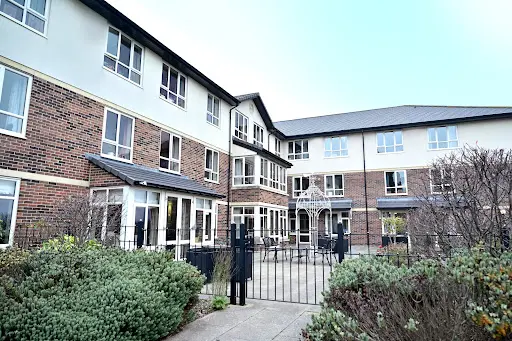
The Mayfield Care Home

At a Glance
The information you need to decide whether this home warrants a closer look.
Residential homes
Staff warmth score
of reviewers answered yes
Good to know
- Registered beds66
- SpecialismsCaring for adults over 65 yrs, Caring for adults under 65 yrs, Dementia, Physical disabilities
- Last inspected2025-02-14
Save The Mayfield Care Home to your shortlist
Keep a running list, add visit notes, and compare homes side-by-side. Free account — it takes a minute.
STAGE 4 — RESEARCHING CARE HOMES
Visit homes. Compare them side by side. Choose with confidence.
Most of us will view care homes the way we view houses, impression, atmosphere, the feeling in the corridor. We go home, try to remember what we saw, and make a permanent decision from a blurred memory.

The DCC shortlist gives every home you visit a structured record: the same twelve questions, answered the same way, every time. When you’re ready to choose, pull any two homes side by side and compare them directly. Same criteria, same evidence, your notes and your scores.
The Evidence
What the review data, the inspection reports, and the dementia-care evidence base tell us about this home.
What families say
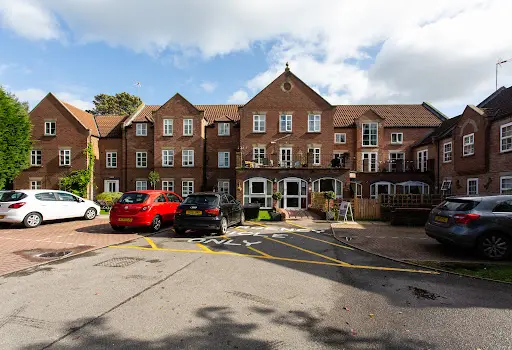
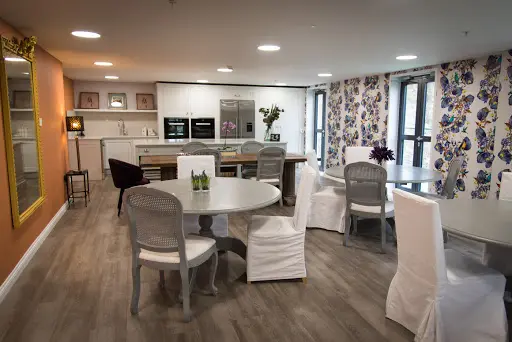
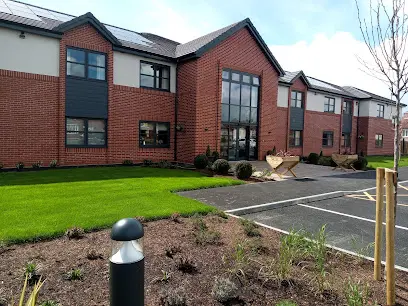
Families often mention how welcoming the atmosphere feels here. There's a real sense of warmth in the way staff interact with visitors, and the bright, modern surroundings help create a more relaxed environment than you might expect.
The eight family priority themes
- Staff warmth62
- Compassion & dignity62
- Cleanliness60
- Activities & engagement58
- Food quality58
- Healthcare60
- Management & leadership62
- Resident happiness60
What inspectors found
Inspected 2025-02-14 Report published 2025-02-14
Is this home safe?
Is the care effective?
The home was rated Good for Effectiveness at its February 2025 inspection. This indicates inspectors were satisfied that care planning, staff training, and healthcare access met required standards. The home lists dementia as a specialism, which implies a training requirement for staff. No specific detail about care plan content, dementia training programmes, GP access arrangements, or food quality is recorded in the published summary.Is this home caring?
The home was rated Good for Caring at its February 2025 inspection. This is the domain most directly concerned with how staff treat the people in their care, including warmth, dignity, and respect. A Good rating indicates inspectors were satisfied. No specific inspector observations, resident quotes, or relative testimony are recorded in the published summary to illustrate what that warmth looks like in practice.Is the home responsive?
The home was rated Good for Responsiveness at its February 2025 inspection. This domain covers whether the home tailors its care to individual needs and preferences, whether activities are meaningful and varied, and whether end-of-life care is considered. The home cares for people with dementia and physical disabilities across a wide age range, which means individual variation in what engagement looks like will be significant. No specific detail about the activities programme, one-to-one engagement, or end-of-life planning is recorded in the published summary.Is the home well-led?
The home was rated Good for Well-led at its February 2025 inspection. A named registered manager (Miss Natalie Carole Gill) and a nominated individual (Ms Rachel Louise Harvey) are both recorded, which indicates the required governance structure is in place. A Good rating in this domain suggests inspectors were satisfied with leadership, culture, and accountability processes. No specific detail about the manager's visibility, staff feedback culture, or governance mechanisms is recorded in the published summary.
Source: CQC inspection report →
What the evidence base says
The home provides care for adults under 65, adults over 65, people living with dementia, and people with physical disabilities. For people living with dementia, the team works to maintain familiar routines and encourage participation in daily activities. The home's design aims to help your parent navigate spaces more easily, with clear signposting and familiar touches throughout. All areas worth probing directly during a visit.
The DCC Verdict
Our editorial view, built from the three lenses: what families tell us, what inspectors record, and how the home sits against good dementia-care practice.
DCC Family Score
The Mayfield Care Home was rated Good across all five inspection domains in February 2025, which is a positive baseline. However, the published inspection findings contain very limited specific detail, so scores reflect confirmed Good ratings rather than rich observational evidence.
Homes in Yorkshire & Humberside typically score 68–82.The three-lens summary
What families tell us
Families often mention how welcoming the atmosphere feels here. There's a real sense of warmth in the way staff interact with visitors, and the bright, modern surroundings help create a more relaxed environment than you might expect.
What inspectors have recorded
Staff here are described as professional and approachable, taking time to chat with families during visits. While one family reported concerns about response times during busy periods, most find the team attentive and willing to help.
How it sits against good practice
If you're considering The Mayfield for someone you care about, visiting in person will give you the clearest picture of daily life here.
Worth a visit
The Mayfield Care Home in Whitby was rated Good across all five inspection domains at its most recent assessment, carried out in February 2025 and published in April 2025. This is a stable, positive rating for a 66-bed home caring for people over and under 65, including those living with dementia and people with physical disabilities. The home is run by Cromwell Care Homes Limited with a named registered manager and nominated individual in place. The main limitation of this report is that the published inspection summary contains very little specific observational detail. A Good rating confirms that inspectors were satisfied across safety, care quality, responsiveness, and leadership, but it does not tell you what daily life looks and feels like for your mum or dad. The most important step you can take is to visit in person, ideally unannounced or at a quieter time such as a weekday afternoon, and to ask the specific questions listed in the checklist below, particularly around night staffing ratios, dementia training, and how the home keeps families informed.
The three questions to ask when you visitSave this home. Compare it against your shortlist.
Let our analysis show you how The Mayfield Care Home measures up against the other homes you’re considering. Free account.
In Their Own Words
How The Mayfield Care Home describes itself — collected from its own website. DCC has not edited or independently verified the content in this tab.
Modern Yorkshire coast home specialising in dementia and physical disability care
Residential home in Whitby: True Peace of Mind
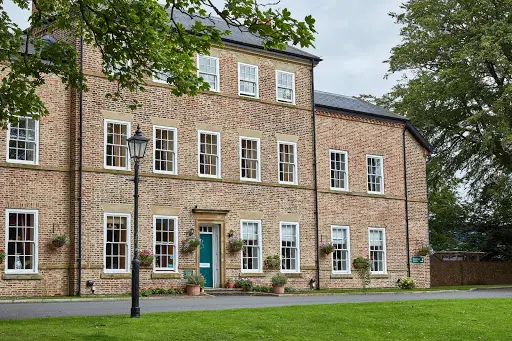
Choosing the right care home means finding somewhere that truly understands your loved one's needs. The Mayfield Care Home in Whitby offers specialist support for people living with dementia and physical disabilities, with a focus on creating comfortable, light-filled spaces. Set in this popular Yorkshire coastal town, the home welcomes both younger adults and those over 65.
Who they care for
The home provides care for adults under 65, adults over 65, people living with dementia, and people with physical disabilities.
For people living with dementia, the team works to maintain familiar routines and encourage participation in daily activities. The home's design aims to help your parent navigate spaces more easily, with clear signposting and familiar touches throughout.
“If you're considering The Mayfield for someone you care about, visiting in person will give you the clearest picture of daily life here.”
DCC does not edit or curate content in this tab. For independently curated information, see The Evidence and DCC Verdict.
The DCC Verdict
Our editorial view, built from the three lenses: what families tell us, what inspectors record, and how the home sits against good dementia-care practice.
DCC Family Score
The Mayfield Care Home was rated Good across all five inspection domains in February 2025, which is a positive baseline. However, the published inspection findings contain very limited specific detail, so scores reflect confirmed Good ratings rather than rich observational evidence.
Homes in Yorkshire & Humberside typically score 68–82.The three-lens summary
What families tell us
Families often mention how welcoming the atmosphere feels here. There's a real sense of warmth in the way staff interact with visitors, and the bright, modern surroundings help create a more relaxed environment than you might expect.
What inspectors have recorded
Staff here are described as professional and approachable, taking time to chat with families during visits. While one family reported concerns about response times during busy periods, most find the team attentive and willing to help.
How it sits against good practice
If you're considering The Mayfield for someone you care about, visiting in person will give you the clearest picture of daily life here.
Worth a visit
The Mayfield Care Home in Whitby was rated Good across all five inspection domains at its most recent assessment, carried out in February 2025 and published in April 2025. This is a stable, positive rating for a 66-bed home caring for people over and under 65, including those living with dementia and people with physical disabilities. The home is run by Cromwell Care Homes Limited with a named registered manager and nominated individual in place. The main limitation of this report is that the published inspection summary contains very little specific observational detail. A Good rating confirms that inspectors were satisfied across safety, care quality, responsiveness, and leadership, but it does not tell you what daily life looks and feels like for your mum or dad. The most important step you can take is to visit in person, ideally unannounced or at a quieter time such as a weekday afternoon, and to ask the specific questions listed in the checklist below, particularly around night staffing ratios, dementia training, and how the home keeps families informed.
The three questions to ask when you visitSave this home. Compare it against your shortlist.
Let our analysis show you how The Mayfield Care Home measures up against the other homes you’re considering. Free account.
In Their Own Words
How The Mayfield Care Home describes itself — collected from its own website. DCC has not edited or independently verified the content in this tab.
Modern Yorkshire coast home specialising in dementia and physical disability care
Residential home in Whitby: True Peace of Mind
Choosing the right care home means finding somewhere that truly understands your loved one's needs. The Mayfield Care Home in Whitby offers specialist support for people living with dementia and physical disabilities, with a focus on creating comfortable, light-filled spaces. Set in this popular Yorkshire coastal town, the home welcomes both younger adults and those over 65.
Who they care for
The home provides care for adults under 65, adults over 65, people living with dementia, and people with physical disabilities.
For people living with dementia, the team works to maintain familiar routines and encourage participation in daily activities. The home's design aims to help your parent navigate spaces more easily, with clear signposting and familiar touches throughout.
Management & ethos
Staff here are described as professional and approachable, taking time to chat with families during visits. While one family reported concerns about response times during busy periods, most find the team attentive and willing to help.
The home & environment
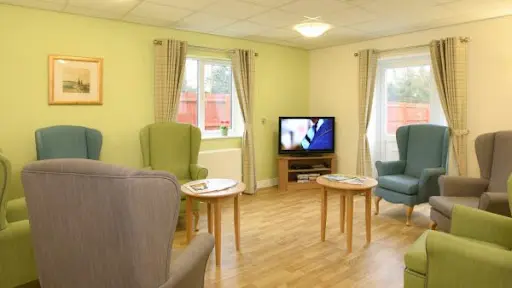
The kitchen team prepares fresh, home-cooked meals daily, with choices to suit different tastes and dietary needs. The home's layout includes plenty of natural light and comfortable communal areas where residents can socialise or find quiet moments.
“If you're considering The Mayfield for someone you care about, visiting in person will give you the clearest picture of daily life here.”
DCC does not edit or curate content in this tab. For independently curated information, see The Evidence and DCC Verdict.