The Hamptons Care Home
At a Glance
The information you need to decide whether this home warrants a closer look.
Nursing homes
Staff warmth score
of reviewers answered yes
Good to know
- Registered beds76
- SpecialismsCaring for adults over 65 yrs, Dementia, Physical disabilities
- Last inspected2018-10-17
Save The Hamptons Care Home to your shortlist
Keep a running list, add visit notes, and compare homes side-by-side. Free account — it takes a minute.
STAGE 4 — RESEARCHING CARE HOMES
Visit homes. Compare them side by side. Choose with confidence.
Most of us will view care homes the way we view houses, impression, atmosphere, the feeling in the corridor. We go home, try to remember what we saw, and make a permanent decision from a blurred memory.

The DCC shortlist gives every home you visit a structured record: the same twelve questions, answered the same way, every time. When you’re ready to choose, pull any two homes side by side and compare them directly. Same criteria, same evidence, your notes and your scores.
The Evidence
What the review data, the inspection reports, and the dementia-care evidence base tell us about this home.
What families say
People talk about walking into somewhere that feels settled and homely, where residents with dementia are actively engaged in daily activities rather than just sitting quietly. There's a sense of genuine warmth that families pick up on straight away, particularly when they're going through difficult times.
The eight family priority themes
- Staff warmth75
- Compassion & dignity85
- Cleanliness60
- Activities & engagement60
- Food quality55
- Healthcare60
- Management & leadership65
- Resident happiness65
What inspectors found
Inspected 2018-10-17
Is this home safe?
Is the care effective?
The home was rated Good for effective practice at the March 2021 inspection. This covers staff training, care planning, healthcare access, nutritional support, and outcomes for residents. The published summary does not describe the content of dementia training, how care plans are structured, how often GP visits occur, or how food quality and choice are managed. The home holds a nursing registration, which requires clinical governance processes to be in place.Is this home caring?
The home received an Outstanding rating for caring at the March 2021 inspection. This is the highest possible grade and indicates that inspectors found strong, specific evidence of compassionate, dignified, and respectful care. Outstanding is awarded to fewer than one in ten care homes inspected nationally. The published summary does not reproduce the observations or testimony that led to this rating, but the grade itself reflects a high evidential bar.Is the home responsive?
The home was rated Good for responsive practice at the March 2021 inspection. This domain covers how well the home tailors its care to individual needs, including activities, engagement, and end-of-life planning. The published summary gives no specific detail on the activities programme, how individual preferences are recorded and acted upon, or how the home approaches end-of-life care. Dementia is listed as a specialism, meaning the home is expected to offer tailored engagement for people at different stages.Is the home well-led?
The home was rated Good for well-led practice at the March 2021 inspection. The registered manager is named as Mrs Sara Anne Allton, and the nominated individual is Mrs Cathryn Fairhurst. A Good rating indicates that governance systems, staff support structures, and accountability processes met the required standard at the time of inspection. The published summary does not describe the manager's visibility on the floor, how long they have been in post, or how the home handles complaints and feedback.
Source: CQC inspection report →
What the evidence base says
The centre provides specialist care for people over 65 with dementia and physical disabilities. They also offer respite stays when families need a break. Residents with dementia here take part in structured daily activities that keep them engaged and content. The staff clearly understand how to create an environment where people feel settled rather than anxious. All areas worth probing directly during a visit.
The DCC Verdict
Our editorial view, built from the three lenses: what families tell us, what inspectors record, and how the home sits against good dementia-care practice.
DCC Family Score
The home holds an Outstanding rating for caring, which carries the most weight in our family scoring, and a Good rating across all other domains. However, the published inspection text contains very limited specific detail, so most scores reflect the rating grade rather than observed evidence.
Homes in North West typically score 68–82.The three-lens summary
What families tell us
People talk about walking into somewhere that feels settled and homely, where residents with dementia are actively engaged in daily activities rather than just sitting quietly. There's a sense of genuine warmth that families pick up on straight away, particularly when they're going through difficult times.
What inspectors have recorded
Staff here seem to understand that caring for someone means supporting their whole family too. They're described as approachable and emotionally present, particularly skilled at managing pain and maintaining dignity during end-of-life care. That kind of expertise makes a real difference when you need it most.
How it sits against good practice
Sometimes the best recommendation is knowing that other families found what they needed here during their hardest days.
Worth a visit
The Hamptons Care Centre, on Main Drive in Lytham St Annes, was rated Good overall at its March 2021 inspection, with an Outstanding rating for caring, the highest possible grade in that domain. All other domains, including safe, effective, responsive, and well-led, were rated Good. The home is registered to provide nursing and personal care for up to 76 adults over 65, including people living with dementia and physical disabilities. The most important caveat for your decision-making is that the published inspection text contains very little specific detail: no inspector observations, no resident or family quotes, and no descriptions of day-to-day practice are reproduced. The Outstanding caring rating is genuinely significant and should not be dismissed, but you cannot rely on the written summary alone to understand what life is like here for your parent. Visit the home, ask to see last week's staffing rota, spend time in a communal area at mealtimes, and ask directly about dementia-specific training, night staffing ratios, and how the home keeps families informed when things change.
The three questions to ask when you visitSave this home. Compare it against your shortlist.
Let our analysis show you how The Hamptons Care Home measures up against the other homes you’re considering. Free account.
In Their Own Words
How The Hamptons Care Home describes itself — collected from its own website. DCC has not edited or independently verified the content in this tab.
Where families find genuine comfort during life's hardest transitions
Nursing home in Lytham St Annes: True Peace of Mind
When you're facing difficult decisions about care, you need somewhere that understands what really matters. The Hamptons Care Centre in Lytham St Annes specialises in supporting people through some of life's most challenging moments — whether that's learning to live with dementia, managing physical disabilities, or needing gentle end-of-life care. Families describe finding real comfort here, both for their loved ones and themselves.
Who they care for
The centre provides specialist care for people over 65 with dementia and physical disabilities. They also offer respite stays when families need a break.
Residents with dementia here take part in structured daily activities that keep them engaged and content. The staff clearly understand how to create an environment where people feel settled rather than anxious.
“Sometimes the best recommendation is knowing that other families found what they needed here during their hardest days.”
DCC does not edit or curate content in this tab. For independently curated information, see The Evidence and DCC Verdict.
The DCC Verdict
Our editorial view, built from the three lenses: what families tell us, what inspectors record, and how the home sits against good dementia-care practice.
DCC Family Score
The home holds an Outstanding rating for caring, which carries the most weight in our family scoring, and a Good rating across all other domains. However, the published inspection text contains very limited specific detail, so most scores reflect the rating grade rather than observed evidence.
Homes in North West typically score 68–82.The three-lens summary
What families tell us
People talk about walking into somewhere that feels settled and homely, where residents with dementia are actively engaged in daily activities rather than just sitting quietly. There's a sense of genuine warmth that families pick up on straight away, particularly when they're going through difficult times.
What inspectors have recorded
Staff here seem to understand that caring for someone means supporting their whole family too. They're described as approachable and emotionally present, particularly skilled at managing pain and maintaining dignity during end-of-life care. That kind of expertise makes a real difference when you need it most.
How it sits against good practice
Sometimes the best recommendation is knowing that other families found what they needed here during their hardest days.
Worth a visit
The Hamptons Care Centre, on Main Drive in Lytham St Annes, was rated Good overall at its March 2021 inspection, with an Outstanding rating for caring, the highest possible grade in that domain. All other domains, including safe, effective, responsive, and well-led, were rated Good. The home is registered to provide nursing and personal care for up to 76 adults over 65, including people living with dementia and physical disabilities. The most important caveat for your decision-making is that the published inspection text contains very little specific detail: no inspector observations, no resident or family quotes, and no descriptions of day-to-day practice are reproduced. The Outstanding caring rating is genuinely significant and should not be dismissed, but you cannot rely on the written summary alone to understand what life is like here for your parent. Visit the home, ask to see last week's staffing rota, spend time in a communal area at mealtimes, and ask directly about dementia-specific training, night staffing ratios, and how the home keeps families informed when things change.
The three questions to ask when you visitSave this home. Compare it against your shortlist.
Let our analysis show you how The Hamptons Care Home measures up against the other homes you’re considering. Free account.
In Their Own Words
How The Hamptons Care Home describes itself — collected from its own website. DCC has not edited or independently verified the content in this tab.
Where families find genuine comfort during life's hardest transitions
Nursing home in Lytham St Annes: True Peace of Mind
When you're facing difficult decisions about care, you need somewhere that understands what really matters. The Hamptons Care Centre in Lytham St Annes specialises in supporting people through some of life's most challenging moments — whether that's learning to live with dementia, managing physical disabilities, or needing gentle end-of-life care. Families describe finding real comfort here, both for their loved ones and themselves.
Who they care for
The centre provides specialist care for people over 65 with dementia and physical disabilities. They also offer respite stays when families need a break.
Residents with dementia here take part in structured daily activities that keep them engaged and content. The staff clearly understand how to create an environment where people feel settled rather than anxious.
Management & ethos
Staff here seem to understand that caring for someone means supporting their whole family too. They're described as approachable and emotionally present, particularly skilled at managing pain and maintaining dignity during end-of-life care. That kind of expertise makes a real difference when you need it most.
The home & environment
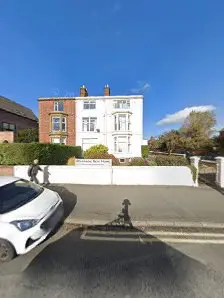
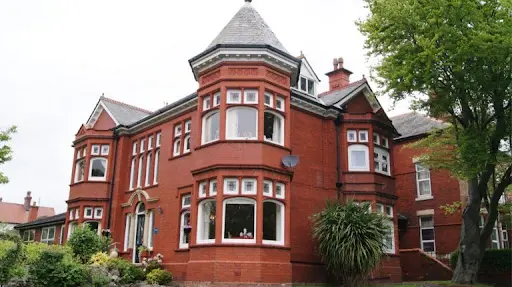
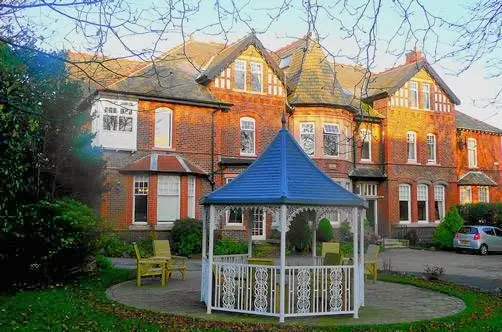
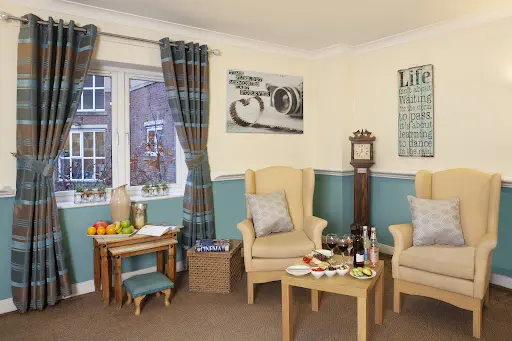
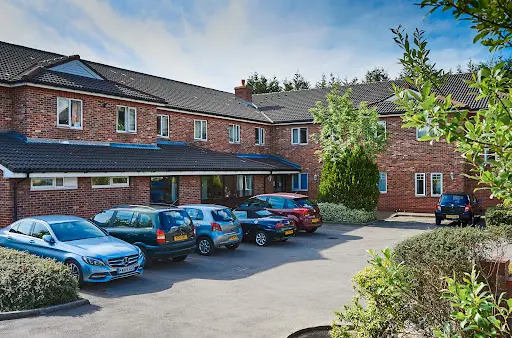
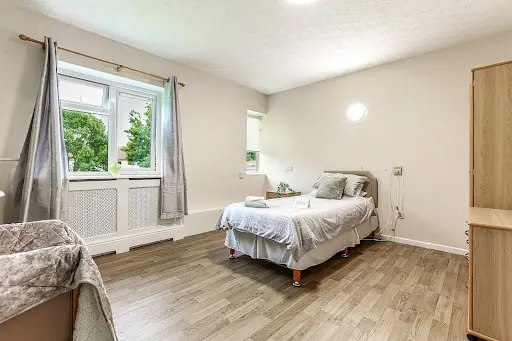
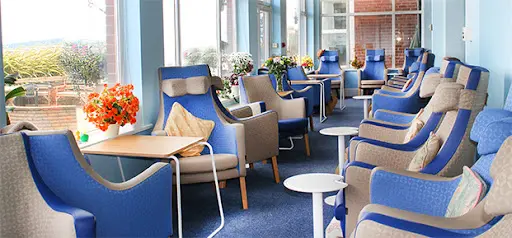
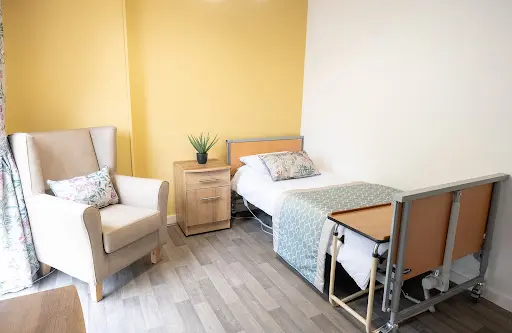
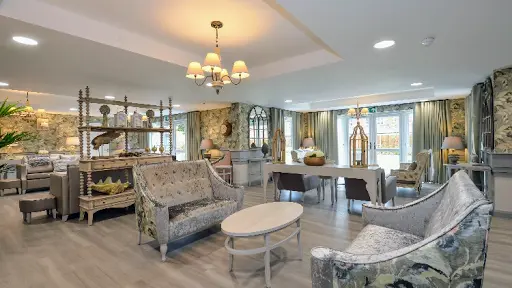
The centre feels comfortable and well-kept, with decent food and pleasant surroundings that help create a reassuring atmosphere. Everything's clean and properly maintained, which matters when you're looking for somewhere that feels cared for.
“Sometimes the best recommendation is knowing that other families found what they needed here during their hardest days.”
DCC does not edit or curate content in this tab. For independently curated information, see The Evidence and DCC Verdict.