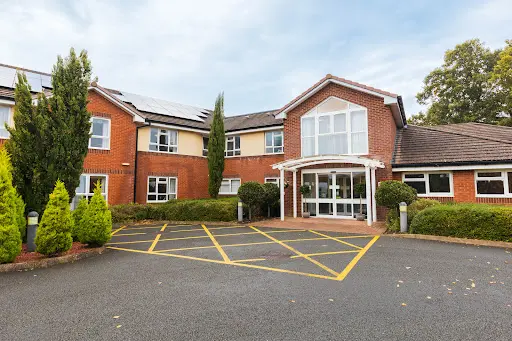
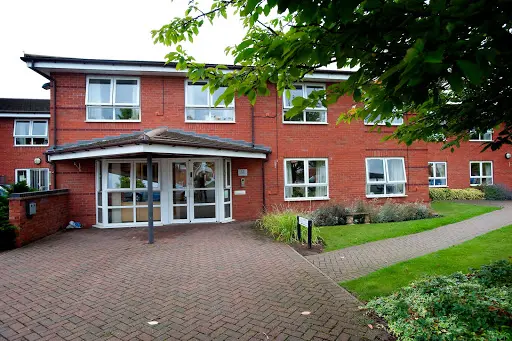
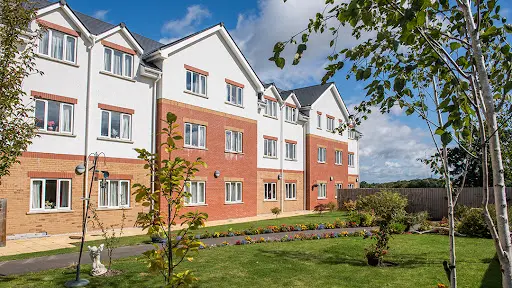
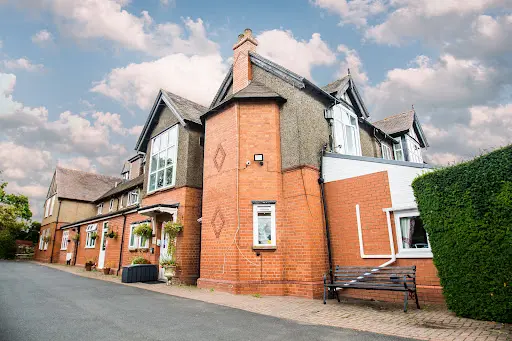
The Firs
At a Glance
The information you need to decide whether this home warrants a closer look.
Residential homes
Staff warmth score
of reviewers answered yes
Good to know
- Registered beds15
- SpecialismsCaring for adults over 65 yrs, Dementia, Mental health conditions, Physical disabilities, Sensory impairment
- Last inspected2020-03-11
Save The Firs to your shortlist
Keep a running list, add visit notes, and compare homes side-by-side. Free account — it takes a minute.
STAGE 4 — RESEARCHING CARE HOMES
Visit homes. Compare them side by side. Choose with confidence.
Most of us will view care homes the way we view houses, impression, atmosphere, the feeling in the corridor. We go home, try to remember what we saw, and make a permanent decision from a blurred memory.

The DCC shortlist gives every home you visit a structured record: the same twelve questions, answered the same way, every time. When you’re ready to choose, pull any two homes side by side and compare them directly. Same criteria, same evidence, your notes and your scores.
The Evidence
What the review data, the inspection reports, and the dementia-care evidence base tell us about this home.
What families say
People describe a real sense of security here — not just physical safety, but that deeper confidence that comes from seeing staff who clearly know what they're doing. The personal attention seems to make a difference, with families noticing how staff remember the little details about each resident.
The eight family priority themes
- Staff warmth72
- Compassion & dignity72
- Cleanliness68
- Activities & engagement60
- Food quality60
- Healthcare65
- Management & leadership70
- Resident happiness68
What inspectors found
Inspected 2020-03-11
Is this home safe?
Is the care effective?
The home was rated Good for effectiveness at its November 2020 inspection. This domain covers care planning, staff training, GP and healthcare access, nutrition, and hydration. The published summary does not include detail about how often care plans were reviewed, whether families were involved in reviews, or what dementia training staff had completed. No concerns were raised in this domain.Is this home caring?
The home was rated Good for caring at its November 2020 inspection. This domain reflects whether inspectors found staff to be kind, respectful, and attentive, and whether residents' privacy and dignity were upheld. No specific observations, staff behaviours, or resident and family quotes are recorded in the published summary. No concerns were raised.Is the home responsive?
The home was rated Good for responsiveness at its November 2020 inspection. This domain covers whether activities are meaningful and tailored to individuals, whether complaints are handled well, and whether end-of-life care is planned. The published summary contains no detail about the activities programme, individual engagement, or complaint handling. No concerns were raised.Is the home well-led?
The home was rated Good for well-led at its November 2020 inspection. This domain covers the quality of management, staff culture, governance, and whether the home learns and improves over time. The published summary does not record the manager's name, tenure, or specific examples of leadership in practice. No concerns were raised.
Source: CQC inspection report →
What the evidence base says
The Firs provides specialist support for dementia, sensory impairments, mental health conditions and physical disabilities. They focus on caring for adults over 65. For those living with dementia, the smaller setting can be particularly helpful — fewer people means less confusion and more familiar faces each day. All areas worth probing directly during a visit.
The DCC Verdict
Our editorial view, built from the three lenses: what families tell us, what inspectors record, and how the home sits against good dementia-care practice.
DCC Family Score
The Firs Rest Home was rated Good across all five inspection domains at its last assessment in November 2020, which is a positive baseline. However, the published report contains very little specific detail, so most scores reflect a confirmed Good rating without the supporting observations, quotes, or examples that would push them higher.
Homes in West Midlands typically score 68–82.The three-lens summary
What families tell us
People describe a real sense of security here — not just physical safety, but that deeper confidence that comes from seeing staff who clearly know what they're doing. The personal attention seems to make a difference, with families noticing how staff remember the little details about each resident.
What inspectors have recorded
Staff appear to have built up good knowledge of the residents they care for, which shows in the consistent care families describe. There's also been positive feedback about communication with families, though this is something worth checking when you visit.
How it sits against good practice
The consistent thread here is that personal touch that comes from keeping things small and focused.
Worth a visit
The Firs Rest Home at 141 Malvern Road, Worcester was rated Good across all five inspection domains at its last assessment in November 2020. That is a positive baseline: inspectors were satisfied with safety, staffing, care, leadership, and responsiveness. The home is a small residential service with 15 beds, supporting people over 65, including those living with dementia, mental health conditions, physical disabilities, and sensory impairment. There are two important caveats you need to know before visiting. First, the inspection took place in November 2020, meaning the findings are now more than four years old. A lot can change in that time, including management, staffing, and ownership. Second, and critically, this service was deregistered and archived in February 2026, which means it is no longer operating. If you found this report while searching for a home for your parent, please check whether The Firs Rest Home is still accepting residents, as the evidence strongly suggests it is not. If you are researching it for historical reasons, treat all findings as a snapshot from 2020 only.
The three questions to ask when you visitSave this home. Compare it against your shortlist.
Let our analysis show you how The Firs measures up against the other homes you’re considering. Free account.
In Their Own Words
How The Firs describes itself — collected from its own website. DCC has not edited or independently verified the content in this tab.
Small Worcester home where staff really get to know each resident
Compassionate Care in Worcester at The Firs Rest Home
When you're looking for somewhere that feels genuinely personal, size matters. The Firs Rest Home in Worcester keeps things small and focused, which means staff have time to learn exactly how each person likes their tea, what makes them smile, and what helps them feel settled. It's this kind of everyday attention that families often mention when they talk about the care here.
Who they care for
The Firs provides specialist support for dementia, sensory impairments, mental health conditions and physical disabilities. They focus on caring for adults over 65.
For those living with dementia, the smaller setting can be particularly helpful — fewer people means less confusion and more familiar faces each day.
“The consistent thread here is that personal touch that comes from keeping things small and focused.”
DCC does not edit or curate content in this tab. For independently curated information, see The Evidence and DCC Verdict.
The DCC Verdict
Our editorial view, built from the three lenses: what families tell us, what inspectors record, and how the home sits against good dementia-care practice.
DCC Family Score
The Firs Rest Home was rated Good across all five inspection domains at its last assessment in November 2020, which is a positive baseline. However, the published report contains very little specific detail, so most scores reflect a confirmed Good rating without the supporting observations, quotes, or examples that would push them higher.
Homes in West Midlands typically score 68–82.The three-lens summary
What families tell us
People describe a real sense of security here — not just physical safety, but that deeper confidence that comes from seeing staff who clearly know what they're doing. The personal attention seems to make a difference, with families noticing how staff remember the little details about each resident.
What inspectors have recorded
Staff appear to have built up good knowledge of the residents they care for, which shows in the consistent care families describe. There's also been positive feedback about communication with families, though this is something worth checking when you visit.
How it sits against good practice
The consistent thread here is that personal touch that comes from keeping things small and focused.
Worth a visit
The Firs Rest Home at 141 Malvern Road, Worcester was rated Good across all five inspection domains at its last assessment in November 2020. That is a positive baseline: inspectors were satisfied with safety, staffing, care, leadership, and responsiveness. The home is a small residential service with 15 beds, supporting people over 65, including those living with dementia, mental health conditions, physical disabilities, and sensory impairment. There are two important caveats you need to know before visiting. First, the inspection took place in November 2020, meaning the findings are now more than four years old. A lot can change in that time, including management, staffing, and ownership. Second, and critically, this service was deregistered and archived in February 2026, which means it is no longer operating. If you found this report while searching for a home for your parent, please check whether The Firs Rest Home is still accepting residents, as the evidence strongly suggests it is not. If you are researching it for historical reasons, treat all findings as a snapshot from 2020 only.
The three questions to ask when you visitSave this home. Compare it against your shortlist.
Let our analysis show you how The Firs measures up against the other homes you’re considering. Free account.
In Their Own Words
How The Firs describes itself — collected from its own website. DCC has not edited or independently verified the content in this tab.
Small Worcester home where staff really get to know each resident
Compassionate Care in Worcester at The Firs Rest Home
When you're looking for somewhere that feels genuinely personal, size matters. The Firs Rest Home in Worcester keeps things small and focused, which means staff have time to learn exactly how each person likes their tea, what makes them smile, and what helps them feel settled. It's this kind of everyday attention that families often mention when they talk about the care here.
Who they care for
The Firs provides specialist support for dementia, sensory impairments, mental health conditions and physical disabilities. They focus on caring for adults over 65.
For those living with dementia, the smaller setting can be particularly helpful — fewer people means less confusion and more familiar faces each day.
Management & ethos
Staff appear to have built up good knowledge of the residents they care for, which shows in the consistent care families describe. There's also been positive feedback about communication with families, though this is something worth checking when you visit.
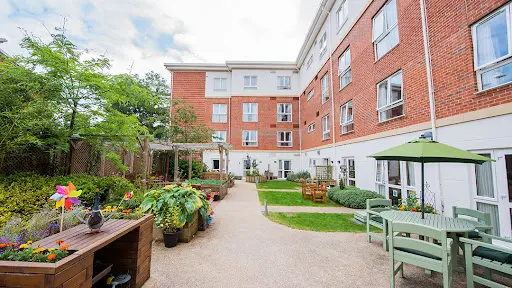
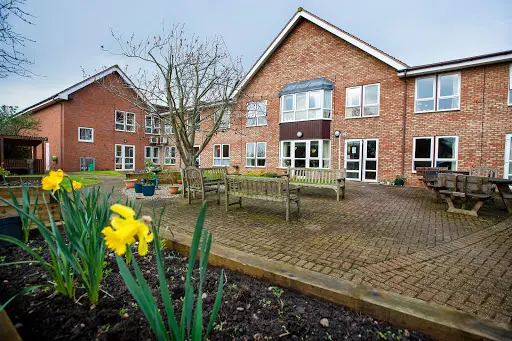
The home & environment
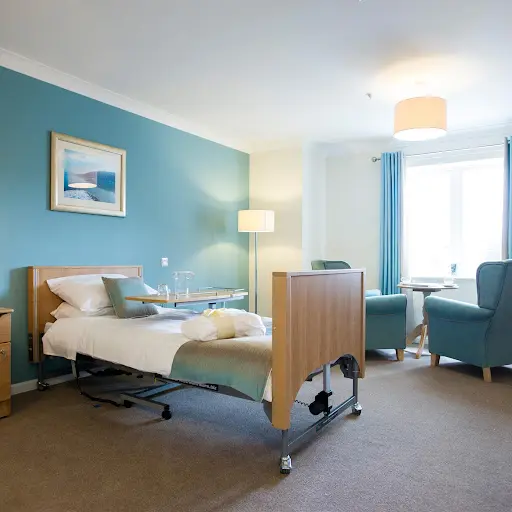
The home-cooked food gets particular mentions from families, who see it as part of what makes the place feel less institutional. Being smaller seems to help here too — meals can be more tailored to what people actually want to eat.
“The consistent thread here is that personal touch that comes from keeping things small and focused.”
DCC does not edit or curate content in this tab. For independently curated information, see The Evidence and DCC Verdict.