Belmar Nursing Home

At a Glance
The information you need to decide whether this home warrants a closer look.
Nursing homes
Staff warmth score
of reviewers answered yes
Good to know
- Registered beds44
- SpecialismsCaring for adults over 65 yrs, Caring for adults under 65 yrs, Dementia, Mental health conditions, Substance misuse problems
- Last inspected2022-08-27
Save Belmar Nursing Home to your shortlist
Keep a running list, add visit notes, and compare homes side-by-side. Free account — it takes a minute.
STAGE 4 — RESEARCHING CARE HOMES
Visit homes. Compare them side by side. Choose with confidence.
Most of us will view care homes the way we view houses, impression, atmosphere, the feeling in the corridor. We go home, try to remember what we saw, and make a permanent decision from a blurred memory.

The DCC shortlist gives every home you visit a structured record: the same twelve questions, answered the same way, every time. When you’re ready to choose, pull any two homes side by side and compare them directly. Same criteria, same evidence, your notes and your scores.
The Evidence
What the review data, the inspection reports, and the dementia-care evidence base tell us about this home.
What families say
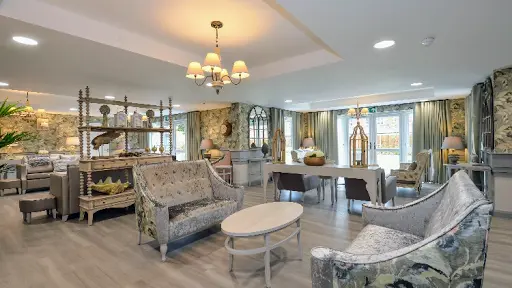
People visiting have found the home clean and welcoming, with the manager sometimes greeting visitors personally at the door. Staff are described as engaged and accommodating, working to support residents despite the challenges they face.
The eight family priority themes
- Staff warmth72
- Compassion & dignity72
- Cleanliness72
- Activities & engagement65
- Food quality65
- Healthcare70
- Management & leadership75
- Resident happiness70
What inspectors found
Inspected 2022-08-27
Is this home safe?
Is the care effective?
Inspectors rated the Effective domain as Good at the June 2022 inspection. The home is registered to provide nursing care and lists dementia and mental health conditions as specialisms, both of which require specific training and care planning competence. No specific detail on care plan quality, dementia training completion rates, GP access arrangements, or nutrition and hydration monitoring appears in the published summary. A Good Effective rating means inspectors were satisfied that the basic standards of effective care were met at the time of inspection.Is this home caring?
Inspectors rated the Caring domain as Good at the June 2022 inspection. This domain covers staff warmth, dignity, respect, independence, and emotional support. No specific observations, such as whether staff used residents' preferred names, knocked before entering rooms, or responded calmly to distress, are reproduced in the published summary. No resident or relative quotes are included in the available text. A Good Caring rating means inspectors were satisfied that the standard of compassionate care met requirements at the time of the visit.Is the home responsive?
Inspectors rated the Responsive domain as Good at the June 2022 inspection. This domain covers how well the home tailors care to individual needs, including activities, engagement, and responsiveness to complaints. The home carries a dementia specialism, making individual responsiveness particularly important. No specific activities, schedules, or examples of person-centred responses to individual needs are described in the published summary. A Good Responsive rating indicates inspectors were satisfied the home met the required standard at the time.Is the home well-led?
Inspectors rated the Well-led domain as Good at the June 2022 inspection. The home is led by a named registered manager, Mrs Katherine Marie Bent, with Mr Omar Ahmad listed as the nominated individual representing the provider. The previous Requires Improvement rating has been addressed across all domains, which suggests the leadership team was able to identify problems and act on them. No specific detail on management visibility, staff culture, governance processes, or how the home handles complaints and incidents is reproduced in the published summary.
Source: CQC inspection report →
What the evidence base says
The home specialises in supporting adults with mental health conditions, dementia, and substance misuse problems. They care for both younger adults under 65 and older residents. The home accepts residents with dementia as part of its specialist mental health nursing services. All areas worth probing directly during a visit.
The DCC Verdict
Our editorial view, built from the three lenses: what families tell us, what inspectors record, and how the home sits against good dementia-care practice.
DCC Family Score
The Belmar Nursing Home scores 74 out of 100, reflecting a genuine improvement from its previous Requires Improvement rating to a full Good across all five domains. The score is held back by limited specific detail in the published inspection text, meaning several important areas cannot be independently verified from the report alone.
Homes in North West typically score 68–82.The three-lens summary
What families tell us
People visiting have found the home clean and welcoming, with the manager sometimes greeting visitors personally at the door. Staff are described as engaged and accommodating, working to support residents despite the challenges they face.
What inspectors have recorded
Staff are reported to be doing their best to care for residents, though some accounts suggest the team is stretched. While one visitor found the manager approachable and present, experiences of management engagement appear to vary.
How it sits against good practice
If you're looking for mental health nursing care in the Lytham St Annes area, visiting The Belmar could help you understand whether it's the right environment for your loved one.
Worth a visit
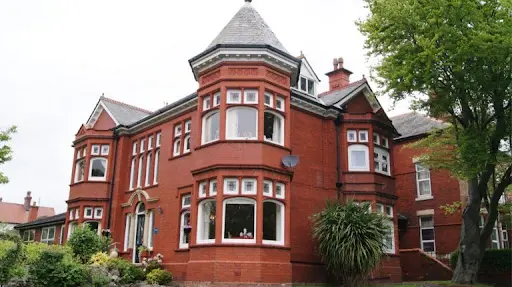
The Belmar Nursing Home, on Clifton Drive in Lytham St Annes, was rated Good across all five inspection domains at its last inspection in June 2022. This is a meaningful result because the home had previously been rated Requires Improvement, meaning inspectors were satisfied it had addressed the concerns that led to that earlier rating. The home is a 44-bed nursing home with specialisms including dementia and mental health conditions, and is led by a named registered manager. The main caveat for any family considering this home is that the published inspection text is brief and contains very little specific detail. A Good rating confirms inspectors were satisfied at the time, but it does not tell you what the home feels like day to day. The inspection took place in June 2022, which means the findings are now over two years old. On a visit, ask to see the current staffing rota (including night shifts), ask about agency use, and spend time observing how staff interact with your parent in unstructured moments such as the corridor or at mealtimes. These small observations will tell you more than the rating alone.
The three questions to ask when you visitSave this home. Compare it against your shortlist.
Let our analysis show you how Belmar Nursing Home measures up against the other homes you’re considering. Free account.
In Their Own Words
How Belmar Nursing Home describes itself — collected from its own website. DCC has not edited or independently verified the content in this tab.
Dedicated staff work hard in this mental health nursing home
The Belmar Nursing Home – Expert Care in Lytham St Annes
The Belmar Nursing Home in Lytham St Annes provides nursing care for adults with mental health conditions, dementia, and substance misuse challenges. This home welcomes people of all ages, including adults under 65, and visitors describe finding a clean, warm environment when they arrive.
Who they care for
The home specialises in supporting adults with mental health conditions, dementia, and substance misuse problems. They care for both younger adults under 65 and older residents.
The home accepts residents with dementia as part of its specialist mental health nursing services.
“If you're looking for mental health nursing care in the Lytham St Annes area, visiting The Belmar could help you understand whether it's the right environment for your loved one.”
DCC does not edit or curate content in this tab. For independently curated information, see The Evidence and DCC Verdict.
The DCC Verdict
Our editorial view, built from the three lenses: what families tell us, what inspectors record, and how the home sits against good dementia-care practice.
DCC Family Score
The Belmar Nursing Home scores 74 out of 100, reflecting a genuine improvement from its previous Requires Improvement rating to a full Good across all five domains. The score is held back by limited specific detail in the published inspection text, meaning several important areas cannot be independently verified from the report alone.
Homes in North West typically score 68–82.The three-lens summary
What families tell us
People visiting have found the home clean and welcoming, with the manager sometimes greeting visitors personally at the door. Staff are described as engaged and accommodating, working to support residents despite the challenges they face.
What inspectors have recorded
Staff are reported to be doing their best to care for residents, though some accounts suggest the team is stretched. While one visitor found the manager approachable and present, experiences of management engagement appear to vary.
How it sits against good practice
If you're looking for mental health nursing care in the Lytham St Annes area, visiting The Belmar could help you understand whether it's the right environment for your loved one.
Worth a visit
The Belmar Nursing Home, on Clifton Drive in Lytham St Annes, was rated Good across all five inspection domains at its last inspection in June 2022. This is a meaningful result because the home had previously been rated Requires Improvement, meaning inspectors were satisfied it had addressed the concerns that led to that earlier rating. The home is a 44-bed nursing home with specialisms including dementia and mental health conditions, and is led by a named registered manager. The main caveat for any family considering this home is that the published inspection text is brief and contains very little specific detail. A Good rating confirms inspectors were satisfied at the time, but it does not tell you what the home feels like day to day. The inspection took place in June 2022, which means the findings are now over two years old. On a visit, ask to see the current staffing rota (including night shifts), ask about agency use, and spend time observing how staff interact with your parent in unstructured moments such as the corridor or at mealtimes. These small observations will tell you more than the rating alone.
The three questions to ask when you visitSave this home. Compare it against your shortlist.
Let our analysis show you how Belmar Nursing Home measures up against the other homes you’re considering. Free account.
In Their Own Words
How Belmar Nursing Home describes itself — collected from its own website. DCC has not edited or independently verified the content in this tab.
Dedicated staff work hard in this mental health nursing home
The Belmar Nursing Home – Expert Care in Lytham St Annes
The Belmar Nursing Home in Lytham St Annes provides nursing care for adults with mental health conditions, dementia, and substance misuse challenges. This home welcomes people of all ages, including adults under 65, and visitors describe finding a clean, warm environment when they arrive.
Who they care for
The home specialises in supporting adults with mental health conditions, dementia, and substance misuse problems. They care for both younger adults under 65 and older residents.
The home accepts residents with dementia as part of its specialist mental health nursing services.
Management & ethos
Staff are reported to be doing their best to care for residents, though some accounts suggest the team is stretched. While one visitor found the manager approachable and present, experiences of management engagement appear to vary.
The home & environment
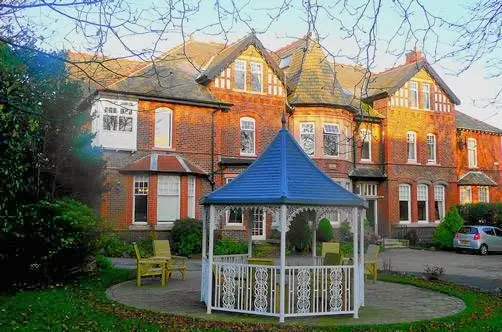
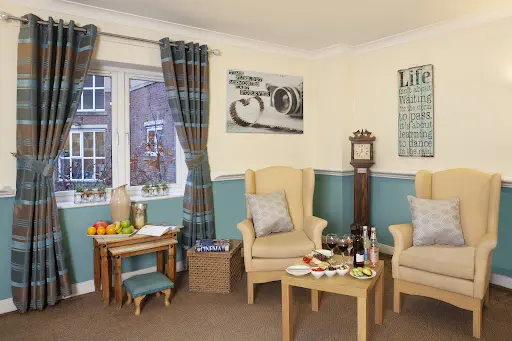
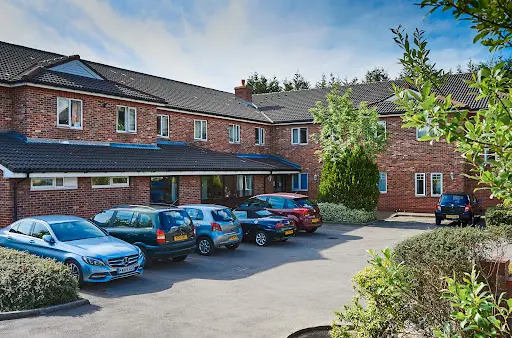
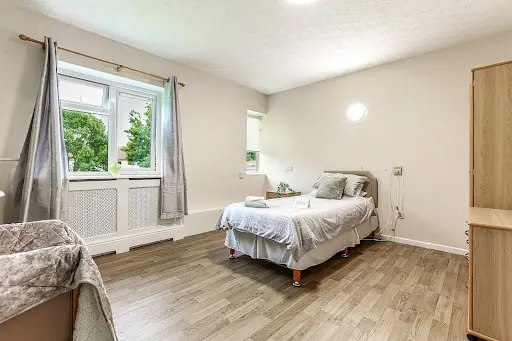
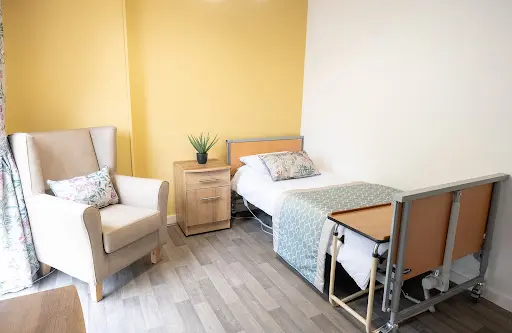
The home is described as clean and warm by visitors, with residents mentioning good meals.
“If you're looking for mental health nursing care in the Lytham St Annes area, visiting The Belmar could help you understand whether it's the right environment for your loved one.”
DCC does not edit or curate content in this tab. For independently curated information, see The Evidence and DCC Verdict.