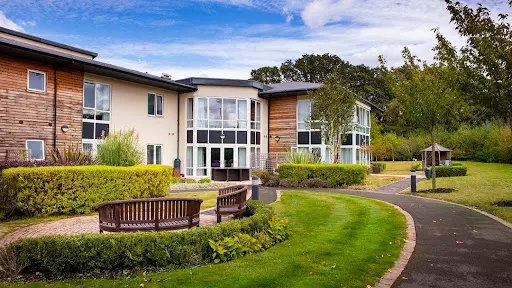
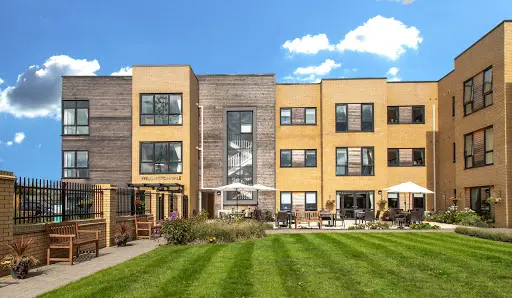
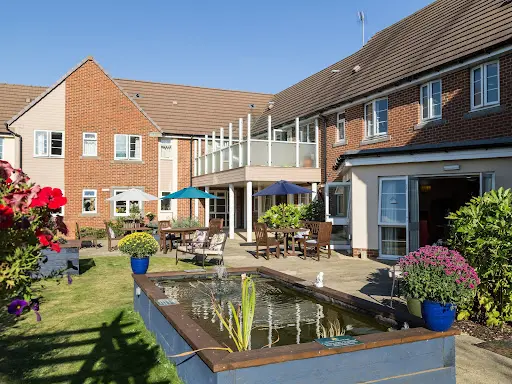
St Catherines View Dementia Home
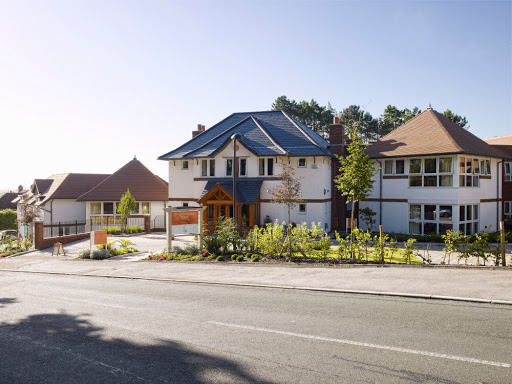
At a Glance
The information you need to decide whether this home warrants a closer look.
Nursing homes
Staff warmth score
of reviewers answered yes
Good to know
- Registered beds57
- SpecialismsCaring for adults over 65 yrs, Caring for adults under 65 yrs, Dementia
- Last inspected2023-08-11
Save St Catherines View Dementia Home to your shortlist
Keep a running list, add visit notes, and compare homes side-by-side. Free account — it takes a minute.
STAGE 4 — RESEARCHING CARE HOMES
Visit homes. Compare them side by side. Choose with confidence.
Most of us will view care homes the way we view houses, impression, atmosphere, the feeling in the corridor. We go home, try to remember what we saw, and make a permanent decision from a blurred memory.

The DCC shortlist gives every home you visit a structured record: the same twelve questions, answered the same way, every time. When you’re ready to choose, pull any two homes side by side and compare them directly. Same criteria, same evidence, your notes and your scores.
The Evidence
What the review data, the inspection reports, and the dementia-care evidence base tell us about this home.
What families say
Families describe walking into a place where their loved ones are genuinely cared for. The atmosphere feels purposeful rather than institutional, with staff who take time to understand each resident as an individual.
The eight family priority themes
- Staff warmth72
- Compassion & dignity72
- Cleanliness65
- Activities & engagement65
- Food quality60
- Healthcare70
- Management & leadership90
- Resident happiness70
What inspectors found
Inspected 2023-08-11
Is this home safe?
Is the care effective?
Effective was rated Good at the May 2023 inspection. This domain covers whether staff have the skills and training to meet people's needs, whether care plans are personalised and reviewed regularly, and whether people can access healthcare professionals when required. The home lists dementia as a specialism, so inspectors will have looked at dementia-specific training as part of this assessment. The published summary does not record specific detail about training content, care plan review frequency, or GP access arrangements.Is this home caring?
Caring was rated Good at the May 2023 inspection. This domain assesses whether staff treat people with kindness, respect their dignity and privacy, and support their independence. Inspectors will have observed staff interactions and spoken with residents and relatives as part of this assessment. The published summary does not include direct quotes or specific observed examples from the Caring domain.Is the home responsive?
Responsive was rated Good at the May 2023 inspection. This domain covers whether the home tailors its care and activities to individual needs, responds to complaints, and supports people well at the end of life. The home's dementia specialism means individual responsiveness is particularly important, as people's communication and engagement needs change significantly as dementia progresses. The published summary does not include specific detail about the activities programme, end-of-life planning, or complaint handling.Is the home well-led?
Well-led was rated Outstanding at the May 2023 inspection, the highest possible rating. This is a notable finding: Outstanding requires inspectors to find not just adequate governance but evidence of a strong, positive culture, accountable and visible leadership, staff who feel empowered to speak up, and a consistent record of learning and improvement. The registered manager is Mrs Vanda Allison Baker and the nominated individual is Mr Mark Aitchison. The home is part of the Colten Care (2009) Limited group. This is only the second inspection on record for the home, and the rating is stable.
Source: CQC inspection report →
What the evidence base says
St Catherines View specialises in dementia care alongside general residential care for adults over 65. They also provide care for younger adults who need residential support. The home has structured its physical spaces and daily routines specifically around the needs of people living with dementia. This thoughtful approach helps residents feel more comfortable and reduces the confusion that unfamiliar environments can cause. All areas worth probing directly during a visit.
The DCC Verdict
Our editorial view, built from the three lenses: what families tell us, what inspectors record, and how the home sits against good dementia-care practice.
DCC Family Score
St Catherines View scores well overall, lifted significantly by an Outstanding rating for leadership and governance. Most other areas score in the positive-but-general range because the published inspection text does not include the detailed observations, quotes, or domain-specific evidence needed to push individual themes higher with confidence.
Homes in South East typically score 68–82.The three-lens summary
What families tell us
Families describe walking into a place where their loved ones are genuinely cared for. The atmosphere feels purposeful rather than institutional, with staff who take time to understand each resident as an individual.
What inspectors have recorded
What stands out here is how attentive the care workers are. They're described as responsive to residents' needs, creating an environment where people with dementia can maintain their dignity while receiving the support they need.
How it sits against good practice
If you're considering St Catherines View, visiting will give you the clearest sense of whether their approach feels right for your family.
Worth a visit
St Catherines View, on Stanmore Lane in Winchester, was rated Good overall at its inspection in May 2023, with an Outstanding rating for how the home is led and managed. The home is run by Colten Care (2009) Limited and supports up to 57 people, including those living with dementia and those under 65 with nursing needs. The Outstanding Well-led rating is significant: it requires inspectors to find clear accountability, a strong organisational culture, and evidence that learning from incidents actually changes practice. The main limitation of this report is that the published inspection summary available is brief, meaning that specific observations about staff warmth, food quality, the physical environment, and individual resident experiences are not on the record. Ratings of Good across Safe, Effective, Caring, and Responsive are genuinely positive, but they tell you the floor, not the ceiling. When you visit, ask the manager to show you last week's actual staffing rota (counting permanent versus agency names, especially overnight), request a sit-down in the dining room at a mealtime, and watch how staff interact with residents who are distressed or disoriented. Those three things will tell you far more than any published summary.
The three questions to ask when you visitSave this home. Compare it against your shortlist.
Let our analysis show you how St Catherines View Dementia Home measures up against the other homes you’re considering. Free account.
In Their Own Words
How St Catherines View Dementia Home describes itself — collected from its own website. DCC has not edited or independently verified the content in this tab.
A thoughtful approach to dementia care in Winchester
Compassionate Care in Winchester at St Catherines View
Finding the right dementia care can feel overwhelming, but St Catherines View in Winchester offers something that matters — a team who understands that each person's journey with dementia is unique. This care home has created an environment specifically designed to support residents living with dementia, with routines and spaces that help people feel secure and valued.
Who they care for
St Catherines View specialises in dementia care alongside general residential care for adults over 65. They also provide care for younger adults who need residential support.
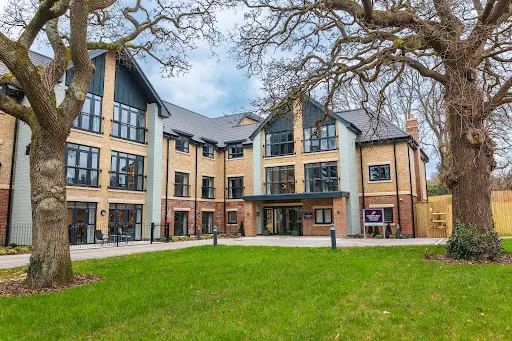
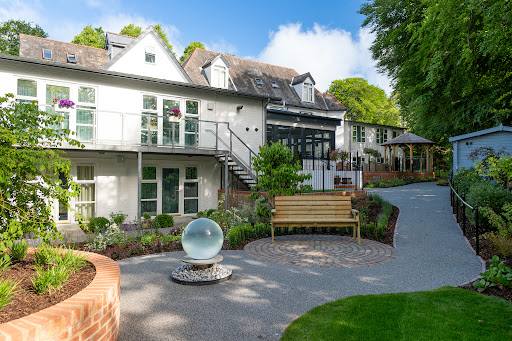
The home has structured its physical spaces and daily routines specifically around the needs of people living with dementia. This thoughtful approach helps residents feel more comfortable and reduces the confusion that unfamiliar environments can cause.
“If you're considering St Catherines View, visiting will give you the clearest sense of whether their approach feels right for your family.”
DCC does not edit or curate content in this tab. For independently curated information, see The Evidence and DCC Verdict.
The DCC Verdict
Our editorial view, built from the three lenses: what families tell us, what inspectors record, and how the home sits against good dementia-care practice.
DCC Family Score
St Catherines View scores well overall, lifted significantly by an Outstanding rating for leadership and governance. Most other areas score in the positive-but-general range because the published inspection text does not include the detailed observations, quotes, or domain-specific evidence needed to push individual themes higher with confidence.
Homes in South East typically score 68–82.The three-lens summary
What families tell us
Families describe walking into a place where their loved ones are genuinely cared for. The atmosphere feels purposeful rather than institutional, with staff who take time to understand each resident as an individual.
What inspectors have recorded
What stands out here is how attentive the care workers are. They're described as responsive to residents' needs, creating an environment where people with dementia can maintain their dignity while receiving the support they need.
How it sits against good practice
If you're considering St Catherines View, visiting will give you the clearest sense of whether their approach feels right for your family.
Worth a visit
St Catherines View, on Stanmore Lane in Winchester, was rated Good overall at its inspection in May 2023, with an Outstanding rating for how the home is led and managed. The home is run by Colten Care (2009) Limited and supports up to 57 people, including those living with dementia and those under 65 with nursing needs. The Outstanding Well-led rating is significant: it requires inspectors to find clear accountability, a strong organisational culture, and evidence that learning from incidents actually changes practice. The main limitation of this report is that the published inspection summary available is brief, meaning that specific observations about staff warmth, food quality, the physical environment, and individual resident experiences are not on the record. Ratings of Good across Safe, Effective, Caring, and Responsive are genuinely positive, but they tell you the floor, not the ceiling. When you visit, ask the manager to show you last week's actual staffing rota (counting permanent versus agency names, especially overnight), request a sit-down in the dining room at a mealtime, and watch how staff interact with residents who are distressed or disoriented. Those three things will tell you far more than any published summary.
The three questions to ask when you visitSave this home. Compare it against your shortlist.
Let our analysis show you how St Catherines View Dementia Home measures up against the other homes you’re considering. Free account.
In Their Own Words
How St Catherines View Dementia Home describes itself — collected from its own website. DCC has not edited or independently verified the content in this tab.
A thoughtful approach to dementia care in Winchester
Compassionate Care in Winchester at St Catherines View
Finding the right dementia care can feel overwhelming, but St Catherines View in Winchester offers something that matters — a team who understands that each person's journey with dementia is unique. This care home has created an environment specifically designed to support residents living with dementia, with routines and spaces that help people feel secure and valued.
Who they care for
St Catherines View specialises in dementia care alongside general residential care for adults over 65. They also provide care for younger adults who need residential support.
The home has structured its physical spaces and daily routines specifically around the needs of people living with dementia. This thoughtful approach helps residents feel more comfortable and reduces the confusion that unfamiliar environments can cause.
Management & ethos
What stands out here is how attentive the care workers are. They're described as responsive to residents' needs, creating an environment where people with dementia can maintain their dignity while receiving the support they need.
“If you're considering St Catherines View, visiting will give you the clearest sense of whether their approach feels right for your family.”
DCC does not edit or curate content in this tab. For independently curated information, see The Evidence and DCC Verdict.