Sonya Lodge Residential Care Home
At a Glance
The information you need to decide whether this home warrants a closer look.
Residential homes
Staff warmth score
of reviewers answered yes
Good to know
- Registered beds37
- SpecialismsCaring for adults over 65 yrs, Dementia
- Last inspected2020-02-12
Save Sonya Lodge Residential Care Home to your shortlist
Keep a running list, add visit notes, and compare homes side-by-side. Free account — it takes a minute.
STAGE 4 — RESEARCHING CARE HOMES
Visit homes. Compare them side by side. Choose with confidence.
Most of us will view care homes the way we view houses, impression, atmosphere, the feeling in the corridor. We go home, try to remember what we saw, and make a permanent decision from a blurred memory.

The DCC shortlist gives every home you visit a structured record: the same twelve questions, answered the same way, every time. When you’re ready to choose, pull any two homes side by side and compare them directly. Same criteria, same evidence, your notes and your scores.
The Evidence
What the review data, the inspection reports, and the dementia-care evidence base tell us about this home.
What families say
Several families describe feeling genuinely welcomed when they visit, with staff creating a warm atmosphere that helps everyone feel at ease. The team seems to focus on keeping residents engaged through activities, with families noticing how staff interact naturally with their relatives throughout the day.
The eight family priority themes
- Staff warmth72
- Compassion & dignity72
- Cleanliness70
- Activities & engagement65
- Food quality62
- Healthcare65
- Management & leadership72
- Resident happiness68
What inspectors found
Inspected 2020-02-12
Is this home safe?
Is the care effective?
The Effective domain was rated Good at the January 2020 inspection. This domain covers care planning, staff training, nutrition and hydration, and access to healthcare. The home specialises in dementia care, so inspectors would have considered whether staff training reflects that specialism. No specific details about the content of dementia training, how care plans capture individual histories, GP access arrangements, or food quality are included in the published summary.Is this home caring?
The Caring domain was rated Good at the January 2020 inspection. This is the domain that covers staff warmth, dignity, respect, and whether your parent's independence is supported. Inspectors would have observed staff interactions and spoken with residents and relatives to reach this rating. No specific quotes, named observations, or examples of how staff treated residents are included in the published report summary. The previous Requires Improvement rating across the home means that improvements were made before this Good was awarded.Is the home responsive?
The Responsive domain was rated Good at the January 2020 inspection. This domain covers whether the home meets individual needs, including activities, engagement, and end-of-life care. For a dementia specialist home, Responsive should address whether people who can no longer join group activities still receive individual engagement. No specific activities, schedules, examples of personalised engagement, or end-of-life arrangements are described in the published report summary.Is the home well-led?
The Well-led domain was rated Good at the January 2020 inspection. A named registered manager, Mr John William Albert Hudson-Beddows, was in post, and the nominated individual is Mr Martin Barrett. The home is operated by Nellsar Limited. A Good rating in Well-led requires inspectors to be satisfied that the manager is visible, that staff feel supported and able to raise concerns, and that the home monitors its own quality. No specific examples of governance processes, staff feedback mechanisms, or quality audits are described in the published summary.
Source: CQC inspection report →
What the evidence base says
The home provides residential care for people over 65, with particular experience in dementia support. Staff appear to have good understanding of dementia care, with families noting how they recognise and respond to different moods and needs throughout the day. All areas worth probing directly during a visit.
The DCC Verdict
Our editorial view, built from the three lenses: what families tell us, what inspectors record, and how the home sits against good dementia-care practice.
DCC Family Score
Sonya Lodge scores 72 out of 100, reflecting a solid Good rating across all five inspection domains and a meaningful improvement from a previous Requires Improvement rating. However, the published report contains very little specific detail, so many scores are based on the overall rating rather than direct inspector observations or resident testimony.
Homes in South East typically score 68–82.The three-lens summary
What families tell us
Several families describe feeling genuinely welcomed when they visit, with staff creating a warm atmosphere that helps everyone feel at ease. The team seems to focus on keeping residents engaged through activities, with families noticing how staff interact naturally with their relatives throughout the day.
What inspectors have recorded
Families report the care team responds quickly when they raise concerns and keeps them updated about their relatives' wellbeing between visits. However, there has been a serious incident where communication broke down badly during a resident's health crisis, highlighting the importance of asking detailed questions about their current safeguarding procedures.
How it sits against good practice
While many families speak positively about the care here, it's worth having a thorough conversation about their policies around health monitoring and family communication.
Worth a visit
Sonya Lodge Dementia Residential Care Home, on High Road in Dartford, was rated Good across all five inspection domains at its last inspection in January 2020. This is a meaningful result because the home had previously been rated Requires Improvement, meaning inspectors found real, demonstrable progress before awarding the Good rating. The home specialises in dementia care for adults over 65, has 37 beds, and is run by Nellsar Limited with a named registered manager in post. The main limitation here is that the published inspection report contains very little specific detail about what inspectors actually saw, heard, or recorded. The Good rating tells you the standard was met, but it does not tell you whether staff used your parent's preferred name, whether the dementia unit felt calm after 8pm, or whether families are routinely involved in care reviews. The inspection findings are now over five years old, and a desk-based review in July 2023 found no reason to change the rating, but that is not the same as a fresh full inspection. On your visit, ask to see the current staffing rota including nights, ask how the home involves families when your parent's condition changes, and observe how staff respond to any resident who appears unsettled.
The three questions to ask when you visitSave this home. Compare it against your shortlist.
Let our analysis show you how Sonya Lodge Residential Care Home measures up against the other homes you’re considering. Free account.
In Their Own Words
How Sonya Lodge Residential Care Home describes itself — collected from its own website. DCC has not edited or independently verified the content in this tab.
Dartford care home where staff really know each resident
Sonya Lodge Dementia Residential Care Home – Expert Care in Dartford
When you're looking for dementia care, finding staff who genuinely engage with residents matters enormously. Sonya Lodge in Dartford specialises in supporting people over 65 with dementia, and families often mention how the team takes time to understand each person's individual needs and moods.
Who they care for
The home provides residential care for people over 65, with particular experience in dementia support.
Staff appear to have good understanding of dementia care, with families noting how they recognise and respond to different moods and needs throughout the day.
“While many families speak positively about the care here, it's worth having a thorough conversation about their policies around health monitoring and family communication.”
DCC does not edit or curate content in this tab. For independently curated information, see The Evidence and DCC Verdict.
The DCC Verdict
Our editorial view, built from the three lenses: what families tell us, what inspectors record, and how the home sits against good dementia-care practice.
DCC Family Score
Sonya Lodge scores 72 out of 100, reflecting a solid Good rating across all five inspection domains and a meaningful improvement from a previous Requires Improvement rating. However, the published report contains very little specific detail, so many scores are based on the overall rating rather than direct inspector observations or resident testimony.
Homes in South East typically score 68–82.The three-lens summary
What families tell us
Several families describe feeling genuinely welcomed when they visit, with staff creating a warm atmosphere that helps everyone feel at ease. The team seems to focus on keeping residents engaged through activities, with families noticing how staff interact naturally with their relatives throughout the day.
What inspectors have recorded
Families report the care team responds quickly when they raise concerns and keeps them updated about their relatives' wellbeing between visits. However, there has been a serious incident where communication broke down badly during a resident's health crisis, highlighting the importance of asking detailed questions about their current safeguarding procedures.
How it sits against good practice
While many families speak positively about the care here, it's worth having a thorough conversation about their policies around health monitoring and family communication.
Worth a visit
Sonya Lodge Dementia Residential Care Home, on High Road in Dartford, was rated Good across all five inspection domains at its last inspection in January 2020. This is a meaningful result because the home had previously been rated Requires Improvement, meaning inspectors found real, demonstrable progress before awarding the Good rating. The home specialises in dementia care for adults over 65, has 37 beds, and is run by Nellsar Limited with a named registered manager in post. The main limitation here is that the published inspection report contains very little specific detail about what inspectors actually saw, heard, or recorded. The Good rating tells you the standard was met, but it does not tell you whether staff used your parent's preferred name, whether the dementia unit felt calm after 8pm, or whether families are routinely involved in care reviews. The inspection findings are now over five years old, and a desk-based review in July 2023 found no reason to change the rating, but that is not the same as a fresh full inspection. On your visit, ask to see the current staffing rota including nights, ask how the home involves families when your parent's condition changes, and observe how staff respond to any resident who appears unsettled.
The three questions to ask when you visitSave this home. Compare it against your shortlist.
Let our analysis show you how Sonya Lodge Residential Care Home measures up against the other homes you’re considering. Free account.
In Their Own Words
How Sonya Lodge Residential Care Home describes itself — collected from its own website. DCC has not edited or independently verified the content in this tab.
Dartford care home where staff really know each resident
Sonya Lodge Dementia Residential Care Home – Expert Care in Dartford
When you're looking for dementia care, finding staff who genuinely engage with residents matters enormously. Sonya Lodge in Dartford specialises in supporting people over 65 with dementia, and families often mention how the team takes time to understand each person's individual needs and moods.
Who they care for
The home provides residential care for people over 65, with particular experience in dementia support.
Staff appear to have good understanding of dementia care, with families noting how they recognise and respond to different moods and needs throughout the day.
Management & ethos
Families report the care team responds quickly when they raise concerns and keeps them updated about their relatives' wellbeing between visits. However, there has been a serious incident where communication broke down badly during a resident's health crisis, highlighting the importance of asking detailed questions about their current safeguarding procedures.
The home & environment
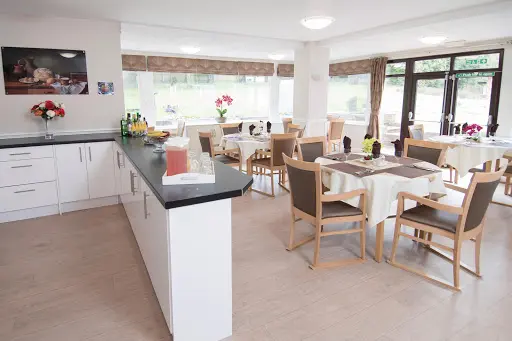
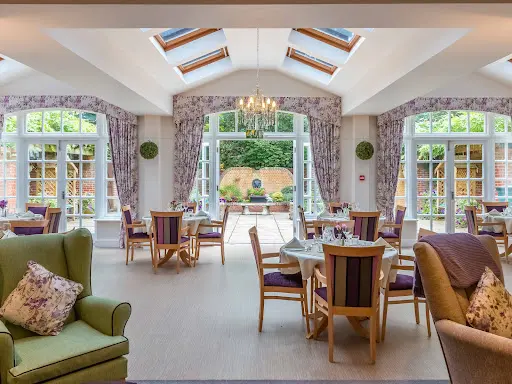
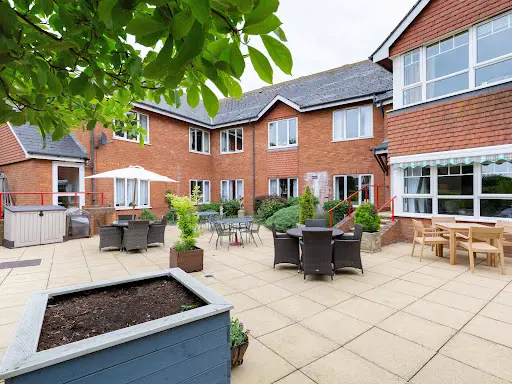
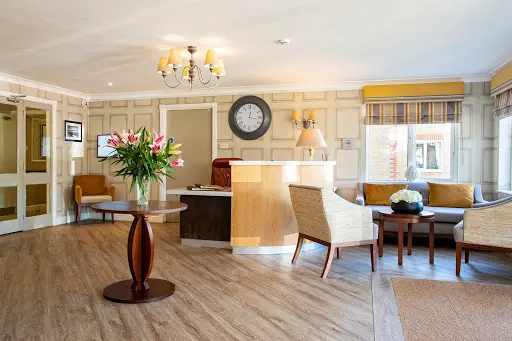
The home gets consistent praise for being clean and well-maintained, with families specifically mentioning there are no unpleasant odours — something that really matters for dignity. People also note their relatives always look well-presented, with clothes properly laundered.
“While many families speak positively about the care here, it's worth having a thorough conversation about their policies around health monitoring and family communication.”
DCC does not edit or curate content in this tab. For independently curated information, see The Evidence and DCC Verdict.