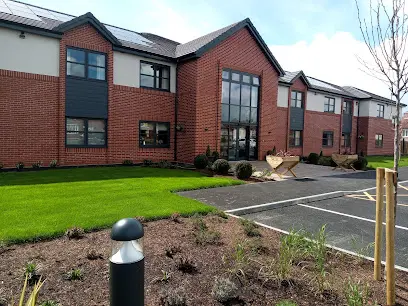
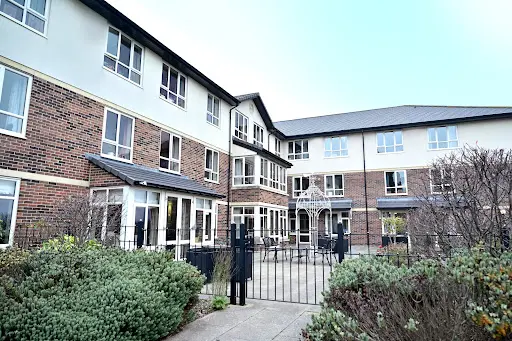
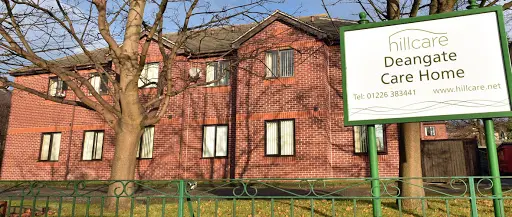
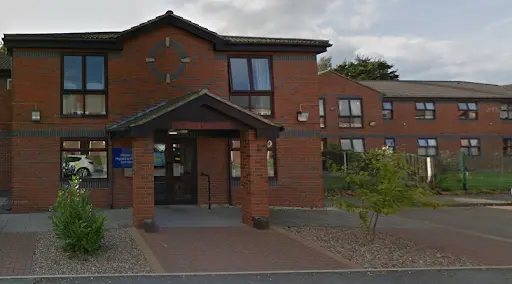
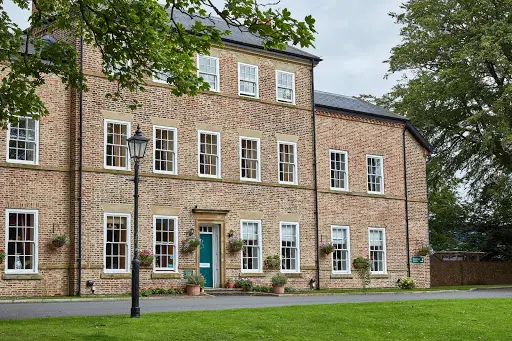
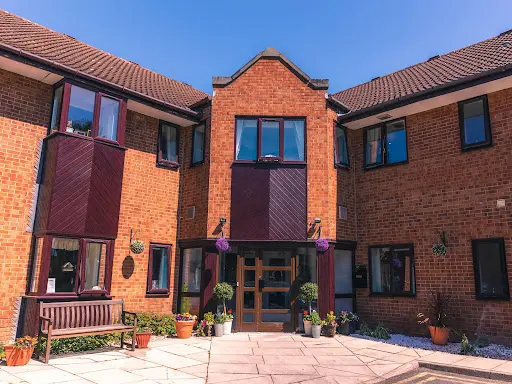
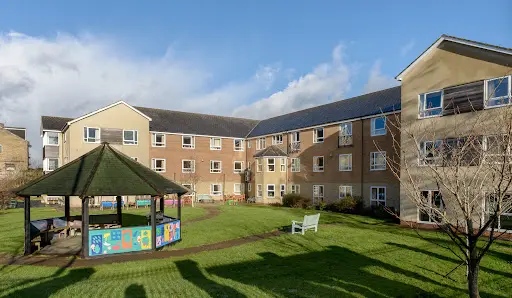
Shaftsbury House
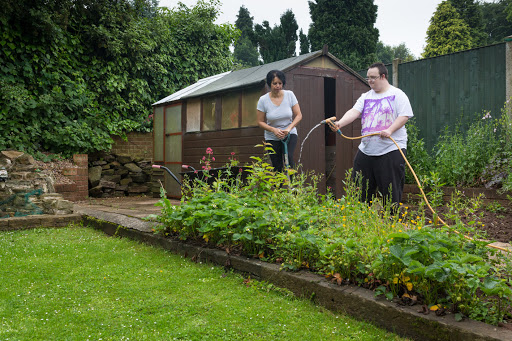
At a Glance
The information you need to decide whether this home warrants a closer look.
Residential homes
Staff warmth score
of reviewers answered yes
Good to know
- Registered beds11
- SpecialismsCaring for adults over 65 yrs, Caring for adults under 65 yrs, Dementia, Learning disabilities, Mental health conditions, Physical disabilities
- Last inspected2019-05-23
Save Shaftsbury House to your shortlist
Keep a running list, add visit notes, and compare homes side-by-side. Free account — it takes a minute.
STAGE 4 — RESEARCHING CARE HOMES
Visit homes. Compare them side by side. Choose with confidence.
Most of us will view care homes the way we view houses, impression, atmosphere, the feeling in the corridor. We go home, try to remember what we saw, and make a permanent decision from a blurred memory.

The DCC shortlist gives every home you visit a structured record: the same twelve questions, answered the same way, every time. When you’re ready to choose, pull any two homes side by side and compare them directly. Same criteria, same evidence, your notes and your scores.
The Evidence
What the review data, the inspection reports, and the dementia-care evidence base tell us about this home.
What families say
What stands out here is how the team approaches individual care. Families have noticed the personal attention residents receive, with staff taking time to understand each person's specific needs and preferences.
The eight family priority themes
- Staff warmth72
- Compassion & dignity74
- Cleanliness68
- Activities & engagement82
- Food quality60
- Healthcare68
- Management & leadership70
- Resident happiness70
What inspectors found
Inspected 2019-05-23
Is this home safe?
Is the care effective?
The home received a Good rating for Effective at its October 2020 inspection. This domain covers training, care planning, healthcare access, and how well the home meets residents' needs in practice. Shaftsbury House lists dementia, learning disabilities, mental health conditions, and physical disabilities as specialisms, which requires inspectors to assess whether staff have the relevant training and whether care plans reflect the complexity of individual needs. The published summary does not include specific detail on dementia training content, GP access arrangements, or how care plans are reviewed. The July 2023 monitoring review did not raise concerns in this area.Is this home caring?
Shaftsbury House was rated Good for Caring at its October 2020 inspection. This domain covers staff warmth, dignity, respect, and whether residents are treated as individuals. A Good rating indicates inspectors were satisfied with the interactions they observed and the accounts they received from residents and relatives. The published summary does not include specific quotes from residents or relatives, nor does it describe particular moments of kind or attentive care. The July 2023 review found no new concerns in this area.Is the home responsive?
Shaftsbury House was rated Outstanding for Responsive at its October 2020 inspection. This is the highest rating available and indicates inspectors found the home went significantly beyond the expected standard in tailoring care and activities to individuals. The Responsive domain covers activities, individual engagement, how the home meets the needs of people with specialist conditions, and end-of-life care planning. The published summary is brief and does not set out the specific evidence that led to the Outstanding rating. The July 2023 monitoring review found no reason to change this rating.Is the home well-led?
Shaftsbury House received a Good rating for Well-led at its October 2020 inspection. The home is run by Sun Healthcare Limited and has a named registered manager, Mrs Emma Louise Birch, supported by a nominated individual, Mr Alan Tolan. A Good Well-led rating indicates inspectors were satisfied that governance, oversight, and the culture of the home were sound. The published summary does not include detail on how long the current manager has been in post, how staff are supported, or how the home handles complaints and feedback. The July 2023 monitoring review did not raise concerns about leadership.
Source: CQC inspection report →
What the evidence base says
Shaftsbury House supports adults of all ages with various needs including learning disabilities, mental health conditions, physical disabilities and dementia. This breadth of expertise means they're equipped to handle complex or changing care requirements. For those living with dementia, the home's emphasis on individualised attention could be particularly valuable. Having staff who can dedicate proper time to each resident helps maintain dignity and connection. All areas worth probing directly during a visit.
The DCC Verdict
Our editorial view, built from the three lenses: what families tell us, what inspectors record, and how the home sits against good dementia-care practice.
DCC Family Score
Shaftsbury House scored well overall, with a standout Outstanding rating for how it responds to the people who live there, particularly around activities and individual engagement. Scores in areas like food and cleanliness are lower because the inspection report contains little specific detail on those topics.
Homes in Yorkshire & Humberside typically score 68–82.The three-lens summary
What families tell us
What stands out here is how the team approaches individual care. Families have noticed the personal attention residents receive, with staff taking time to understand each person's specific needs and preferences.
What inspectors have recorded
The home appears to invest significantly in staffing levels. This means residents benefit from more one-to-one time and staff who aren't constantly rushing between tasks.
How it sits against good practice
While the care here may represent a significant investment, early indications suggest the home prioritises what many families value most — genuine personal attention.
Worth a visit
Shaftsbury House, a small 11-bed home in Barnsley run by Sun Healthcare Limited, was rated Good overall at its last inspection in October 2020, with an Outstanding rating for how it responds to the people who live there. That Outstanding Responsive rating is significant: inspectors award it only when a home goes meaningfully beyond the expected standard in tailoring care and activities to individuals. The four remaining domains, Safe, Effective, Caring, and Well-led, were all rated Good, and a monitoring review in July 2023 found no reason to change those ratings. The main limitation of this report is that the published inspection text is very brief, which means many areas that matter to families, including food quality, cleanliness, night staffing, and how the home communicates with relatives, are simply not documented in detail. The Outstanding Responsive rating is a genuine positive signal, but you should visit in person, ideally at a mealtime or during an activity session, to observe the warmth of staff interactions and the atmosphere. Ask the manager specifically about night staffing ratios, agency staff use, and how families are kept informed when something changes.
The three questions to ask when you visitSave this home. Compare it against your shortlist.
Let our analysis show you how Shaftsbury House measures up against the other homes you’re considering. Free account.
In Their Own Words
How Shaftsbury House describes itself — collected from its own website. DCC has not edited or independently verified the content in this tab.
Where personalised care meets real investment in people
Dedicated residential home Support in Barnsley
Finding the right support for complex care needs can feel overwhelming. Shaftsbury House in Barnsley offers specialist care across a wide range of conditions, from learning disabilities to dementia. The home focuses on putting resources where they matter most — into the people who provide daily care.
Who they care for
Shaftsbury House supports adults of all ages with various needs including learning disabilities, mental health conditions, physical disabilities and dementia. This breadth of expertise means they're equipped to handle complex or changing care requirements.
For those living with dementia, the home's emphasis on individualised attention could be particularly valuable. Having staff who can dedicate proper time to each resident helps maintain dignity and connection.
“While the care here may represent a significant investment, early indications suggest the home prioritises what many families value most — genuine personal attention.”
DCC does not edit or curate content in this tab. For independently curated information, see The Evidence and DCC Verdict.
The DCC Verdict
Our editorial view, built from the three lenses: what families tell us, what inspectors record, and how the home sits against good dementia-care practice.
DCC Family Score
Shaftsbury House scored well overall, with a standout Outstanding rating for how it responds to the people who live there, particularly around activities and individual engagement. Scores in areas like food and cleanliness are lower because the inspection report contains little specific detail on those topics.
Homes in Yorkshire & Humberside typically score 68–82.The three-lens summary
What families tell us
What stands out here is how the team approaches individual care. Families have noticed the personal attention residents receive, with staff taking time to understand each person's specific needs and preferences.
What inspectors have recorded
The home appears to invest significantly in staffing levels. This means residents benefit from more one-to-one time and staff who aren't constantly rushing between tasks.
How it sits against good practice
While the care here may represent a significant investment, early indications suggest the home prioritises what many families value most — genuine personal attention.
Worth a visit
Shaftsbury House, a small 11-bed home in Barnsley run by Sun Healthcare Limited, was rated Good overall at its last inspection in October 2020, with an Outstanding rating for how it responds to the people who live there. That Outstanding Responsive rating is significant: inspectors award it only when a home goes meaningfully beyond the expected standard in tailoring care and activities to individuals. The four remaining domains, Safe, Effective, Caring, and Well-led, were all rated Good, and a monitoring review in July 2023 found no reason to change those ratings. The main limitation of this report is that the published inspection text is very brief, which means many areas that matter to families, including food quality, cleanliness, night staffing, and how the home communicates with relatives, are simply not documented in detail. The Outstanding Responsive rating is a genuine positive signal, but you should visit in person, ideally at a mealtime or during an activity session, to observe the warmth of staff interactions and the atmosphere. Ask the manager specifically about night staffing ratios, agency staff use, and how families are kept informed when something changes.
The three questions to ask when you visitSave this home. Compare it against your shortlist.
Let our analysis show you how Shaftsbury House measures up against the other homes you’re considering. Free account.
In Their Own Words
How Shaftsbury House describes itself — collected from its own website. DCC has not edited or independently verified the content in this tab.
Where personalised care meets real investment in people
Dedicated residential home Support in Barnsley
Finding the right support for complex care needs can feel overwhelming. Shaftsbury House in Barnsley offers specialist care across a wide range of conditions, from learning disabilities to dementia. The home focuses on putting resources where they matter most — into the people who provide daily care.
Who they care for
Shaftsbury House supports adults of all ages with various needs including learning disabilities, mental health conditions, physical disabilities and dementia. This breadth of expertise means they're equipped to handle complex or changing care requirements.
For those living with dementia, the home's emphasis on individualised attention could be particularly valuable. Having staff who can dedicate proper time to each resident helps maintain dignity and connection.
Management & ethos
The home appears to invest significantly in staffing levels. This means residents benefit from more one-to-one time and staff who aren't constantly rushing between tasks.
“While the care here may represent a significant investment, early indications suggest the home prioritises what many families value most — genuine personal attention.”
DCC does not edit or curate content in this tab. For independently curated information, see The Evidence and DCC Verdict.