Livability Brookside House
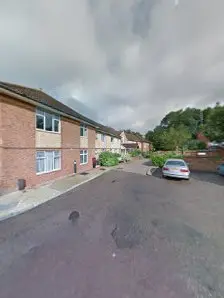
At a Glance
The information you need to decide whether this home warrants a closer look.
Residential homes, Homecare agencies
Staff warmth score
of reviewers answered yes
Good to know
- Registered beds24
- SpecialismsCaring for adults over 65 yrs, Caring for adults under 65 yrs, Dementia, Learning disabilities, Mental health conditions, Physical disabilities, Sensory impairment
- Last inspected2019-08-30
Save Livability Brookside House to your shortlist
Keep a running list, add visit notes, and compare homes side-by-side. Free account — it takes a minute.
STAGE 4 — RESEARCHING CARE HOMES
Visit homes. Compare them side by side. Choose with confidence.
Most of us will view care homes the way we view houses, impression, atmosphere, the feeling in the corridor. We go home, try to remember what we saw, and make a permanent decision from a blurred memory.

The DCC shortlist gives every home you visit a structured record: the same twelve questions, answered the same way, every time. When you’re ready to choose, pull any two homes side by side and compare them directly. Same criteria, same evidence, your notes and your scores.
The Evidence
What the review data, the inspection reports, and the dementia-care evidence base tell us about this home.
What families say
The eight family priority themes
- Staff warmth88
- Compassion & dignity90
- Cleanliness72
- Activities & engagement85
- Food quality60
- Healthcare72
- Management & leadership88
- Resident happiness80
What inspectors found
Inspected 2019-08-30
Is this home safe?
Is the care effective?
Effective was rated Good at the July 2019 inspection. This domain covers training, care planning, healthcare access, nutrition, and how well staff understand the needs of the people they support. The home specialises in dementia, learning disabilities, mental health, and physical and sensory needs, which means staff training should reflect a broad and complex range of conditions. The published report does not include specific detail about care plan content, GP access frequency, or dementia training programmes.Is this home caring?
Caring was rated Outstanding at the July 2019 inspection. This is the highest rating available and is awarded only when inspectors find specific, sustained evidence of staff treating people with genuine warmth, dignity, and respect. An Outstanding Caring rating in a home supporting people with dementia and complex needs is particularly significant, as it requires evidence that staff know individuals well and adapt their approach accordingly. The published summary does not include verbatim resident or relative quotes, but the Outstanding rating itself reflects a high volume of positive evidence gathered during the inspection.Is the home responsive?
Responsive was rated Outstanding at the July 2019 inspection. This domain covers how well the home tailors its care and activities to individual needs, how complaints are handled, and whether end-of-life care is well planned. An Outstanding Responsive rating in a home serving people with dementia, learning disabilities, and mental health conditions requires evidence that activities and daily life are genuinely shaped around each person rather than a fixed group programme. The published summary does not include specific activity examples, but the Outstanding rating signals that inspectors found clear evidence of individualised responsiveness.Is the home well-led?
Well-led was rated Outstanding at the July 2019 inspection. This domain assesses the quality of management, organisational culture, governance systems, and whether the home learns from incidents and feedback. An Outstanding Well-led rating requires inspectors to find specific evidence of a leader who is known to staff and residents, systems that drive continuous improvement, and a culture where staff feel able to speak up. The nominated individual recorded in the report is Ms Jane Percy. The home is run by the organisation Livability.
Source: CQC inspection report →
What the evidence base says
The team supports residents with physical disabilities, providing the practical help needed for daily living. They care for adults across different age groups, from those under 65 facing early-onset conditions to older residents with age-related needs. For residents living with dementia, the home provides specialist support designed to maintain dignity and quality of life. The team understands the unique challenges dementia brings and works to create a safe, supportive environment. All areas worth probing directly during a visit.
The DCC Verdict
Our editorial view, built from the three lenses: what families tell us, what inspectors record, and how the home sits against good dementia-care practice.
DCC Family Score
Shaftesbury Brookside House earned an Outstanding overall rating, with inspectors singling out caring, responsiveness, and leadership as exceptional. The score is held back slightly because the published report provides limited specific detail on food, cleanliness, and night staffing, so some areas cannot be fully verified from the inspection text alone.
Homes in London typically score 68–82.Worth a visit
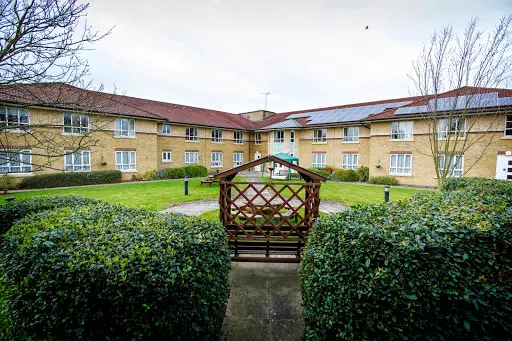
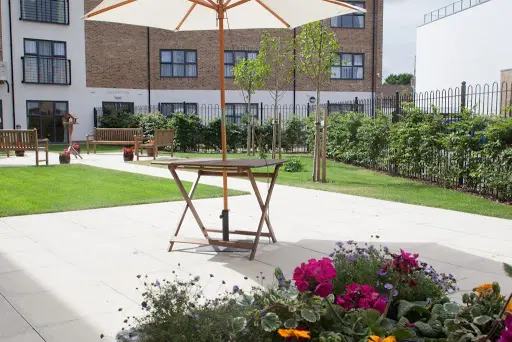
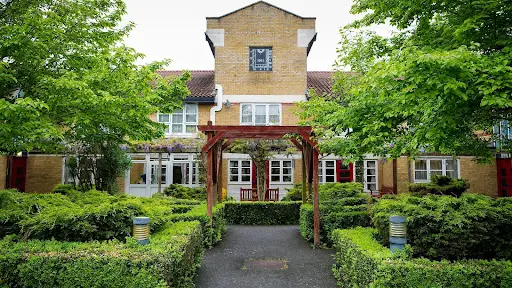
Shaftesbury Brookside House, on Ash Close in London HA8 8YD, was rated Outstanding at its inspection in July 2019, an improvement from its previous Good rating. Inspectors rated Caring, Responsive, and Well-led as Outstanding, with Safe and Effective both rated Good. This is a 24-bed home run by Livability, supporting people with dementia, learning disabilities, mental health conditions, physical disabilities, and sensory impairments, as well as older and younger adults. An Outstanding overall rating places this home among the top tier of care homes nationally. The main caution for families is that the inspection took place in July 2019, which means the published findings are now over five years old. A review in July 2023 found no evidence requiring reassessment, but that review was based on data analysis rather than a physical inspection visit. The home's strengths in kindness, individual care, and leadership were clearly evidenced at the time of inspection, but staffing composition, food quality, night cover, and environmental detail are not recorded in the published summary. On a visit, ask to see last week's actual staffing rota, check whether one-to-one activity is available for residents who cannot join groups, and ask how the team communicates with families when something changes.
The three questions to ask when you visitSave this home. Compare it against your shortlist.
Let our analysis show you how Livability Brookside House measures up against the other homes you’re considering. Free account.
In Their Own Words
How Livability Brookside House describes itself — collected from its own website. DCC has not edited or independently verified the content in this tab.
Specialist care for adults with complex needs in London
Dedicated residential home,homecare agency Support in London
Shaftesbury Brookside House in London provides residential care for adults of all ages who need support with physical disabilities or dementia. The home welcomes both younger adults under 65 and older residents, offering specialised care tailored to different life stages and needs.
Who they care for
The team supports residents with physical disabilities, providing the practical help needed for daily living. They care for adults across different age groups, from those under 65 facing early-onset conditions to older residents with age-related needs.
For residents living with dementia, the home provides specialist support designed to maintain dignity and quality of life. The team understands the unique challenges dementia brings and works to create a safe, supportive environment.
“To learn more about their approach to care, consider arranging a visit to see the home for yourself.”
DCC does not edit or curate content in this tab. For independently curated information, see The Evidence and DCC Verdict.
The DCC Verdict
Our editorial view, built from the three lenses: what families tell us, what inspectors record, and how the home sits against good dementia-care practice.
DCC Family Score
Shaftesbury Brookside House earned an Outstanding overall rating, with inspectors singling out caring, responsiveness, and leadership as exceptional. The score is held back slightly because the published report provides limited specific detail on food, cleanliness, and night staffing, so some areas cannot be fully verified from the inspection text alone.
Homes in London typically score 68–82.Worth a visit
Shaftesbury Brookside House, on Ash Close in London HA8 8YD, was rated Outstanding at its inspection in July 2019, an improvement from its previous Good rating. Inspectors rated Caring, Responsive, and Well-led as Outstanding, with Safe and Effective both rated Good. This is a 24-bed home run by Livability, supporting people with dementia, learning disabilities, mental health conditions, physical disabilities, and sensory impairments, as well as older and younger adults. An Outstanding overall rating places this home among the top tier of care homes nationally. The main caution for families is that the inspection took place in July 2019, which means the published findings are now over five years old. A review in July 2023 found no evidence requiring reassessment, but that review was based on data analysis rather than a physical inspection visit. The home's strengths in kindness, individual care, and leadership were clearly evidenced at the time of inspection, but staffing composition, food quality, night cover, and environmental detail are not recorded in the published summary. On a visit, ask to see last week's actual staffing rota, check whether one-to-one activity is available for residents who cannot join groups, and ask how the team communicates with families when something changes.
The three questions to ask when you visitSave this home. Compare it against your shortlist.
Let our analysis show you how Livability Brookside House measures up against the other homes you’re considering. Free account.
In Their Own Words
How Livability Brookside House describes itself — collected from its own website. DCC has not edited or independently verified the content in this tab.
Specialist care for adults with complex needs in London
Dedicated residential home,homecare agency Support in London
Shaftesbury Brookside House in London provides residential care for adults of all ages who need support with physical disabilities or dementia. The home welcomes both younger adults under 65 and older residents, offering specialised care tailored to different life stages and needs.
Who they care for
The team supports residents with physical disabilities, providing the practical help needed for daily living. They care for adults across different age groups, from those under 65 facing early-onset conditions to older residents with age-related needs.
For residents living with dementia, the home provides specialist support designed to maintain dignity and quality of life. The team understands the unique challenges dementia brings and works to create a safe, supportive environment.
“To learn more about their approach to care, consider arranging a visit to see the home for yourself.”
DCC does not edit or curate content in this tab. For independently curated information, see The Evidence and DCC Verdict.