Scorton Care Village – DMP Healthcare
At a Glance
The information you need to decide whether this home warrants a closer look.
Nursing homes
Staff warmth score
of reviewers answered yes
Good to know
- Registered beds114
- SpecialismsCaring for adults over 65 yrs, Caring for adults under 65 yrs, Dementia, Mental health conditions, Physical disabilities, Sensory impairment
- Last inspected2019-11-08
Save Scorton Care Village – DMP Healthcare to your shortlist
Keep a running list, add visit notes, and compare homes side-by-side. Free account — it takes a minute.
STAGE 4 — RESEARCHING CARE HOMES
Visit homes. Compare them side by side. Choose with confidence.
Most of us will view care homes the way we view houses, impression, atmosphere, the feeling in the corridor. We go home, try to remember what we saw, and make a permanent decision from a blurred memory.

The DCC shortlist gives every home you visit a structured record: the same twelve questions, answered the same way, every time. When you’re ready to choose, pull any two homes side by side and compare them directly. Same criteria, same evidence, your notes and your scores.
The Evidence
What the review data, the inspection reports, and the dementia-care evidence base tell us about this home.
What families say
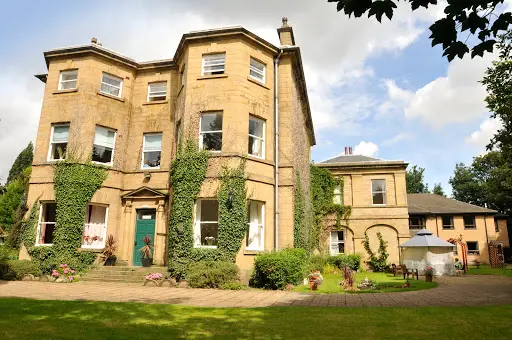
Families talk about the difference that familiar faces make — staff who recognise when someone's having a difficult day and know exactly how to help. The atmosphere feels gentle and patient, with relatives encouraged to visit often and see for themselves how their loved ones are cared for. People appreciate the well-kept gardens and the regular activities that bring moments of connection.
The eight family priority themes
- Staff warmth55
- Compassion & dignity62
- Cleanliness50
- Activities & engagement50
- Food quality50
- Healthcare52
- Management & leadership65
- Resident happiness55
What inspectors found
Inspected 2019-11-08
Is this home safe?
Is the care effective?
The Effective domain was rated Good at the October 2020 inspection. This domain covers training, care planning, healthcare access, and how well the home meets the clinical and personal needs of residents. The home lists dementia, mental health conditions, physical disabilities, and sensory impairment as specialisms, which requires a broad range of staff competencies. The published summary does not provide specific examples of how effectiveness was demonstrated.Is this home caring?
The Caring domain was rated Good at the October 2020 inspection. This domain covers how staff treat residents, whether dignity and privacy are respected, and whether people are supported to remain as independent as possible. The published report does not include direct observations of staff interactions or quotes from residents and relatives. The Good rating indicates inspectors were satisfied with what they saw, but the level of detail available to families is very limited.Is the home responsive?
The Responsive domain was rated Good at the October 2020 inspection. This domain covers whether the home tailors care to individual needs, provides meaningful activities, and responds to complaints. The home supports a wide range of needs including dementia, mental health conditions, physical disabilities, and sensory impairment across 114 beds. No specific activity programmes, complaint responses, or examples of individual tailoring are described in the published summary.Is the home well-led?
The Well-Led domain was rated Good at the October 2020 inspection. The home has a named registered manager and a nominated individual recorded with the regulator. The organisation running the home is Scorton Care Limited. The overall improvement from Requires Improvement to Good reflects a positive leadership trajectory. No specific detail about management culture, staff empowerment, governance systems, or how the home handles concerns is provided in the published summary.
Source: CQC inspection report →
What the evidence base says
The village cares for people with dementia, mental health conditions, physical disabilities and sensory impairments. They support both younger adults under 65 and older residents, managing complex health needs including diabetes alongside cognitive decline. The team's experience with dementia shows in how they adapt as residents' needs change. Long-standing staff understand the importance of continuity when communication becomes challenging, helping residents feel secure even as the condition progresses. All areas worth probing directly during a visit.
The DCC Verdict
Our editorial view, built from the three lenses: what families tell us, what inspectors record, and how the home sits against good dementia-care practice.
DCC Family Score
Scorton Care Village scores 68 out of 100, reflecting a home that has improved from Requires Improvement to Good overall, but where the Safety domain still carries a formal Requires Improvement rating and the inspection report contains very limited specific detail to give families confidence across most areas.
Homes in Yorkshire & Humberside typically score 68–82.The three-lens summary
What families tell us
Families talk about the difference that familiar faces make — staff who recognise when someone's having a difficult day and know exactly how to help. The atmosphere feels gentle and patient, with relatives encouraged to visit often and see for themselves how their loved ones are cared for. People appreciate the well-kept gardens and the regular activities that bring moments of connection.
What inspectors have recorded
The current senior team has worked hard to raise standards, and families notice the difference. Staff communicate well with relatives about day-to-day life and any changes in health. While some families have raised concerns about care standards in the past, the management team has shown commitment to addressing issues and improving the service.
How it sits against good practice
If you're considering Scorton Care Village, visiting will give you the clearest picture of whether it feels right for your family.
Worth a visit
Scorton Care Village, in Scorton near Richmond, was rated Good overall at its last inspection in October 2020, having improved from a previous rating of Requires Improvement. The Effective, Caring, Responsive, and Well-Led domains all achieved Good ratings. That improvement is meaningful and suggests the management team has made real progress since the earlier inspection. The important caveat is that the Safe domain was still rated Requires Improvement at the time of inspection, and the published report contains very limited specific detail about what inspectors actually saw, heard, or recorded. A review in July 2023 found no evidence requiring a reassessment, but the last full inspection is now several years old. Before making a decision, visit the home and ask directly: how many registered nurses and carers are on duty overnight across all 114 beds, and what specific concerns led to the Requires Improvement rating for Safety in 2020 and what has changed since then.
The three questions to ask when you visitSave this home. Compare it against your shortlist.
Let our analysis show you how Scorton Care Village – DMP Healthcare measures up against the other homes you’re considering. Free account.
In Their Own Words
How Scorton Care Village – DMP Healthcare describes itself — collected from its own website. DCC has not edited or independently verified the content in this tab.
Where experienced staff help families navigate dementia's difficult journey
Compassionate Care in Richmond at Scorton Care Village
When dementia changes everything, families need somewhere that truly understands the complexity of care. Scorton Care Village in Richmond has built its reputation on staff who stay for years, learning each resident's unique needs as communication becomes harder. The village has transformed significantly under new leadership, creating a place where families feel welcomed and involved.
Who they care for
The village cares for people with dementia, mental health conditions, physical disabilities and sensory impairments. They support both younger adults under 65 and older residents, managing complex health needs including diabetes alongside cognitive decline.
The team's experience with dementia shows in how they adapt as residents' needs change. Long-standing staff understand the importance of continuity when communication becomes challenging, helping residents feel secure even as the condition progresses.
“If you're considering Scorton Care Village, visiting will give you the clearest picture of whether it feels right for your family.”
DCC does not edit or curate content in this tab. For independently curated information, see The Evidence and DCC Verdict.
The DCC Verdict
Our editorial view, built from the three lenses: what families tell us, what inspectors record, and how the home sits against good dementia-care practice.
DCC Family Score
Scorton Care Village scores 68 out of 100, reflecting a home that has improved from Requires Improvement to Good overall, but where the Safety domain still carries a formal Requires Improvement rating and the inspection report contains very limited specific detail to give families confidence across most areas.
Homes in Yorkshire & Humberside typically score 68–82.The three-lens summary
What families tell us
Families talk about the difference that familiar faces make — staff who recognise when someone's having a difficult day and know exactly how to help. The atmosphere feels gentle and patient, with relatives encouraged to visit often and see for themselves how their loved ones are cared for. People appreciate the well-kept gardens and the regular activities that bring moments of connection.
What inspectors have recorded
The current senior team has worked hard to raise standards, and families notice the difference. Staff communicate well with relatives about day-to-day life and any changes in health. While some families have raised concerns about care standards in the past, the management team has shown commitment to addressing issues and improving the service.
How it sits against good practice
If you're considering Scorton Care Village, visiting will give you the clearest picture of whether it feels right for your family.
Worth a visit
Scorton Care Village, in Scorton near Richmond, was rated Good overall at its last inspection in October 2020, having improved from a previous rating of Requires Improvement. The Effective, Caring, Responsive, and Well-Led domains all achieved Good ratings. That improvement is meaningful and suggests the management team has made real progress since the earlier inspection. The important caveat is that the Safe domain was still rated Requires Improvement at the time of inspection, and the published report contains very limited specific detail about what inspectors actually saw, heard, or recorded. A review in July 2023 found no evidence requiring a reassessment, but the last full inspection is now several years old. Before making a decision, visit the home and ask directly: how many registered nurses and carers are on duty overnight across all 114 beds, and what specific concerns led to the Requires Improvement rating for Safety in 2020 and what has changed since then.
The three questions to ask when you visitSave this home. Compare it against your shortlist.
Let our analysis show you how Scorton Care Village – DMP Healthcare measures up against the other homes you’re considering. Free account.
In Their Own Words
How Scorton Care Village – DMP Healthcare describes itself — collected from its own website. DCC has not edited or independently verified the content in this tab.
Where experienced staff help families navigate dementia's difficult journey
Compassionate Care in Richmond at Scorton Care Village
When dementia changes everything, families need somewhere that truly understands the complexity of care. Scorton Care Village in Richmond has built its reputation on staff who stay for years, learning each resident's unique needs as communication becomes harder. The village has transformed significantly under new leadership, creating a place where families feel welcomed and involved.
Who they care for
The village cares for people with dementia, mental health conditions, physical disabilities and sensory impairments. They support both younger adults under 65 and older residents, managing complex health needs including diabetes alongside cognitive decline.
The team's experience with dementia shows in how they adapt as residents' needs change. Long-standing staff understand the importance of continuity when communication becomes challenging, helping residents feel secure even as the condition progresses.
Management & ethos
The current senior team has worked hard to raise standards, and families notice the difference. Staff communicate well with relatives about day-to-day life and any changes in health. While some families have raised concerns about care standards in the past, the management team has shown commitment to addressing issues and improving the service.
The home & environment
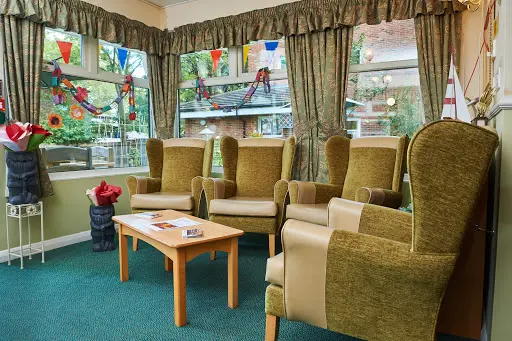
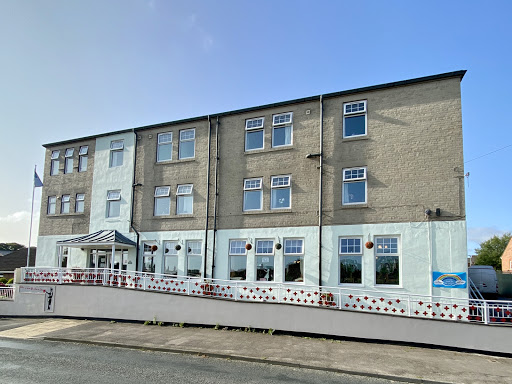
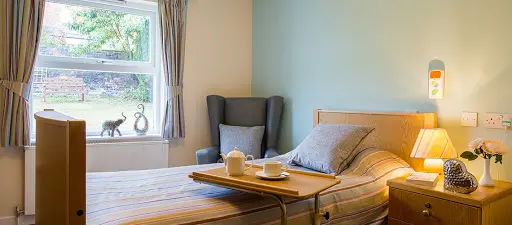
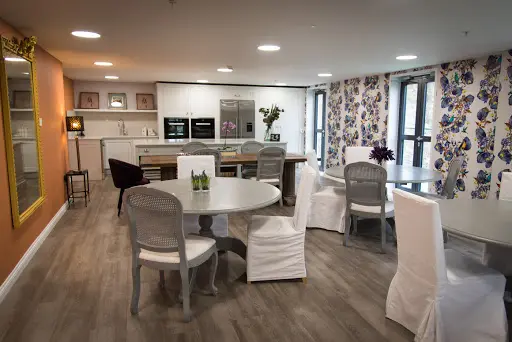
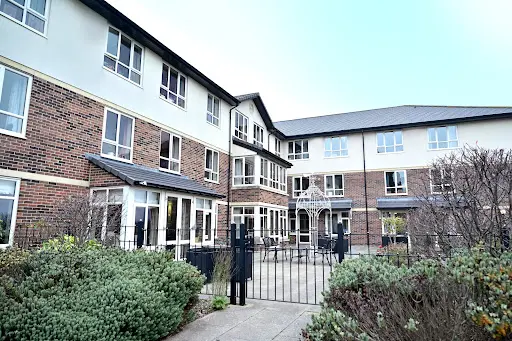
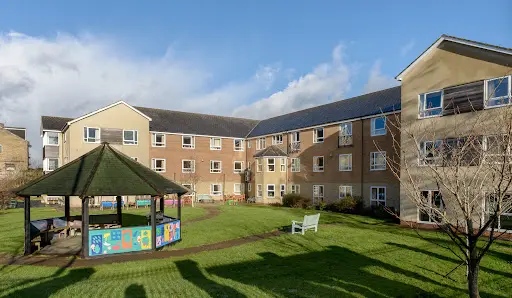
The home serves good food and maintains clean, bright spaces throughout. There's a pleasant outdoor area where residents can enjoy fresh air, and the team arranges regular activities to keep days interesting. Personal grooming services help residents feel their best.
“If you're considering Scorton Care Village, visiting will give you the clearest picture of whether it feels right for your family.”
DCC does not edit or curate content in this tab. For independently curated information, see The Evidence and DCC Verdict.