Sandrock House
At a Glance
The information you need to decide whether this home warrants a closer look.
Residential homes
Staff warmth score
of reviewers answered yes
Good to know
- Registered beds37
- SpecialismsCaring for adults over 65 yrs, Dementia
- Last inspected2017-12-06
Save Sandrock House to your shortlist
Keep a running list, add visit notes, and compare homes side-by-side. Free account — it takes a minute.
STAGE 4 — RESEARCHING CARE HOMES
Visit homes. Compare them side by side. Choose with confidence.
Most of us will view care homes the way we view houses, impression, atmosphere, the feeling in the corridor. We go home, try to remember what we saw, and make a permanent decision from a blurred memory.

The DCC shortlist gives every home you visit a structured record: the same twelve questions, answered the same way, every time. When you’re ready to choose, pull any two homes side by side and compare them directly. Same criteria, same evidence, your notes and your scores.
The Evidence
What the review data, the inspection reports, and the dementia-care evidence base tell us about this home.
What families say
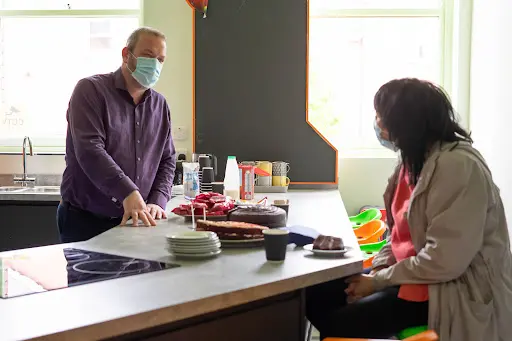
Families describe walking into an atmosphere that feels relaxed and welcoming rather than clinical or institutional. There's a sense that residents are genuinely comfortable here, with staff who take time to chat and connect rather than just rushing through care tasks.
The eight family priority themes
- Staff warmth82
- Compassion & dignity85
- Cleanliness72
- Activities & engagement72
- Food quality68
- Healthcare78
- Management & leadership74
- Resident happiness75
What inspectors found
Inspected 2017-12-06
Is this home safe?
Is the care effective?
The Effective domain was rated Outstanding at the September 2017 inspection. This is the highest possible rating and requires inspectors to have found specific, demonstrable evidence of excellence rather than simple compliance. An Outstanding Effective rating typically reflects detailed, person-centred care planning, regular and responsive healthcare access, strong dementia training, and good nutritional care. The published summary does not reproduce the specific findings that led to this rating, so the precise detail is not available here.Is this home caring?
The Caring domain was rated Outstanding at the September 2017 inspection. This rating requires inspectors to have directly observed staff treating people with genuine warmth, respect, and dignity, and to have gathered testimony from residents and relatives confirming this experience. Outstanding Caring is the rating families most consistently respond to in our review data, and it requires more than good intentions: inspectors must have seen it in practice. The specific observations and quotes from this inspection are not reproduced in the published summary.Is the home responsive?
The Responsive domain was rated Good at the September 2017 inspection. A Good rating means inspectors were satisfied that the home responded to individual needs and preferences, offered meaningful activities, and handled complaints appropriately. The published summary does not provide specific detail on the activity programme, one-to-one engagement for people with advanced dementia, or how individual preferences were recorded and acted upon. No concerns were raised in this domain.Is the home well-led?
The Well-led domain was rated Good at the September 2017 inspection. Mrs Michele Thompson was named as the registered manager at the time of inspection. A Good Well-led rating means inspectors were satisfied that the home had a clear management structure, governance processes, and a culture that supported staff to do their jobs well. The published summary does not confirm whether Mrs Thompson remains in post, and leadership continuity is one of the strongest predictors of ongoing quality in care homes.
Source: CQC inspection report →
What the evidence base says
The home specialises in caring for adults over 65, including those living with dementia. They also offer respite stays for families needing temporary support. For residents with dementia, the staff focus on maintaining dignity and connection. The team understands that each person's experience of dementia is different, adapting their approach to provide reassurance and comfort in ways that work for each individual. All areas worth probing directly during a visit.
The DCC Verdict
Our editorial view, built from the three lenses: what families tell us, what inspectors record, and how the home sits against good dementia-care practice.
DCC Family Score
Sandrock House earned an Outstanding overall rating, driven by particularly strong inspection findings in how staff care for and engage with the people who live there. The score reflects genuine inspection-evidenced strengths, balanced against the fact that this inspection took place in September 2017, meaning the detail behind these ratings is now over seven years old.
Homes in Yorkshire & Humberside typically score 68–82.The three-lens summary
What families tell us
Families describe walking into an atmosphere that feels relaxed and welcoming rather than clinical or institutional. There's a sense that residents are genuinely comfortable here, with staff who take time to chat and connect rather than just rushing through care tasks.
What inspectors have recorded
The team at Sandrock House has earned trust through their approachable, professional manner. Staff members show real compassion in their daily interactions, and management maintains an open-door approach that helps families feel heard and involved in their loved one's care.
How it sits against good practice
While care home costs are always a consideration, most families find that the quality of life their loved ones experience here makes it worthwhile.
Worth a visit
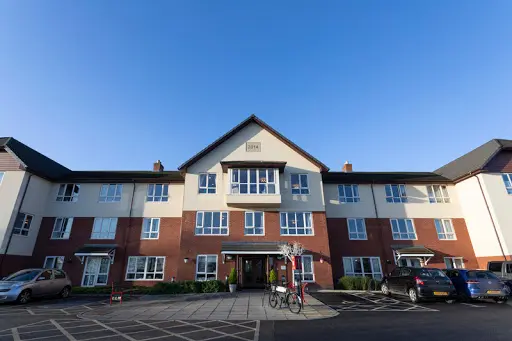
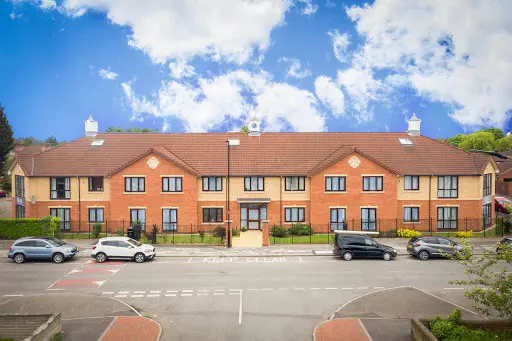
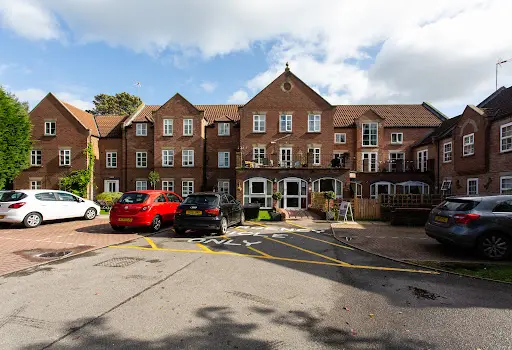
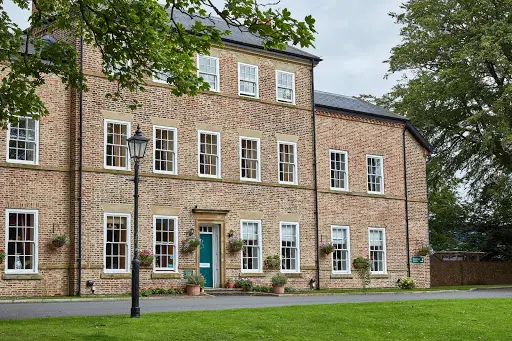
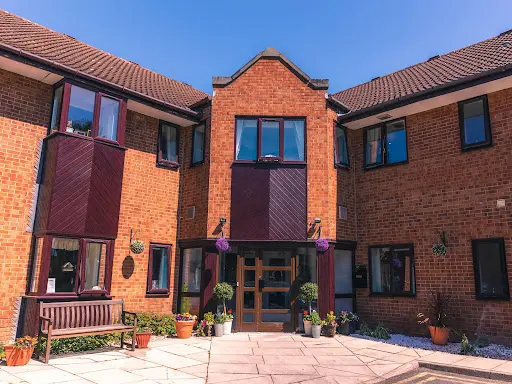
Sandrock House Residential Care Home, at 53 Bawtry Road, Doncaster, was rated Outstanding at its last inspection in September 2017, an improvement on its previous Good rating. The home specialises in dementia care and care for adults over 65, with 37 beds. Inspectors rated Effective and Caring as Outstanding, meaning they found specific, direct evidence of strong care planning, healthcare, staff warmth, and dignity in practice. Safe, Responsive, and Well-led were all rated Good. The most important thing to know before visiting is that this inspection took place in September 2017, over seven years ago. A review of information in July 2023 did not trigger a reassessment, but that review is itself now more than two years old, and the detailed findings behind the Outstanding rating are from 2017. Staff may have changed, management may have changed, and the quality of care may have moved in either direction since then. When you visit, ask to see the most recent internal audit results and the current staffing rota. Speak to staff on the floor, not just the manager, and ask whether Mrs Michele Thompson is still the registered manager. Trust what you observe on the day.
The three questions to ask when you visitSave this home. Compare it against your shortlist.
Let our analysis show you how Sandrock House measures up against the other homes you’re considering. Free account.
In Their Own Words
How Sandrock House describes itself — collected from its own website. DCC has not edited or independently verified the content in this tab.
Where Yorkshire warmth meets thoughtful daily care
Sandrock House Residential Care Home – Expert Care in Doncaster
When families visit Sandrock House Residential Care Home in Doncaster, they often comment on the genuine friendliness that greets them at the door. This isn't just surface-level pleasantness — it's a warmth that extends through every interaction between staff and residents. The home has built its reputation on treating each person as an individual, with their own preferences, routines, and stories to share.
Who they care for
The home specialises in caring for adults over 65, including those living with dementia. They also offer respite stays for families needing temporary support.
For residents with dementia, the staff focus on maintaining dignity and connection. The team understands that each person's experience of dementia is different, adapting their approach to provide reassurance and comfort in ways that work for each individual.
“While care home costs are always a consideration, most families find that the quality of life their loved ones experience here makes it worthwhile.”
DCC does not edit or curate content in this tab. For independently curated information, see The Evidence and DCC Verdict.
The DCC Verdict
Our editorial view, built from the three lenses: what families tell us, what inspectors record, and how the home sits against good dementia-care practice.
DCC Family Score
Sandrock House earned an Outstanding overall rating, driven by particularly strong inspection findings in how staff care for and engage with the people who live there. The score reflects genuine inspection-evidenced strengths, balanced against the fact that this inspection took place in September 2017, meaning the detail behind these ratings is now over seven years old.
Homes in Yorkshire & Humberside typically score 68–82.The three-lens summary
What families tell us
Families describe walking into an atmosphere that feels relaxed and welcoming rather than clinical or institutional. There's a sense that residents are genuinely comfortable here, with staff who take time to chat and connect rather than just rushing through care tasks.
What inspectors have recorded
The team at Sandrock House has earned trust through their approachable, professional manner. Staff members show real compassion in their daily interactions, and management maintains an open-door approach that helps families feel heard and involved in their loved one's care.
How it sits against good practice
While care home costs are always a consideration, most families find that the quality of life their loved ones experience here makes it worthwhile.
Worth a visit
Sandrock House Residential Care Home, at 53 Bawtry Road, Doncaster, was rated Outstanding at its last inspection in September 2017, an improvement on its previous Good rating. The home specialises in dementia care and care for adults over 65, with 37 beds. Inspectors rated Effective and Caring as Outstanding, meaning they found specific, direct evidence of strong care planning, healthcare, staff warmth, and dignity in practice. Safe, Responsive, and Well-led were all rated Good. The most important thing to know before visiting is that this inspection took place in September 2017, over seven years ago. A review of information in July 2023 did not trigger a reassessment, but that review is itself now more than two years old, and the detailed findings behind the Outstanding rating are from 2017. Staff may have changed, management may have changed, and the quality of care may have moved in either direction since then. When you visit, ask to see the most recent internal audit results and the current staffing rota. Speak to staff on the floor, not just the manager, and ask whether Mrs Michele Thompson is still the registered manager. Trust what you observe on the day.
The three questions to ask when you visitSave this home. Compare it against your shortlist.
Let our analysis show you how Sandrock House measures up against the other homes you’re considering. Free account.
In Their Own Words
How Sandrock House describes itself — collected from its own website. DCC has not edited or independently verified the content in this tab.
Where Yorkshire warmth meets thoughtful daily care
Sandrock House Residential Care Home – Expert Care in Doncaster
When families visit Sandrock House Residential Care Home in Doncaster, they often comment on the genuine friendliness that greets them at the door. This isn't just surface-level pleasantness — it's a warmth that extends through every interaction between staff and residents. The home has built its reputation on treating each person as an individual, with their own preferences, routines, and stories to share.
Who they care for
The home specialises in caring for adults over 65, including those living with dementia. They also offer respite stays for families needing temporary support.
For residents with dementia, the staff focus on maintaining dignity and connection. The team understands that each person's experience of dementia is different, adapting their approach to provide reassurance and comfort in ways that work for each individual.
Management & ethos
The team at Sandrock House has earned trust through their approachable, professional manner. Staff members show real compassion in their daily interactions, and management maintains an open-door approach that helps families feel heard and involved in their loved one's care.
The home & environment
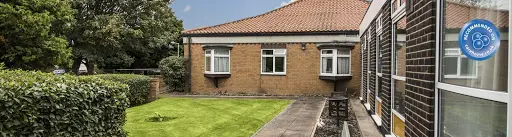
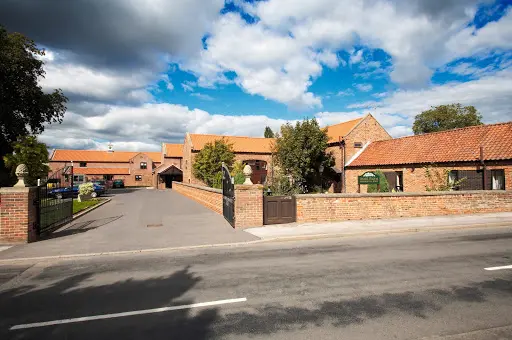
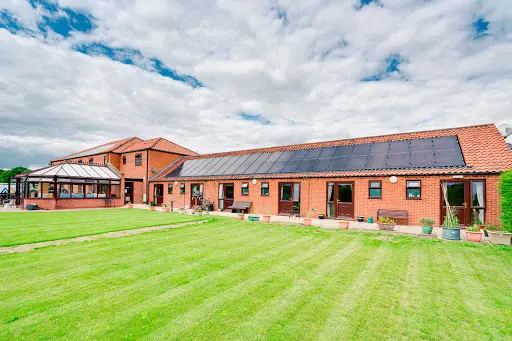
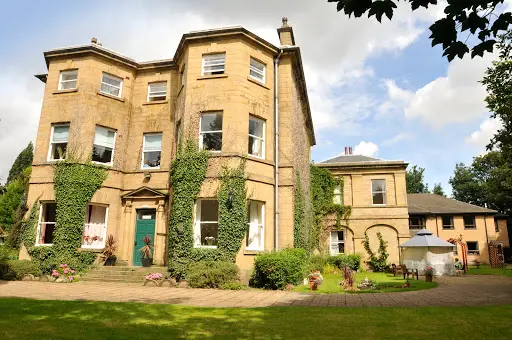
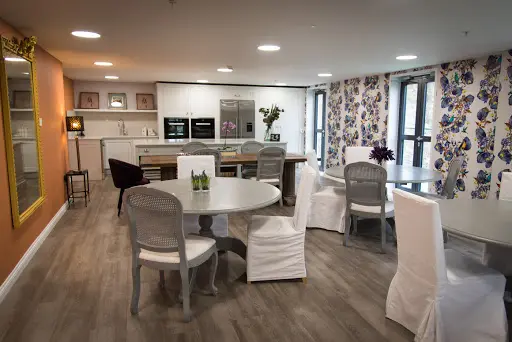
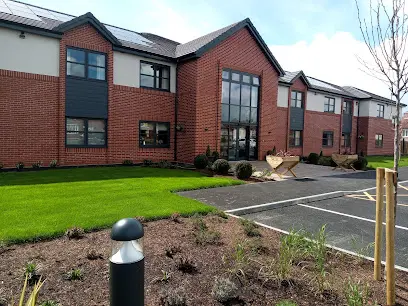
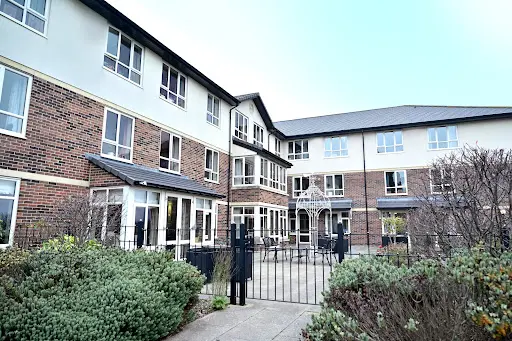
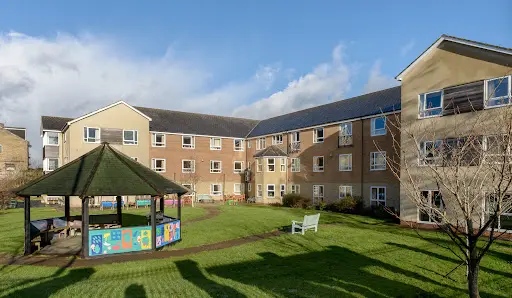
The gardens offer pleasant spaces for residents to enjoy Yorkshire sunshine when it appears, while inside, the home maintains consistently high standards of cleanliness. Meals have become something of a talking point among families, who note the kitchen's commitment to serving food that residents actually look forward to.
“While care home costs are always a consideration, most families find that the quality of life their loved ones experience here makes it worthwhile.”
DCC does not edit or curate content in this tab. For independently curated information, see The Evidence and DCC Verdict.