Rose Farm Residential Home
At a Glance
The information you need to decide whether this home warrants a closer look.
Residential homes
Staff warmth score
of reviewers answered yes
Good to know
- Registered beds54
- SpecialismsCaring for adults over 65 yrs, Caring for adults under 65 yrs, Dementia
- Last inspected2020-04-18
Save Rose Farm Residential Home to your shortlist
Keep a running list, add visit notes, and compare homes side-by-side. Free account — it takes a minute.
STAGE 4 — RESEARCHING CARE HOMES
Visit homes. Compare them side by side. Choose with confidence.
Most of us will view care homes the way we view houses, impression, atmosphere, the feeling in the corridor. We go home, try to remember what we saw, and make a permanent decision from a blurred memory.

The DCC shortlist gives every home you visit a structured record: the same twelve questions, answered the same way, every time. When you’re ready to choose, pull any two homes side by side and compare them directly. Same criteria, same evidence, your notes and your scores.
The Evidence
What the review data, the inspection reports, and the dementia-care evidence base tell us about this home.
What families say
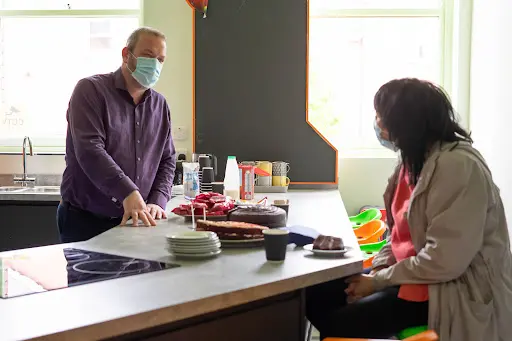
Families particularly value how the staff balance professionalism with genuine warmth. This compassionate approach seems to help residents settle well, with some choosing to make Rose Farm their home for many years.
The eight family priority themes
- Staff warmth72
- Compassion & dignity72
- Cleanliness70
- Activities & engagement65
- Food quality65
- Healthcare68
- Management & leadership72
- Resident happiness68
What inspectors found
Inspected 2020-04-18
Is this home safe?
Is the care effective?
The Effective domain was rated Good at the February 2020 inspection. This domain covers care planning, training, healthcare access, and nutrition. The home is registered as a dementia specialist, which means inspectors will have considered whether staff have appropriate training and whether care plans reflect individual needs. No specific detail about training content, GP access arrangements, or food quality is recorded in the available published summary. The previous Requires Improvement rating will have included concerns in this area that were subsequently addressed.Is this home caring?
The Caring domain was rated Good at the February 2020 inspection. This is typically the domain most directly shaped by the culture and warmth of the staff team. Inspectors assess whether residents are treated with dignity and respect, whether they are addressed by their preferred names, and whether staff interactions feel unhurried and genuine. The published summary does not include specific observations, quotes from residents, or examples of caring interactions. No testimony from relatives or residents is available in the published text.Is the home responsive?
The Responsive domain was rated Good at the February 2020 inspection. This domain covers whether the home tailors its provision to individual needs, including activities, preferences, and end-of-life care. The home specialises in dementia care, which makes individual engagement particularly important, as people with dementia often cannot initiate or sustain group activities without support. The published summary contains no detail about the activities programme, how individual interests are recorded, or how the home supports people at the end of life.Is the home well-led?
The Well-led domain was rated Good at the February 2020 inspection, having previously been rated Requires Improvement. The registered manager is named as Mrs Kelli Hardcastle, and the nominated individual is Mr Rupane Patel. The improvement from the previous rating suggests that governance concerns were identified and addressed, which is a positive indicator of leadership responsiveness. The published report does not describe the manager's visibility, staff culture, or how complaints and feedback are handled. A review in July 2023 found no new concerns.
Source: CQC inspection report →
What the evidence base says
Rose Farm provides residential care for adults over 65, including those living with dementia. The home also accommodates younger adults who need residential support. For residents with dementia, the team's compassionate and professional approach helps create stability and continuity. The fact that some residents remain settled here for many years suggests the care adapts well to changing needs. All areas worth probing directly during a visit.
The DCC Verdict
Our editorial view, built from the three lenses: what families tell us, what inspectors record, and how the home sits against good dementia-care practice.
DCC Family Score
Rose Farm scores 72 out of 100, reflecting a home that has improved from Requires Improvement to Good across all five inspection domains, but where the published report contains limited specific detail to go beyond general compliance statements.
Homes in East Midlands typically score 68–82.The three-lens summary
What families tell us
Families particularly value how the staff balance professionalism with genuine warmth. This compassionate approach seems to help residents settle well, with some choosing to make Rose Farm their home for many years.
What inspectors have recorded
The team's helpful approach extends throughout the home, from the warm welcome at reception to the consistent support provided by care staff. This professional yet caring culture appears to run through every level of the organization.
How it sits against good practice
The lasting impression is of a care home where professionalism and compassion work hand in hand.
Worth a visit
Rose Farm, on Main Street in Doncaster, was rated Good at its most recent inspection in February 2020, with all five domains, including Safe, Effective, Caring, Responsive, and Well-led, rated Good. This is a meaningful improvement from its previous Requires Improvement rating, and a follow-up review in July 2023 found no evidence to prompt a reassessment. The home provides residential dementia care for up to 54 people, including adults both over and under 65, and has an identified registered manager and nominated individual in post. The main uncertainty here is that the published inspection summary contains very limited specific detail. No inspector observations, resident quotes, or family testimony are recorded in the available text, which makes it difficult to go beyond the domain ratings themselves. Before choosing Rose Farm for your parent, visit in person during a weekday afternoon, ask to see last week's actual staffing rota including night shifts, and find out how the team communicates with families when something changes. The improvement trajectory is genuinely encouraging, but you will need to gather the day-to-day detail for yourself.
The three questions to ask when you visitSave this home. Compare it against your shortlist.
Let our analysis show you how Rose Farm Residential Home measures up against the other homes you’re considering. Free account.
In Their Own Words
How Rose Farm Residential Home describes itself — collected from its own website. DCC has not edited or independently verified the content in this tab.
Where professional care meets genuine compassion in Doncaster
Compassionate Care in Doncaster at Rose Farm
When families describe a care team as both professional and compassionate, it speaks volumes about the quality of support their loved ones receive. Rose Farm in Doncaster has earned this reputation through consistent, thoughtful care that helps residents feel settled and secure. The combination of an experienced team and a well-maintained environment creates the foundation for quality care.
Who they care for
Rose Farm provides residential care for adults over 65, including those living with dementia. The home also accommodates younger adults who need residential support.
For residents with dementia, the team's compassionate and professional approach helps create stability and continuity. The fact that some residents remain settled here for many years suggests the care adapts well to changing needs.
“The lasting impression is of a care home where professionalism and compassion work hand in hand.”
DCC does not edit or curate content in this tab. For independently curated information, see The Evidence and DCC Verdict.
The DCC Verdict
Our editorial view, built from the three lenses: what families tell us, what inspectors record, and how the home sits against good dementia-care practice.
DCC Family Score
Rose Farm scores 72 out of 100, reflecting a home that has improved from Requires Improvement to Good across all five inspection domains, but where the published report contains limited specific detail to go beyond general compliance statements.
Homes in East Midlands typically score 68–82.The three-lens summary
What families tell us
Families particularly value how the staff balance professionalism with genuine warmth. This compassionate approach seems to help residents settle well, with some choosing to make Rose Farm their home for many years.
What inspectors have recorded
The team's helpful approach extends throughout the home, from the warm welcome at reception to the consistent support provided by care staff. This professional yet caring culture appears to run through every level of the organization.
How it sits against good practice
The lasting impression is of a care home where professionalism and compassion work hand in hand.
Worth a visit
Rose Farm, on Main Street in Doncaster, was rated Good at its most recent inspection in February 2020, with all five domains, including Safe, Effective, Caring, Responsive, and Well-led, rated Good. This is a meaningful improvement from its previous Requires Improvement rating, and a follow-up review in July 2023 found no evidence to prompt a reassessment. The home provides residential dementia care for up to 54 people, including adults both over and under 65, and has an identified registered manager and nominated individual in post. The main uncertainty here is that the published inspection summary contains very limited specific detail. No inspector observations, resident quotes, or family testimony are recorded in the available text, which makes it difficult to go beyond the domain ratings themselves. Before choosing Rose Farm for your parent, visit in person during a weekday afternoon, ask to see last week's actual staffing rota including night shifts, and find out how the team communicates with families when something changes. The improvement trajectory is genuinely encouraging, but you will need to gather the day-to-day detail for yourself.
The three questions to ask when you visitSave this home. Compare it against your shortlist.
Let our analysis show you how Rose Farm Residential Home measures up against the other homes you’re considering. Free account.
In Their Own Words
How Rose Farm Residential Home describes itself — collected from its own website. DCC has not edited or independently verified the content in this tab.
Where professional care meets genuine compassion in Doncaster
Compassionate Care in Doncaster at Rose Farm
When families describe a care team as both professional and compassionate, it speaks volumes about the quality of support their loved ones receive. Rose Farm in Doncaster has earned this reputation through consistent, thoughtful care that helps residents feel settled and secure. The combination of an experienced team and a well-maintained environment creates the foundation for quality care.
Who they care for
Rose Farm provides residential care for adults over 65, including those living with dementia. The home also accommodates younger adults who need residential support.
For residents with dementia, the team's compassionate and professional approach helps create stability and continuity. The fact that some residents remain settled here for many years suggests the care adapts well to changing needs.
Management & ethos
The team's helpful approach extends throughout the home, from the warm welcome at reception to the consistent support provided by care staff. This professional yet caring culture appears to run through every level of the organization.
The home & environment
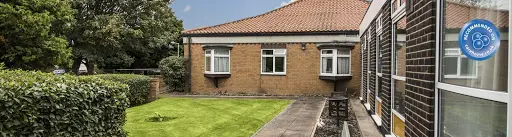
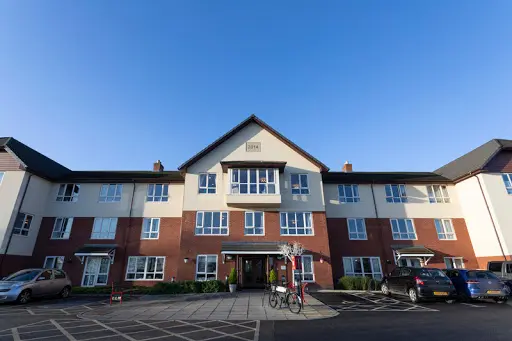
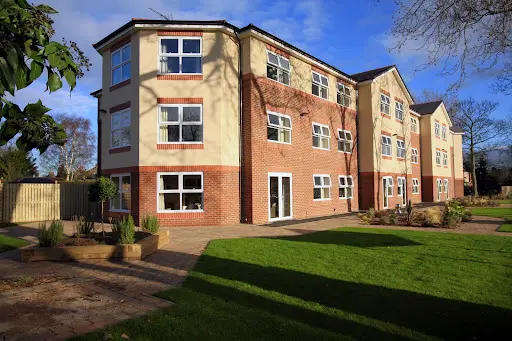
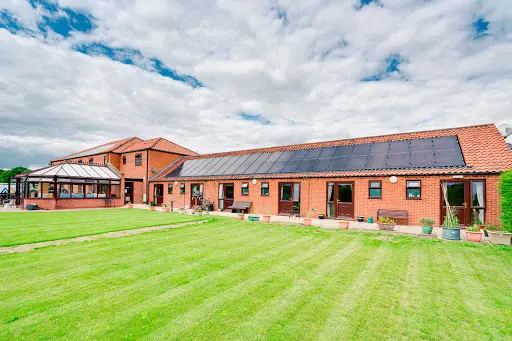
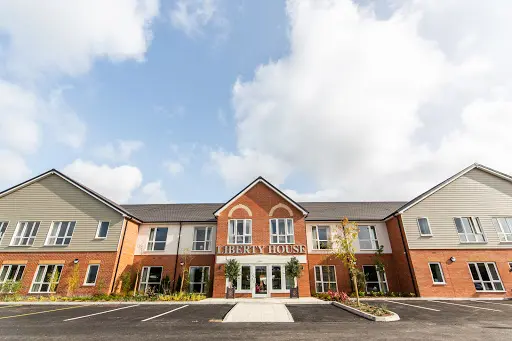
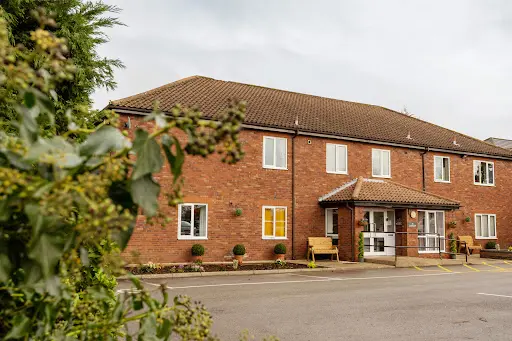
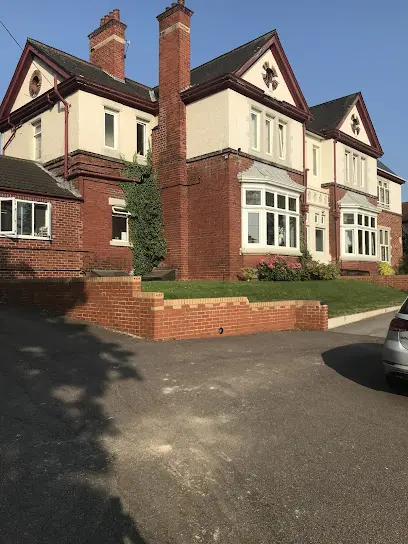
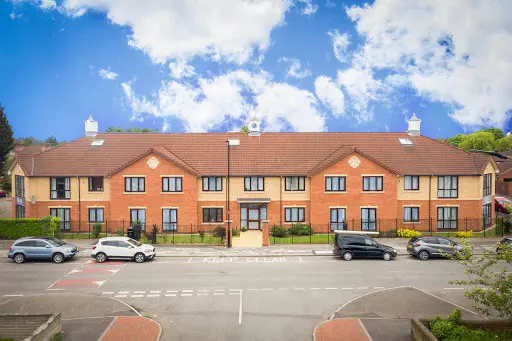
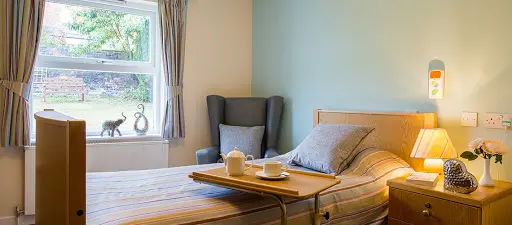
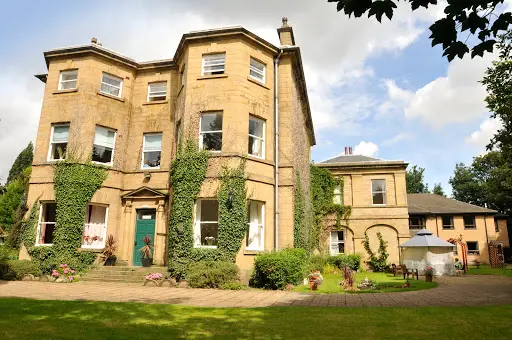
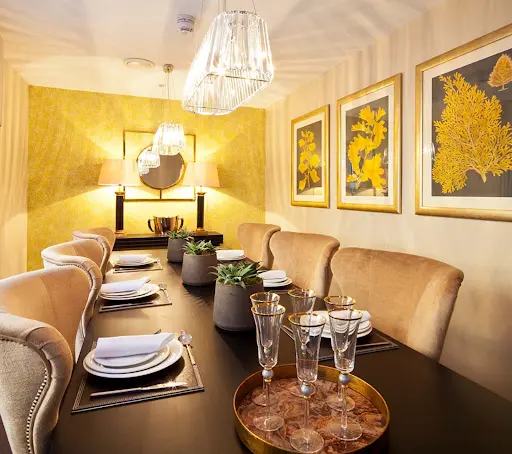
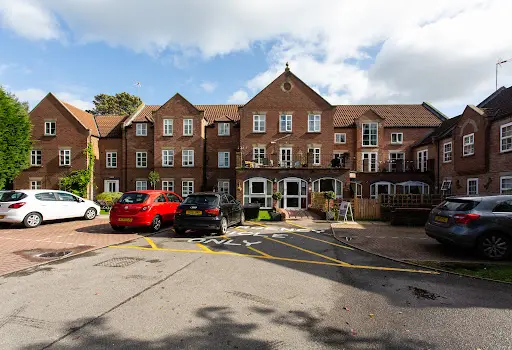
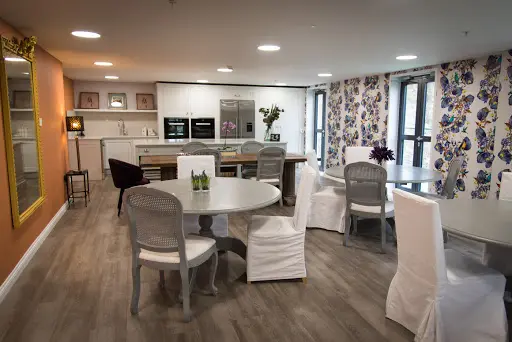
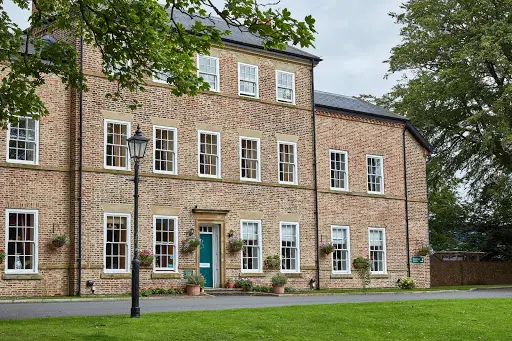
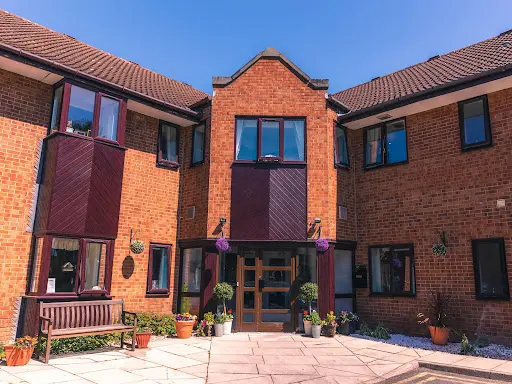
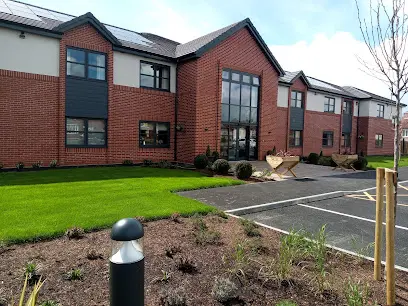
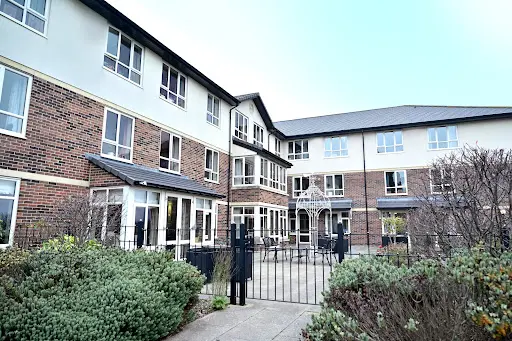
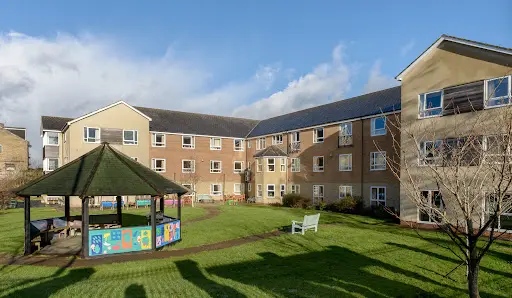
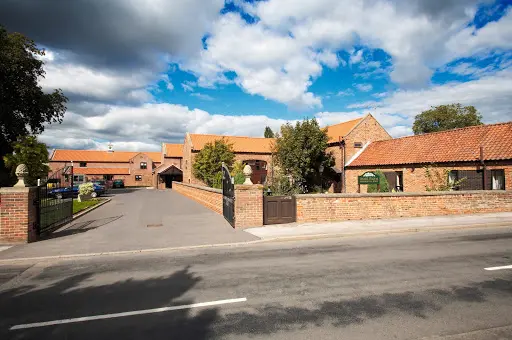
The care home maintains its spaces well, creating a pleasant environment for both residents and visitors. The physical setting contributes to the overall sense of quality that families notice when they visit.
“The lasting impression is of a care home where professionalism and compassion work hand in hand.”
DCC does not edit or curate content in this tab. For independently curated information, see The Evidence and DCC Verdict.