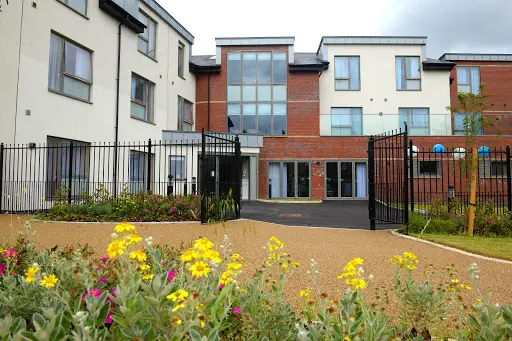
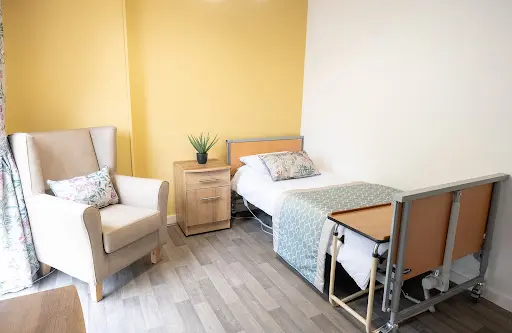
Riverside Residential & Respite Care Home

At a Glance
The information you need to decide whether this home warrants a closer look.
Residential homes
Staff warmth score
of reviewers answered yes
Good to know
- Registered beds26
- SpecialismsCaring for adults over 65 yrs, Dementia, Learning disabilities
- Last inspected2021-04-30
Save Riverside Residential & Respite Care Home to your shortlist
Keep a running list, add visit notes, and compare homes side-by-side. Free account — it takes a minute.
STAGE 4 — RESEARCHING CARE HOMES
Visit homes. Compare them side by side. Choose with confidence.
Most of us will view care homes the way we view houses, impression, atmosphere, the feeling in the corridor. We go home, try to remember what we saw, and make a permanent decision from a blurred memory.

The DCC shortlist gives every home you visit a structured record: the same twelve questions, answered the same way, every time. When you’re ready to choose, pull any two homes side by side and compare them directly. Same criteria, same evidence, your notes and your scores.
The Evidence
What the review data, the inspection reports, and the dementia-care evidence base tell us about this home.
What families say
What strikes families visiting Riverside is how quickly staff seem to grasp what their relative needs. People describe seeing residents who appear comfortable and settled, even those who've faced recent upheaval or live with dementia. The atmosphere families encounter feels relaxed, with visitors treated as part of the home's daily rhythm rather than scheduled appointments.
The eight family priority themes
- Staff warmth55
- Compassion & dignity55
- Cleanliness55
- Activities & engagement50
- Food quality50
- Healthcare50
- Management & leadership60
- Resident happiness55
What inspectors found
Inspected 2021-04-30
Is this home safe?
Is the care effective?
The home was rated Good for effectiveness at its April 2021 inspection. The published text includes no specific observations about care plan quality, dementia training content, GP access arrangements, or how food quality and dietary needs are managed. The home lists dementia and learning disabilities as specialisms, but there is no inspection detail describing how these specialisms are delivered in practice.Is this home caring?
The home was rated Good for caring at its April 2021 inspection. No direct quotes from residents or relatives are recorded in the published text, and no specific inspector observations about staff interactions, use of preferred names, or responses to distress are available. The rating alone indicates inspectors found no concerns, but the evidence base for this assessment is not visible in what has been published.Is the home responsive?
The home was rated Good for responsiveness at its April 2021 inspection. The published text contains no specific information about the activity programme, individual engagement for residents with advanced dementia, or how the home responds to changing needs and end-of-life wishes. The listing confirms dementia as a specialism, but no detail is available about what that means for daily life and meaningful occupation.Is the home well-led?
The home was rated Good for leadership at its April 2021 inspection. The registered manager is named as Mrs Carron Cayley, and the provider is Mr Peter Fenton Warwick. The published text does not record observations about management visibility, staff culture, governance systems, or how the home responds to complaints and incidents. No information is available about how long the current manager has been in post.
Source: CQC inspection report →
What the evidence base says
Riverside supports residents living with dementia, learning disabilities, and those over 65 who need residential care. The home's experience with dementia care shows in how staff adapt their approach to each person's changing needs. Families whose relatives live with dementia at Riverside talk about seeing genuine understanding from staff — not just training, but the kind of intuitive responses that help someone feel secure. The continuity here seems particularly important, with the same faces providing familiar support as the condition progresses. All areas worth probing directly during a visit.
The DCC Verdict
Our editorial view, built from the three lenses: what families tell us, what inspectors record, and how the home sits against good dementia-care practice.
DCC Family Score
Riverside Rest Home holds a Good rating across all five inspection domains, which is a positive baseline. However, the published inspection text contains very little specific detail, so scores reflect a general Good rating rather than strong confirming evidence on any individual theme.
Homes in North West typically score 68–82.The three-lens summary
What families tell us
What strikes families visiting Riverside is how quickly staff seem to grasp what their relative needs. People describe seeing residents who appear comfortable and settled, even those who've faced recent upheaval or live with dementia. The atmosphere families encounter feels relaxed, with visitors treated as part of the home's daily rhythm rather than scheduled appointments.
What inspectors have recorded
The hands-on approach here starts with the owners, who families say remain actively involved in daily care decisions. Staff respond quickly when relatives have questions or concerns — something that matters when you're worried about someone you love. This direct communication style seems to filter through the team, with families noting how staff demonstrate real competence in dementia care situations.
How it sits against good practice
Sometimes the best care comes from people who treat their work as more than just a job — something families sense when they walk through Riverside's doors.
Worth a visit
Riverside Rest Home on West Beach in Lytham St Annes was rated Good across all five inspection domains at its last inspection in April 2021. A desk-based review carried out in July 2023 found nothing to suggest that rating needed to change. The home is a small residential setting of 26 beds, with named leadership from a registered manager and a declared specialism in dementia care. The honest limitation here is that the published inspection report contains very little specific detail about what daily life actually looks like for your parent. A Good rating is a meaningful starting point, but it is now more than four years old and the text does not record what inspectors observed about staff behaviour, food, activities, the physical environment, or night-time care. Before making a decision, visit in person at different times of day, ask to see last week's actual staffing rota, and request a conversation with the registered manager about how dementia care is delivered in practice.
The three questions to ask when you visitSave this home. Compare it against your shortlist.
Let our analysis show you how Riverside Residential & Respite Care Home measures up against the other homes you’re considering. Free account.
In Their Own Words
How Riverside Residential & Respite Care Home describes itself — collected from its own website. DCC has not edited or independently verified the content in this tab.
Where personal attention shapes each resident's daily experience
Dedicated residential home Support in Lytham St Annes
Families choosing care in Lytham St Annes often discover that the right home makes all the difference during life's difficult transitions. Riverside Rest Home has built its approach around understanding what each resident needs — whether that's specialist dementia support, help adjusting after losing a spouse, or simply knowing someone's listening. The owner-run home sits close to the seafront, bringing a sense of community that families say feels genuine rather than forced.
Who they care for
Riverside supports residents living with dementia, learning disabilities, and those over 65 who need residential care. The home's experience with dementia care shows in how staff adapt their approach to each person's changing needs.
Families whose relatives live with dementia at Riverside talk about seeing genuine understanding from staff — not just training, but the kind of intuitive responses that help someone feel secure. The continuity here seems particularly important, with the same faces providing familiar support as the condition progresses.
“Sometimes the best care comes from people who treat their work as more than just a job — something families sense when they walk through Riverside's doors.”
DCC does not edit or curate content in this tab. For independently curated information, see The Evidence and DCC Verdict.
The DCC Verdict
Our editorial view, built from the three lenses: what families tell us, what inspectors record, and how the home sits against good dementia-care practice.
DCC Family Score
Riverside Rest Home holds a Good rating across all five inspection domains, which is a positive baseline. However, the published inspection text contains very little specific detail, so scores reflect a general Good rating rather than strong confirming evidence on any individual theme.
Homes in North West typically score 68–82.The three-lens summary
What families tell us
What strikes families visiting Riverside is how quickly staff seem to grasp what their relative needs. People describe seeing residents who appear comfortable and settled, even those who've faced recent upheaval or live with dementia. The atmosphere families encounter feels relaxed, with visitors treated as part of the home's daily rhythm rather than scheduled appointments.
What inspectors have recorded
The hands-on approach here starts with the owners, who families say remain actively involved in daily care decisions. Staff respond quickly when relatives have questions or concerns — something that matters when you're worried about someone you love. This direct communication style seems to filter through the team, with families noting how staff demonstrate real competence in dementia care situations.
How it sits against good practice
Sometimes the best care comes from people who treat their work as more than just a job — something families sense when they walk through Riverside's doors.
Worth a visit
Riverside Rest Home on West Beach in Lytham St Annes was rated Good across all five inspection domains at its last inspection in April 2021. A desk-based review carried out in July 2023 found nothing to suggest that rating needed to change. The home is a small residential setting of 26 beds, with named leadership from a registered manager and a declared specialism in dementia care. The honest limitation here is that the published inspection report contains very little specific detail about what daily life actually looks like for your parent. A Good rating is a meaningful starting point, but it is now more than four years old and the text does not record what inspectors observed about staff behaviour, food, activities, the physical environment, or night-time care. Before making a decision, visit in person at different times of day, ask to see last week's actual staffing rota, and request a conversation with the registered manager about how dementia care is delivered in practice.
The three questions to ask when you visitSave this home. Compare it against your shortlist.
Let our analysis show you how Riverside Residential & Respite Care Home measures up against the other homes you’re considering. Free account.
In Their Own Words
How Riverside Residential & Respite Care Home describes itself — collected from its own website. DCC has not edited or independently verified the content in this tab.
Where personal attention shapes each resident's daily experience
Dedicated residential home Support in Lytham St Annes
Families choosing care in Lytham St Annes often discover that the right home makes all the difference during life's difficult transitions. Riverside Rest Home has built its approach around understanding what each resident needs — whether that's specialist dementia support, help adjusting after losing a spouse, or simply knowing someone's listening. The owner-run home sits close to the seafront, bringing a sense of community that families say feels genuine rather than forced.
Who they care for
Riverside supports residents living with dementia, learning disabilities, and those over 65 who need residential care. The home's experience with dementia care shows in how staff adapt their approach to each person's changing needs.
Families whose relatives live with dementia at Riverside talk about seeing genuine understanding from staff — not just training, but the kind of intuitive responses that help someone feel secure. The continuity here seems particularly important, with the same faces providing familiar support as the condition progresses.
Management & ethos
The hands-on approach here starts with the owners, who families say remain actively involved in daily care decisions. Staff respond quickly when relatives have questions or concerns — something that matters when you're worried about someone you love. This direct communication style seems to filter through the team, with families noting how staff demonstrate real competence in dementia care situations.
“Sometimes the best care comes from people who treat their work as more than just a job — something families sense when they walk through Riverside's doors.”
DCC does not edit or curate content in this tab. For independently curated information, see The Evidence and DCC Verdict.