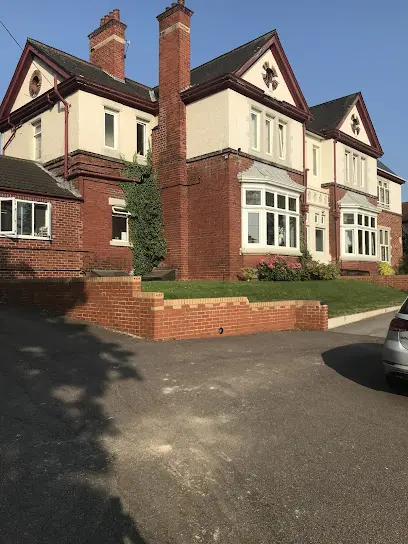
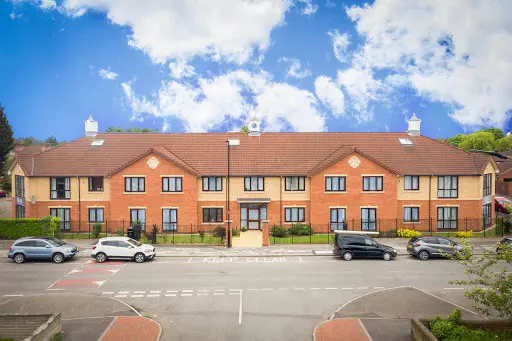
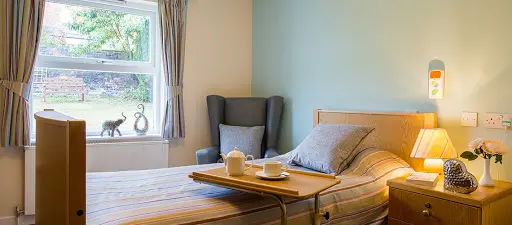
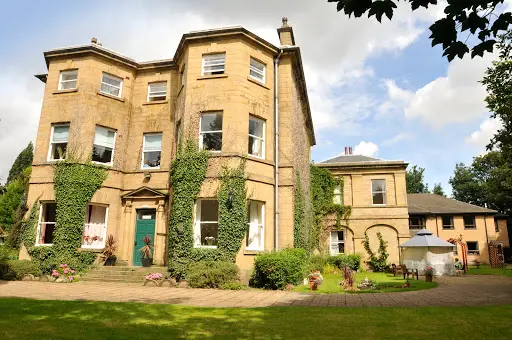
Oldfield House – Runwood Homes Senior Living | Residential Dementia Care Homes Doncaster
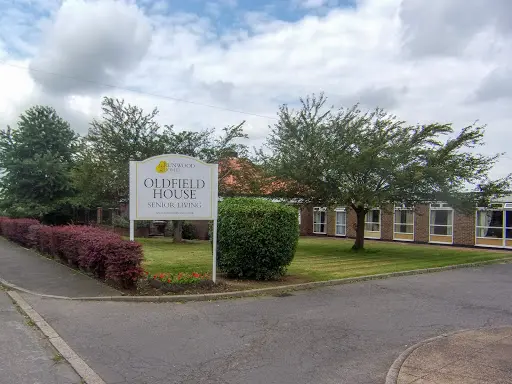
At a Glance
The information you need to decide whether this home warrants a closer look.
Residential homes
Staff warmth score
of reviewers answered yes
Good to know
- Registered beds34
- SpecialismsCaring for adults over 65 yrs, Caring for adults under 65 yrs, Dementia, Physical disabilities, Sensory impairment
- Last inspected2023-09-08
Save Oldfield House – Runwood Homes Senior Living | Residential Dementia Care Homes Doncaster to your shortlist
Keep a running list, add visit notes, and compare homes side-by-side. Free account — it takes a minute.
STAGE 4 — RESEARCHING CARE HOMES
Visit homes. Compare them side by side. Choose with confidence.
Most of us will view care homes the way we view houses, impression, atmosphere, the feeling in the corridor. We go home, try to remember what we saw, and make a permanent decision from a blurred memory.

The DCC shortlist gives every home you visit a structured record: the same twelve questions, answered the same way, every time. When you’re ready to choose, pull any two homes side by side and compare them directly. Same criteria, same evidence, your notes and your scores.
The Evidence
What the review data, the inspection reports, and the dementia-care evidence base tell us about this home.
What families say
The staff here seem to understand what matters. They know residents well enough to spot when something's not quite right, and they're quick to respond. Families mention feeling genuinely welcomed when they visit, with management who actually listen when you've got concerns or suggestions.
The eight family priority themes
- Staff warmth72
- Compassion & dignity72
- Cleanliness70
- Activities & engagement65
- Food quality60
- Healthcare65
- Management & leadership45
- Resident happiness68
What inspectors found
Inspected 2023-09-08
Is this home safe?
Is the care effective?
The Effective domain was rated Good, suggesting inspectors were satisfied with training arrangements, care planning, and healthcare access. Dementia is listed as a specialism, implying dedicated training should be in place. The published summary does not describe specific training content, care plan review frequency, GP access arrangements, or how families are included in care reviews. Food and nutrition are not mentioned in the published findings.Is this home caring?
The Caring domain was rated Good, which is the rating most directly linked to staff warmth, dignity, and respect. Inspectors judged that staff interactions and the culture of care met the required standard. No specific inspector observations, resident quotes, or family comments were included in the published summary, so it is not possible to describe what caring practice looks like day to day at Oldfield House from this report alone.Is the home responsive?
The Responsive domain was rated Good, indicating inspectors were satisfied that the home adapted its care to individual needs and that residents had access to activities and engagement. Oldfield House cares for people across a wide range of needs, including dementia, physical disabilities, and sensory impairment, which requires a genuinely flexible approach to activity and daily life. The published summary contains no specific detail about the activity programme, individual engagement for people who cannot join groups, or how the home responds to complaints.Is the home well-led?
The well-led domain was rated Requires Improvement at the August 2023 inspection. This is the only domain below Good and it is the area that deserves most attention before you make a decision. A registered manager, Mrs Shileen Fiona Muusha, is named and in post, and the nominated individual is Dr Gavin O'Hare-Connolly. The published summary does not specify what governance failures led to this rating, which specific systems were found to be inadequate, or what the home has done to address the concerns since the inspection. This lack of published detail is itself a gap you should fill by asking the manager directly.
Source: CQC inspection report →
What the evidence base says
The home supports people with various needs including physical disabilities and sensory impairments. They care for both younger adults under 65 and older residents. Oldfield House provides dementia care alongside their other specialisms. The staff's familiarity with each resident helps them provide person-centred support. All areas worth probing directly during a visit.
The DCC Verdict
Our editorial view, built from the three lenses: what families tell us, what inspectors record, and how the home sits against good dementia-care practice.
DCC Family Score
Oldfield House scores well across most care themes, reflecting four Good domain ratings, but the Requires Improvement finding in well-led pulls the overall score down and raises real questions about governance and oversight that you should explore before making a decision.
Homes in Yorkshire & Humberside typically score 68–82.The three-lens summary
What families tell us
The staff here seem to understand what matters. They know residents well enough to spot when something's not quite right, and they're quick to respond. Families mention feeling genuinely welcomed when they visit, with management who actually listen when you've got concerns or suggestions.
What inspectors have recorded
There's a real sense that the care team puts residents first. During end-of-life care, families have found staff staying close, keeping their loved ones comfortable and maintaining their dignity right to the end. Though some administrative processes with the parent company have caused frustration, the on-site team shows genuine compassion.
How it sits against good practice
Sometimes it's the hardest moments that show you what a care home is really like, and here the staff step up when it counts.
Worth a visit
Oldfield House, on Oldfield Lane in Doncaster, was rated Good overall at its inspection in August 2023, with Good ratings across Safe, Effective, Caring, and Responsive domains. The home cares for up to 34 people, including those living with dementia, physical disabilities, and sensory impairment, and a registered manager is in post. The one area that requires your attention before making a decision is the Requires Improvement rating for well-led. This means inspectors found the management and governance arrangements were not meeting the standard required, and that matters because weak leadership is one of the clearest early warning signs of a home whose quality may slip. The published inspection summary is short on specific detail across all domains, so your visit is essential. Ask the manager directly what the well-led concerns were, what has changed since the inspection, and when the next inspection is expected.
The three questions to ask when you visitSave this home. Compare it against your shortlist.
Let our analysis show you how Oldfield House – Runwood Homes Senior Living | Residential Dementia Care Homes Doncaster measures up against the other homes you’re considering. Free account.
In Their Own Words
How Oldfield House – Runwood Homes Senior Living | Residential Dementia Care Homes Doncaster describes itself — collected from its own website. DCC has not edited or independently verified the content in this tab.
Where dignity matters most when families need it most
Oldfield House – Expert Care in Doncaster
When you're looking for care in Doncaster, you want to know the people looking after your loved one genuinely care. At Oldfield House, families talk about staff who really get to know residents — their quirks, their needs, what makes them comfortable. It's the kind of place where carers stay close during difficult times, making sure nobody feels alone.
Who they care for
The home supports people with various needs including physical disabilities and sensory impairments. They care for both younger adults under 65 and older residents.
Oldfield House provides dementia care alongside their other specialisms. The staff's familiarity with each resident helps them provide person-centred support.
“Sometimes it's the hardest moments that show you what a care home is really like, and here the staff step up when it counts.”
DCC does not edit or curate content in this tab. For independently curated information, see The Evidence and DCC Verdict.
The DCC Verdict
Our editorial view, built from the three lenses: what families tell us, what inspectors record, and how the home sits against good dementia-care practice.
DCC Family Score
Oldfield House scores well across most care themes, reflecting four Good domain ratings, but the Requires Improvement finding in well-led pulls the overall score down and raises real questions about governance and oversight that you should explore before making a decision.
Homes in Yorkshire & Humberside typically score 68–82.The three-lens summary
What families tell us
The staff here seem to understand what matters. They know residents well enough to spot when something's not quite right, and they're quick to respond. Families mention feeling genuinely welcomed when they visit, with management who actually listen when you've got concerns or suggestions.
What inspectors have recorded
There's a real sense that the care team puts residents first. During end-of-life care, families have found staff staying close, keeping their loved ones comfortable and maintaining their dignity right to the end. Though some administrative processes with the parent company have caused frustration, the on-site team shows genuine compassion.
How it sits against good practice
Sometimes it's the hardest moments that show you what a care home is really like, and here the staff step up when it counts.
Worth a visit
Oldfield House, on Oldfield Lane in Doncaster, was rated Good overall at its inspection in August 2023, with Good ratings across Safe, Effective, Caring, and Responsive domains. The home cares for up to 34 people, including those living with dementia, physical disabilities, and sensory impairment, and a registered manager is in post. The one area that requires your attention before making a decision is the Requires Improvement rating for well-led. This means inspectors found the management and governance arrangements were not meeting the standard required, and that matters because weak leadership is one of the clearest early warning signs of a home whose quality may slip. The published inspection summary is short on specific detail across all domains, so your visit is essential. Ask the manager directly what the well-led concerns were, what has changed since the inspection, and when the next inspection is expected.
The three questions to ask when you visitSave this home. Compare it against your shortlist.
Let our analysis show you how Oldfield House – Runwood Homes Senior Living | Residential Dementia Care Homes Doncaster measures up against the other homes you’re considering. Free account.
In Their Own Words
How Oldfield House – Runwood Homes Senior Living | Residential Dementia Care Homes Doncaster describes itself — collected from its own website. DCC has not edited or independently verified the content in this tab.
Where dignity matters most when families need it most
Oldfield House – Expert Care in Doncaster
When you're looking for care in Doncaster, you want to know the people looking after your loved one genuinely care. At Oldfield House, families talk about staff who really get to know residents — their quirks, their needs, what makes them comfortable. It's the kind of place where carers stay close during difficult times, making sure nobody feels alone.
Who they care for
The home supports people with various needs including physical disabilities and sensory impairments. They care for both younger adults under 65 and older residents.
Oldfield House provides dementia care alongside their other specialisms. The staff's familiarity with each resident helps them provide person-centred support.
Management & ethos
There's a real sense that the care team puts residents first. During end-of-life care, families have found staff staying close, keeping their loved ones comfortable and maintaining their dignity right to the end. Though some administrative processes with the parent company have caused frustration, the on-site team shows genuine compassion.
“Sometimes it's the hardest moments that show you what a care home is really like, and here the staff step up when it counts.”
DCC does not edit or curate content in this tab. For independently curated information, see The Evidence and DCC Verdict.