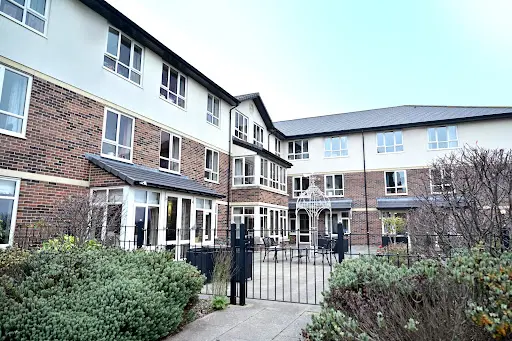
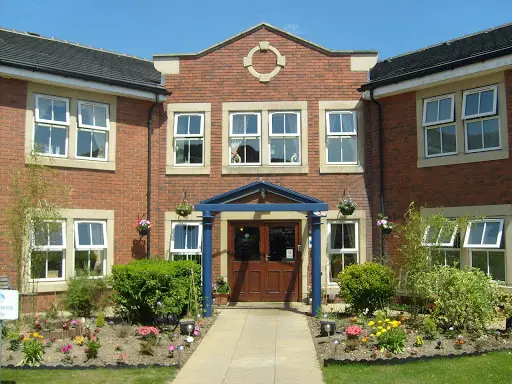
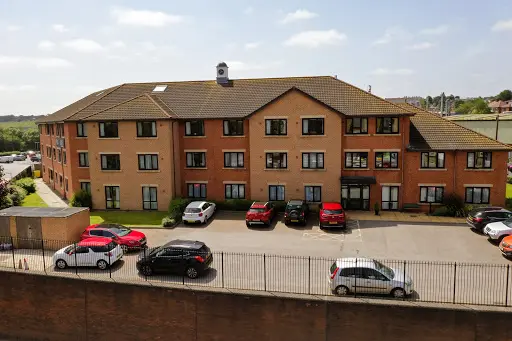
Neville Court Care Home in Kendray, Barnsley – Exemplar Health Care
At a Glance
The information you need to decide whether this home warrants a closer look.
Nursing homes
Staff warmth score
of reviewers answered yes
Good to know
- Registered beds20
- SpecialismsCaring for adults over 65 yrs, Caring for adults under 65 yrs, Dementia, Mental health conditions, Physical disabilities
- Last inspected2018-01-12
Save Neville Court Care Home in Kendray, Barnsley – Exemplar Health Care to your shortlist
Keep a running list, add visit notes, and compare homes side-by-side. Free account — it takes a minute.
STAGE 4 — RESEARCHING CARE HOMES
Visit homes. Compare them side by side. Choose with confidence.
Most of us will view care homes the way we view houses, impression, atmosphere, the feeling in the corridor. We go home, try to remember what we saw, and make a permanent decision from a blurred memory.

The DCC shortlist gives every home you visit a structured record: the same twelve questions, answered the same way, every time. When you’re ready to choose, pull any two homes side by side and compare them directly. Same criteria, same evidence, your notes and your scores.
The Evidence
What the review data, the inspection reports, and the dementia-care evidence base tell us about this home.
What families say
What strikes families most is seeing their loved ones settled and well cared for. Partners visiting residents speak about the confidence that comes from knowing the staff understand Huntington's inside out — not just the medical side, but the daily realities of living with it.
The eight family priority themes
- Staff warmth72
- Compassion & dignity72
- Cleanliness68
- Activities & engagement60
- Food quality60
- Healthcare68
- Management & leadership70
- Resident happiness68
What inspectors found
Inspected 2018-01-12
Is this home safe?
Is the care effective?
Neville Court was rated Good for Effective at its November 2017 inspection. This domain covers training, care planning, healthcare access, and nutrition. A Good rating suggests inspectors found these areas to be satisfactory, but the published text contains no specific detail about dementia training content, care plan quality, GP access frequency, or food provision. The home lists dementia as a specialism, which carries an expectation of staff trained in dementia-specific approaches.Is this home caring?
Neville Court was rated Good for Caring at its November 2017 inspection. This domain covers staff warmth, dignity, respect, and whether people retain independence. A Good rating means inspectors were satisfied with what they observed, but no specific inspector observations, resident quotes, or relative testimonials were included in the published report text. Staff warmth and compassion are the two highest-weighted themes in DCC family review data.Is the home responsive?
Neville Court was rated Good for Responsive at its November 2017 inspection. This domain covers activities, individual engagement, and how well the home adapts to each person's needs. No detail about the activities programme, its frequency, or whether one-to-one engagement is available for people who cannot join group activities was included in the published report text. The home supports people with a range of conditions, including dementia and mental health conditions, which means a varied and individually tailored activities offer is particularly important.Is the home well-led?
Neville Court was rated Good for Well-led at its November 2017 inspection. A named registered manager, Ms Samantha Readman, and a named nominated individual, Ms Selina Wall, were recorded at the time of inspection, indicating a formal leadership structure. No detail about manager visibility, staff culture, governance processes, or how the home uses feedback to improve was included in the published report text. Leadership stability is one of the strongest predictors of care quality over time.
Source: CQC inspection report →
What the evidence base says
The home cares for people with Huntington's disease, dementia and other mental health conditions, as well as younger adults under 65 with physical disabilities. Alongside their Huntington's expertise, the team supports residents living with dementia, bringing the same specialist approach to understanding each person's unique needs. All areas worth probing directly during a visit.
The DCC Verdict
Our editorial view, built from the three lenses: what families tell us, what inspectors record, and how the home sits against good dementia-care practice.
DCC Family Score
Neville Court received a Good rating across all five inspection domains in November 2017, which is a positive baseline. However, the published inspection text contains very limited detail, so most scores reflect the rating itself rather than specific observed evidence.
Homes in Yorkshire & Humberside typically score 68–82.The three-lens summary
What families tell us
What strikes families most is seeing their loved ones settled and well cared for. Partners visiting residents speak about the confidence that comes from knowing the staff understand Huntington's inside out — not just the medical side, but the daily realities of living with it.
What inspectors have recorded
The staff here work incredibly hard, and families recognise this. While some worry about whether the team are stretched too thin, what comes through clearly is their genuine commitment to residents despite the pressures they face.
How it sits against good practice
For families navigating Huntington's, finding somewhere with real experience of the condition can feel like a weight lifting.
Worth a visit
Neville Court, on Neville Avenue in Barnsley, was rated Good across all five inspection domains following a visit in November 2017. The home supports up to 20 people and specialises in dementia, mental health conditions, physical disabilities, and nursing care for both older and younger adults. A Good rating across every domain is a positive baseline and suggests that, at the time of inspection, the home met the required standard in safety, care quality, staffing, responsiveness, and leadership. The key limitation here is that the published inspection text contains very little specific detail. There are no inspector observations, no resident or relative quotes, and no staffing figures in the available findings. This means the Good rating cannot be fully contextualised. Equally, the inspection took place in November 2017, which is now several years ago, and much can change in a care home over that period, including staff, management, and culture. Before making any decision, visit in person, ask to see the current staffing rota, speak to the registered manager about what has changed since the inspection, and request the most recent feedback from families.
The three questions to ask when you visitSave this home. Compare it against your shortlist.
Let our analysis show you how Neville Court Care Home in Kendray, Barnsley – Exemplar Health Care measures up against the other homes you’re considering. Free account.
In Their Own Words
How Neville Court Care Home in Kendray, Barnsley – Exemplar Health Care describes itself — collected from its own website. DCC has not edited or independently verified the content in this tab.
Specialist Huntington's care where families find genuine expertise
Neville Court – Expert Care in Barnsley
When someone you love has Huntington's disease, finding the right care feels almost impossible. Neville Court in Barnsley has quietly built something rare — real understanding of this complex condition. Families talk about finally feeling their relatives are with people who truly know what they're dealing with.
Who they care for
The home cares for people with Huntington's disease, dementia and other mental health conditions, as well as younger adults under 65 with physical disabilities.
Alongside their Huntington's expertise, the team supports residents living with dementia, bringing the same specialist approach to understanding each person's unique needs.
“For families navigating Huntington's, finding somewhere with real experience of the condition can feel like a weight lifting.”
DCC does not edit or curate content in this tab. For independently curated information, see The Evidence and DCC Verdict.
The DCC Verdict
Our editorial view, built from the three lenses: what families tell us, what inspectors record, and how the home sits against good dementia-care practice.
DCC Family Score
Neville Court received a Good rating across all five inspection domains in November 2017, which is a positive baseline. However, the published inspection text contains very limited detail, so most scores reflect the rating itself rather than specific observed evidence.
Homes in Yorkshire & Humberside typically score 68–82.The three-lens summary
What families tell us
What strikes families most is seeing their loved ones settled and well cared for. Partners visiting residents speak about the confidence that comes from knowing the staff understand Huntington's inside out — not just the medical side, but the daily realities of living with it.
What inspectors have recorded
The staff here work incredibly hard, and families recognise this. While some worry about whether the team are stretched too thin, what comes through clearly is their genuine commitment to residents despite the pressures they face.
How it sits against good practice
For families navigating Huntington's, finding somewhere with real experience of the condition can feel like a weight lifting.
Worth a visit
Neville Court, on Neville Avenue in Barnsley, was rated Good across all five inspection domains following a visit in November 2017. The home supports up to 20 people and specialises in dementia, mental health conditions, physical disabilities, and nursing care for both older and younger adults. A Good rating across every domain is a positive baseline and suggests that, at the time of inspection, the home met the required standard in safety, care quality, staffing, responsiveness, and leadership. The key limitation here is that the published inspection text contains very little specific detail. There are no inspector observations, no resident or relative quotes, and no staffing figures in the available findings. This means the Good rating cannot be fully contextualised. Equally, the inspection took place in November 2017, which is now several years ago, and much can change in a care home over that period, including staff, management, and culture. Before making any decision, visit in person, ask to see the current staffing rota, speak to the registered manager about what has changed since the inspection, and request the most recent feedback from families.
The three questions to ask when you visitSave this home. Compare it against your shortlist.
Let our analysis show you how Neville Court Care Home in Kendray, Barnsley – Exemplar Health Care measures up against the other homes you’re considering. Free account.
In Their Own Words
How Neville Court Care Home in Kendray, Barnsley – Exemplar Health Care describes itself — collected from its own website. DCC has not edited or independently verified the content in this tab.
Specialist Huntington's care where families find genuine expertise
Neville Court – Expert Care in Barnsley
When someone you love has Huntington's disease, finding the right care feels almost impossible. Neville Court in Barnsley has quietly built something rare — real understanding of this complex condition. Families talk about finally feeling their relatives are with people who truly know what they're dealing with.
Who they care for
The home cares for people with Huntington's disease, dementia and other mental health conditions, as well as younger adults under 65 with physical disabilities.
Alongside their Huntington's expertise, the team supports residents living with dementia, bringing the same specialist approach to understanding each person's unique needs.
Management & ethos
The staff here work incredibly hard, and families recognise this. While some worry about whether the team are stretched too thin, what comes through clearly is their genuine commitment to residents despite the pressures they face.
“For families navigating Huntington's, finding somewhere with real experience of the condition can feel like a weight lifting.”
DCC does not edit or curate content in this tab. For independently curated information, see The Evidence and DCC Verdict.