MHA Mapplewell Manor – Residential & Dementia Care Home
At a Glance
The information you need to decide whether this home warrants a closer look.
Residential homes
Staff warmth score
of reviewers answered yes
Good to know
- Registered beds87
- SpecialismsCaring for adults over 65 yrs, Caring for adults under 65 yrs, Dementia, Physical disabilities, Sensory impairment
- Last inspected2020-02-14
Save MHA Mapplewell Manor – Residential & Dementia Care Home to your shortlist
Keep a running list, add visit notes, and compare homes side-by-side. Free account — it takes a minute.
STAGE 4 — RESEARCHING CARE HOMES
Visit homes. Compare them side by side. Choose with confidence.
Most of us will view care homes the way we view houses, impression, atmosphere, the feeling in the corridor. We go home, try to remember what we saw, and make a permanent decision from a blurred memory.

The DCC shortlist gives every home you visit a structured record: the same twelve questions, answered the same way, every time. When you’re ready to choose, pull any two homes side by side and compare them directly. Same criteria, same evidence, your notes and your scores.
The Evidence
What the review data, the inspection reports, and the dementia-care evidence base tell us about this home.
What families say
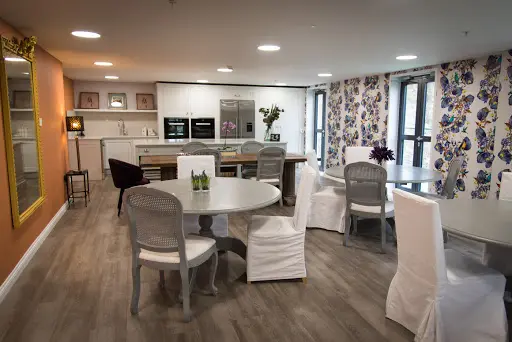
Families describe a place where staff go out of their way to help residents feel comfortable and valued. Whether it's supporting someone to look their best for a family wedding or simply taking time for a friendly chat, the team here seems to understand that small gestures matter. The atmosphere feels genuinely welcoming, with residents forming friendships and enjoying the bright, airy spaces throughout the home.
The eight family priority themes
- Staff warmth85
- Compassion & dignity88
- Cleanliness72
- Activities & engagement82
- Food quality65
- Healthcare70
- Management & leadership85
- Resident happiness80
What inspectors found
Inspected 2020-02-14
Is this home safe?
Is the care effective?
The effective domain was rated Good at the February 2021 inspection. This covers training, care planning, healthcare access, and food quality. The home lists dementia as a specialism alongside physical disabilities and sensory impairment, which requires staff to hold a range of skills. A Good rating here means inspectors were satisfied with standards but did not find the exceptional, specific evidence needed to award Outstanding. The published text does not describe training content, care plan detail, or food provision.Is this home caring?
Caring was rated Outstanding at the February 2021 inspection. This is the highest possible rating and covers staff warmth, dignity, respect, and how well the home supports residents' independence and sense of self. An Outstanding caring rating is awarded to fewer than one in ten care homes inspected and requires specific, observed evidence of exceptional interactions, not just compliance with care standards. The published text does not include quotes from residents or relatives, so the specific behaviours that earned this rating are not available in the published findings.Is the home responsive?
Responsive was rated Outstanding at the February 2021 inspection. This domain covers activities, engagement, individuality, and end-of-life care. An Outstanding responsive rating means inspectors found that the home was going beyond standard provision to tailor care and daily life to the people who live there. The home supports residents with dementia, physical disabilities, and sensory impairment, which makes truly individualised responsiveness more complex and more important. The published text does not describe specific activities, individual engagement approaches, or end-of-life planning processes.Is the home well-led?
Well-led was rated Outstanding at the February 2021 inspection. This domain covers the quality of management, staff culture, governance, and how the home learns and improves. The home is run by Methodist Homes, a national not-for-profit provider, with a named registered manager and a nominated individual both recorded at the time of inspection. An Outstanding well-led rating requires specific evidence of a positive, open culture where staff feel supported and heard, and where problems are identified and acted on rather than hidden. The published text does not describe specific governance processes or management style.
Source: CQC inspection report →
What the evidence base says
Mapplewell Manor welcomes residents with various care needs, including younger adults with physical disabilities and those living with sensory impairments. The home provides specialist dementia care alongside general support for over-65s. For residents living with dementia, the bright, modern environment and consistent staff presence create a reassuring setting. The team's patient, dignified approach seems particularly valued by families navigating this challenging journey. All areas worth probing directly during a visit.
The DCC Verdict
Our editorial view, built from the three lenses: what families tell us, what inspectors record, and how the home sits against good dementia-care practice.
DCC Family Score
Mapplewell Manor scores 81 out of 100, reflecting Outstanding ratings in caring, responsiveness, and leadership, tempered by the fact that the inspection took place in February 2021 and specific detail across several family priorities is limited in the published findings.
Homes in Yorkshire & Humberside typically score 68–82.The three-lens summary
What families tell us
Families describe a place where staff go out of their way to help residents feel comfortable and valued. Whether it's supporting someone to look their best for a family wedding or simply taking time for a friendly chat, the team here seems to understand that small gestures matter. The atmosphere feels genuinely welcoming, with residents forming friendships and enjoying the bright, airy spaces throughout the home.
What inspectors have recorded
The care team earns particular praise for their compassionate approach, especially when supporting residents through end-of-life care. Families speak of staff who treat their loved ones with genuine respect and extend that same kindness to visiting relatives. However, some families have experienced challenges reaching management during the initial enquiry stage, which is worth bearing in mind when first making contact.
How it sits against good practice
While getting through to the right person might take persistence initially, families who've experienced the day-to-day care here speak of a team that truly understands what matters most.
Worth a visit
Mapplewell Manor in Barnsley was rated Outstanding overall at its inspection in February 2021, placing it among a small minority of care homes in England to reach this standard. Inspectors rated caring, responsiveness, and leadership as Outstanding, with safe and effective rated Good. The home is run by Methodist Homes, a large not-for-profit provider with a long track record, and has a named registered manager and nominated individual in post. The main caution for families is that this inspection took place in February 2021, now over four years ago. The rating was reviewed in July 2023 and no evidence was found to reassess it, which is a positive signal, but it does not replace a full inspection. The published findings give very little specific detail: no quotes from residents or relatives, no staffing numbers, no description of daily life. Before visiting, ask the home for its most recent quality report, last month's staffing rota showing permanent versus agency cover, and how it has changed since early 2021. Then walk the corridors at a mealtime and watch how staff interact with the people living there.
The three questions to ask when you visitSave this home. Compare it against your shortlist.
Let our analysis show you how MHA Mapplewell Manor – Residential & Dementia Care Home measures up against the other homes you’re considering. Free account.
In Their Own Words
How MHA Mapplewell Manor – Residential & Dementia Care Home describes itself — collected from its own website. DCC has not edited or independently verified the content in this tab.
Where kindness meets quality in a bright modern setting
Compassionate Care in Barnsley at Mapplewell Manor
When families talk about Mapplewell Manor in Barnsley, they speak of staff who genuinely care and facilities that feel fresh and welcoming. This modern care home has built a reputation for treating residents with real warmth and dignity, particularly during life's most difficult moments. While the care itself draws consistent praise, some families have found the admission process could be smoother.
Who they care for
Mapplewell Manor welcomes residents with various care needs, including younger adults with physical disabilities and those living with sensory impairments. The home provides specialist dementia care alongside general support for over-65s.
For residents living with dementia, the bright, modern environment and consistent staff presence create a reassuring setting. The team's patient, dignified approach seems particularly valued by families navigating this challenging journey.
“While getting through to the right person might take persistence initially, families who've experienced the day-to-day care here speak of a team that truly understands what matters most.”
DCC does not edit or curate content in this tab. For independently curated information, see The Evidence and DCC Verdict.
The DCC Verdict
Our editorial view, built from the three lenses: what families tell us, what inspectors record, and how the home sits against good dementia-care practice.
DCC Family Score
Mapplewell Manor scores 81 out of 100, reflecting Outstanding ratings in caring, responsiveness, and leadership, tempered by the fact that the inspection took place in February 2021 and specific detail across several family priorities is limited in the published findings.
Homes in Yorkshire & Humberside typically score 68–82.The three-lens summary
What families tell us
Families describe a place where staff go out of their way to help residents feel comfortable and valued. Whether it's supporting someone to look their best for a family wedding or simply taking time for a friendly chat, the team here seems to understand that small gestures matter. The atmosphere feels genuinely welcoming, with residents forming friendships and enjoying the bright, airy spaces throughout the home.
What inspectors have recorded
The care team earns particular praise for their compassionate approach, especially when supporting residents through end-of-life care. Families speak of staff who treat their loved ones with genuine respect and extend that same kindness to visiting relatives. However, some families have experienced challenges reaching management during the initial enquiry stage, which is worth bearing in mind when first making contact.
How it sits against good practice
While getting through to the right person might take persistence initially, families who've experienced the day-to-day care here speak of a team that truly understands what matters most.
Worth a visit
Mapplewell Manor in Barnsley was rated Outstanding overall at its inspection in February 2021, placing it among a small minority of care homes in England to reach this standard. Inspectors rated caring, responsiveness, and leadership as Outstanding, with safe and effective rated Good. The home is run by Methodist Homes, a large not-for-profit provider with a long track record, and has a named registered manager and nominated individual in post. The main caution for families is that this inspection took place in February 2021, now over four years ago. The rating was reviewed in July 2023 and no evidence was found to reassess it, which is a positive signal, but it does not replace a full inspection. The published findings give very little specific detail: no quotes from residents or relatives, no staffing numbers, no description of daily life. Before visiting, ask the home for its most recent quality report, last month's staffing rota showing permanent versus agency cover, and how it has changed since early 2021. Then walk the corridors at a mealtime and watch how staff interact with the people living there.
The three questions to ask when you visitSave this home. Compare it against your shortlist.
Let our analysis show you how MHA Mapplewell Manor – Residential & Dementia Care Home measures up against the other homes you’re considering. Free account.
In Their Own Words
How MHA Mapplewell Manor – Residential & Dementia Care Home describes itself — collected from its own website. DCC has not edited or independently verified the content in this tab.
Where kindness meets quality in a bright modern setting
Compassionate Care in Barnsley at Mapplewell Manor
When families talk about Mapplewell Manor in Barnsley, they speak of staff who genuinely care and facilities that feel fresh and welcoming. This modern care home has built a reputation for treating residents with real warmth and dignity, particularly during life's most difficult moments. While the care itself draws consistent praise, some families have found the admission process could be smoother.
Who they care for
Mapplewell Manor welcomes residents with various care needs, including younger adults with physical disabilities and those living with sensory impairments. The home provides specialist dementia care alongside general support for over-65s.
For residents living with dementia, the bright, modern environment and consistent staff presence create a reassuring setting. The team's patient, dignified approach seems particularly valued by families navigating this challenging journey.
Management & ethos
The care team earns particular praise for their compassionate approach, especially when supporting residents through end-of-life care. Families speak of staff who treat their loved ones with genuine respect and extend that same kindness to visiting relatives. However, some families have experienced challenges reaching management during the initial enquiry stage, which is worth bearing in mind when first making contact.
The home & environment
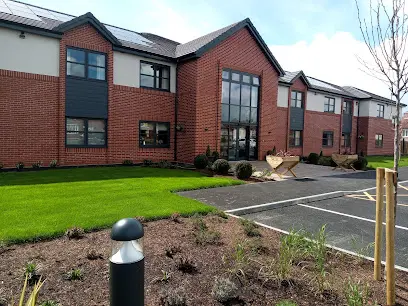
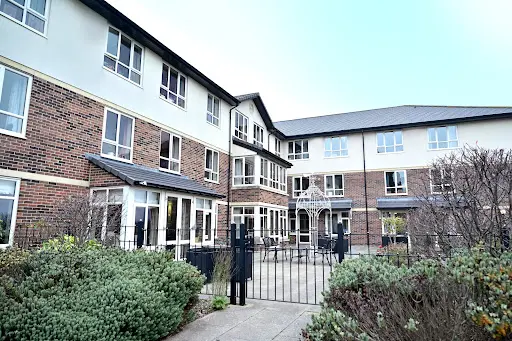
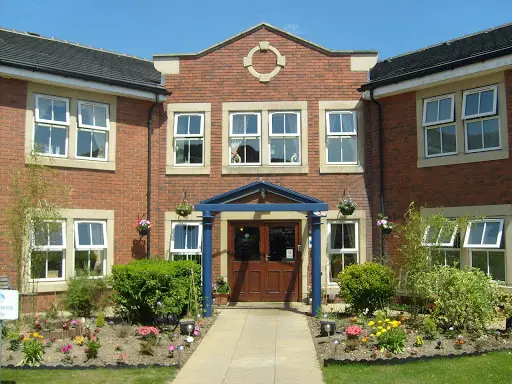
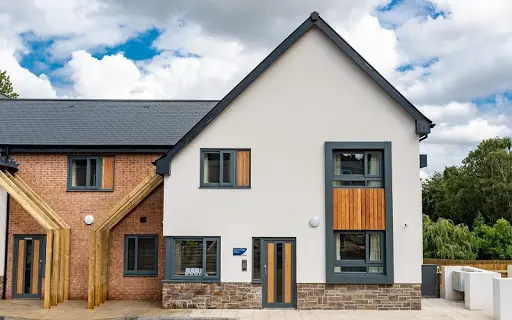
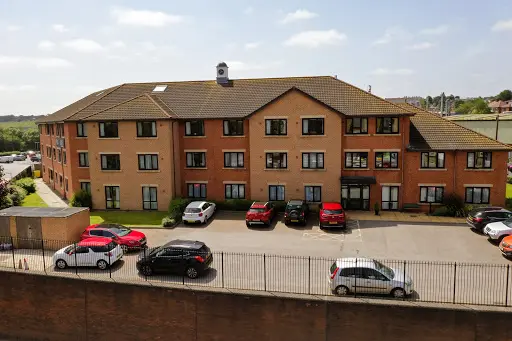
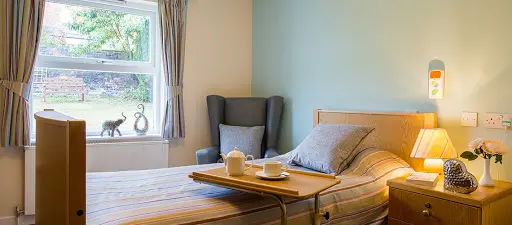
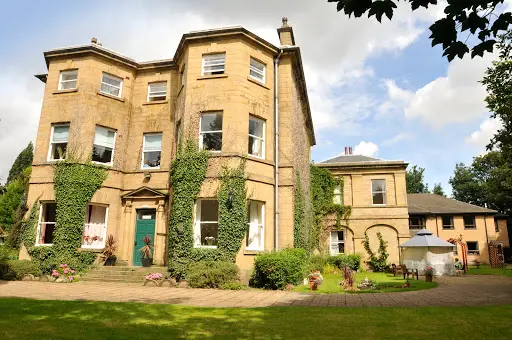
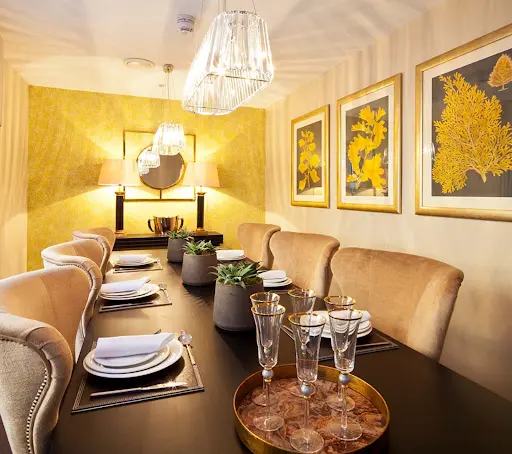
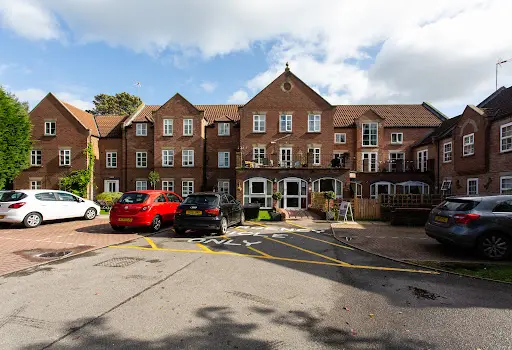
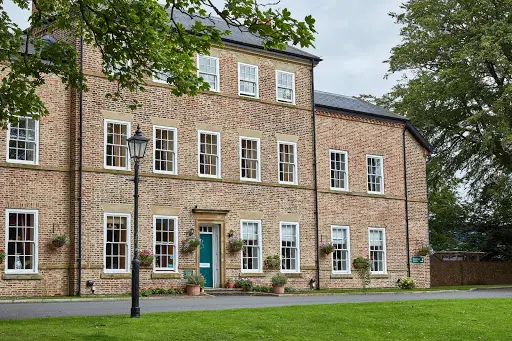
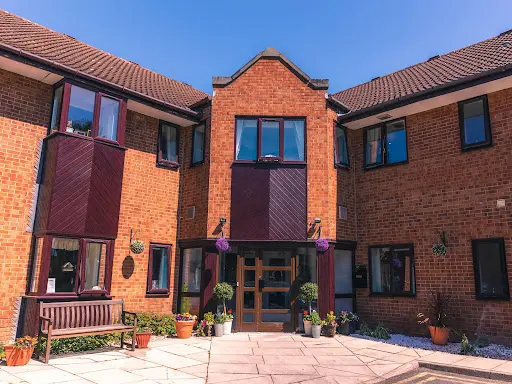
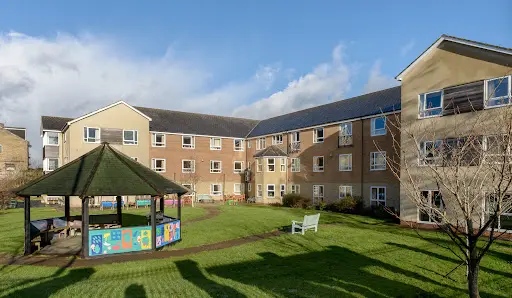
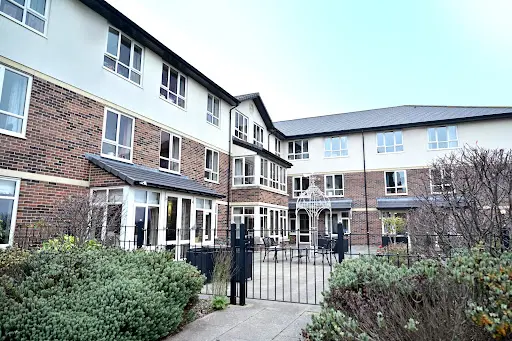
The building itself gets noticed for all the right reasons — modern, well-maintained, and filled with natural light. Families mention enjoying meals here too, with food quality that seems to exceed expectations and special arrangements made when needed.
“While getting through to the right person might take persistence initially, families who've experienced the day-to-day care here speak of a team that truly understands what matters most.”
DCC does not edit or curate content in this tab. For independently curated information, see The Evidence and DCC Verdict.