Lindsay House Care Home in Wigan – Akari Care
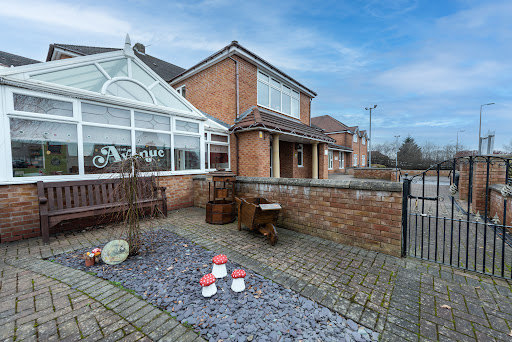
At a Glance
The information you need to decide whether this home warrants a closer look.
Residential homes
Staff warmth score
of reviewers answered yes
Good to know
- Registered beds31
- SpecialismsCaring for adults over 65 yrs, Caring for adults under 65 yrs, Dementia, Mental health conditions, Physical disabilities
- Last inspected2020-01-08
Save Lindsay House Care Home in Wigan – Akari Care to your shortlist
Keep a running list, add visit notes, and compare homes side-by-side. Free account — it takes a minute.
STAGE 4 — RESEARCHING CARE HOMES
Visit homes. Compare them side by side. Choose with confidence.
Most of us will view care homes the way we view houses, impression, atmosphere, the feeling in the corridor. We go home, try to remember what we saw, and make a permanent decision from a blurred memory.

The DCC shortlist gives every home you visit a structured record: the same twelve questions, answered the same way, every time. When you’re ready to choose, pull any two homes side by side and compare them directly. Same criteria, same evidence, your notes and your scores.
The Evidence
What the review data, the inspection reports, and the dementia-care evidence base tell us about this home.
What families say
Families describe walking in and feeling an immediate sense of comfort — the kind of atmosphere that helps put worried minds at rest. Staff are known for their caring, professional approach, with one family particularly moved by how lovingly their relatives were looked after.
The eight family priority themes
- Staff warmth55
- Compassion & dignity55
- Cleanliness55
- Activities & engagement50
- Food quality50
- Healthcare55
- Management & leadership60
- Resident happiness55
What inspectors found
Inspected 2020-01-08
Is this home safe?
Is the care effective?
Effective is rated Good, meaning inspectors were satisfied with how the home translates knowledge into good outcomes for your parent. This domain typically covers training adequacy, care plan quality, GP and specialist access, and nutritional care. Dementia is listed as a specialism, which means the home has declared particular expertise in this area, but the published text does not describe the specific dementia training staff receive or how care plans are personalised. No information about food quality, dietary assessment, or mealtime experience is available in the summary.Is this home caring?
Caring is rated Good. This domain covers how staff interact with your parent day-to-day — warmth, dignity, privacy, and whether your parent's independence is supported. The published summary does not include direct quotes from residents or families recorded during the inspection, and no specific observations of staff interactions are described. The improvement from Requires Improvement to Good across all domains suggests the home's culture has shifted positively, but the evidence available here cannot tell you whether staff know your parent's preferred name, respond calmly to distress, or allow unhurried mealtimes.Is the home responsive?
Responsive is rated Good. This domain covers whether the home tailors its care and daily life to your parent as an individual — activities, preferences, end-of-life planning, and how complaints are handled. The published text does not describe specific activities offered, how the home adapts engagement for people with advanced dementia, or what end-of-life planning looks like in practice. A Good rating in Responsive, combined with dementia as a listed specialism, suggests these areas were deemed satisfactory, but the level of detail available is limited.Is the home well-led?
Well-led is rated Good, with a named registered manager (Mrs Lindsay Jane Craddock) and nominated individual (Miss Karen Harkin) confirmed as leading the service under Akari Care Limited. The improvement from Requires Improvement to Good across all domains — and the sustained Good rating confirmed at a July 2023 review — suggests leadership stability and effective governance. The published text does not describe how the manager is visible to residents and families day-to-day, how staff are supported to raise concerns, or how the home seeks and acts on family feedback.
Source: CQC inspection report →
What the evidence base says
Lindsay House provides care for adults both under and over 65, with particular expertise in dementia, mental health conditions and physical disabilities. The team here understands the complexities of dementia care, providing specialist support as part of their core services. This expertise extends across different age groups, recognising that dementia affects younger people too. All areas worth probing directly during a visit.
The DCC Verdict
Our editorial view, built from the three lenses: what families tell us, what inspectors record, and how the home sits against good dementia-care practice.
DCC Family Score
Lindsay House improved from Requires Improvement to Good across all five domains, which is a meaningful positive trajectory — but the published inspection text available here contains very limited specific detail, so scores reflect that improvement story rather than rich observed evidence.
Homes in North West typically score 68–82.The three-lens summary
What families tell us
Families describe walking in and feeling an immediate sense of comfort — the kind of atmosphere that helps put worried minds at rest. Staff are known for their caring, professional approach, with one family particularly moved by how lovingly their relatives were looked after.
What inspectors have recorded
How it sits against good practice
If you're considering Lindsay House for someone you love, arranging a visit might help you get a feel for the place yourself.
Worth a visit
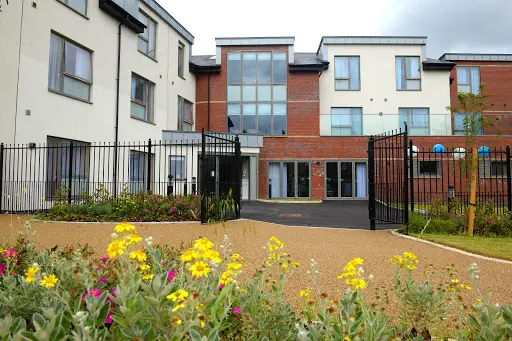
Lindsay House on Parbold Hill, Wigan, holds a Good rating across all five inspection domains — Safe, Effective, Caring, Responsive, and Well-led — following an inspection on 27 May 2021, with a monitoring review in July 2023 confirming no reason to change that rating. Importantly, this represents a genuine improvement from a previous Requires Improvement rating, which suggests the leadership team has made meaningful changes and sustained them. The home is registered for 31 beds and has dementia, mental health conditions, and physical disabilities listed as specialisms, so it has experience supporting people with complex needs. The main limitation here is honest and important for you to know: the full inspection report text available to us contains very limited specific detail — no direct quotes from your parent's potential neighbours or their families, no inspector observations of mealtimes or activities, no specific evidence about night staffing or dementia-environment design. The Good rating is real and the improvement trajectory is encouraging, but you should treat a visit as essential. On that visit, ask specifically: how many permanent staff are on the dementia unit after 8pm, how often are care plans reviewed and will you be included, and can you see the activity timetable for last week rather than a planned one?
The three questions to ask when you visitSave this home. Compare it against your shortlist.
Let our analysis show you how Lindsay House Care Home in Wigan – Akari Care measures up against the other homes you’re considering. Free account.
In Their Own Words
How Lindsay House Care Home in Wigan – Akari Care describes itself — collected from its own website. DCC has not edited or independently verified the content in this tab.
Where comfort feels immediate and care comes naturally
Compassionate Care in Wigan at Lindsay House
There's something reassuring about stepping into Lindsay House in Wigan and feeling instantly at ease. This care home specialises in supporting people of all ages with dementia, mental health conditions and physical disabilities. The sense of warmth here seems to extend beyond just the building itself.
Who they care for
Lindsay House provides care for adults both under and over 65, with particular expertise in dementia, mental health conditions and physical disabilities.
The team here understands the complexities of dementia care, providing specialist support as part of their core services. This expertise extends across different age groups, recognising that dementia affects younger people too.
“If you're considering Lindsay House for someone you love, arranging a visit might help you get a feel for the place yourself.”
DCC does not edit or curate content in this tab. For independently curated information, see The Evidence and DCC Verdict.
The DCC Verdict
Our editorial view, built from the three lenses: what families tell us, what inspectors record, and how the home sits against good dementia-care practice.
DCC Family Score
Lindsay House improved from Requires Improvement to Good across all five domains, which is a meaningful positive trajectory — but the published inspection text available here contains very limited specific detail, so scores reflect that improvement story rather than rich observed evidence.
Homes in North West typically score 68–82.The three-lens summary
What families tell us
Families describe walking in and feeling an immediate sense of comfort — the kind of atmosphere that helps put worried minds at rest. Staff are known for their caring, professional approach, with one family particularly moved by how lovingly their relatives were looked after.
What inspectors have recorded
How it sits against good practice
If you're considering Lindsay House for someone you love, arranging a visit might help you get a feel for the place yourself.
Worth a visit
Lindsay House on Parbold Hill, Wigan, holds a Good rating across all five inspection domains — Safe, Effective, Caring, Responsive, and Well-led — following an inspection on 27 May 2021, with a monitoring review in July 2023 confirming no reason to change that rating. Importantly, this represents a genuine improvement from a previous Requires Improvement rating, which suggests the leadership team has made meaningful changes and sustained them. The home is registered for 31 beds and has dementia, mental health conditions, and physical disabilities listed as specialisms, so it has experience supporting people with complex needs. The main limitation here is honest and important for you to know: the full inspection report text available to us contains very limited specific detail — no direct quotes from your parent's potential neighbours or their families, no inspector observations of mealtimes or activities, no specific evidence about night staffing or dementia-environment design. The Good rating is real and the improvement trajectory is encouraging, but you should treat a visit as essential. On that visit, ask specifically: how many permanent staff are on the dementia unit after 8pm, how often are care plans reviewed and will you be included, and can you see the activity timetable for last week rather than a planned one?
The three questions to ask when you visitSave this home. Compare it against your shortlist.
Let our analysis show you how Lindsay House Care Home in Wigan – Akari Care measures up against the other homes you’re considering. Free account.
In Their Own Words
How Lindsay House Care Home in Wigan – Akari Care describes itself — collected from its own website. DCC has not edited or independently verified the content in this tab.
Where comfort feels immediate and care comes naturally
Compassionate Care in Wigan at Lindsay House
There's something reassuring about stepping into Lindsay House in Wigan and feeling instantly at ease. This care home specialises in supporting people of all ages with dementia, mental health conditions and physical disabilities. The sense of warmth here seems to extend beyond just the building itself.
Who they care for
Lindsay House provides care for adults both under and over 65, with particular expertise in dementia, mental health conditions and physical disabilities.
The team here understands the complexities of dementia care, providing specialist support as part of their core services. This expertise extends across different age groups, recognising that dementia affects younger people too.
The home & environment
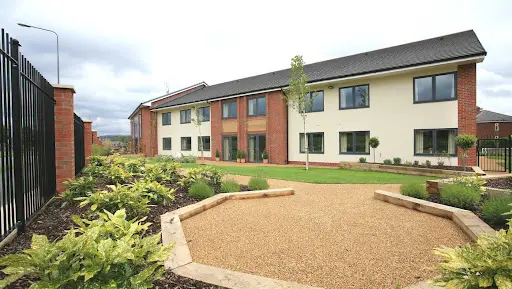
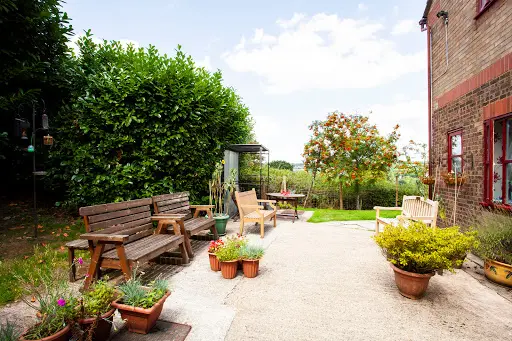
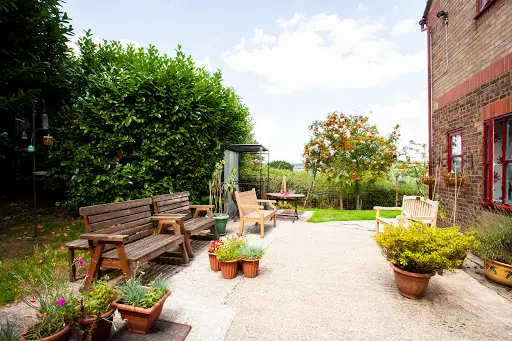
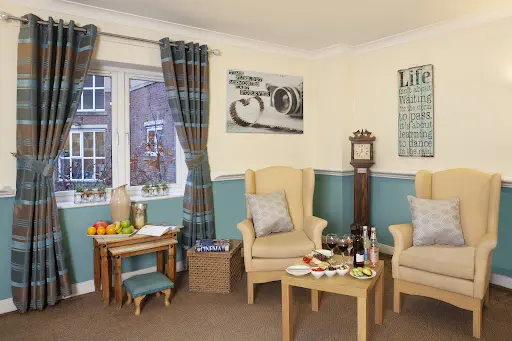
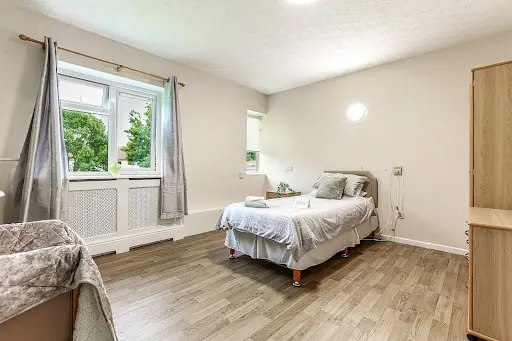
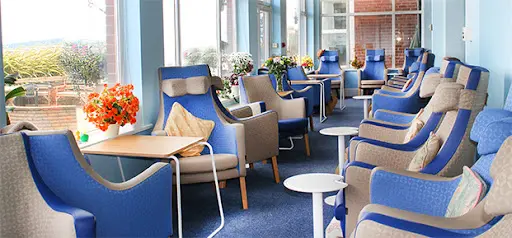
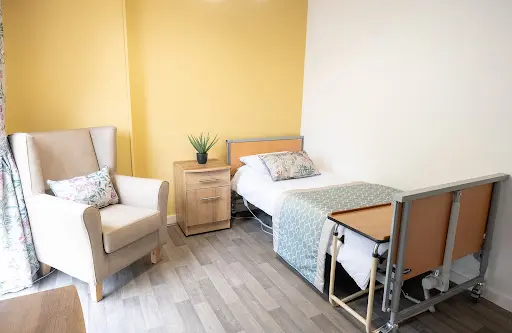
The home maintains a clean, inviting environment throughout. There's often the welcoming smell of home-cooked food drifting through the corridors, suggesting meals are prepared with proper care and attention.
“If you're considering Lindsay House for someone you love, arranging a visit might help you get a feel for the place yourself.”
DCC does not edit or curate content in this tab. For independently curated information, see The Evidence and DCC Verdict.