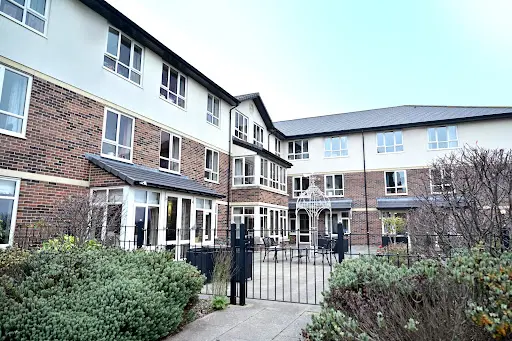
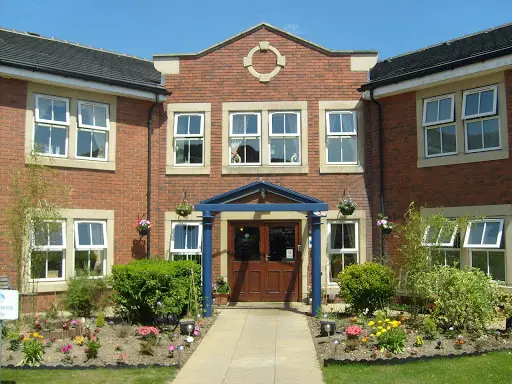
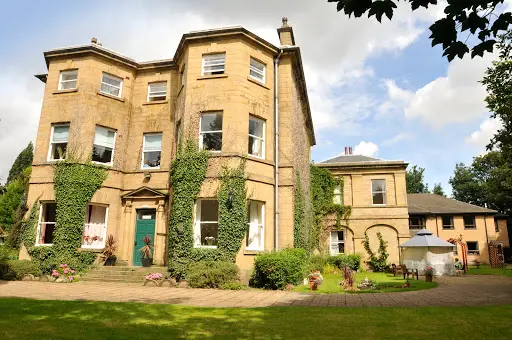
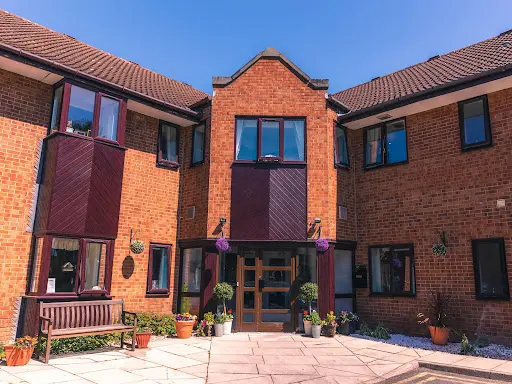
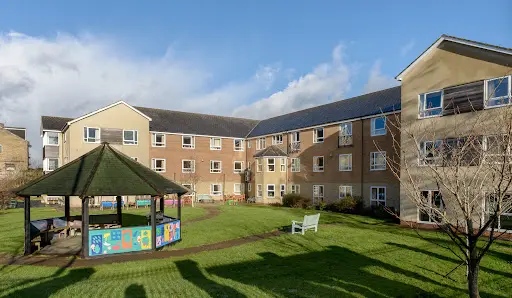
Hoyland Hall Residential Care Home
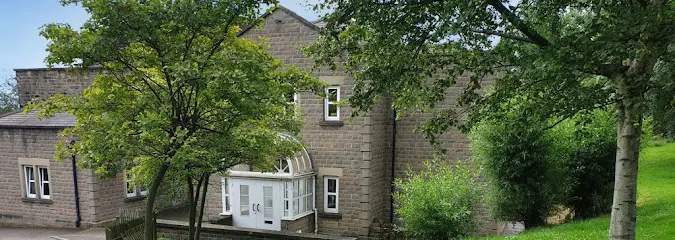
At a Glance
The information you need to decide whether this home warrants a closer look.
Residential homes
Staff warmth score
of reviewers answered yes
Good to know
- Registered beds44
- SpecialismsCaring for adults over 65 yrs, Caring for adults under 65 yrs, Dementia, Learning disabilities, Physical disabilities
- Last inspected2019-04-17
Save Hoyland Hall Residential Care Home to your shortlist
Keep a running list, add visit notes, and compare homes side-by-side. Free account — it takes a minute.
STAGE 4 — RESEARCHING CARE HOMES
Visit homes. Compare them side by side. Choose with confidence.
Most of us will view care homes the way we view houses, impression, atmosphere, the feeling in the corridor. We go home, try to remember what we saw, and make a permanent decision from a blurred memory.

The DCC shortlist gives every home you visit a structured record: the same twelve questions, answered the same way, every time. When you’re ready to choose, pull any two homes side by side and compare them directly. Same criteria, same evidence, your notes and your scores.
The Evidence
What the review data, the inspection reports, and the dementia-care evidence base tell us about this home.
What families say
Families talk about how staff made difficult days more bearable. When residents reach their final stages, the team focuses on comfort and those personal touches that matter — remembering what brings someone peace.
The eight family priority themes
- Staff warmth30
- Compassion & dignity30
- Cleanliness30
- Activities & engagement25
- Food quality25
- Healthcare25
- Management & leadership25
- Resident happiness30
What inspectors found
Inspected 2019-04-17
Is this home safe?
Is the care effective?
Effectiveness was rated Requires Improvement at the February 2026 inspection. This domain covers whether staff have the right training and skills, whether care plans are detailed and kept up to date, whether residents have access to healthcare professionals such as GPs and specialists, and whether nutrition and hydration are well managed. No specific observations about any of these areas are available from the published report text. The home lists dementia as a specialism, which makes the absence of evidence about dementia-specific training particularly notable.Is this home caring?
Caring was rated Requires Improvement at the February 2026 inspection. This domain assesses whether staff treat residents with kindness, compassion, and respect; whether privacy and dignity are upheld during personal care; and whether residents are supported to maintain as much independence as possible. The published report text does not contain any specific inspector observations, resident testimony, or relative feedback about the quality of staff interactions. This absence of detail makes it impossible to give you a reliable picture of day-to-day kindness at this home.Is the home responsive?
Responsiveness was rated Requires Improvement at the February 2026 inspection. This domain covers whether the home provides a varied and meaningful activity programme, whether care is tailored to individual preferences and backgrounds, and whether the home responds well to complaints and end-of-life needs. No specific observations about activities, individual care, or complaints handling are available from the published report. The home supports people with a wide range of needs including dementia and learning disabilities, which requires a particularly flexible and individualised approach to daily life.Is the home well-led?
Leadership was rated Requires Improvement at the February 2026 inspection. This domain assesses whether there is a visible and competent manager in place, whether the home has effective governance systems to monitor and improve quality, whether staff feel supported to raise concerns, and whether the home learns from incidents and complaints. The home has a registered manager, Mrs Gillian Venables, and a nominated individual, Mrs Philippa Jayne Williamson. The home had a previous rating of Requires Improvement, meaning this inspection has not demonstrated improvement to a Good standard. No specific detail about governance, culture, or leadership behaviour is available from the published report text.
Source: CQC inspection report →
What the evidence base says
The home supports adults of all ages with dementia, physical disabilities, and learning disabilities. This mix means they're set up to handle different care needs under one roof. For residents living with dementia, the home provides specialist support alongside their other services. Staff work with the particular challenges dementia brings to daily life. All areas worth probing directly during a visit.
The DCC Verdict
Our editorial view, built from the three lenses: what families tell us, what inspectors record, and how the home sits against good dementia-care practice.
DCC Family Score
Every domain at Hoyland Hall Residential Home was rated Requires Improvement at the most recent inspection in February 2026, meaning inspectors found significant concerns across safety, care quality, leadership, and daily life. This is a low score reflecting the breadth of those concerns, not a single isolated problem.
Homes in Yorkshire & Humberside typically score 68–82.The three-lens summary
What families tell us
Families talk about how staff made difficult days more bearable. When residents reach their final stages, the team focuses on comfort and those personal touches that matter — remembering what brings someone peace.
What inspectors have recorded
Different staff members across the home show the same thoughtful approach. Families mention how various team members each bring their own warmth to daily care, creating consistency that residents can rely on.
How it sits against good practice
Hoyland Hall seems to understand that small gestures count when life gets tough. Worth visiting to see if their approach feels right for your situation.
Worth a visit
Hoyland Hall Residential Home, on Market Street in Barnsley, was rated Requires Improvement across all five inspection domains at its most recent assessment on 10 February 2026, with the report published in April 2026. This is a significant concern: no domain was found to be Good or Outstanding, meaning inspectors identified shortcomings in safety, the effectiveness of care, the quality of staff interactions, how the home responds to individual needs, and leadership. The home had previously been rated Requires Improvement and has not demonstrated improvement to a Good standard. The published report provides very little specific detail about what inspectors observed on the day, which means it is not possible to give you a clear picture of daily life for your mum or dad at this home. Because evidence is so limited, almost every item on the standard verification checklist falls into the category of things you will need to ask or observe yourself. Before considering this home, request a copy of the full inspection report from the regulator, ask the manager directly what actions have been taken since February 2026 to address the findings, and visit at an unannounced or short-notice time so you can observe staff interactions, the state of the building, and how residents are spending their day.
The three questions to ask when you visitSave this home. Compare it against your shortlist.
Let our analysis show you how Hoyland Hall Residential Care Home measures up against the other homes you’re considering. Free account.
In Their Own Words
How Hoyland Hall Residential Care Home describes itself — collected from its own website. DCC has not edited or independently verified the content in this tab.
Where comfort and kindness matter most in difficult times
Hoyland Hall Residential Home – Expert Care in Barnsley
When families face the hardest moments, finding the right support makes all the difference. Hoyland Hall Residential Home in Barnsley offers residential care that families describe as genuinely attentive. The home provides specialist support for people with dementia, physical disabilities, and learning disabilities, welcoming both younger and older adults who need extra help.
Who they care for
The home supports adults of all ages with dementia, physical disabilities, and learning disabilities. This mix means they're set up to handle different care needs under one roof.
For residents living with dementia, the home provides specialist support alongside their other services. Staff work with the particular challenges dementia brings to daily life.
“Hoyland Hall seems to understand that small gestures count when life gets tough. Worth visiting to see if their approach feels right for your situation.”
DCC does not edit or curate content in this tab. For independently curated information, see The Evidence and DCC Verdict.
The DCC Verdict
Our editorial view, built from the three lenses: what families tell us, what inspectors record, and how the home sits against good dementia-care practice.
DCC Family Score
Every domain at Hoyland Hall Residential Home was rated Requires Improvement at the most recent inspection in February 2026, meaning inspectors found significant concerns across safety, care quality, leadership, and daily life. This is a low score reflecting the breadth of those concerns, not a single isolated problem.
Homes in Yorkshire & Humberside typically score 68–82.The three-lens summary
What families tell us
Families talk about how staff made difficult days more bearable. When residents reach their final stages, the team focuses on comfort and those personal touches that matter — remembering what brings someone peace.
What inspectors have recorded
Different staff members across the home show the same thoughtful approach. Families mention how various team members each bring their own warmth to daily care, creating consistency that residents can rely on.
How it sits against good practice
Hoyland Hall seems to understand that small gestures count when life gets tough. Worth visiting to see if their approach feels right for your situation.
Worth a visit
Hoyland Hall Residential Home, on Market Street in Barnsley, was rated Requires Improvement across all five inspection domains at its most recent assessment on 10 February 2026, with the report published in April 2026. This is a significant concern: no domain was found to be Good or Outstanding, meaning inspectors identified shortcomings in safety, the effectiveness of care, the quality of staff interactions, how the home responds to individual needs, and leadership. The home had previously been rated Requires Improvement and has not demonstrated improvement to a Good standard. The published report provides very little specific detail about what inspectors observed on the day, which means it is not possible to give you a clear picture of daily life for your mum or dad at this home. Because evidence is so limited, almost every item on the standard verification checklist falls into the category of things you will need to ask or observe yourself. Before considering this home, request a copy of the full inspection report from the regulator, ask the manager directly what actions have been taken since February 2026 to address the findings, and visit at an unannounced or short-notice time so you can observe staff interactions, the state of the building, and how residents are spending their day.
The three questions to ask when you visitSave this home. Compare it against your shortlist.
Let our analysis show you how Hoyland Hall Residential Care Home measures up against the other homes you’re considering. Free account.
In Their Own Words
How Hoyland Hall Residential Care Home describes itself — collected from its own website. DCC has not edited or independently verified the content in this tab.
Where comfort and kindness matter most in difficult times
Hoyland Hall Residential Home – Expert Care in Barnsley
When families face the hardest moments, finding the right support makes all the difference. Hoyland Hall Residential Home in Barnsley offers residential care that families describe as genuinely attentive. The home provides specialist support for people with dementia, physical disabilities, and learning disabilities, welcoming both younger and older adults who need extra help.
Who they care for
The home supports adults of all ages with dementia, physical disabilities, and learning disabilities. This mix means they're set up to handle different care needs under one roof.
For residents living with dementia, the home provides specialist support alongside their other services. Staff work with the particular challenges dementia brings to daily life.
Management & ethos
Different staff members across the home show the same thoughtful approach. Families mention how various team members each bring their own warmth to daily care, creating consistency that residents can rely on.
“Hoyland Hall seems to understand that small gestures count when life gets tough. Worth visiting to see if their approach feels right for your situation.”
DCC does not edit or curate content in this tab. For independently curated information, see The Evidence and DCC Verdict.