Hallmark Admiral Court Luxury Care Home

At a Glance
The information you need to decide whether this home warrants a closer look.
Nursing homes
Staff warmth score
of reviewers answered yes
Good to know
- Registered beds60
- SpecialismsCaring for adults over 65 yrs, Caring for adults under 65 yrs, Dementia, Mental health conditions, Sensory impairment
- Last inspected2020-04-04
Save Hallmark Admiral Court Luxury Care Home to your shortlist
Keep a running list, add visit notes, and compare homes side-by-side. Free account — it takes a minute.
STAGE 4 — RESEARCHING CARE HOMES
Visit homes. Compare them side by side. Choose with confidence.
Most of us will view care homes the way we view houses, impression, atmosphere, the feeling in the corridor. We go home, try to remember what we saw, and make a permanent decision from a blurred memory.

The DCC shortlist gives every home you visit a structured record: the same twelve questions, answered the same way, every time. When you’re ready to choose, pull any two homes side by side and compare them directly. Same criteria, same evidence, your notes and your scores.
The Evidence
What the review data, the inspection reports, and the dementia-care evidence base tell us about this home.
What families say
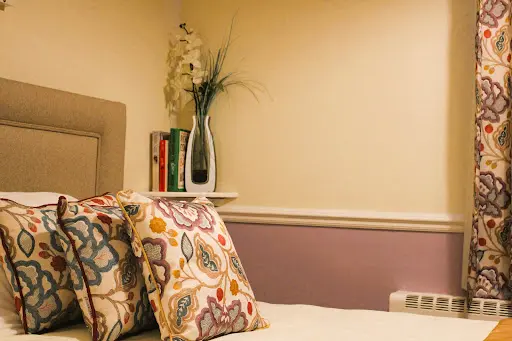
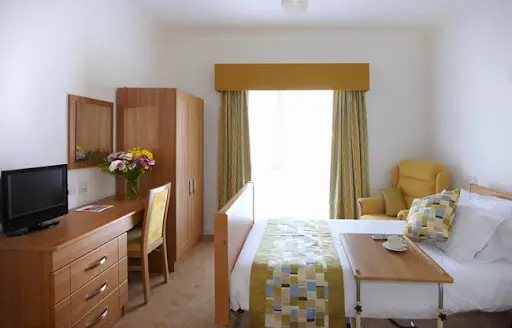
Visitors often mention feeling instantly comfortable, with thoughtful touches setting the tone from arrival. The atmosphere families describe combines professional care with genuine warmth, where residents participate in arts, music and exercise programmes that keep them engaged with life. Staff appear to understand that small gestures matter — fresh flowers in rooms, time to chat, remembering individual preferences.
The eight family priority themes
- Staff warmth88
- Compassion & dignity90
- Cleanliness75
- Activities & engagement85
- Food quality72
- Healthcare85
- Management & leadership90
- Resident happiness82
What inspectors found
Inspected 2020-04-04
Is this home safe?
Is the care effective?
The effective domain was rated Outstanding at the June 2021 inspection. This is the highest possible rating and indicates inspectors found strong evidence that staff know what they are doing, care plans are meaningful, and healthcare access is well managed. The published summary does not include specific detail on training content, care plan review frequency, or how GP and specialist access is arranged. The rating itself is a strong positive signal.Is this home caring?
The caring domain was rated Outstanding at the June 2021 inspection. This is the highest possible rating and covers warmth, dignity, respect, and how well staff treat people as individuals. An Outstanding caring rating means inspectors found clear, specific evidence of genuine kindness rather than procedural compliance. The published summary does not reproduce the specific observations that led to this rating, but the rating itself is the strongest available signal from official inspection findings.Is the home responsive?
The responsive domain was rated Outstanding at the June 2021 inspection. This domain covers whether the home tailors its care to individual people, whether activities are meaningful and varied, and whether end-of-life care is handled with sensitivity. An Outstanding rating here means inspectors found evidence that the home goes beyond a standard activity programme and treats each person's preferences and history as genuinely important. The published summary does not include specific examples of activity provision or individual care approaches.Is the home well-led?
The well-led domain was rated Outstanding at the June 2021 inspection. A named registered manager, Jessica Louise Davies, and a nominated individual, Aneurin Brown, are both recorded in the inspection findings, indicating clear lines of accountability. An Outstanding well-led rating means inspectors found a management team that is visible, responsive to staff concerns, and driving continuous improvement rather than simply maintaining compliance. The home is part of the Hallmark Care Homes group.
Source: CQC inspection report →
What the evidence base says
Admiral Court provides specialist support for sensory impairments, mental health conditions and dementia, alongside general care for adults over and under 65. This mix creates a community where different needs are understood and supported through appropriate care planning. Families caring for someone with dementia describe staff who maintain residents' dignity while managing the challenges of cognitive decline. The approach appears to balance necessary support with preserving independence wherever possible. All areas worth probing directly during a visit.
The DCC Verdict
Our editorial view, built from the three lenses: what families tell us, what inspectors record, and how the home sits against good dementia-care practice.
DCC Family Score
Hallmark Admiral Court achieved Outstanding overall, with four of five domains rated Outstanding by inspectors. The Family Score of 82 reflects strong evidence of warm, person-centred care and confident leadership, tempered by limited published detail on specific areas like cleanliness, food choice, and night staffing that matter deeply to families.
Homes in East typically score 68–82.The three-lens summary
What families tell us
Visitors often mention feeling instantly comfortable, with thoughtful touches setting the tone from arrival. The atmosphere families describe combines professional care with genuine warmth, where residents participate in arts, music and exercise programmes that keep them engaged with life. Staff appear to understand that small gestures matter — fresh flowers in rooms, time to chat, remembering individual preferences.
What inspectors have recorded
Staff work under clear pressure but families consistently describe them finding time for what matters — whether that's enabling frequent visits, supporting special occasions, or providing compassionate end-of-life care. Communication with families appears proactive, particularly around health changes and medication. While one account raised concerns about workplace dynamics, the overwhelming pattern shows staff who understand their responsibility to vulnerable residents.
How it sits against good practice
For families facing difficult decisions about care, Admiral Court offers a setting where life continues rather than stops — with proper support wrapped around familiar pleasures and freedoms.
Worth a visit
Hallmark Admiral Court Luxury Care Home in Leigh-on-Sea was rated Outstanding at its inspection in June 2021, an improvement from its previous Good rating. Four of the five inspection domains, covering what staff know and do, how kind they are, how well they respond to individual needs, and how the home is led, were all rated Outstanding. The safe domain was rated Good. The home is run by Hallmark Care Homes and has a named registered manager in post. The published inspection report provides limited specific detail about what inspectors observed day to day, which makes it harder to translate the Outstanding rating into concrete reassurance for you as a family. The rating is from 2021 and was reviewed in July 2023 without a full re-inspection, so some things may have changed. On a visit, focus on what you can see for yourself: how staff speak to the people who live there, whether your parent would be known as an individual rather than a room number, and whether the pace feels unhurried. Ask the manager specifically about night staffing ratios, how much of last month's cover was agency staff, and what one-to-one activity looks like for someone who cannot join a group.
The three questions to ask when you visitSave this home. Compare it against your shortlist.
Let our analysis show you how Hallmark Admiral Court Luxury Care Home measures up against the other homes you’re considering. Free account.
In Their Own Words
How Hallmark Admiral Court Luxury Care Home describes itself — collected from its own website. DCC has not edited or independently verified the content in this tab.
Where daily life continues with dignity and genuine warmth
Dedicated nursing home,residential home Support in Leigh On Sea
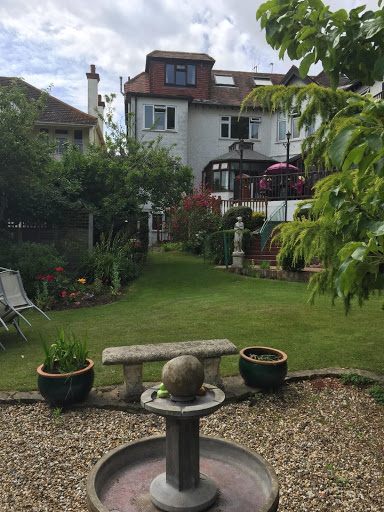
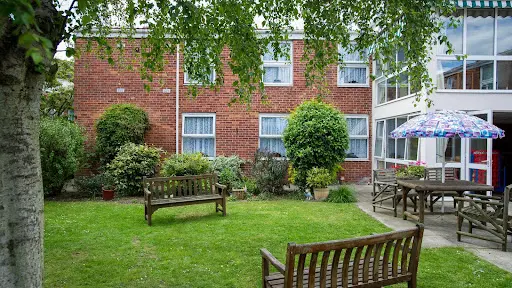
When families describe watching their loved ones enjoy afternoon tea in spotless lounges, or tending garden beds with attentive staff nearby, you sense what matters at Admiral Court in Leigh On Sea. The care here seems to flow from understanding that residents deserve both excellent support and continued independence. Families particularly value how staff enable residents to maintain their routines — whether that's regular shopping trips, walks by the seafront, or simply choosing when to join in activities.
Who they care for
Admiral Court provides specialist support for sensory impairments, mental health conditions and dementia, alongside general care for adults over and under 65. This mix creates a community where different needs are understood and supported through appropriate care planning.
Families caring for someone with dementia describe staff who maintain residents' dignity while managing the challenges of cognitive decline. The approach appears to balance necessary support with preserving independence wherever possible.
“For families facing difficult decisions about care, Admiral Court offers a setting where life continues rather than stops — with proper support wrapped around familiar pleasures and freedoms.”
DCC does not edit or curate content in this tab. For independently curated information, see The Evidence and DCC Verdict.
The DCC Verdict
Our editorial view, built from the three lenses: what families tell us, what inspectors record, and how the home sits against good dementia-care practice.
DCC Family Score
Hallmark Admiral Court achieved Outstanding overall, with four of five domains rated Outstanding by inspectors. The Family Score of 82 reflects strong evidence of warm, person-centred care and confident leadership, tempered by limited published detail on specific areas like cleanliness, food choice, and night staffing that matter deeply to families.
Homes in East typically score 68–82.The three-lens summary
What families tell us
Visitors often mention feeling instantly comfortable, with thoughtful touches setting the tone from arrival. The atmosphere families describe combines professional care with genuine warmth, where residents participate in arts, music and exercise programmes that keep them engaged with life. Staff appear to understand that small gestures matter — fresh flowers in rooms, time to chat, remembering individual preferences.
What inspectors have recorded
Staff work under clear pressure but families consistently describe them finding time for what matters — whether that's enabling frequent visits, supporting special occasions, or providing compassionate end-of-life care. Communication with families appears proactive, particularly around health changes and medication. While one account raised concerns about workplace dynamics, the overwhelming pattern shows staff who understand their responsibility to vulnerable residents.
How it sits against good practice
For families facing difficult decisions about care, Admiral Court offers a setting where life continues rather than stops — with proper support wrapped around familiar pleasures and freedoms.
Worth a visit
Hallmark Admiral Court Luxury Care Home in Leigh-on-Sea was rated Outstanding at its inspection in June 2021, an improvement from its previous Good rating. Four of the five inspection domains, covering what staff know and do, how kind they are, how well they respond to individual needs, and how the home is led, were all rated Outstanding. The safe domain was rated Good. The home is run by Hallmark Care Homes and has a named registered manager in post. The published inspection report provides limited specific detail about what inspectors observed day to day, which makes it harder to translate the Outstanding rating into concrete reassurance for you as a family. The rating is from 2021 and was reviewed in July 2023 without a full re-inspection, so some things may have changed. On a visit, focus on what you can see for yourself: how staff speak to the people who live there, whether your parent would be known as an individual rather than a room number, and whether the pace feels unhurried. Ask the manager specifically about night staffing ratios, how much of last month's cover was agency staff, and what one-to-one activity looks like for someone who cannot join a group.
The three questions to ask when you visitSave this home. Compare it against your shortlist.
Let our analysis show you how Hallmark Admiral Court Luxury Care Home measures up against the other homes you’re considering. Free account.
In Their Own Words
How Hallmark Admiral Court Luxury Care Home describes itself — collected from its own website. DCC has not edited or independently verified the content in this tab.
Where daily life continues with dignity and genuine warmth
Dedicated nursing home,residential home Support in Leigh On Sea
When families describe watching their loved ones enjoy afternoon tea in spotless lounges, or tending garden beds with attentive staff nearby, you sense what matters at Admiral Court in Leigh On Sea. The care here seems to flow from understanding that residents deserve both excellent support and continued independence. Families particularly value how staff enable residents to maintain their routines — whether that's regular shopping trips, walks by the seafront, or simply choosing when to join in activities.
Who they care for
Admiral Court provides specialist support for sensory impairments, mental health conditions and dementia, alongside general care for adults over and under 65. This mix creates a community where different needs are understood and supported through appropriate care planning.
Families caring for someone with dementia describe staff who maintain residents' dignity while managing the challenges of cognitive decline. The approach appears to balance necessary support with preserving independence wherever possible.
Management & ethos
Staff work under clear pressure but families consistently describe them finding time for what matters — whether that's enabling frequent visits, supporting special occasions, or providing compassionate end-of-life care. Communication with families appears proactive, particularly around health changes and medication. While one account raised concerns about workplace dynamics, the overwhelming pattern shows staff who understand their responsibility to vulnerable residents.
The home & environment
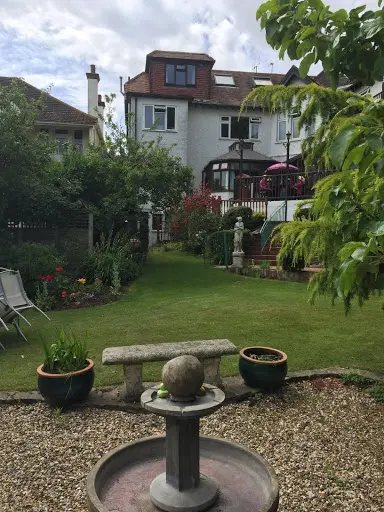
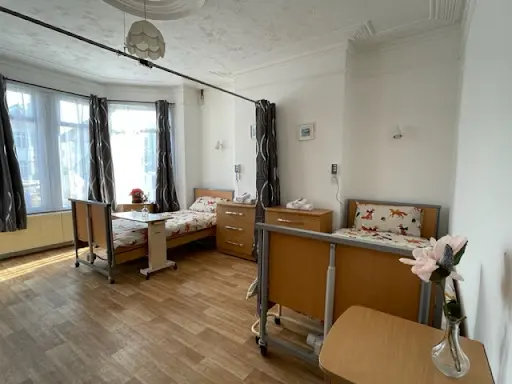
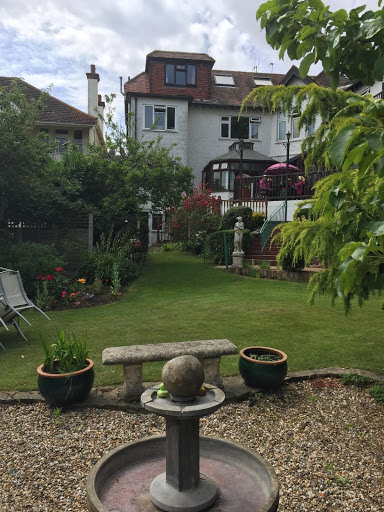
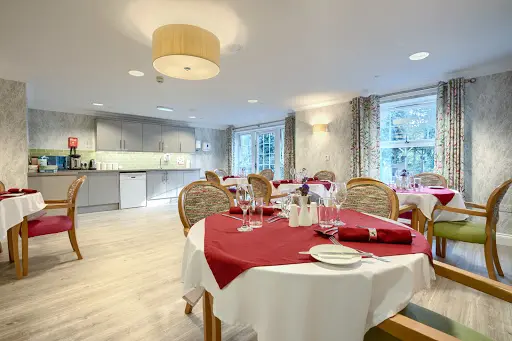
The cleanliness stands out to everyone who visits — immaculate rooms, pristine communal spaces, and well-kept gardens where residents can spend time outdoors. Dining receives particular praise, with quality meals and special afternoon teas that families see as more than just nutrition. The environment feels carefully maintained to support both comfort and dignity.
“For families facing difficult decisions about care, Admiral Court offers a setting where life continues rather than stops — with proper support wrapped around familiar pleasures and freedoms.”
DCC does not edit or curate content in this tab. For independently curated information, see The Evidence and DCC Verdict.