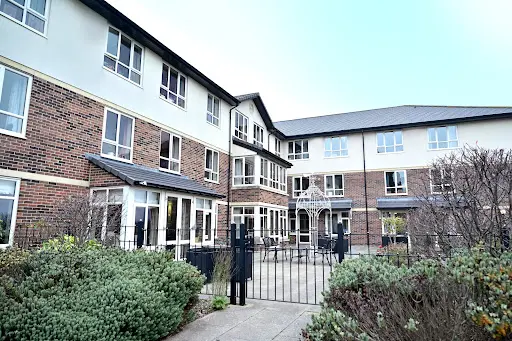
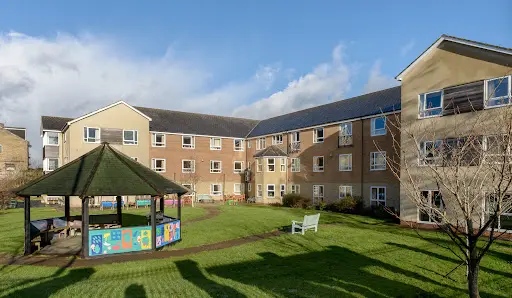
Garlands
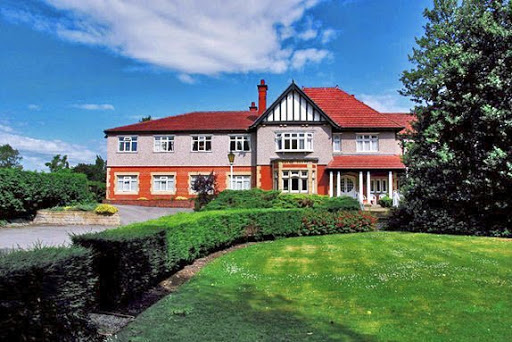
At a Glance
The information you need to decide whether this home warrants a closer look.
Residential homes
Staff warmth score
of reviewers answered yes
Good to know
- Registered beds23
- SpecialismsCaring for adults over 65 yrs, Dementia
- Last inspected2019-09-04
Save Garlands to your shortlist
Keep a running list, add visit notes, and compare homes side-by-side. Free account — it takes a minute.
STAGE 4 — RESEARCHING CARE HOMES
Visit homes. Compare them side by side. Choose with confidence.
Most of us will view care homes the way we view houses, impression, atmosphere, the feeling in the corridor. We go home, try to remember what we saw, and make a permanent decision from a blurred memory.

The DCC shortlist gives every home you visit a structured record: the same twelve questions, answered the same way, every time. When you’re ready to choose, pull any two homes side by side and compare them directly. Same criteria, same evidence, your notes and your scores.
The Evidence
What the review data, the inspection reports, and the dementia-care evidence base tell us about this home.
What families say
Visitors often mention how content residents seem here, with staff who are naturally warm and engaged. There's something reassuring about walking in and seeing people genuinely occupied and comfortable. The whole place feels welcoming from the moment you arrive.
The eight family priority themes
- Staff warmth75
- Compassion & dignity75
- Cleanliness72
- Activities & engagement65
- Food quality65
- Healthcare72
- Management & leadership52
- Resident happiness70
What inspectors found
Inspected 2019-09-04
Is this home safe?
Is the care effective?
The Effective domain was rated Good at the April 2025 inspection. This covers whether staff have the right training and knowledge, whether care plans are detailed and kept up to date, whether your parent would get timely access to GPs and other health professionals, and whether food and nutrition needs are properly understood. The home lists dementia as a specialism, which implies a duty to provide dementia-specific training and care planning. No specific detail on any of these areas is available in the published text.Is this home caring?
The Caring domain was rated Good at the April 2025 inspection. This is the domain that most directly covers whether staff are kind, whether your parent's dignity is respected, and whether they are treated as an individual rather than a task to be completed. A Good rating here is the most directly meaningful score for most families. The previous rating was Inadequate, so reaching Good in Caring reflects real progress. No inspector observations, quotes from residents, or specific examples of caring interactions are available in the published text.Is the home responsive?
The Responsive domain was rated Good at the April 2025 inspection. This covers whether your parent would have a meaningful life at the home: whether activities are varied and tailored to the individual, whether their personal history and preferences shape their daily routine, and whether the home responds appropriately at end of life. For a dementia specialism home with 23 beds, responsiveness also means having provision for people who cannot participate in group activities. No detail on activity programmes, individual engagement, or end-of-life planning is available in the published text.Is the home well-led?
The Well-led domain Requires Improvement at the April 2025 inspection. This is the only domain that did not reach a Good rating. Well-led covers whether the manager is visible and accountable, whether the home has effective systems for monitoring quality and safety, whether staff feel supported to raise concerns, and whether the home acts on what it learns. The registered manager is Miss Linzi Anne Bolland, and the nominated individual is Mr David Peter Bolland. No detail on what specifically triggered the Requires Improvement rating, or what improvement actions have been agreed, is available in the published text.
Source: CQC inspection report →
What the evidence base says
The home specialises in dementia care and supports adults over 65. Families describe how the team adapts as dementia advances, maintaining that personal connection even when communication becomes difficult. It's this long-term understanding that helps residents feel secure through changes. All areas worth probing directly during a visit.
The DCC Verdict
Our editorial view, built from the three lenses: what families tell us, what inspectors record, and how the home sits against good dementia-care practice.
DCC Family Score
Four of the five inspection domains were rated Good, which is a meaningful improvement from the previous Inadequate rating, but the Well-led domain Requires Improvement and the individual domain ratings carry no supporting narrative detail in the published findings, so scores are based on the overall picture rather than specific observations.
Homes in Yorkshire & Humberside typically score 68–82.The three-lens summary
What families tell us
Visitors often mention how content residents seem here, with staff who are naturally warm and engaged. There's something reassuring about walking in and seeing people genuinely occupied and comfortable. The whole place feels welcoming from the moment you arrive.
What inspectors have recorded
What stands out is how staff really tune in to each resident's needs, especially as dementia progresses. Families talk about being able to step back, knowing their loved ones are in attentive hands. The consistency of care over years gives real confidence.
How it sits against good practice
Sometimes the best measure of a care home is how families feel years down the line.
Worth a visit
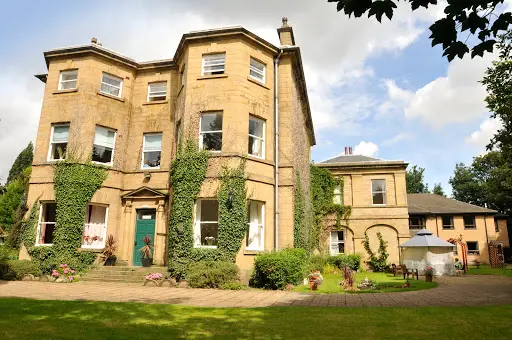
Garlands Residential Care Home Limited, a 23-bed home in Heckmondwike specialising in dementia and older adult care, was rated Requires Improvement overall at its most recent inspection in April 2025, published in June 2025. Importantly, four of the five inspection domains, Safe, Effective, Caring, and Responsive, were each rated Good. Only the Well-led domain fell below that standard. This represents a significant improvement from the home's previous Inadequate rating, and the direction of travel is positive. The main uncertainty here is the absence of published narrative detail. The inspection report available contains domain ratings but no inspector observations, resident or relative quotes, or specific examples of what was seen. That means this Family View cannot confirm what good care looks like day to day in this home, or explain precisely why Well-led Requires Improvement. Before choosing this home for your parent, visit in person, ask to see last week's actual staffing rota including night shifts, ask what the Well-led shortfall specifically was and what has been done since, and speak directly to residents and any relatives you meet on the visit.
The three questions to ask when you visitSave this home. Compare it against your shortlist.
Let our analysis show you how Garlands measures up against the other homes you’re considering. Free account.
In Their Own Words
How Garlands describes itself — collected from its own website. DCC has not edited or independently verified the content in this tab.
Where families find real reassurance through the dementia journey
Dedicated residential home Support in Heckmondwike
When dementia changes everything, finding the right support feels overwhelming. Garlands Residential Care Home in Heckmondwike understands this deeply. Families here describe a place where their loved ones don't just receive care — they're genuinely known and understood through every stage of their journey.
Who they care for
The home specialises in dementia care and supports adults over 65.
Families describe how the team adapts as dementia advances, maintaining that personal connection even when communication becomes difficult. It's this long-term understanding that helps residents feel secure through changes.
“Sometimes the best measure of a care home is how families feel years down the line.”
DCC does not edit or curate content in this tab. For independently curated information, see The Evidence and DCC Verdict.
The DCC Verdict
Our editorial view, built from the three lenses: what families tell us, what inspectors record, and how the home sits against good dementia-care practice.
DCC Family Score
Four of the five inspection domains were rated Good, which is a meaningful improvement from the previous Inadequate rating, but the Well-led domain Requires Improvement and the individual domain ratings carry no supporting narrative detail in the published findings, so scores are based on the overall picture rather than specific observations.
Homes in Yorkshire & Humberside typically score 68–82.The three-lens summary
What families tell us
Visitors often mention how content residents seem here, with staff who are naturally warm and engaged. There's something reassuring about walking in and seeing people genuinely occupied and comfortable. The whole place feels welcoming from the moment you arrive.
What inspectors have recorded
What stands out is how staff really tune in to each resident's needs, especially as dementia progresses. Families talk about being able to step back, knowing their loved ones are in attentive hands. The consistency of care over years gives real confidence.
How it sits against good practice
Sometimes the best measure of a care home is how families feel years down the line.
Worth a visit
Garlands Residential Care Home Limited, a 23-bed home in Heckmondwike specialising in dementia and older adult care, was rated Requires Improvement overall at its most recent inspection in April 2025, published in June 2025. Importantly, four of the five inspection domains, Safe, Effective, Caring, and Responsive, were each rated Good. Only the Well-led domain fell below that standard. This represents a significant improvement from the home's previous Inadequate rating, and the direction of travel is positive. The main uncertainty here is the absence of published narrative detail. The inspection report available contains domain ratings but no inspector observations, resident or relative quotes, or specific examples of what was seen. That means this Family View cannot confirm what good care looks like day to day in this home, or explain precisely why Well-led Requires Improvement. Before choosing this home for your parent, visit in person, ask to see last week's actual staffing rota including night shifts, ask what the Well-led shortfall specifically was and what has been done since, and speak directly to residents and any relatives you meet on the visit.
The three questions to ask when you visitSave this home. Compare it against your shortlist.
Let our analysis show you how Garlands measures up against the other homes you’re considering. Free account.
In Their Own Words
How Garlands describes itself — collected from its own website. DCC has not edited or independently verified the content in this tab.
Where families find real reassurance through the dementia journey
Dedicated residential home Support in Heckmondwike
When dementia changes everything, finding the right support feels overwhelming. Garlands Residential Care Home in Heckmondwike understands this deeply. Families here describe a place where their loved ones don't just receive care — they're genuinely known and understood through every stage of their journey.
Who they care for
The home specialises in dementia care and supports adults over 65.
Families describe how the team adapts as dementia advances, maintaining that personal connection even when communication becomes difficult. It's this long-term understanding that helps residents feel secure through changes.
Management & ethos
What stands out is how staff really tune in to each resident's needs, especially as dementia progresses. Families talk about being able to step back, knowing their loved ones are in attentive hands. The consistency of care over years gives real confidence.
The home & environment
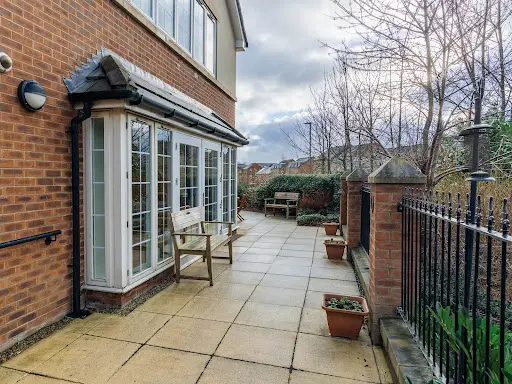
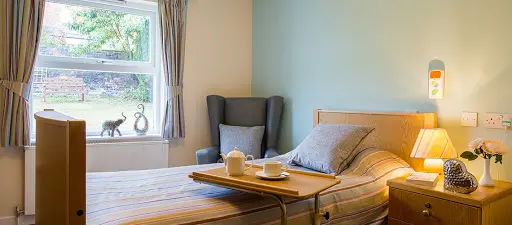
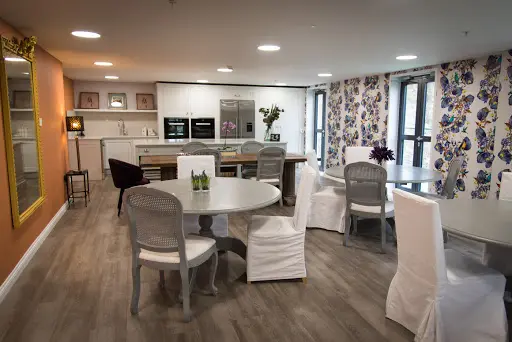
The home keeps everything spotless without feeling clinical. Families appreciate the high standards of cleanliness throughout, creating spaces that feel both fresh and comfortable for residents.
“Sometimes the best measure of a care home is how families feel years down the line.”
DCC does not edit or curate content in this tab. For independently curated information, see The Evidence and DCC Verdict.