Farnham Mill Nursing Home
At a Glance
The information you need to decide whether this home warrants a closer look.
Nursing homes
Staff warmth score
of reviewers answered yes
Good to know
- Registered beds65
- SpecialismsCaring for adults over 65 yrs, Dementia
- Last inspected2021-08-06
Save Farnham Mill Nursing Home to your shortlist
Keep a running list, add visit notes, and compare homes side-by-side. Free account — it takes a minute.
STAGE 4 — RESEARCHING CARE HOMES
Visit homes. Compare them side by side. Choose with confidence.
Most of us will view care homes the way we view houses, impression, atmosphere, the feeling in the corridor. We go home, try to remember what we saw, and make a permanent decision from a blurred memory.

The DCC shortlist gives every home you visit a structured record: the same twelve questions, answered the same way, every time. When you’re ready to choose, pull any two homes side by side and compare them directly. Same criteria, same evidence, your notes and your scores.
The Evidence
What the review data, the inspection reports, and the dementia-care evidence base tell us about this home.
What families say
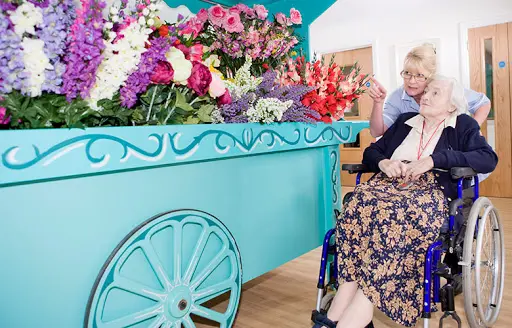
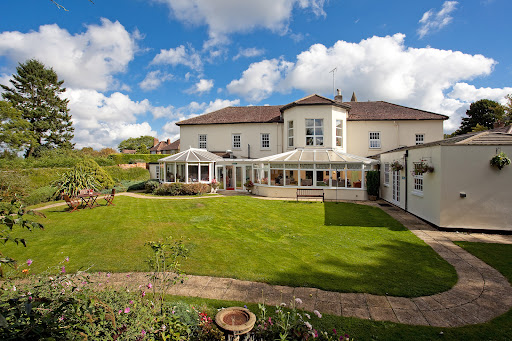
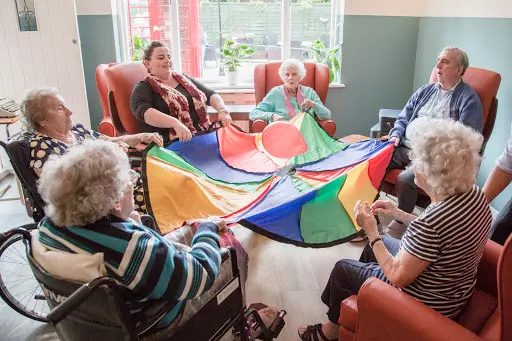
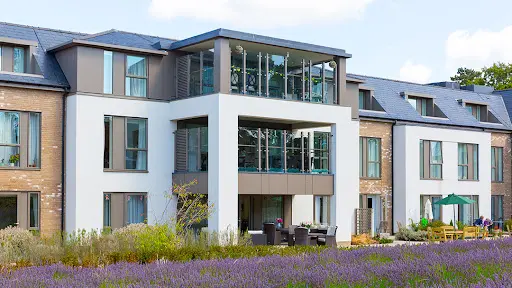
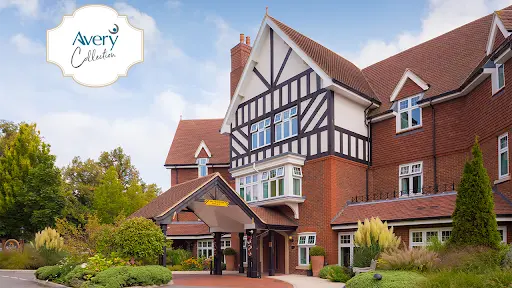
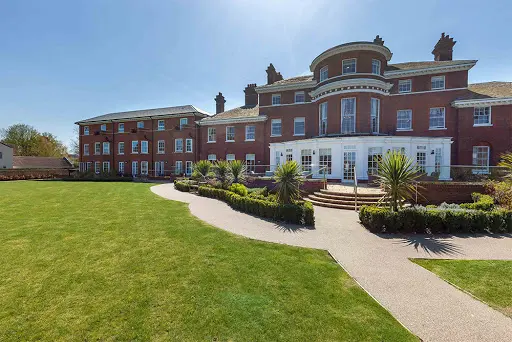
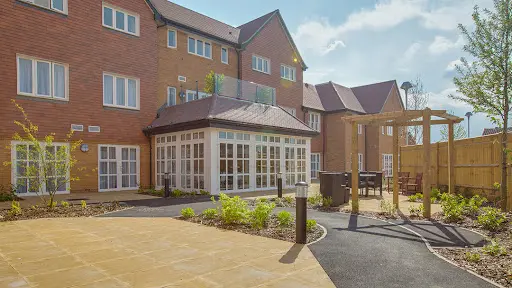
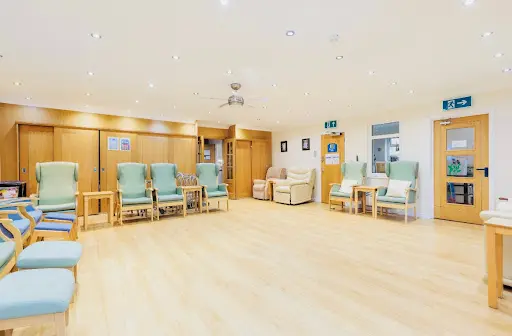
The bright, well-maintained building makes a positive first impression, while the regular programme of entertainment and themed events keeps life interesting for residents. Families particularly appreciate how the home welcomes extended family visits, with the gardens providing lovely spaces for gatherings when weather permits.
The eight family priority themes
- Staff warmth72
- Compassion & dignity72
- Cleanliness70
- Activities & engagement65
- Food quality65
- Healthcare70
- Management & leadership72
- Resident happiness68
What inspectors found
Inspected 2021-08-06
Is this home safe?
Is the care effective?
The home was rated Good for effectiveness at its July 2021 inspection. The home is registered to provide nursing care and to support people living with dementia, which implies a requirement for relevant clinical training. The published report does not describe specific findings about care plan quality, GP access, dementia training content, or food provision. The 2023 review found nothing to suggest the rating should change.Is this home caring?
The home received a Good rating for caring at its July 2021 inspection. The published findings do not include inspector observations of staff interactions, resident testimony about how they are treated, or specific examples of dignity being upheld. The 2023 review found no information suggesting this had changed. The caring domain rating is the most important one for most families, and the absence of published detail here is a real limitation.Is the home responsive?
The home was rated Good for responsiveness at its July 2021 inspection. The published report does not describe specific activities on offer, whether one-to-one engagement is provided for residents who cannot join groups, or how the home responds to individual preferences and complaints. The 2023 review found no evidence requiring a change to this rating. As a home registered to care for people living with dementia, meaningful engagement is a clinical as well as a quality-of-life issue.Is the home well-led?
The home was rated Good for being well-led at its July 2021 inspection. A named nominated individual, Mrs Alison Jane Lee, is registered with the regulator, indicating formal accountability at an organisational level. The published report does not describe the manager's visible presence, staff culture, governance systems, or how the home handles complaints and learning from incidents. The 2023 review found nothing to suggest the rating needed to change.
Source: CQC inspection report →
What the evidence base says
The home specialises in caring for adults over 65, including those living with dementia. Their approach focuses on maintaining dignity through attentive personal care, good nutrition, and careful safety protocols. For residents with dementia, the familiar faces of permanent staff provide essential continuity and reassurance. The team understands how important it is for carers to know each person's individual history and preferences. All areas worth probing directly during a visit.
The DCC Verdict
Our editorial view, built from the three lenses: what families tell us, what inspectors record, and how the home sits against good dementia-care practice.
DCC Family Score
Farnham Mill Nursing Home holds a Good rating across all five inspection domains, which is a positive foundation. However, the published inspection findings contain very limited specific detail, so scores reflect the rating rather than rich observed evidence.
Homes in South East typically score 68–82.The three-lens summary
What families tell us
The bright, well-maintained building makes a positive first impression, while the regular programme of entertainment and themed events keeps life interesting for residents. Families particularly appreciate how the home welcomes extended family visits, with the gardens providing lovely spaces for gatherings when weather permits.
What inspectors have recorded
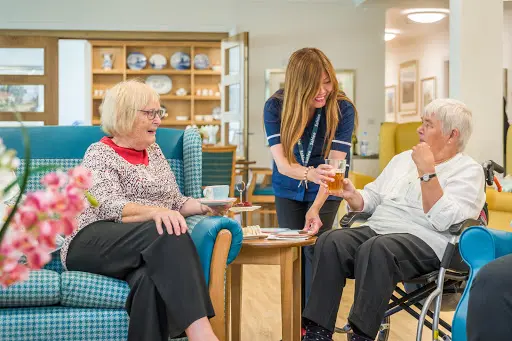
The permanent staff team means residents see familiar faces every day — something families say makes a real difference to their loved ones' sense of security. Communication channels stay open for visiting relatives, and the team shows genuine attentiveness to individual preferences and needs.
How it sits against good practice
With its combination of countryside setting and consistent care team, Farnham Mill offers a reassuring option for families navigating this difficult transition.
Worth a visit
Farnham Mill Nursing Home, in Farnham, Surrey, was rated Good across all five inspection domains at its last inspection in July 2021. A follow-up regulatory review in July 2023 found no evidence that this rating needed to change. The home provides nursing care and specialises in supporting people over 65, including those living with dementia, and is run by Woodlands and Hill Brow Limited. The main limitation here is that the published inspection findings contain very little specific detail about what life is actually like inside the home. A Good rating is genuinely meaningful, but it tells you the minimum bar was met, not how far above it the home sits. Before making a decision, visit in person and ask the manager to show you last week's actual staffing rota, to describe how staff are trained in dementia care, and to explain how families are kept informed when something changes. Arriving at a mealtime and watching how staff interact with your parent's potential neighbours will tell you more than any document.
The three questions to ask when you visitSave this home. Compare it against your shortlist.
Let our analysis show you how Farnham Mill Nursing Home measures up against the other homes you’re considering. Free account.
In Their Own Words
How Farnham Mill Nursing Home describes itself — collected from its own website. DCC has not edited or independently verified the content in this tab.
Where continuity of care meets countryside tranquility in Surrey
Farnham Mill Nursing Home – Your Trusted nursing home
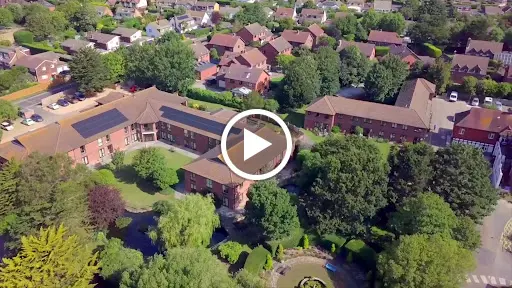
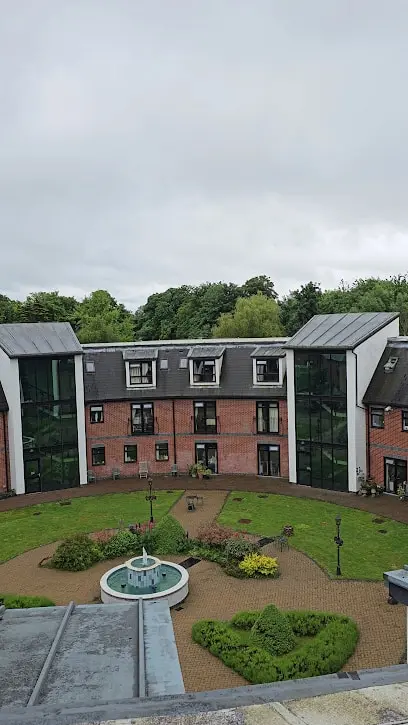
Families looking for consistent, familiar faces caring for their loved ones often find what they're searching for at Farnham Mill Nursing Home in Farnham. This established home has built its reputation on a permanent staffing model, where carers truly get to know each resident as an individual. Set in attractive grounds with a pond that attracts local wildlife, the home creates a calming environment that feels worlds away from institutional care.
Who they care for
The home specialises in caring for adults over 65, including those living with dementia. Their approach focuses on maintaining dignity through attentive personal care, good nutrition, and careful safety protocols.
For residents with dementia, the familiar faces of permanent staff provide essential continuity and reassurance. The team understands how important it is for carers to know each person's individual history and preferences.
“With its combination of countryside setting and consistent care team, Farnham Mill offers a reassuring option for families navigating this difficult transition.”
DCC does not edit or curate content in this tab. For independently curated information, see The Evidence and DCC Verdict.
The DCC Verdict
Our editorial view, built from the three lenses: what families tell us, what inspectors record, and how the home sits against good dementia-care practice.
DCC Family Score
Farnham Mill Nursing Home holds a Good rating across all five inspection domains, which is a positive foundation. However, the published inspection findings contain very limited specific detail, so scores reflect the rating rather than rich observed evidence.
Homes in South East typically score 68–82.The three-lens summary
What families tell us
The bright, well-maintained building makes a positive first impression, while the regular programme of entertainment and themed events keeps life interesting for residents. Families particularly appreciate how the home welcomes extended family visits, with the gardens providing lovely spaces for gatherings when weather permits.
What inspectors have recorded
The permanent staff team means residents see familiar faces every day — something families say makes a real difference to their loved ones' sense of security. Communication channels stay open for visiting relatives, and the team shows genuine attentiveness to individual preferences and needs.
How it sits against good practice
With its combination of countryside setting and consistent care team, Farnham Mill offers a reassuring option for families navigating this difficult transition.
Worth a visit
Farnham Mill Nursing Home, in Farnham, Surrey, was rated Good across all five inspection domains at its last inspection in July 2021. A follow-up regulatory review in July 2023 found no evidence that this rating needed to change. The home provides nursing care and specialises in supporting people over 65, including those living with dementia, and is run by Woodlands and Hill Brow Limited. The main limitation here is that the published inspection findings contain very little specific detail about what life is actually like inside the home. A Good rating is genuinely meaningful, but it tells you the minimum bar was met, not how far above it the home sits. Before making a decision, visit in person and ask the manager to show you last week's actual staffing rota, to describe how staff are trained in dementia care, and to explain how families are kept informed when something changes. Arriving at a mealtime and watching how staff interact with your parent's potential neighbours will tell you more than any document.
The three questions to ask when you visitSave this home. Compare it against your shortlist.
Let our analysis show you how Farnham Mill Nursing Home measures up against the other homes you’re considering. Free account.
In Their Own Words
How Farnham Mill Nursing Home describes itself — collected from its own website. DCC has not edited or independently verified the content in this tab.
Where continuity of care meets countryside tranquility in Surrey
Farnham Mill Nursing Home – Your Trusted nursing home
Families looking for consistent, familiar faces caring for their loved ones often find what they're searching for at Farnham Mill Nursing Home in Farnham. This established home has built its reputation on a permanent staffing model, where carers truly get to know each resident as an individual. Set in attractive grounds with a pond that attracts local wildlife, the home creates a calming environment that feels worlds away from institutional care.
Who they care for
The home specialises in caring for adults over 65, including those living with dementia. Their approach focuses on maintaining dignity through attentive personal care, good nutrition, and careful safety protocols.
For residents with dementia, the familiar faces of permanent staff provide essential continuity and reassurance. The team understands how important it is for carers to know each person's individual history and preferences.
Management & ethos
The permanent staff team means residents see familiar faces every day — something families say makes a real difference to their loved ones' sense of security. Communication channels stay open for visiting relatives, and the team shows genuine attentiveness to individual preferences and needs.
The home & environment
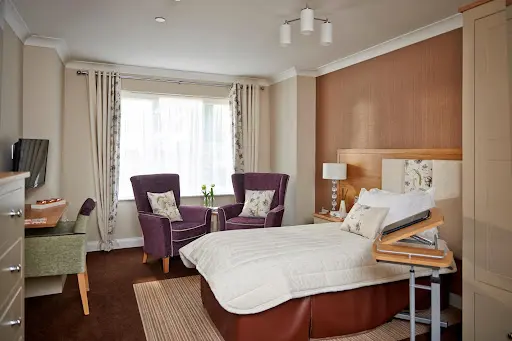
The grounds are a real highlight here, with residents enjoying time outdoors watching the ducks on the pond or simply sitting in the well-kept gardens. Inside, the home maintains high standards of cleanliness and presentation, creating comfortable spaces where residents can socialise or find quiet moments.
“With its combination of countryside setting and consistent care team, Farnham Mill offers a reassuring option for families navigating this difficult transition.”
DCC does not edit or curate content in this tab. For independently curated information, see The Evidence and DCC Verdict.