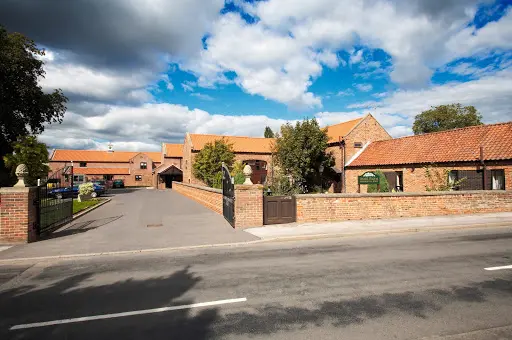
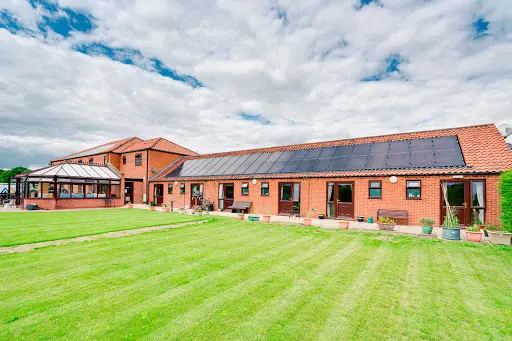
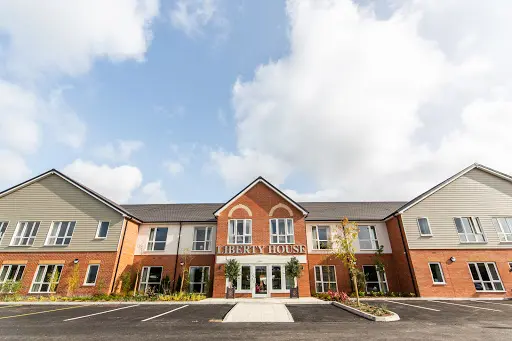
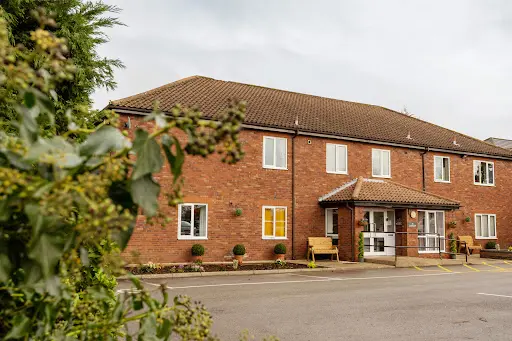
Dr Anderson Lodge – Doncaster Care Home
At a Glance
The information you need to decide whether this home warrants a closer look.
Nursing homes
Staff warmth score
of reviewers answered yes
Good to know
- Registered beds60
- SpecialismsCaring for adults over 65 yrs, Caring for adults under 65 yrs, Dementia, Physical disabilities, Sensory impairment
- Last inspected2022-01-29
Save Dr Anderson Lodge – Doncaster Care Home to your shortlist
Keep a running list, add visit notes, and compare homes side-by-side. Free account — it takes a minute.
STAGE 4 — RESEARCHING CARE HOMES
Visit homes. Compare them side by side. Choose with confidence.
Most of us will view care homes the way we view houses, impression, atmosphere, the feeling in the corridor. We go home, try to remember what we saw, and make a permanent decision from a blurred memory.

The DCC shortlist gives every home you visit a structured record: the same twelve questions, answered the same way, every time. When you’re ready to choose, pull any two homes side by side and compare them directly. Same criteria, same evidence, your notes and your scores.
The Evidence
What the review data, the inspection reports, and the dementia-care evidence base tell us about this home.
What families say
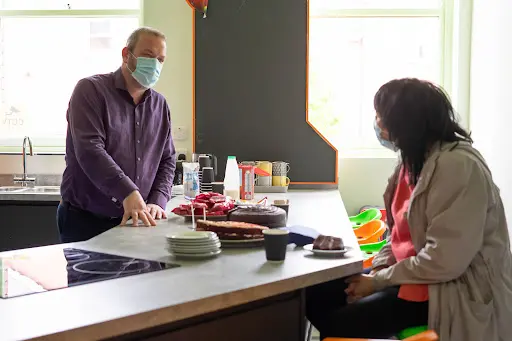
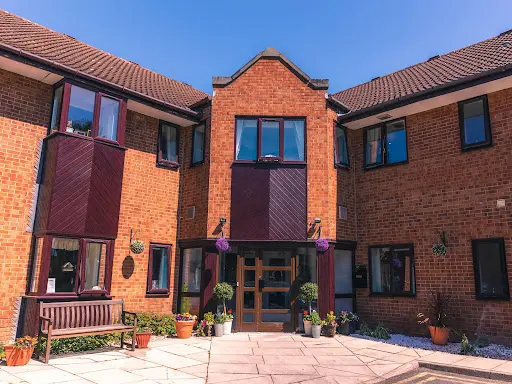
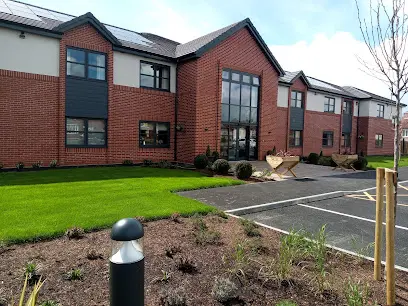
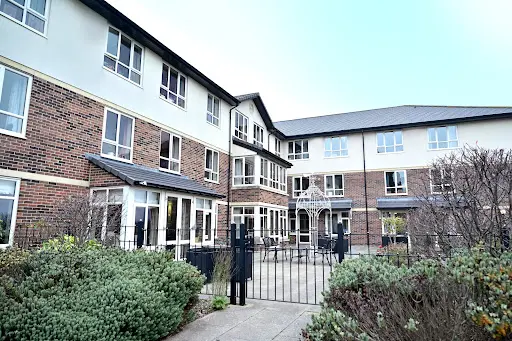
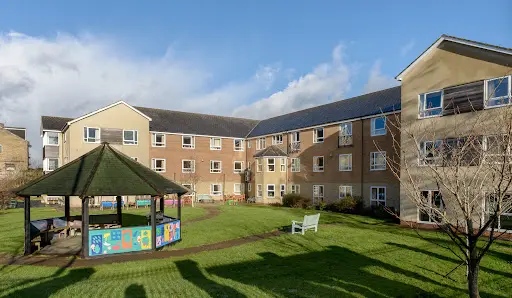
Families visiting here often comment on the cheerful atmosphere created through regular celebrations and activities. The home maintains a consistently clean, bright environment that feels well-cared for, with staff who respond quickly when residents need support.
The eight family priority themes
- Staff warmth72
- Compassion & dignity72
- Cleanliness70
- Activities & engagement65
- Food quality65
- Healthcare70
- Management & leadership75
- Resident happiness70
What inspectors found
Inspected 2022-01-29
Is this home safe?
Is the care effective?
The Effective domain was rated Good at the March 2025 inspection. This domain covers training, care planning, healthcare access, nutrition, and how well staff put their knowledge into practice. The published summary contains no specific observations about the quality or content of care plans, the frequency of GP visits, dementia training content, or how food quality and dietary needs are managed. The Good rating is recorded but the evidence behind it is not described in the available text.Is this home caring?
The Caring domain was rated Good at the March 2025 inspection. This domain covers whether staff are kind and respectful, whether people are treated with dignity, and whether residents retain as much independence as possible. The published text includes no direct inspector observations of staff interactions, no resident or relative quotes, and no specific examples of how privacy or dignity was protected. The Good rating stands but cannot be verified from the available evidence.Is the home responsive?
The Responsive domain was rated Good at the March 2025 inspection. This domain covers how well the home responds to individual needs, including activities, personalised care, complaint handling, and end-of-life planning. The published summary does not describe the activity programme, mention any named activities coordinator, reference one-to-one engagement for people who cannot join groups, or detail how end-of-life care is approached. The Good rating is confirmed without supporting detail.Is the home well-led?
The Well-led domain was rated Good at the March 2025 inspection. Mrs Sara Louise Wilson is confirmed as the registered manager and is also the nominated individual, which means she holds both the day-to-day and the regulatory accountability for the home. The fact that the same person occupies both roles can be a sign of stable, committed leadership. The published text does not describe the management culture, staff survey results, governance processes, or how the home learns from incidents and complaints.
Source: CQC inspection report →
What the evidence base says
The home welcomes adults both under and over 65, supporting those with physical disabilities, sensory impairments and dementia. While dementia care is offered here, specific approaches and facilities for memory support would be worth discussing directly with the management team during a visit. All areas worth probing directly during a visit.
The DCC Verdict
Our editorial view, built from the three lenses: what families tell us, what inspectors record, and how the home sits against good dementia-care practice.
DCC Family Score
Dr Anderson Lodge scores 72 out of 100, reflecting a genuinely positive inspection result with an important caveat: the published report is very thin on specific detail, so most scores sit in the mid-range rather than the higher bands that require direct observations, quotes, and multiple confirming data points.
Homes in Yorkshire & Humberside typically score 68–82.The three-lens summary
What families tell us
Families visiting here often comment on the cheerful atmosphere created through regular celebrations and activities. The home maintains a consistently clean, bright environment that feels well-cared for, with staff who respond quickly when residents need support.
What inspectors have recorded
Staff here show real attentiveness to residents' health needs, with families noting how quickly the team responds to any concerns. When health situations arise, relatives report being contacted straight away, keeping everyone informed and involved.
How it sits against good practice
Getting to know how a care home actually works day-to-day makes all the difference when choosing the right place.
Worth a visit
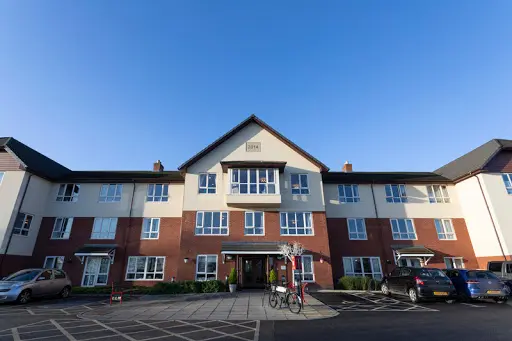
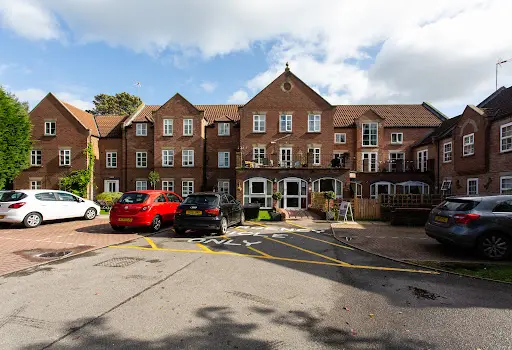
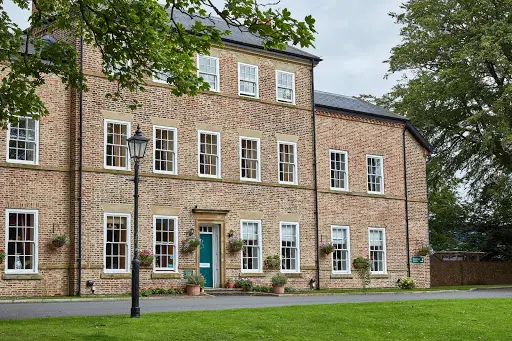
Dr Anderson Lodge, on East Lane in Doncaster, was assessed on 26 March 2025 and rated Good across all five domains. Safe, Effective, Caring, Responsive, and Well-led were each individually rated Good. This is a meaningful improvement from its previous Requires Improvement rating and confirms that the home addressed the concerns identified at that earlier inspection. Mrs Sara Louise Wilson is confirmed as the registered manager and is the nominated individual, meaning one person holds both operational and regulatory accountability. The main limitation of this report is that the published text is unusually brief and contains no direct inspector observations, resident or relative quotes, or specific examples to explain how the Good ratings were reached. That means the score here reflects a genuine but unverifiable positive result. On a visit, focus your attention on the things the report cannot tell you: how staff speak to your parent and to each other, whether the building feels calm and clean, how mealtimes are run, and what happens after 8pm when staffing typically reduces. The checklist above identifies 18 specific questions to put to the manager before or during your visit.
The three questions to ask when you visitSave this home. Compare it against your shortlist.
Let our analysis show you how Dr Anderson Lodge – Doncaster Care Home measures up against the other homes you’re considering. Free account.
In Their Own Words
How Dr Anderson Lodge – Doncaster Care Home describes itself — collected from its own website. DCC has not edited or independently verified the content in this tab.
Where attentive staff make health and happiness their daily priority
Nursing home in Doncaster: True Peace of Mind
When families describe the care at Dr Anderson Lodge in Doncaster, they talk about staff who notice the small things — a change in mood, a health concern, a favourite meal. This care home brings together experienced support for various needs, from physical disabilities to dementia, creating a bright and welcoming environment where residents feel genuinely looked after.
Who they care for
The home welcomes adults both under and over 65, supporting those with physical disabilities, sensory impairments and dementia.
While dementia care is offered here, specific approaches and facilities for memory support would be worth discussing directly with the management team during a visit.
“Getting to know how a care home actually works day-to-day makes all the difference when choosing the right place.”
DCC does not edit or curate content in this tab. For independently curated information, see The Evidence and DCC Verdict.
The DCC Verdict
Our editorial view, built from the three lenses: what families tell us, what inspectors record, and how the home sits against good dementia-care practice.
DCC Family Score
Dr Anderson Lodge scores 72 out of 100, reflecting a genuinely positive inspection result with an important caveat: the published report is very thin on specific detail, so most scores sit in the mid-range rather than the higher bands that require direct observations, quotes, and multiple confirming data points.
Homes in Yorkshire & Humberside typically score 68–82.The three-lens summary
What families tell us
Families visiting here often comment on the cheerful atmosphere created through regular celebrations and activities. The home maintains a consistently clean, bright environment that feels well-cared for, with staff who respond quickly when residents need support.
What inspectors have recorded
Staff here show real attentiveness to residents' health needs, with families noting how quickly the team responds to any concerns. When health situations arise, relatives report being contacted straight away, keeping everyone informed and involved.
How it sits against good practice
Getting to know how a care home actually works day-to-day makes all the difference when choosing the right place.
Worth a visit
Dr Anderson Lodge, on East Lane in Doncaster, was assessed on 26 March 2025 and rated Good across all five domains. Safe, Effective, Caring, Responsive, and Well-led were each individually rated Good. This is a meaningful improvement from its previous Requires Improvement rating and confirms that the home addressed the concerns identified at that earlier inspection. Mrs Sara Louise Wilson is confirmed as the registered manager and is the nominated individual, meaning one person holds both operational and regulatory accountability. The main limitation of this report is that the published text is unusually brief and contains no direct inspector observations, resident or relative quotes, or specific examples to explain how the Good ratings were reached. That means the score here reflects a genuine but unverifiable positive result. On a visit, focus your attention on the things the report cannot tell you: how staff speak to your parent and to each other, whether the building feels calm and clean, how mealtimes are run, and what happens after 8pm when staffing typically reduces. The checklist above identifies 18 specific questions to put to the manager before or during your visit.
The three questions to ask when you visitSave this home. Compare it against your shortlist.
Let our analysis show you how Dr Anderson Lodge – Doncaster Care Home measures up against the other homes you’re considering. Free account.
In Their Own Words
How Dr Anderson Lodge – Doncaster Care Home describes itself — collected from its own website. DCC has not edited or independently verified the content in this tab.
Where attentive staff make health and happiness their daily priority
Nursing home in Doncaster: True Peace of Mind
When families describe the care at Dr Anderson Lodge in Doncaster, they talk about staff who notice the small things — a change in mood, a health concern, a favourite meal. This care home brings together experienced support for various needs, from physical disabilities to dementia, creating a bright and welcoming environment where residents feel genuinely looked after.
Who they care for
The home welcomes adults both under and over 65, supporting those with physical disabilities, sensory impairments and dementia.
While dementia care is offered here, specific approaches and facilities for memory support would be worth discussing directly with the management team during a visit.
Management & ethos
Staff here show real attentiveness to residents' health needs, with families noting how quickly the team responds to any concerns. When health situations arise, relatives report being contacted straight away, keeping everyone informed and involved.
The home & environment
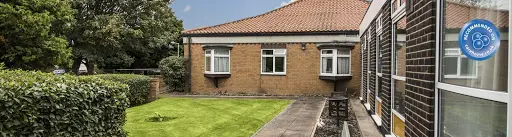
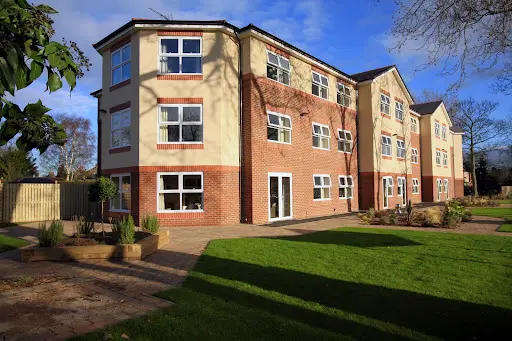
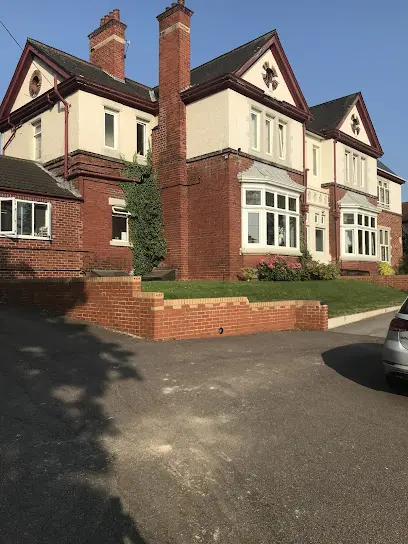
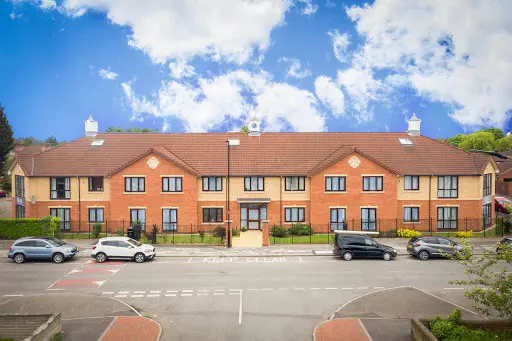
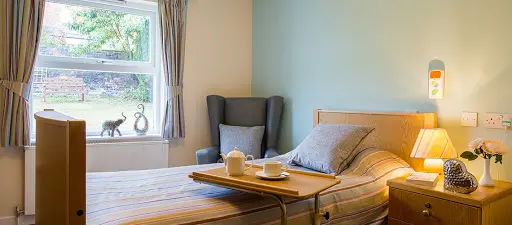
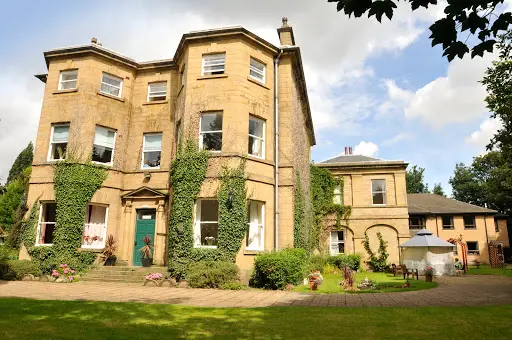
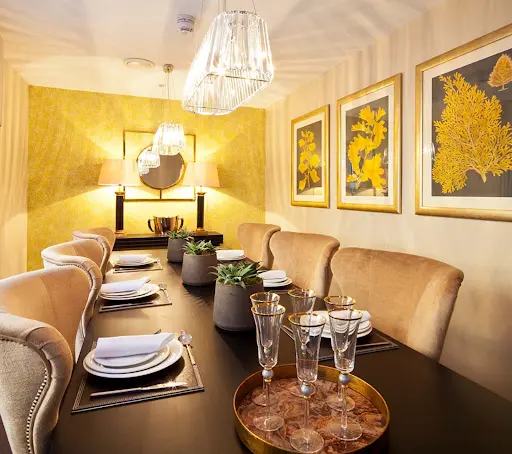
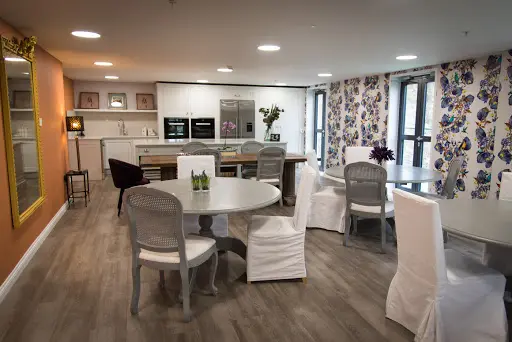
The kitchen team prepares home-cooked meals that families particularly appreciate. Throughout the building, you'll find spaces kept spotlessly clean and well-maintained, creating a fresh and comfortable environment for daily life.
“Getting to know how a care home actually works day-to-day makes all the difference when choosing the right place.”
DCC does not edit or curate content in this tab. For independently curated information, see The Evidence and DCC Verdict.