De Lucy House Care Home
At a Glance
The information you need to decide whether this home warrants a closer look.
Residential homes
Staff warmth score
of reviewers answered yes
Good to know
- Registered beds60
- SpecialismsCaring for adults over 65 yrs, Dementia, Physical disabilities, Sensory impairment
- Last inspected2018-07-10
Save De Lucy House Care Home to your shortlist
Keep a running list, add visit notes, and compare homes side-by-side. Free account — it takes a minute.
STAGE 4 — RESEARCHING CARE HOMES
Visit homes. Compare them side by side. Choose with confidence.
Most of us will view care homes the way we view houses, impression, atmosphere, the feeling in the corridor. We go home, try to remember what we saw, and make a permanent decision from a blurred memory.

The DCC shortlist gives every home you visit a structured record: the same twelve questions, answered the same way, every time. When you’re ready to choose, pull any two homes side by side and compare them directly. Same criteria, same evidence, your notes and your scores.
The Evidence
What the review data, the inspection reports, and the dementia-care evidence base tell us about this home.
What families say
The staff here focus on getting to know each resident as an individual, and families notice how content their relatives seem. There's proper entertainment laid on regularly, and the setup means residents can maintain some independence — popping into the kitchen to make a cup of tea or grab a biscuit when they want.
The eight family priority themes
- Staff warmth55
- Compassion & dignity55
- Cleanliness55
- Activities & engagement80
- Food quality50
- Healthcare55
- Management & leadership65
- Resident happiness55
What inspectors found
Inspected 2018-07-10
Is this home safe?
Is the care effective?
The Effective domain was rated Good at the January 2021 inspection. This domain covers training, care planning, healthcare access, nutrition, and how well the home uses information to improve outcomes. The published text does not include specific detail about dementia training content, how frequently care plans are reviewed, or how the home supports access to GPs and other health professionals. The home's specialisms include dementia and physical disabilities, both of which require specific staff competencies beyond general care training. No information about food quality or dietary support is available in the published findings.Is this home caring?
The Caring domain was rated Good at the January 2021 inspection. This domain covers staff warmth, dignity, respect, and support for independence. The published text does not reproduce any direct observations of staff interactions, quotes from residents or relatives, or specific examples of how dignity is maintained during personal care. Staff warmth is the single largest driver of positive family reviews, referenced in 57.3% of positive reviews across DementiaCareChoices data. The absence of specific detail here is not a red flag, but it does mean the grade cannot be tested against observable evidence from this report alone.Is the home responsive?
The Responsive domain was rated Outstanding at the January 2021 inspection. This is the home's strongest rating and covers activities, engagement, individuality, how the home responds to complaints, and end-of-life planning. An Outstanding in this domain is awarded to fewer than one in ten care homes and indicates that inspectors found evidence going well beyond standard compliance. The published text does not reproduce the specific evidence that led to this rating, but the grade itself is significant. This rating was not changed at the July 2023 monitoring review.Is the home well-led?
The Well-led domain was rated Good at the January 2021 inspection. A named registered manager, Mrs Lauren Frances Tubby, is recorded, along with a nominated individual, Miss Julie Clarges. The home is operated by Greensleeves Homes Trust, a not-for-profit organisation that runs multiple care homes. The published text does not include detail about management visibility, staff culture, how concerns are raised, or how the home uses audits and feedback to improve. The July 2023 monitoring review found no new evidence requiring a rating change.
Source: CQC inspection report →
What the evidence base says
De Lucy House welcomes residents with dementia, physical disabilities and sensory impairments, alongside general care for people over 65. The home's four-unit layout helps create calmer, more manageable spaces for residents with dementia, with separate lounges providing quieter areas when needed. All areas worth probing directly during a visit.
The DCC Verdict
Our editorial view, built from the three lenses: what families tell us, what inspectors record, and how the home sits against good dementia-care practice.
DCC Family Score
De Lucy House holds a Good overall rating with an Outstanding in Responsive care, which is the strongest signal available from the inspection. However, the published report text is very limited in specific detail, so most scores reflect the rating grade rather than direct inspector observations, quotes, or record reviews.
Homes in East typically score 68–82.The three-lens summary
What families tell us
The staff here focus on getting to know each resident as an individual, and families notice how content their relatives seem. There's proper entertainment laid on regularly, and the setup means residents can maintain some independence — popping into the kitchen to make a cup of tea or grab a biscuit when they want.
What inspectors have recorded
While the regular staff know residents well and provide attentive care, the home does bring in agency workers to help with staffing levels. This means families might see some different faces during visits, though the core team maintains consistency in how residents are cared for.
How it sits against good practice
It's worth visiting to see how the layout works and meet some of the regular staff who've been caring for residents here for years.
Worth a visit
De Lucy House in Diss was rated Good overall at its inspection in January 2021, with an Outstanding rating in Responsive care. That Outstanding rating covers activities, engagement, individuality, and end-of-life planning, and is the home's clearest strength. The home is registered with Greensleeves Homes Trust and has a named registered manager. All other domains, Safe, Effective, Caring, and Well-led, were rated Good. A monitoring review in July 2023 found no reason to change those ratings. The main limitation here is that the published inspection text is very thin. There are no direct quotes from residents or relatives, no specific inspector observations, and no detail on staffing ratios, dementia training content, food quality, or night cover. The Outstanding in Responsive care is a genuinely positive signal, but you should not rely on grades alone. When you visit, ask the manager to show you the last week's actual staffing rota, ask what one-to-one activities look like for someone who cannot join a group session, and arrive at a mealtime if you can so you can see the pace of care for yourself.
The three questions to ask when you visitSave this home. Compare it against your shortlist.
Let our analysis show you how De Lucy House Care Home measures up against the other homes you’re considering. Free account.
In Their Own Words
How De Lucy House Care Home describes itself — collected from its own website. DCC has not edited or independently verified the content in this tab.
Where daily trips and garden walks keep life interesting
Dedicated residential home Support in Diss
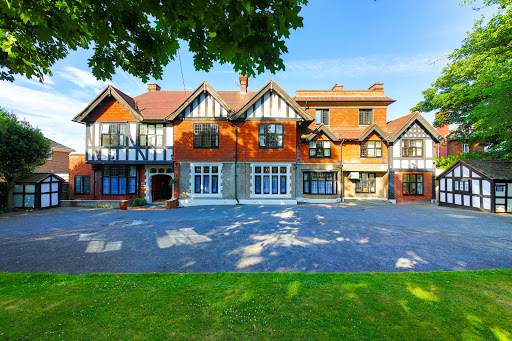
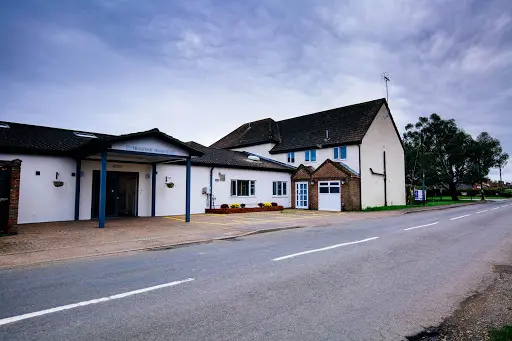
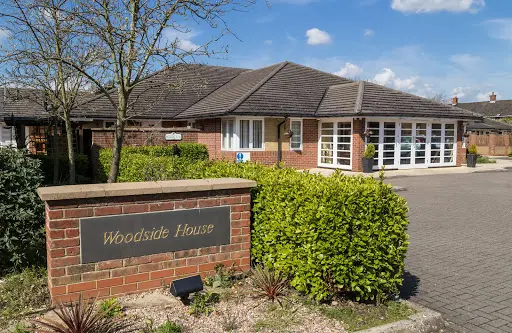
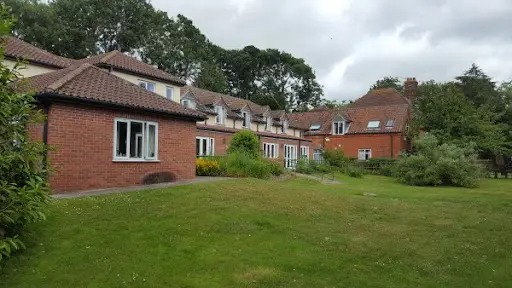
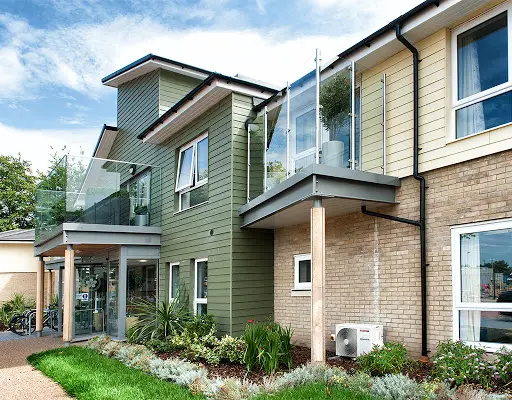
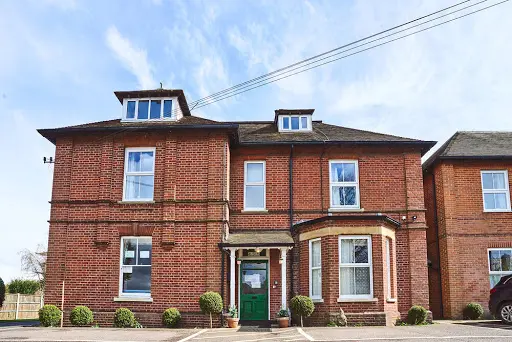
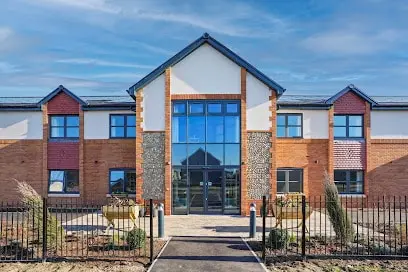
Families searching for care in Diss often discover De Lucy House through word of mouth — and what they find is a place where residents head out on regular day trips and help themselves to snacks in the kitchen whenever they fancy. This purpose-built home near the town centre divides into four smaller units, each with its own lounge and dining room, creating a more intimate feel within the larger community.
Who they care for
De Lucy House welcomes residents with dementia, physical disabilities and sensory impairments, alongside general care for people over 65.
The home's four-unit layout helps create calmer, more manageable spaces for residents with dementia, with separate lounges providing quieter areas when needed.
“It's worth visiting to see how the layout works and meet some of the regular staff who've been caring for residents here for years.”
DCC does not edit or curate content in this tab. For independently curated information, see The Evidence and DCC Verdict.
The DCC Verdict
Our editorial view, built from the three lenses: what families tell us, what inspectors record, and how the home sits against good dementia-care practice.
DCC Family Score
De Lucy House holds a Good overall rating with an Outstanding in Responsive care, which is the strongest signal available from the inspection. However, the published report text is very limited in specific detail, so most scores reflect the rating grade rather than direct inspector observations, quotes, or record reviews.
Homes in East typically score 68–82.The three-lens summary
What families tell us
The staff here focus on getting to know each resident as an individual, and families notice how content their relatives seem. There's proper entertainment laid on regularly, and the setup means residents can maintain some independence — popping into the kitchen to make a cup of tea or grab a biscuit when they want.
What inspectors have recorded
While the regular staff know residents well and provide attentive care, the home does bring in agency workers to help with staffing levels. This means families might see some different faces during visits, though the core team maintains consistency in how residents are cared for.
How it sits against good practice
It's worth visiting to see how the layout works and meet some of the regular staff who've been caring for residents here for years.
Worth a visit
De Lucy House in Diss was rated Good overall at its inspection in January 2021, with an Outstanding rating in Responsive care. That Outstanding rating covers activities, engagement, individuality, and end-of-life planning, and is the home's clearest strength. The home is registered with Greensleeves Homes Trust and has a named registered manager. All other domains, Safe, Effective, Caring, and Well-led, were rated Good. A monitoring review in July 2023 found no reason to change those ratings. The main limitation here is that the published inspection text is very thin. There are no direct quotes from residents or relatives, no specific inspector observations, and no detail on staffing ratios, dementia training content, food quality, or night cover. The Outstanding in Responsive care is a genuinely positive signal, but you should not rely on grades alone. When you visit, ask the manager to show you the last week's actual staffing rota, ask what one-to-one activities look like for someone who cannot join a group session, and arrive at a mealtime if you can so you can see the pace of care for yourself.
The three questions to ask when you visitSave this home. Compare it against your shortlist.
Let our analysis show you how De Lucy House Care Home measures up against the other homes you’re considering. Free account.
In Their Own Words
How De Lucy House Care Home describes itself — collected from its own website. DCC has not edited or independently verified the content in this tab.
Where daily trips and garden walks keep life interesting
Dedicated residential home Support in Diss
Families searching for care in Diss often discover De Lucy House through word of mouth — and what they find is a place where residents head out on regular day trips and help themselves to snacks in the kitchen whenever they fancy. This purpose-built home near the town centre divides into four smaller units, each with its own lounge and dining room, creating a more intimate feel within the larger community.
Who they care for
De Lucy House welcomes residents with dementia, physical disabilities and sensory impairments, alongside general care for people over 65.
The home's four-unit layout helps create calmer, more manageable spaces for residents with dementia, with separate lounges providing quieter areas when needed.
Management & ethos
While the regular staff know residents well and provide attentive care, the home does bring in agency workers to help with staffing levels. This means families might see some different faces during visits, though the core team maintains consistency in how residents are cared for.
The home & environment
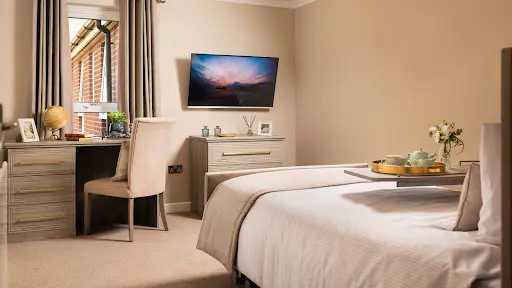
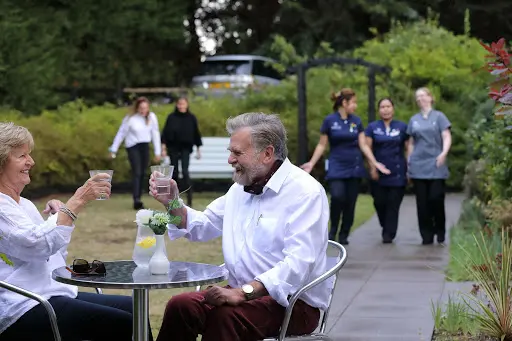
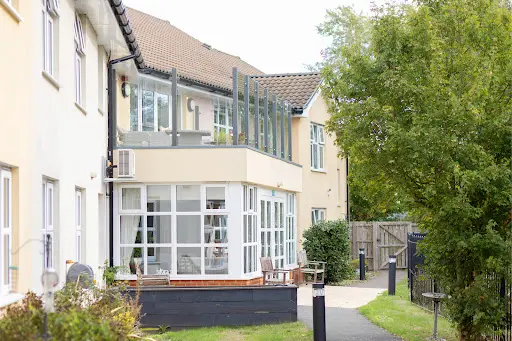
The gardens get plenty of use, giving everyone lovely outdoor space to enjoy. Meals are cooked fresh on-site every day, and each of the four units has its own dining area, so mealtimes feel more personal and less institutional.
“It's worth visiting to see how the layout works and meet some of the regular staff who've been caring for residents here for years.”
DCC does not edit or curate content in this tab. For independently curated information, see The Evidence and DCC Verdict.