Camberley Heights Care Home – Avery Collection
At a Glance
The information you need to decide whether this home warrants a closer look.
Nursing homes
Staff warmth score
of reviewers answered yes
Good to know
- Registered beds100
- SpecialismsCaring for adults over 65 yrs, Caring for adults under 65 yrs, Dementia, Physical disabilities, Sensory impairment
- Last inspected2022-12-16
Save Camberley Heights Care Home – Avery Collection to your shortlist
Keep a running list, add visit notes, and compare homes side-by-side. Free account — it takes a minute.
STAGE 4 — RESEARCHING CARE HOMES
Visit homes. Compare them side by side. Choose with confidence.
Most of us will view care homes the way we view houses, impression, atmosphere, the feeling in the corridor. We go home, try to remember what we saw, and make a permanent decision from a blurred memory.

The DCC shortlist gives every home you visit a structured record: the same twelve questions, answered the same way, every time. When you’re ready to choose, pull any two homes side by side and compare them directly. Same criteria, same evidence, your notes and your scores.
The Evidence
What the review data, the inspection reports, and the dementia-care evidence base tell us about this home.
What families say
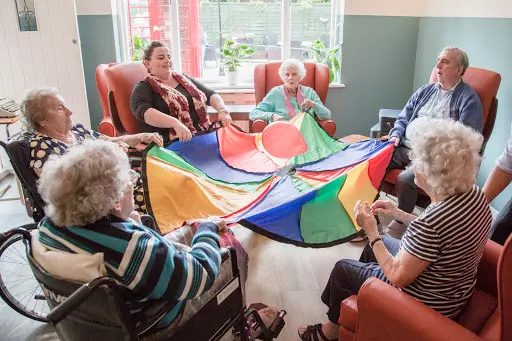
Families talk about arriving to find residents engaged in activities that actually matter to them, from regular social events to quieter moments of connection. People mention how quickly the sense of isolation lifts here, replaced by real involvement in daily life. The atmosphere feels purposeful rather than institutional.
The eight family priority themes
- Staff warmth72
- Compassion & dignity72
- Cleanliness70
- Activities & engagement68
- Food quality68
- Healthcare70
- Management & leadership72
- Resident happiness70
What inspectors found
Inspected 2022-12-16
Is this home safe?
Is the care effective?
Camberley Heights received a Good rating for Effective at its September 2022 inspection. The published summary does not record specific findings about care plan quality, GP access, dementia training content, or food provision. A Good rating suggests inspectors found training and care planning to be adequate, but no direct observations or staff competency assessments are referenced in the available text. The home's registration as a nursing home with dementia as a specialism implies a requirement for specialist knowledge, but how that translates into day-to-day practice is not described. No information about how often care plans are reviewed or whether families are involved in that process is recorded.Is this home caring?
Camberley Heights received a Good rating for Caring at its September 2022 inspection. The published summary does not include specific inspector observations about staff interactions, use of preferred names, privacy during personal care, or how staff respond to residents who are distressed or anxious. A Good rating in this domain typically requires inspectors to have seen positive examples of warmth and respect, but those examples are not recorded in the text available. No resident or relative quotes are included in the published findings. The absence of detail makes it difficult to say with confidence how caring looks in practice at this home.Is the home responsive?
Camberley Heights received a Good rating for Responsive at its September 2022 inspection. The published summary does not include specific detail about the activity programme, individual engagement for people with advanced dementia, or how the home responds to changing needs and preferences. No information about end-of-life care planning, complaints handling, or how the home accommodates individual routines is recorded. A Good rating suggests inspectors found the home was meeting people's needs adequately, but the basis for that judgement is not described in the available text.Is the home well-led?
Camberley Heights received a Good rating for Well-led at its September 2022 inspection. A named registered manager, Mrs Chloe-Rose Stock, and a nominated individual, Mrs Natasha Southall, were recorded as in post at the time of the inspection. The published summary does not include specific detail about management visibility, staff culture, governance processes, or how the home uses feedback from residents and families to improve. No information about manager tenure, recent staffing changes, or how the team is supported to speak up about concerns is recorded. This was the home's first recorded inspection, so there is no trend comparison available.
Source: CQC inspection report →
What the evidence base says
The home supports residents with dementia, sensory impairments and physical disabilities, alongside general care for adults over and under 65. For residents living with dementia, the combination of consistent staff relationships and meaningful daily structure seems particularly valuable. The home's approach focuses on maintaining connections and purpose throughout each day. All areas worth probing directly during a visit.
The DCC Verdict
Our editorial view, built from the three lenses: what families tell us, what inspectors record, and how the home sits against good dementia-care practice.
DCC Family Score
Camberley Heights received a Good rating across all five domains at its September 2022 inspection, but the published report contains very limited specific detail, so scores reflect a solid baseline rather than confirmed excellence in any particular area.
Homes in South East typically score 68–82.The three-lens summary
What families tell us
Families talk about arriving to find residents engaged in activities that actually matter to them, from regular social events to quieter moments of connection. People mention how quickly the sense of isolation lifts here, replaced by real involvement in daily life. The atmosphere feels purposeful rather than institutional.
What inspectors have recorded
Staff seem to notice things before being asked, whether it's a resident who needs a moment of company or a family member looking for reassurance. Healthcare professionals visiting the home comment on this proactive approach too. The communication feels natural rather than procedural, which helps families develop genuine confidence in the care team.
How it sits against good practice
Sometimes the smallest details reveal the most — like staff who remember how someone takes their tea, or noticing when a resident needs an extra moment of reassurance.
Worth a visit
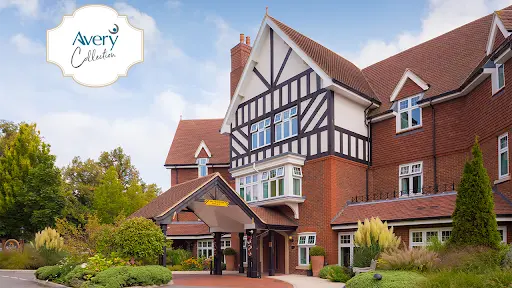
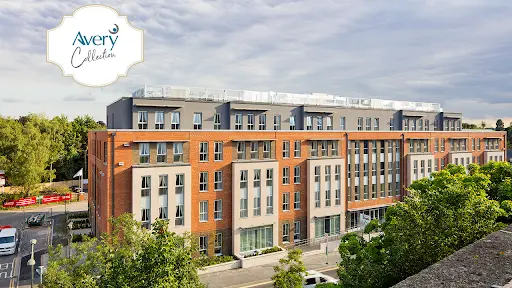
Camberley Heights Care Home, on Pembroke Broadway in Camberley, was rated Good across all five inspection domains at its assessment in September 2022, with findings published in December 2022. The home is a large, 100-bed nursing home registered for dementia care, physical disabilities, and sensory impairment, serving both adults over and under 65. A named registered manager and nominated individual were in post at the time of inspection, which is a positive structural indicator. The main limitation here is that the published summary contains very little specific detail: no inspector observations, no resident or relative quotes, and no concrete examples of what Good looks like day to day in this home. That means you need to do more of the verification work yourself on a visit. Pay particular attention to night staffing ratios (ask for last week's actual rota for 100 beds), agency staff usage on the dementia unit, and how the team responds to residents who are distressed. A Good rating is a sound starting point, but a home this size warrants close scrutiny of the detail behind it.
The three questions to ask when you visitSave this home. Compare it against your shortlist.
Let our analysis show you how Camberley Heights Care Home – Avery Collection measures up against the other homes you’re considering. Free account.
In Their Own Words
How Camberley Heights Care Home – Avery Collection describes itself — collected from its own website. DCC has not edited or independently verified the content in this tab.
Where trust grows from everyday kindness and real connections
Nursing home in Camberley: True Peace of Mind
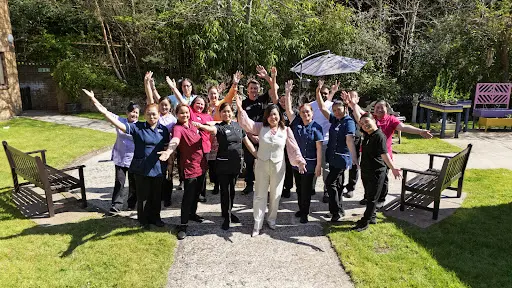
There's something reassuring about watching staff chat naturally with residents, not because they have to, but because they want to. At Camberley Heights Care Home in Camberley, families describe this gentle attentiveness as the foundation of everything. It's the kind of place where people feel comfortable stepping back, knowing their loved ones are genuinely looked after.
Who they care for
The home supports residents with dementia, sensory impairments and physical disabilities, alongside general care for adults over and under 65.
For residents living with dementia, the combination of consistent staff relationships and meaningful daily structure seems particularly valuable. The home's approach focuses on maintaining connections and purpose throughout each day.
“Sometimes the smallest details reveal the most — like staff who remember how someone takes their tea, or noticing when a resident needs an extra moment of reassurance.”
DCC does not edit or curate content in this tab. For independently curated information, see The Evidence and DCC Verdict.
The DCC Verdict
Our editorial view, built from the three lenses: what families tell us, what inspectors record, and how the home sits against good dementia-care practice.
DCC Family Score
Camberley Heights received a Good rating across all five domains at its September 2022 inspection, but the published report contains very limited specific detail, so scores reflect a solid baseline rather than confirmed excellence in any particular area.
Homes in South East typically score 68–82.The three-lens summary
What families tell us
Families talk about arriving to find residents engaged in activities that actually matter to them, from regular social events to quieter moments of connection. People mention how quickly the sense of isolation lifts here, replaced by real involvement in daily life. The atmosphere feels purposeful rather than institutional.
What inspectors have recorded
Staff seem to notice things before being asked, whether it's a resident who needs a moment of company or a family member looking for reassurance. Healthcare professionals visiting the home comment on this proactive approach too. The communication feels natural rather than procedural, which helps families develop genuine confidence in the care team.
How it sits against good practice
Sometimes the smallest details reveal the most — like staff who remember how someone takes their tea, or noticing when a resident needs an extra moment of reassurance.
Worth a visit
Camberley Heights Care Home, on Pembroke Broadway in Camberley, was rated Good across all five inspection domains at its assessment in September 2022, with findings published in December 2022. The home is a large, 100-bed nursing home registered for dementia care, physical disabilities, and sensory impairment, serving both adults over and under 65. A named registered manager and nominated individual were in post at the time of inspection, which is a positive structural indicator. The main limitation here is that the published summary contains very little specific detail: no inspector observations, no resident or relative quotes, and no concrete examples of what Good looks like day to day in this home. That means you need to do more of the verification work yourself on a visit. Pay particular attention to night staffing ratios (ask for last week's actual rota for 100 beds), agency staff usage on the dementia unit, and how the team responds to residents who are distressed. A Good rating is a sound starting point, but a home this size warrants close scrutiny of the detail behind it.
The three questions to ask when you visitSave this home. Compare it against your shortlist.
Let our analysis show you how Camberley Heights Care Home – Avery Collection measures up against the other homes you’re considering. Free account.
In Their Own Words
How Camberley Heights Care Home – Avery Collection describes itself — collected from its own website. DCC has not edited or independently verified the content in this tab.
Where trust grows from everyday kindness and real connections
Nursing home in Camberley: True Peace of Mind
There's something reassuring about watching staff chat naturally with residents, not because they have to, but because they want to. At Camberley Heights Care Home in Camberley, families describe this gentle attentiveness as the foundation of everything. It's the kind of place where people feel comfortable stepping back, knowing their loved ones are genuinely looked after.
Who they care for
The home supports residents with dementia, sensory impairments and physical disabilities, alongside general care for adults over and under 65.
For residents living with dementia, the combination of consistent staff relationships and meaningful daily structure seems particularly valuable. The home's approach focuses on maintaining connections and purpose throughout each day.
Management & ethos
Staff seem to notice things before being asked, whether it's a resident who needs a moment of company or a family member looking for reassurance. Healthcare professionals visiting the home comment on this proactive approach too. The communication feels natural rather than procedural, which helps families develop genuine confidence in the care team.
The home & environment
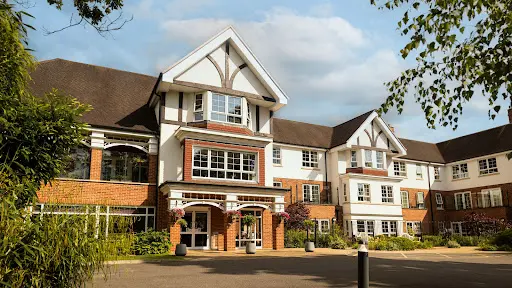
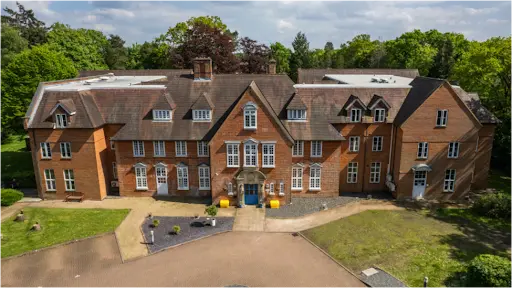
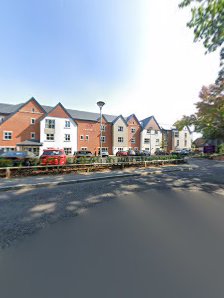
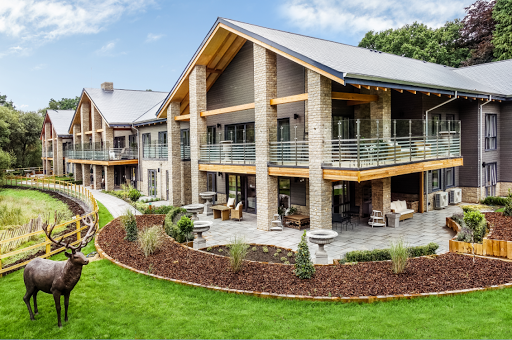
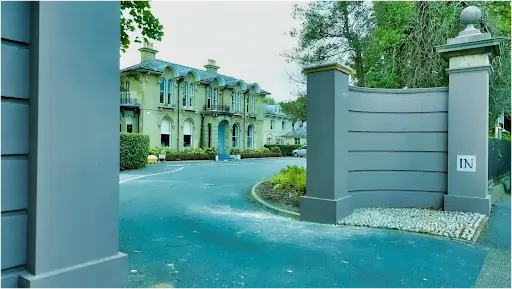
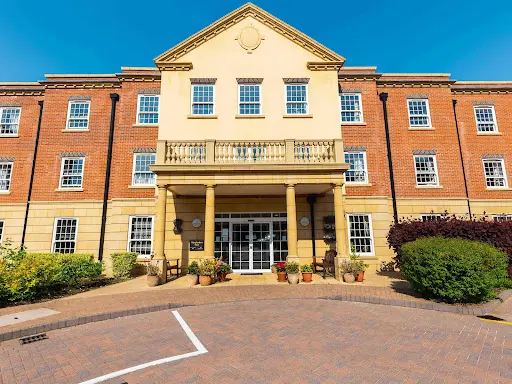
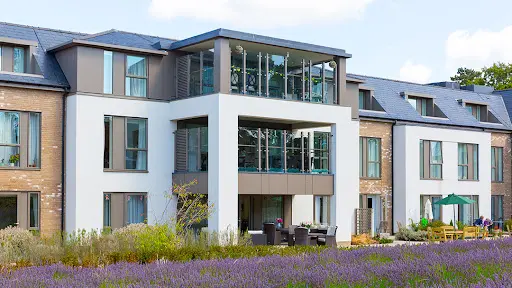
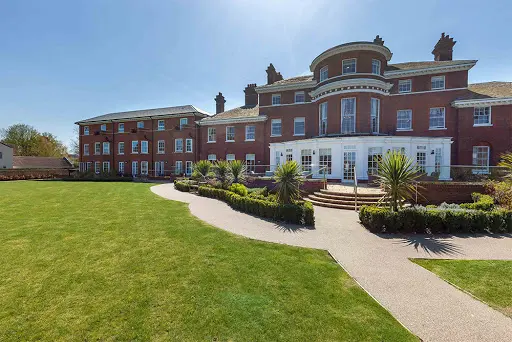
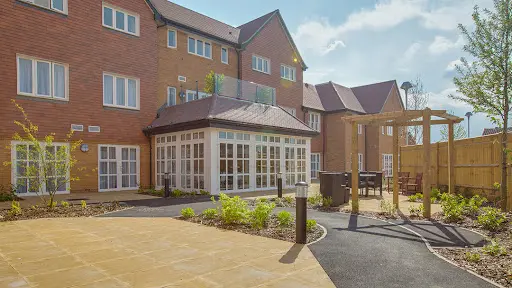
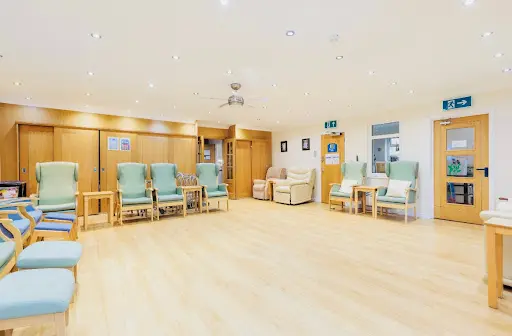
The dining experience catches people by surprise — proper meals with variety and care in presentation that families say goes well beyond what they expected. Everything from the décor to the layout seems thought through, giving residents choices about where to spend their time. Cleanliness isn't just about standards here; it's about creating spaces where people feel comfortable and dignified.
“Sometimes the smallest details reveal the most — like staff who remember how someone takes their tea, or noticing when a resident needs an extra moment of reassurance.”
DCC does not edit or curate content in this tab. For independently curated information, see The Evidence and DCC Verdict.