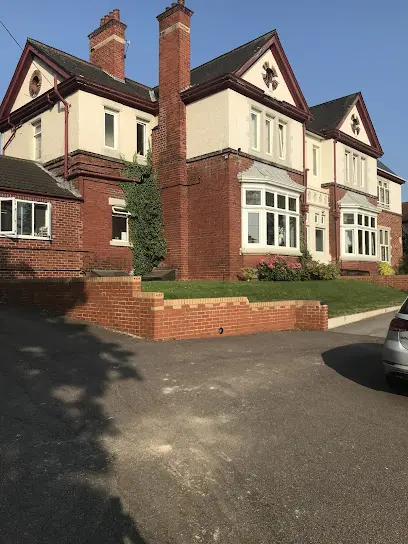
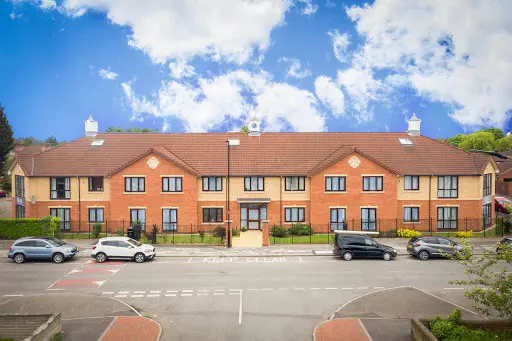
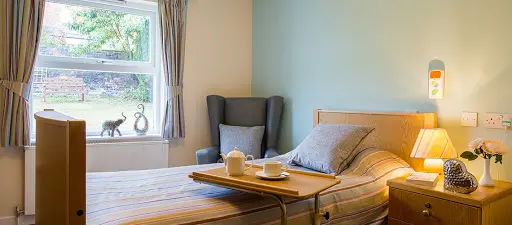
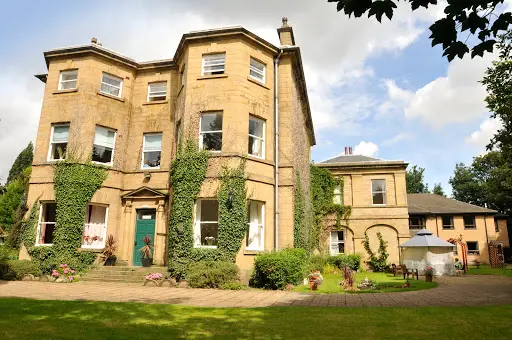
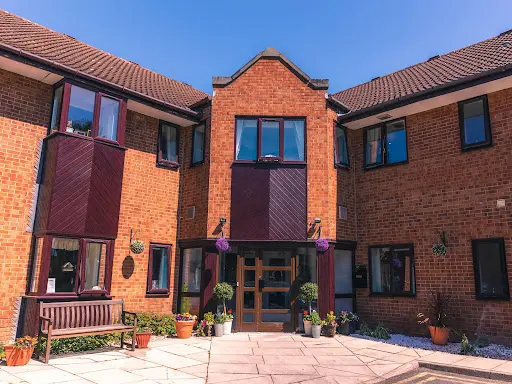
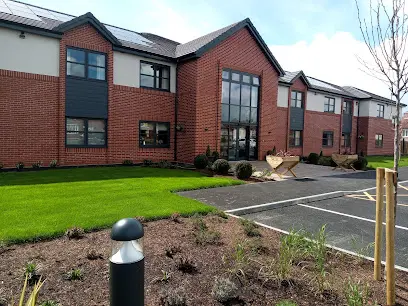
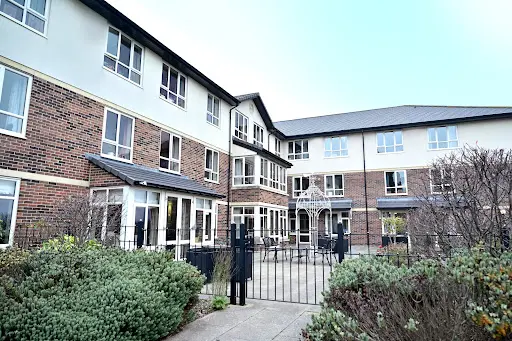
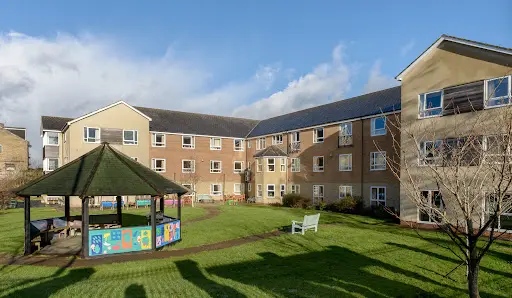
Bennfield House
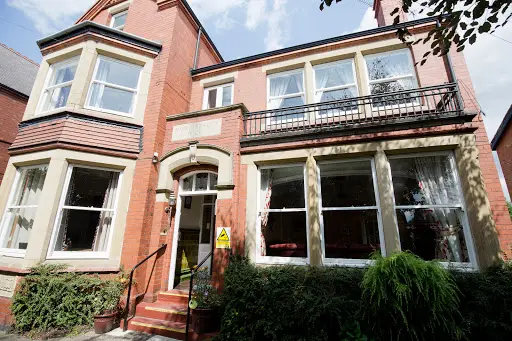
At a Glance
The information you need to decide whether this home warrants a closer look.
Nursing homes
Staff warmth score
of reviewers answered yes
Good to know
- Registered beds27
- SpecialismsCaring for adults over 65 yrs, Caring for adults under 65 yrs, Dementia, Mental health conditions
- Last inspected2018-07-31
Save Bennfield House to your shortlist
Keep a running list, add visit notes, and compare homes side-by-side. Free account — it takes a minute.
STAGE 4 — RESEARCHING CARE HOMES
Visit homes. Compare them side by side. Choose with confidence.
Most of us will view care homes the way we view houses, impression, atmosphere, the feeling in the corridor. We go home, try to remember what we saw, and make a permanent decision from a blurred memory.

The DCC shortlist gives every home you visit a structured record: the same twelve questions, answered the same way, every time. When you’re ready to choose, pull any two homes side by side and compare them directly. Same criteria, same evidence, your notes and your scores.
The Evidence
What the review data, the inspection reports, and the dementia-care evidence base tell us about this home.
What families say
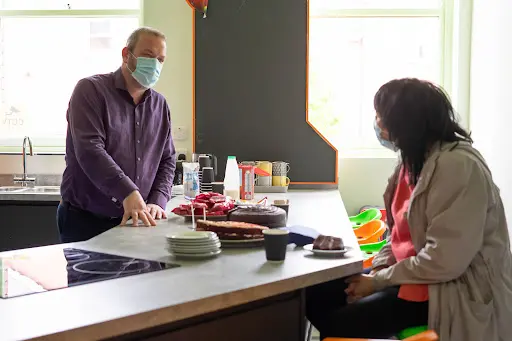
What strikes families most is how staff take time to really know each person living here. They mark birthdays thoughtfully, remember the small things that matter, and create an atmosphere where residents feel valued as individuals. The warmth extends throughout the home, with families describing a reassuring environment from the moment they walk in.
The eight family priority themes
- Staff warmth55
- Compassion & dignity55
- Cleanliness55
- Activities & engagement75
- Food quality50
- Healthcare60
- Management & leadership60
- Resident happiness60
What inspectors found
Inspected 2018-07-31
Is this home safe?
Is the care effective?
The Effective domain was rated Good at the February 2022 inspection. The published report does not describe specific evidence reviewed, such as care plan content, training records, or healthcare access arrangements. No information is available about how frequently care plans are reviewed, whether families are involved, or what dementia-specific training staff have completed. The July 2023 monitoring review found no reason to change the rating. As with the Safe domain, the rating exists but the evidence behind it is not visible in the published text.Is this home caring?
The Caring domain was rated Good at the February 2022 inspection. The published text does not include inspector observations of staff interactions, resident testimony about how they are treated, or specific examples of dignity being upheld. No quotes from residents or relatives were recorded in the available report text. The July 2023 review did not trigger a reassessment. The rating indicates inspectors were satisfied, but the detail that would allow families to understand why is not publicly available.Is the home responsive?
The Responsive domain was rated Outstanding at the February 2022 inspection, the only domain to receive this rating. This is the strongest finding in the report and indicates that inspectors found evidence of genuinely individualised, person-centred care that went beyond what is typically expected. The published text does not describe what specific practices or evidence led to this rating. The July 2023 monitoring review did not find reason to change it. For a home of 27 beds supporting people with dementia, an Outstanding rating for responsiveness is a meaningful result that deserves exploration on your visit.Is the home well-led?
The Well-led domain was rated Good at the February 2022 inspection. A named registered manager, Mrs Clare Clarke, is recorded as being in post, alongside a nominated individual, Mr Thomas George Weetman. The published report does not describe management visibility, staff culture, governance systems, or how the home handles complaints and incidents. The July 2023 monitoring review found no evidence requiring a rating change. Leadership stability is one of the strongest predictors of care quality over time, but the inspection provides no detail about tenure or culture.
Source: CQC inspection report →
What the evidence base says
The home cares for both younger and older adults, including those living with dementia and mental health conditions. They can accommodate emergency admissions when families need urgent support. While Bennfield House lists dementia care as a specialism, families haven't shared specific details about their dementia support approaches. You'd want to ask about their strategies for supporting people at different stages of dementia when you visit. All areas worth probing directly during a visit.
The DCC Verdict
Our editorial view, built from the three lenses: what families tell us, what inspectors record, and how the home sits against good dementia-care practice.
DCC Family Score
Bennfield House scores 72 out of 100. The Outstanding rating for responsiveness lifts the overall score, but thin inspection detail across most other themes means this report cannot answer many of the questions families need answered.
Homes in Yorkshire & Humberside typically score 68–82.The three-lens summary
What families tell us
What strikes families most is how staff take time to really know each person living here. They mark birthdays thoughtfully, remember the small things that matter, and create an atmosphere where residents feel valued as individuals. The warmth extends throughout the home, with families describing a reassuring environment from the moment they walk in.
What inspectors have recorded
Families talk about staff who keep them genuinely involved in their loved one's care journey. During difficult times, particularly when someone's health is declining, the team provides both practical support and emotional understanding. There's a pattern of unhurried, patient care that families clearly value, with staff at every level showing real compassion.
How it sits against good practice
For families navigating the complex emotions of finding care, Bennfield House appears to offer something precious — staff who genuinely understand what you're going through.
Worth a visit
Bennfield House, a 27-bed nursing home in Doncaster, was rated Good overall at its last inspection in February 2022, with an Outstanding rating for responsiveness. A monitoring review carried out in July 2023 found no evidence requiring a change to those ratings. The home is registered to provide nursing care for older adults and younger adults, including people with dementia and mental health conditions, and has a named registered manager in post. The main limitation of this report is that the published inspection text is exceptionally thin. Virtually none of the detail families need, covering how staff interact with residents, what happens at night, how dementia care is delivered day to day, or how the home communicates with families, is recorded in what is publicly available. The Outstanding rating for responsiveness is genuinely encouraging and is worth exploring, but you should treat the rest of the ratings as a starting point rather than a complete picture. On your visit, ask to see last month's activity schedule, ask about night staffing numbers for the dementia unit specifically, and spend time in a communal area observing how staff move and speak with the people who live there.
The three questions to ask when you visitSave this home. Compare it against your shortlist.
Let our analysis show you how Bennfield House measures up against the other homes you’re considering. Free account.
In Their Own Words
How Bennfield House describes itself — collected from its own website. DCC has not edited or independently verified the content in this tab.
Where kindness meets families at their most vulnerable moments
Nursing home in Doncaster: True Peace of Mind
When families face the heart-wrenching transition of moving a loved one into care, they need somewhere that feels genuinely supportive. Bennfield House in Doncaster seems to understand this deeply. Families describe finding real comfort here during some of life's toughest times, with staff who truly engage with both residents and their relatives.
Who they care for
The home cares for both younger and older adults, including those living with dementia and mental health conditions. They can accommodate emergency admissions when families need urgent support.
While Bennfield House lists dementia care as a specialism, families haven't shared specific details about their dementia support approaches. You'd want to ask about their strategies for supporting people at different stages of dementia when you visit.
“For families navigating the complex emotions of finding care, Bennfield House appears to offer something precious — staff who genuinely understand what you're going through.”
DCC does not edit or curate content in this tab. For independently curated information, see The Evidence and DCC Verdict.
The DCC Verdict
Our editorial view, built from the three lenses: what families tell us, what inspectors record, and how the home sits against good dementia-care practice.
DCC Family Score
Bennfield House scores 72 out of 100. The Outstanding rating for responsiveness lifts the overall score, but thin inspection detail across most other themes means this report cannot answer many of the questions families need answered.
Homes in Yorkshire & Humberside typically score 68–82.The three-lens summary
What families tell us
What strikes families most is how staff take time to really know each person living here. They mark birthdays thoughtfully, remember the small things that matter, and create an atmosphere where residents feel valued as individuals. The warmth extends throughout the home, with families describing a reassuring environment from the moment they walk in.
What inspectors have recorded
Families talk about staff who keep them genuinely involved in their loved one's care journey. During difficult times, particularly when someone's health is declining, the team provides both practical support and emotional understanding. There's a pattern of unhurried, patient care that families clearly value, with staff at every level showing real compassion.
How it sits against good practice
For families navigating the complex emotions of finding care, Bennfield House appears to offer something precious — staff who genuinely understand what you're going through.
Worth a visit
Bennfield House, a 27-bed nursing home in Doncaster, was rated Good overall at its last inspection in February 2022, with an Outstanding rating for responsiveness. A monitoring review carried out in July 2023 found no evidence requiring a change to those ratings. The home is registered to provide nursing care for older adults and younger adults, including people with dementia and mental health conditions, and has a named registered manager in post. The main limitation of this report is that the published inspection text is exceptionally thin. Virtually none of the detail families need, covering how staff interact with residents, what happens at night, how dementia care is delivered day to day, or how the home communicates with families, is recorded in what is publicly available. The Outstanding rating for responsiveness is genuinely encouraging and is worth exploring, but you should treat the rest of the ratings as a starting point rather than a complete picture. On your visit, ask to see last month's activity schedule, ask about night staffing numbers for the dementia unit specifically, and spend time in a communal area observing how staff move and speak with the people who live there.
The three questions to ask when you visitSave this home. Compare it against your shortlist.
Let our analysis show you how Bennfield House measures up against the other homes you’re considering. Free account.
In Their Own Words
How Bennfield House describes itself — collected from its own website. DCC has not edited or independently verified the content in this tab.
Where kindness meets families at their most vulnerable moments
Nursing home in Doncaster: True Peace of Mind
When families face the heart-wrenching transition of moving a loved one into care, they need somewhere that feels genuinely supportive. Bennfield House in Doncaster seems to understand this deeply. Families describe finding real comfort here during some of life's toughest times, with staff who truly engage with both residents and their relatives.
Who they care for
The home cares for both younger and older adults, including those living with dementia and mental health conditions. They can accommodate emergency admissions when families need urgent support.
While Bennfield House lists dementia care as a specialism, families haven't shared specific details about their dementia support approaches. You'd want to ask about their strategies for supporting people at different stages of dementia when you visit.
Management & ethos
Families talk about staff who keep them genuinely involved in their loved one's care journey. During difficult times, particularly when someone's health is declining, the team provides both practical support and emotional understanding. There's a pattern of unhurried, patient care that families clearly value, with staff at every level showing real compassion.
“For families navigating the complex emotions of finding care, Bennfield House appears to offer something precious — staff who genuinely understand what you're going through.”
DCC does not edit or curate content in this tab. For independently curated information, see The Evidence and DCC Verdict.