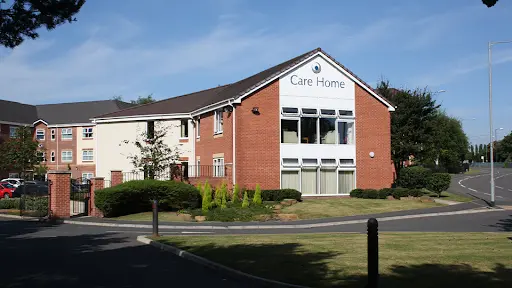
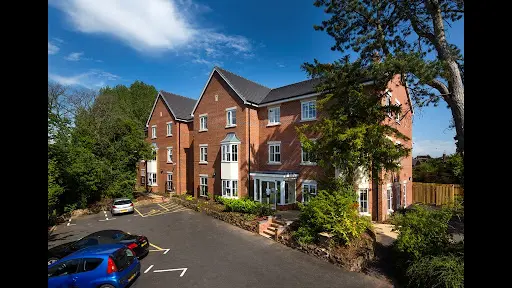
Beech House Care Home Worksop Ltd
At a Glance
The information you need to decide whether this home warrants a closer look.
Residential homes
Staff warmth score
of reviewers answered yes
Good to know
- Registered beds32
- SpecialismsCaring for adults over 65 yrs, Dementia
- Last inspected2019-01-08
Save Beech House Care Home Worksop Ltd to your shortlist
Keep a running list, add visit notes, and compare homes side-by-side. Free account — it takes a minute.
STAGE 4 — RESEARCHING CARE HOMES
Visit homes. Compare them side by side. Choose with confidence.
Most of us will view care homes the way we view houses, impression, atmosphere, the feeling in the corridor. We go home, try to remember what we saw, and make a permanent decision from a blurred memory.

The DCC shortlist gives every home you visit a structured record: the same twelve questions, answered the same way, every time. When you’re ready to choose, pull any two homes side by side and compare them directly. Same criteria, same evidence, your notes and your scores.
The Evidence
What the review data, the inspection reports, and the dementia-care evidence base tell us about this home.
What families say
The eight family priority themes
- Staff warmth72
- Compassion & dignity72
- Cleanliness70
- Activities & engagement88
- Food quality65
- Healthcare68
- Management & leadership88
- Resident happiness75
What inspectors found
Inspected 2019-01-08
Is this home safe?
Is the care effective?
The Effective domain was rated Good. This covers staff training, care planning, and access to healthcare including GP input and specialist services. The home specialises in dementia care for adults over 65. The published summary does not describe the content of dementia training, how frequently care plans are reviewed, or how GP access is arranged. No concerns were identified in this domain.Is this home caring?
The Caring domain was rated Good. This covers how staff treat the people who live there, including whether dignity is respected, whether individuals are addressed by their preferred names, and whether care is delivered without rushing. The published summary does not include specific observations about staff interactions or quotes from residents and relatives. No concerns were identified.Is the home responsive?
The Responsive domain was rated Outstanding. This is the highest possible rating and is awarded only when inspectors find specific, strong evidence of individualised engagement and meaningful activities that go beyond a standard programme. An Outstanding Responsive rating in a dementia-specialist home strongly suggests that the home looks at what each person enjoyed before moving in and builds activity around that. The published summary does not describe specific activities or include quotes, but the rating itself is the most informative signal available.Is the home well-led?
The Well-led domain was rated Outstanding. This domain covers leadership quality, staff culture, governance, and whether the home learns from incidents and acts on feedback. A named registered manager and nominated individual are both formally on record. An Outstanding Well-led rating requires inspectors to find evidence that leadership is visible, that staff feel supported to speak up, and that the home drives its own improvement rather than simply responding to external pressure. This was also the domain that lifted the home from Good to Outstanding overall.
Source: CQC inspection report →
What the evidence base says
The home provides care for people over 65, with particular experience supporting those living with dementia. Staff understand how dementia affects appetite and eating patterns. They work patiently with residents to maintain nutrition, adapting mealtimes and food choices to individual needs and preferences. All areas worth probing directly during a visit.
The DCC Verdict
Our editorial view, built from the three lenses: what families tell us, what inspectors record, and how the home sits against good dementia-care practice.
DCC Family Score
Beech House Care Home scored strongly on the themes that matter most to families, particularly management and activities, where inspectors awarded Outstanding ratings. Scores for food, healthcare, and cleanliness are more cautious because the published report contains limited specific detail on those areas.
Homes in East Midlands typically score 68–82.Worth a visit
Beech House Care Home on Carlton Road in Worksop was rated Outstanding at its inspection in October 2018, an improvement from its previous Good rating. That upgrade is meaningful: fewer than five per cent of care homes in England hold an Outstanding overall rating. The home's strongest performance was in Responsive and Well-led, both rated Outstanding, indicating that inspectors found real evidence of individualised engagement for the people who live there and stable, accountable leadership. The Safe, Effective, and Caring domains were all rated Good, meaning no concerns were identified and standards met the required level across safety, training, and staff kindness. The main limitation of this report is its age. The inspection took place in October 2018, more than six years ago, and while a monitoring review in July 2023 found no reason to reassess the rating, that review was desk-based and did not involve inspectors visiting the home. A great deal can change in six years, including staff turnover, management changes, and the physical environment. When you visit, ask to speak to the registered manager by name, ask how many permanent staff worked the last full week, and ask what the home has changed or improved in the past 12 months. Those three questions will tell you more about today's reality than any historical rating.
The three questions to ask when you visitSave this home. Compare it against your shortlist.
Let our analysis show you how Beech House Care Home Worksop Ltd measures up against the other homes you’re considering. Free account.
In Their Own Words
How Beech House Care Home Worksop Ltd describes itself — collected from its own website. DCC has not edited or independently verified the content in this tab.
Thoughtful support when families need it most
Dedicated residential home Support in Worksop
When you're looking for care in Worksop, finding somewhere that really understands what matters can feel overwhelming. Beech House Care Home focuses on supporting people over 65, including those living with dementia. The team here seems to grasp that good care means staying connected with families and responding quickly when things change.
Who they care for
The home provides care for people over 65, with particular experience supporting those living with dementia.
Staff understand how dementia affects appetite and eating patterns. They work patiently with residents to maintain nutrition, adapting mealtimes and food choices to individual needs and preferences.
“Sometimes the smallest details — like remembering breakfast preferences — show you've found somewhere that truly pays attention.”
DCC does not edit or curate content in this tab. For independently curated information, see The Evidence and DCC Verdict.
The DCC Verdict
Our editorial view, built from the three lenses: what families tell us, what inspectors record, and how the home sits against good dementia-care practice.
DCC Family Score
Beech House Care Home scored strongly on the themes that matter most to families, particularly management and activities, where inspectors awarded Outstanding ratings. Scores for food, healthcare, and cleanliness are more cautious because the published report contains limited specific detail on those areas.
Homes in East Midlands typically score 68–82.Worth a visit
Beech House Care Home on Carlton Road in Worksop was rated Outstanding at its inspection in October 2018, an improvement from its previous Good rating. That upgrade is meaningful: fewer than five per cent of care homes in England hold an Outstanding overall rating. The home's strongest performance was in Responsive and Well-led, both rated Outstanding, indicating that inspectors found real evidence of individualised engagement for the people who live there and stable, accountable leadership. The Safe, Effective, and Caring domains were all rated Good, meaning no concerns were identified and standards met the required level across safety, training, and staff kindness. The main limitation of this report is its age. The inspection took place in October 2018, more than six years ago, and while a monitoring review in July 2023 found no reason to reassess the rating, that review was desk-based and did not involve inspectors visiting the home. A great deal can change in six years, including staff turnover, management changes, and the physical environment. When you visit, ask to speak to the registered manager by name, ask how many permanent staff worked the last full week, and ask what the home has changed or improved in the past 12 months. Those three questions will tell you more about today's reality than any historical rating.
The three questions to ask when you visitSave this home. Compare it against your shortlist.
Let our analysis show you how Beech House Care Home Worksop Ltd measures up against the other homes you’re considering. Free account.
In Their Own Words
How Beech House Care Home Worksop Ltd describes itself — collected from its own website. DCC has not edited or independently verified the content in this tab.
Thoughtful support when families need it most
Dedicated residential home Support in Worksop
When you're looking for care in Worksop, finding somewhere that really understands what matters can feel overwhelming. Beech House Care Home focuses on supporting people over 65, including those living with dementia. The team here seems to grasp that good care means staying connected with families and responding quickly when things change.
Who they care for
The home provides care for people over 65, with particular experience supporting those living with dementia.
Staff understand how dementia affects appetite and eating patterns. They work patiently with residents to maintain nutrition, adapting mealtimes and food choices to individual needs and preferences.
Management & ethos
Families describe staff who keep them informed about their relative's health and wellbeing. When medical needs arise, the team coordinates doctor visits and manages medication changes promptly.
The home & environment
The kitchen prepares fresh, homemade meals daily. When someone's appetite changes, staff work to find foods they'll enjoy — whether that's adapting portion sizes or remembering exactly how someone likes their breakfast.
“Sometimes the smallest details — like remembering breakfast preferences — show you've found somewhere that truly pays attention.”
DCC does not edit or curate content in this tab. For independently curated information, see The Evidence and DCC Verdict.