Balmaclellan

At a Glance
The information you need to decide whether this home warrants a closer look.
Residential homes
Staff warmth score
of reviewers answered yes
Good to know
- Registered beds6
- SpecialismsDementia, Learning disabilities
- Last inspected2021-10-20
Save Balmaclellan to your shortlist
Keep a running list, add visit notes, and compare homes side-by-side. Free account — it takes a minute.
STAGE 4 — RESEARCHING CARE HOMES
Visit homes. Compare them side by side. Choose with confidence.
Most of us will view care homes the way we view houses, impression, atmosphere, the feeling in the corridor. We go home, try to remember what we saw, and make a permanent decision from a blurred memory.

The DCC shortlist gives every home you visit a structured record: the same twelve questions, answered the same way, every time. When you’re ready to choose, pull any two homes side by side and compare them directly. Same criteria, same evidence, your notes and your scores.
The Evidence
What the review data, the inspection reports, and the dementia-care evidence base tell us about this home.
What families say
The eight family priority themes
- Staff warmth55
- Compassion & dignity58
- Cleanliness52
- Activities & engagement35
- Food quality50
- Healthcare55
- Management & leadership62
- Resident happiness52
What inspectors found
Inspected 2021-10-20
Is this home safe?
Is the care effective?
The Effective domain was rated Good at the September 2021 inspection, suggesting care planning, training, healthcare access and food provision met required standards. The home holds a dementia specialism, meaning staff should have relevant training, though no specific detail about training content, frequency or dementia-specific approaches is available in the published summary. Healthcare arrangements including GP access and medicines management are implied to be in order. No specific information about food quality, mealtimes or dietary accommodation is available.Is this home caring?
The Caring domain was rated Good at inspection, indicating inspectors were satisfied with the warmth and dignity of staff interactions at the time of their September 2021 visit. In a six-bed home, the potential for genuinely knowing each resident as an individual is high. However, no direct inspector observations, resident testimony or relative quotes are available in the published summary to illustrate what Good caring looks like here in practice. The July 2023 review did not identify any concerns about this domain.Is the home responsive?
This is the one domain rated Requires Improvement — a significant finding for a dementia-specialist home. Responsive covers how well the home tailors daily life, activities and individual engagement to each person's needs, preferences and history. It also covers complaints handling and end-of-life care. No detail is available about what specifically drove this rating down, which makes it harder to assess whether the issues have been resolved since the September 2021 inspection. The July 2023 review found no reason to change the rating, which means this concern was not formally reassessed.Is the home well-led?
The Well-led domain was rated Good at the September 2021 inspection. The home has a named Registered Manager (Mrs Emmalyne Ridley) and a Nominated Individual (Dr Lisa Alcorn), with organisational oversight from Saint John of God Hospitaller Services. This structure suggests accountability at multiple levels. No specific information is available about manager visibility, staff culture, complaint handling processes or how the service acts on feedback. The July 2023 review found no evidence requiring a change in the rating.
Source: CQC inspection report →
What the evidence base says
The home provides specialist care for people with learning disabilities and those living with dementia. They have experience supporting residents with complex needs. For those considering dementia care, Balmaclellan has dedicated expertise in supporting people through their dementia journey. The home understands the unique challenges families face when making this decision. All areas worth probing directly during a visit.
The DCC Verdict
Our editorial view, built from the three lenses: what families tell us, what inspectors record, and how the home sits against good dementia-care practice.
DCC Family Score
Balmaclellan holds a Good overall rating with solid foundations in safety, care and leadership, but the Requires Improvement in Responsive care — meaning how well your parent's individual needs, activities and daily life are met — pulls the family score down meaningfully.
Homes in Yorkshire & Humberside typically score 68–82.Worth a visit
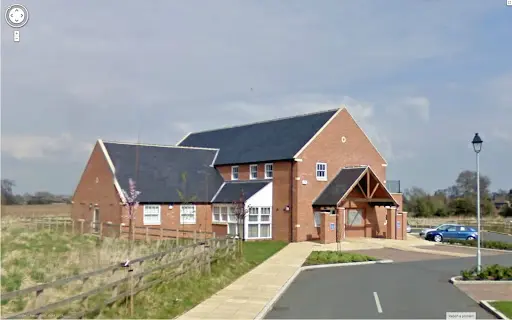
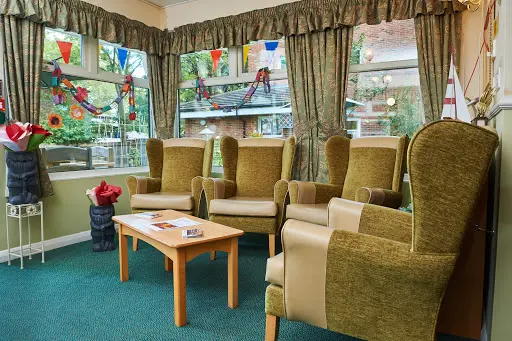
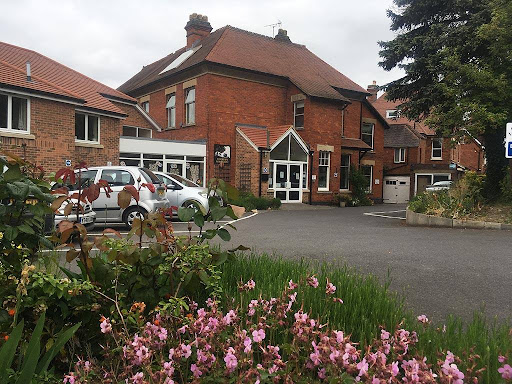
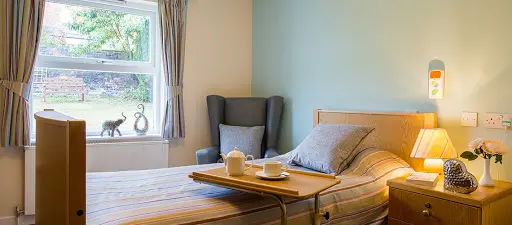
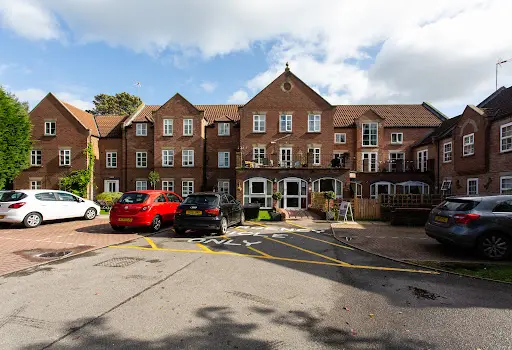
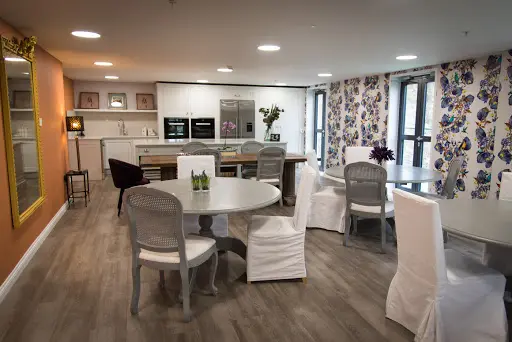
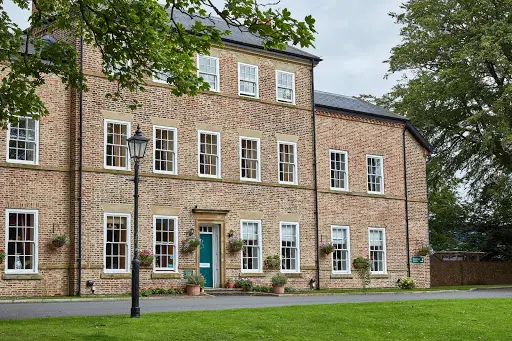
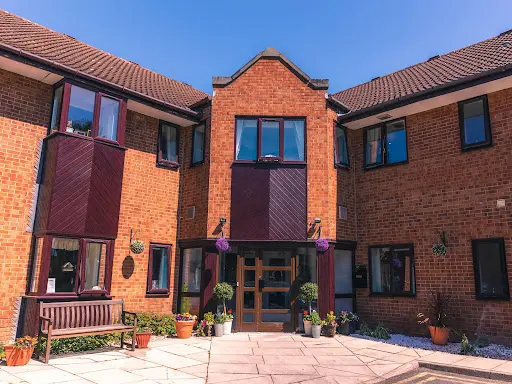
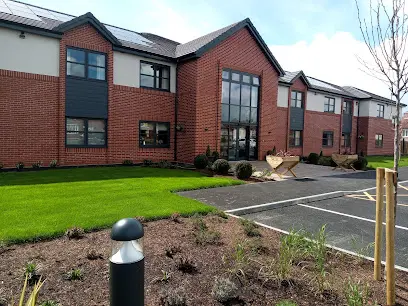
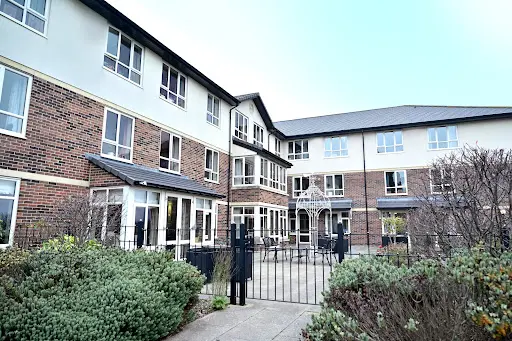
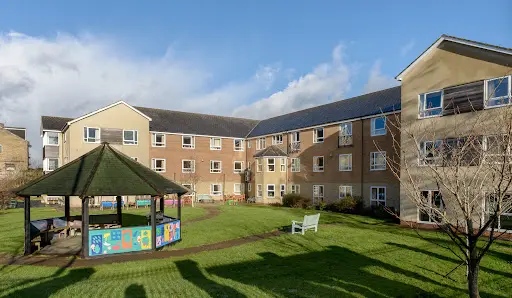
Balmaclellan is a small, six-bed registered home in Richmond, North Yorkshire, run by Saint John of God Hospitaller Services, with specialisms in dementia and learning disabilities. The official inspection, carried out in September 2021 and published October 2021, rated the home Good overall — with Good ratings in Safe, Effective, Caring and Well-led. A further review in July 2023 found no reason to change that rating. The home's small size is a genuine advantage: your parent would be in a genuinely domestic setting where staff should know them as an individual, not as one of many. The one area that stands out as a concern is Responsive — rated Requires Improvement — which covers how well the home tailors daily life, activities and individual engagement to each person. For someone with dementia, this matters enormously: routine, meaningful occupation and a sense of purpose are linked in research to reduced anxiety and better quality of life. The published inspection summary is thin on detail, so there is a lot you will need to ask directly. When you visit, watch how staff interact with residents in unstructured moments — in the corridor, at mealtimes, between activities. Ask specifically what a Tuesday afternoon looks like for your parent, and what happens on a day when they cannot join a group. Ask to see the activity log, not just the activity planner.
The three questions to ask when you visitSave this home. Compare it against your shortlist.
Let our analysis show you how Balmaclellan measures up against the other homes you’re considering. Free account.
In Their Own Words
How Balmaclellan describes itself — collected from its own website. DCC has not edited or independently verified the content in this tab.
Where people with learning disabilities find genuine happiness
Balmaclellan – Your Trusted residential home
When you're looking for the right place for someone with learning disabilities or dementia, you need somewhere that feels genuinely welcoming. Balmaclellan in Richmond seems to create that kind of atmosphere. Visitors have found the staff welcoming and easy to talk to, which suggests they understand how important those first impressions are.
Who they care for
The home provides specialist care for people with learning disabilities and those living with dementia. They have experience supporting residents with complex needs.
For those considering dementia care, Balmaclellan has dedicated expertise in supporting people through their dementia journey. The home understands the unique challenges families face when making this decision.
“If you're exploring options in the Richmond area, visiting Balmaclellan could help you get a feel for whether it's the right fit.”
DCC does not edit or curate content in this tab. For independently curated information, see The Evidence and DCC Verdict.
The DCC Verdict
Our editorial view, built from the three lenses: what families tell us, what inspectors record, and how the home sits against good dementia-care practice.
DCC Family Score
Balmaclellan holds a Good overall rating with solid foundations in safety, care and leadership, but the Requires Improvement in Responsive care — meaning how well your parent's individual needs, activities and daily life are met — pulls the family score down meaningfully.
Homes in Yorkshire & Humberside typically score 68–82.Worth a visit
Balmaclellan is a small, six-bed registered home in Richmond, North Yorkshire, run by Saint John of God Hospitaller Services, with specialisms in dementia and learning disabilities. The official inspection, carried out in September 2021 and published October 2021, rated the home Good overall — with Good ratings in Safe, Effective, Caring and Well-led. A further review in July 2023 found no reason to change that rating. The home's small size is a genuine advantage: your parent would be in a genuinely domestic setting where staff should know them as an individual, not as one of many. The one area that stands out as a concern is Responsive — rated Requires Improvement — which covers how well the home tailors daily life, activities and individual engagement to each person. For someone with dementia, this matters enormously: routine, meaningful occupation and a sense of purpose are linked in research to reduced anxiety and better quality of life. The published inspection summary is thin on detail, so there is a lot you will need to ask directly. When you visit, watch how staff interact with residents in unstructured moments — in the corridor, at mealtimes, between activities. Ask specifically what a Tuesday afternoon looks like for your parent, and what happens on a day when they cannot join a group. Ask to see the activity log, not just the activity planner.
The three questions to ask when you visitSave this home. Compare it against your shortlist.
Let our analysis show you how Balmaclellan measures up against the other homes you’re considering. Free account.
In Their Own Words
How Balmaclellan describes itself — collected from its own website. DCC has not edited or independently verified the content in this tab.
Where people with learning disabilities find genuine happiness
Balmaclellan – Your Trusted residential home
When you're looking for the right place for someone with learning disabilities or dementia, you need somewhere that feels genuinely welcoming. Balmaclellan in Richmond seems to create that kind of atmosphere. Visitors have found the staff welcoming and easy to talk to, which suggests they understand how important those first impressions are.
Who they care for
The home provides specialist care for people with learning disabilities and those living with dementia. They have experience supporting residents with complex needs.
For those considering dementia care, Balmaclellan has dedicated expertise in supporting people through their dementia journey. The home understands the unique challenges families face when making this decision.
“If you're exploring options in the Richmond area, visiting Balmaclellan could help you get a feel for whether it's the right fit.”
DCC does not edit or curate content in this tab. For independently curated information, see The Evidence and DCC Verdict.